
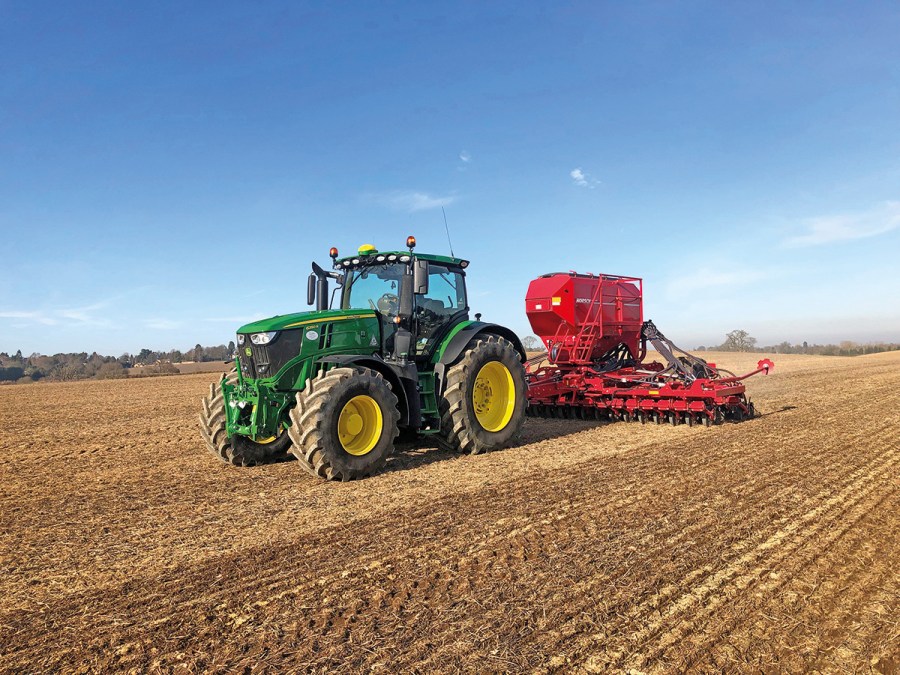
Reducing cultivations, improving logistics and boosting application accuracy are key elements for one Bedfordshire farm’s focus on reducing fixed costs. It’s a process that is helping to shape machinery choices, as the business seeks to extract the best from tractors and kit
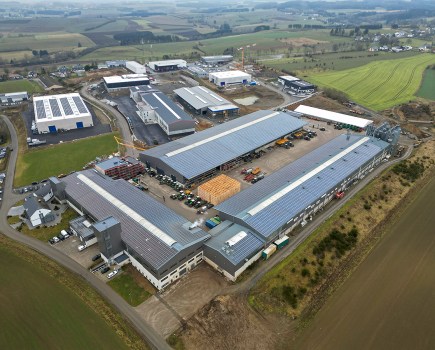
Tasked with taking Woburn Farms forward, manager Will Haupt has faced some tough decisions since joining the 2,350ha operation a year ago. His first step has been to steer the farm towards reduced cultivations to lower the business’s fixed costs.
“When I joined, the farm was in a good position to move forward, thanks to the efforts of my retiring predecessor,” says Mr Haupt. “It had switched successfully from rotational ploughing to deep min-till, and my immediate focus has been to progress that deep min-till strategy towards a direct drilling regime.”
It is a philosophy with the scope to further develop efficiency in a number of key areas, although Mr Haupt and his team are taking a long-term, progressive approach.
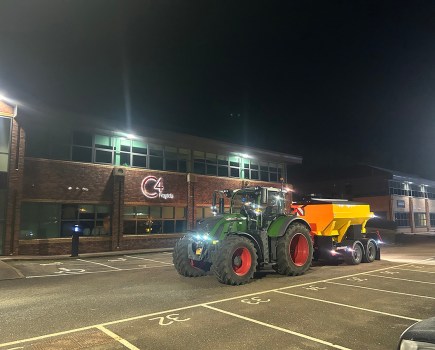
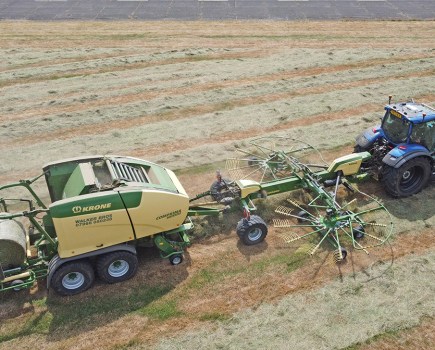
“Reduced passes will lean us towards improved soil structure as soil health continues to develop,” he says. “We can then make more use of variable-rate applications, helped by wireless data transfer between farm office and equipment, and also with the help of fleet telematics we can improve logistics across the entire area we farm.”
That area comprises 1,820ha of combinable crops, including 220ha of contract farming for a neighbour, giving a total of around 190 fields. Without the luxury of land being ringfenced, the team finds itself spread over a 10-mile radius, block-cropping where possible. Autumn cropping includes a rotation of winter wheat, winter barley, oilseed rape, winter oats and winter beans.
Spring-sown crops include wheat, barley and oats, and the recent introduction of cover crops has enabled soil biology to be developed, aided by the inclusion of over-wintered grazing with sheep.
For more up-to-date farming news click here and subscribe now to profi and save