
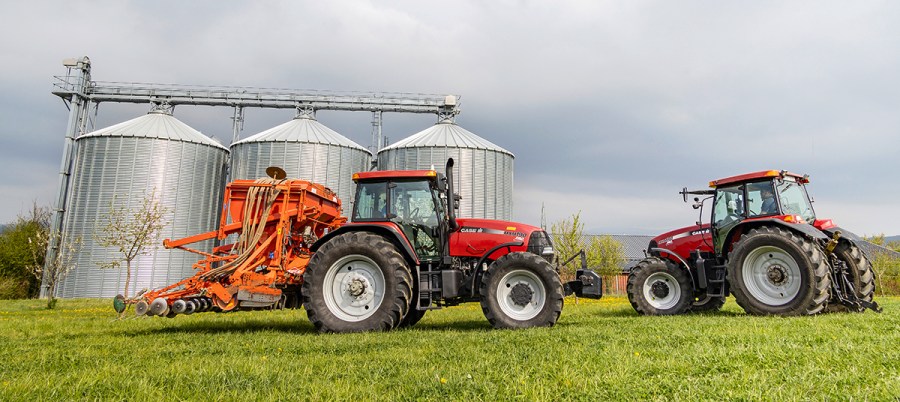
Following the Case IH and New Holland merger into the CNH Group, the MXM models were the first tractors to share the common platform. But has the eldest child from this marriage developed into a success?
KEEPING IT BRIEF
- The MXM 190 shares its underpinnings with the New Holland TM190.
- The main differences were in the cab.
- Sebastian Groh runs a pair of MXM 190 Pros, praising their straightforward design and low operating costs.

Soon after New Holland and Case IH merged in 1999, the phrase common platform became, well, common. By sharing exactly the same hardware underpinnings, the two marques hoped to boost manufacturing efficiency.
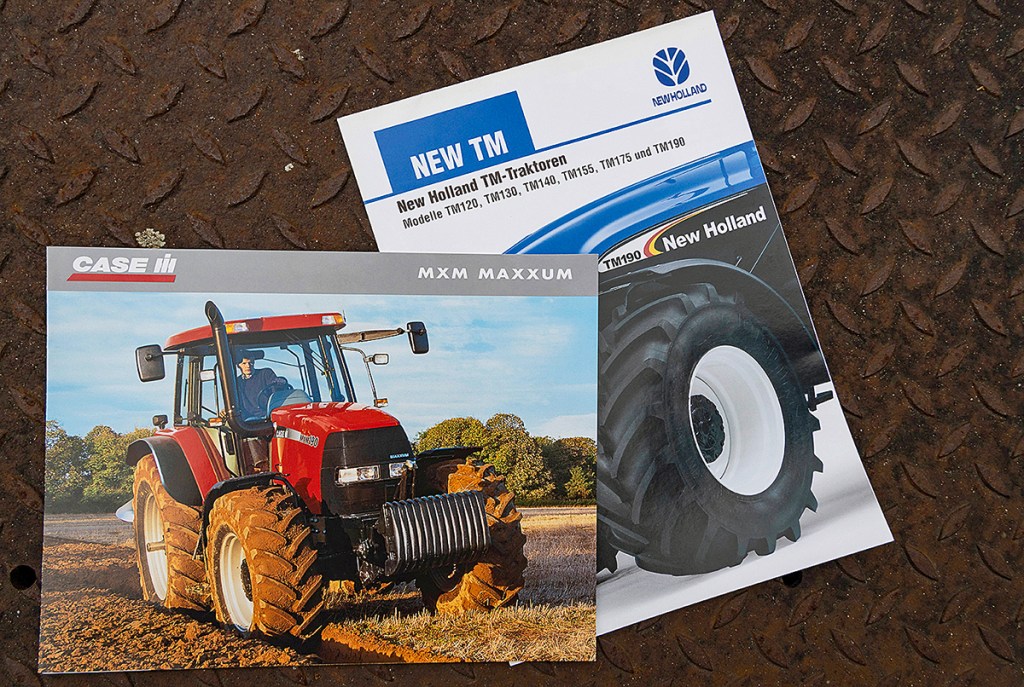
The first jointly developed tractors were unveiled in 2002, and it was easy to spot which pedigree had been the inspiration. For New Holland operators this was ‘just‘ an update of the familiar — and very popular — TM series, including a new top model, the TM190.
For fans of red tinwork, this was a new range in the Case IH line-up: six models from the MXM 120 up to the MXM 190 replacing the previous Doncaster-built MX Maxxum 110 to 170, which were now in the hands of the fledgling McCormick. The “new” Case IH range would be manufactured at the New Holland plant in Basildon.
Although the two brands of tractor were supposed to be different, the similarities outweighed the differences. The new MXM models shared their chassis, Iveco engines, transmissions and cab frames with their blue stablemates. Only the styling and some of the controls had a hint of Case IH familiarity.
Good components
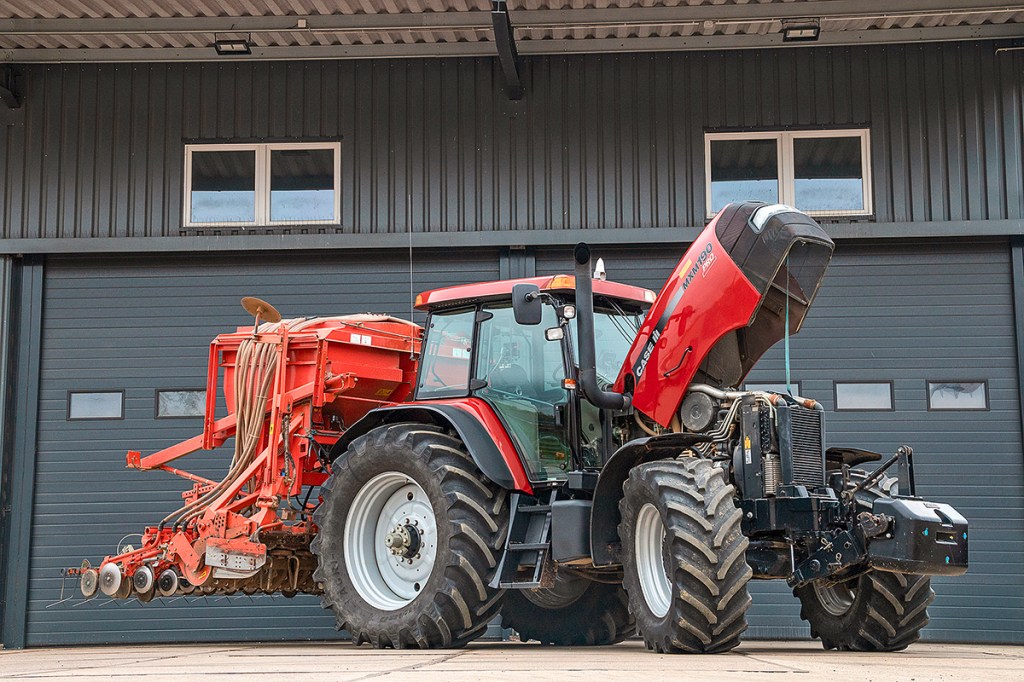
This does not necessarily have to be a bad thing. One example is the Iveco PowerStar six-cylinder engine: the turbo-charged and intercooled 7.5-litre motor packs a healthy punch and is considered reliable. Thanks to the boost during pto work and in speeds 15th and above, the top model delivers up to 176kW/240hp. Incidentally, even the smaller MXM 120 with 91kW/124hp utilised this big block motor.
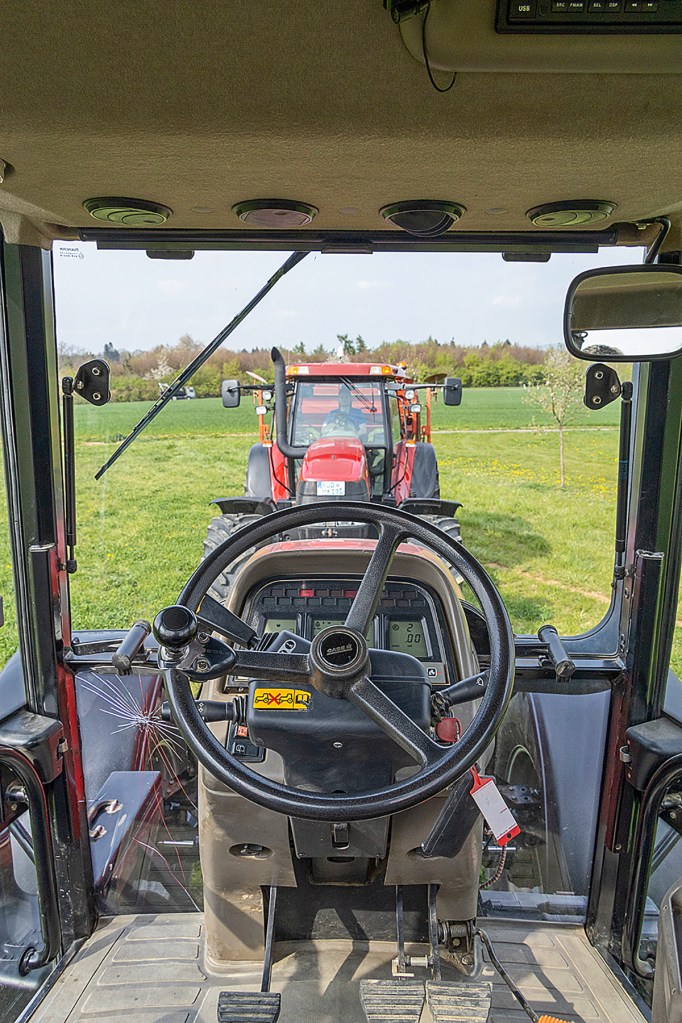
The cab interior layout, though not exactly fresh and groundbreaking when the MXM was introduced, wasn’t bad at the time. And the option of fitting 42” wheels to the adjustable rear bar axle was very useful, too. Speaking of axles, while New Holland customers had the option of the tighter turning SuperSteer front axle on the TM, this was never offered to the red team.
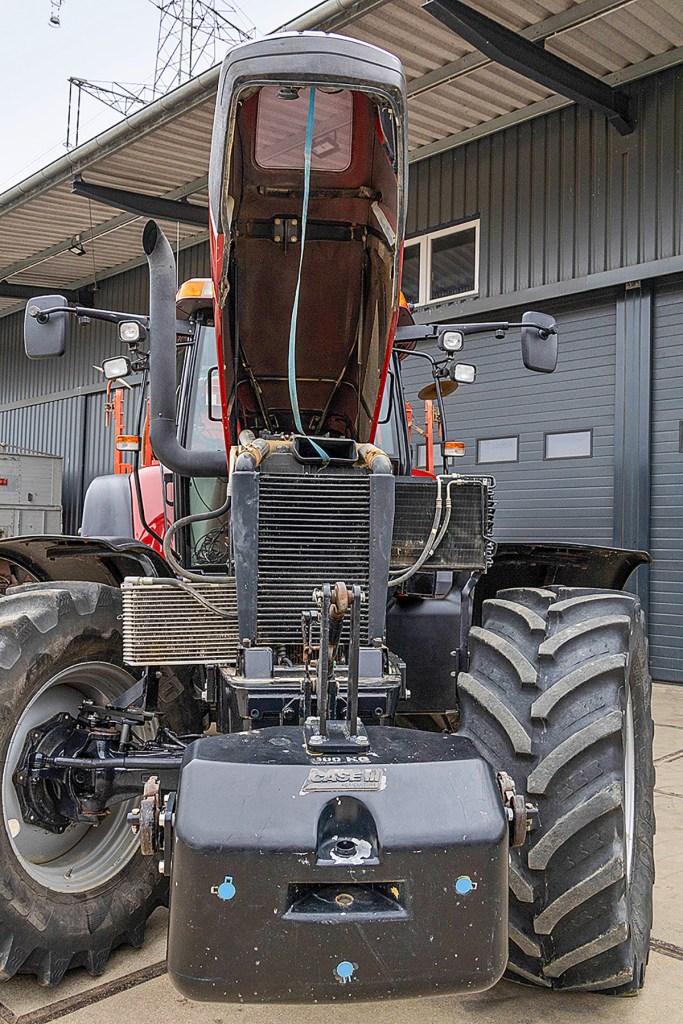
The MXM was updated in 2006 with the addition of “Pro” to the bonnet decal but not in the same colourful manner as it had been on earlier Maxxum and Magnum models. But the main focus of the updates was to help remedy several reliability issues which had plagued the MXM 175 and 190 from day one, primarily relating to the transmission and driveline. Even now these early models can give their owners a cold shiver.
Dumb and strong
More than 20 years after their introduction, the big Case IH MXMs are a rare sight, but German farmer Sebastian Groh has not just one, but two MXM 190 Pros that he uses on his mid-sized arable farm. Originally, the 190s were the “big guns” on the farm, but today a Case IH Puma and an Optum along with a Steyr Terrus take care of the main tasks.
“The very reasonable price was a major selling point for our first MXM 190 in 2006,” recalls Sebastian. “Plus, the tractor had more power than the CVX models that were also on offer at the time. And the excellent service from the local dealer was another plus.”
A short time later, a second MXM was added to the fleet, a near new second-hand model.
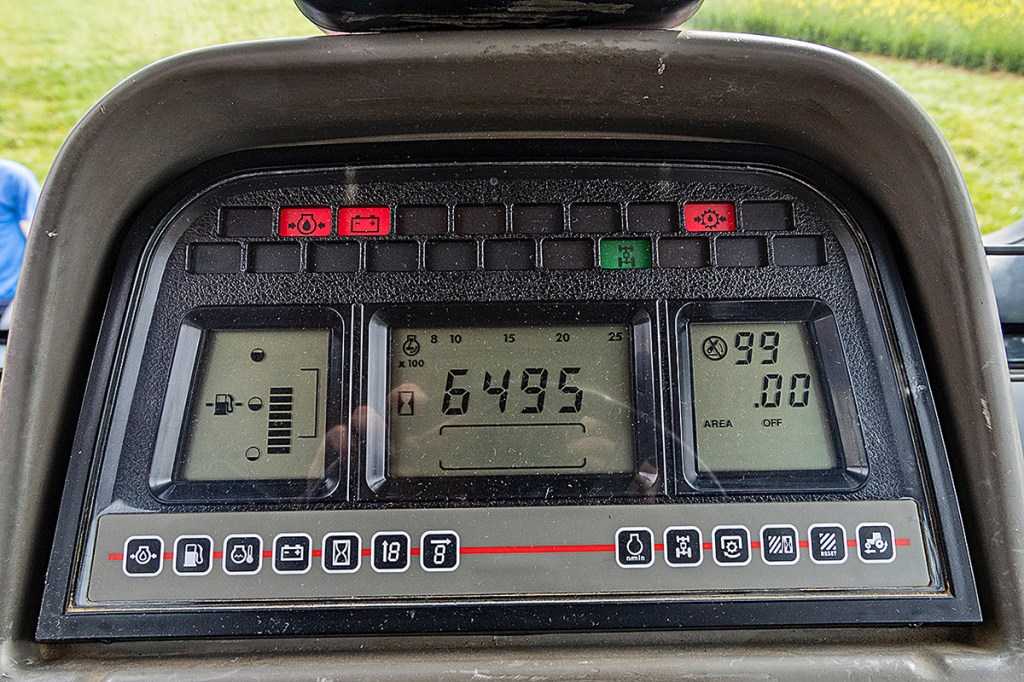
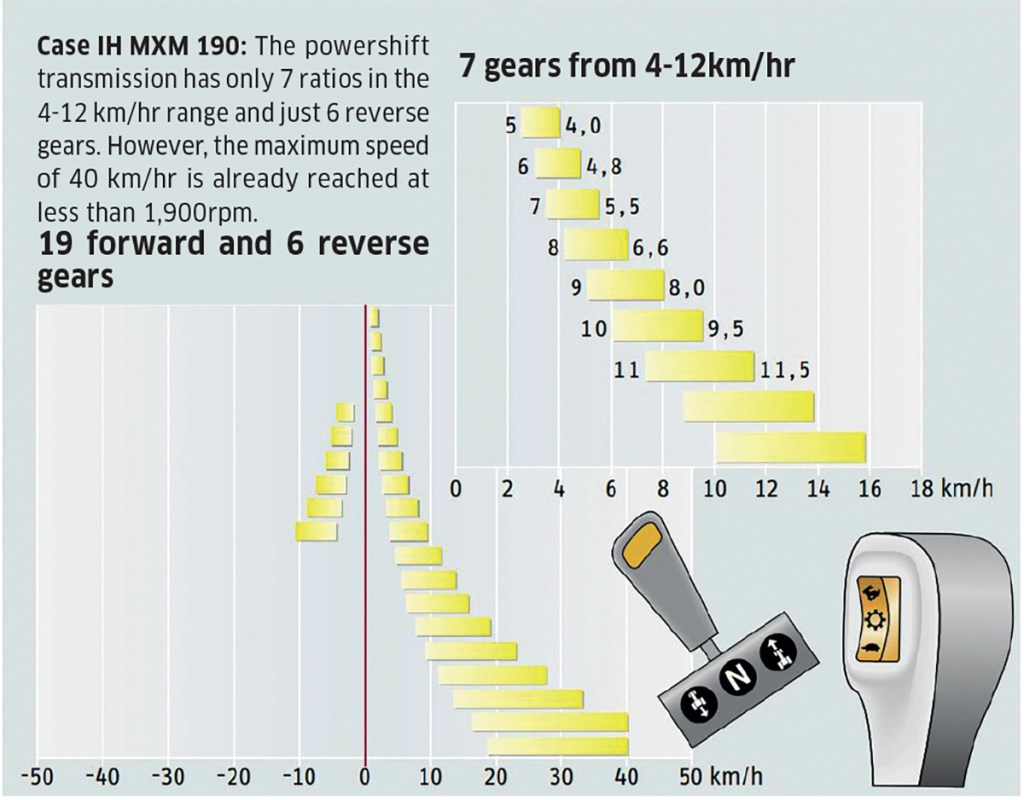
“The powershift transmission starts to shift roughly over time,” says the farmer who also trained as an ag machinery mechanic. He replaced the shift valves on both tractors so they once again shift smoothly through the 19 forward and six reverse speeds.
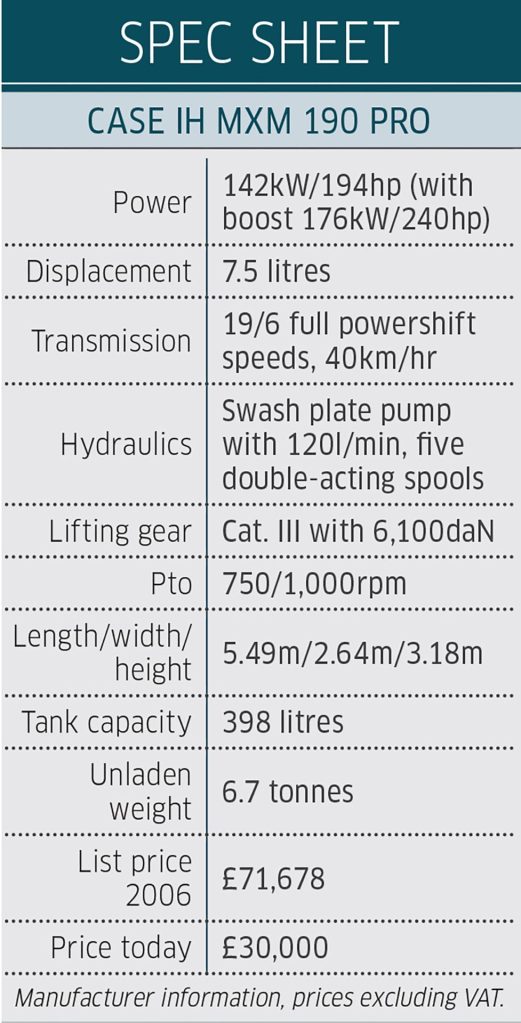
Case IH also offered an optional creeper range increasing the number of ratios to 28 forward, 12 reverse, and there was also a 19 speed 50km/hr option.
“The pulling power of these tractors, even today, is impressive,” says Sebastian Groh. “But especially when it comes to spraying, I’m particularly happy with the continuously variable CVX transmission in my Puma.”
Nowadays, the MXM tractors are mainly used for the simple jobs such as spreading fertiliser, mulching or carting. Looking back, his two MXM 190s have needed very little in the way of major repairs so have been cheap to run.
“Repairs like a water pump or clutch springs are inexpensive and relatively easy to carry out,” the farmer happily says.
In the profi test
Back in the July 2006 issue, the Case MXM 190 underwent the profi tractor test. The tractor achieved “brilliant results” on the test bench and in the Powerrmix test — confirming Sebastian Groh’s largely positive impression.
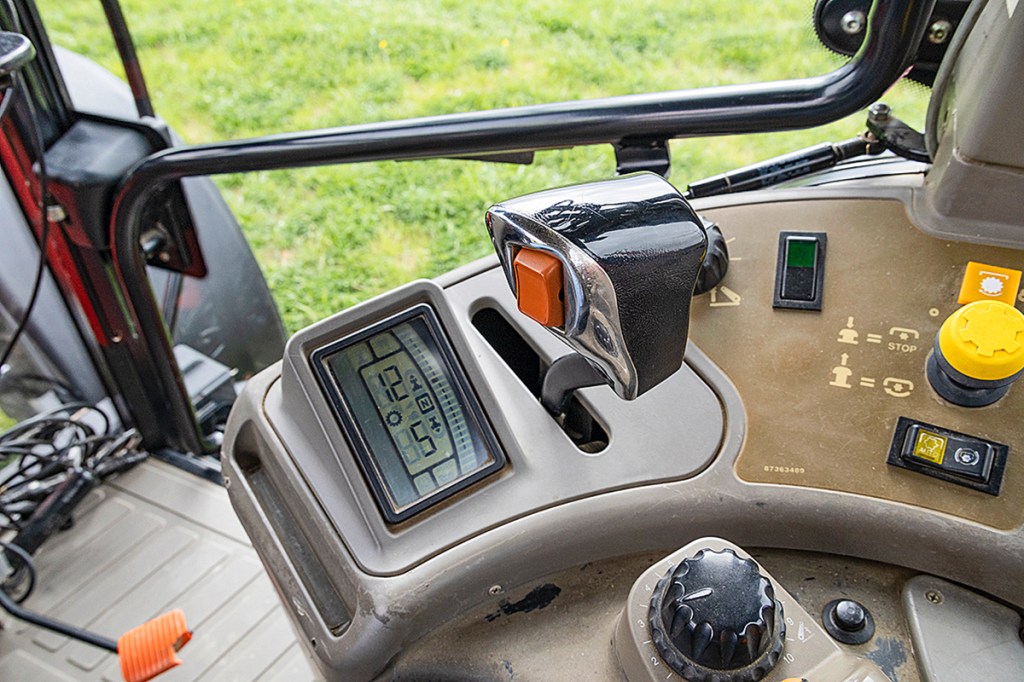
However, the full powershift transmission mainly fitted to the MXM 190 received a rather lukewarm review, mainly due to the fact that you couldn’t skip gears for faster upshifting. The quite complicated automatic shifting failed to win many fans. This is a pity as the boost is only available in auto mode and from the 15th gear onwards.
Summary
The MXM was relatively short lived in the Case IH tractor programme. And, in many areas, MXM sales figures lagged behind their continuously variable CVX alternative — and, as a result, they are a rare find today. For Sebastian Groh, the two MXM 190 Pros have always been affordable, powerful and handy machines.
Lucas Colsman
For more up-to-date farming news click here and subscribe now to profi and save.