
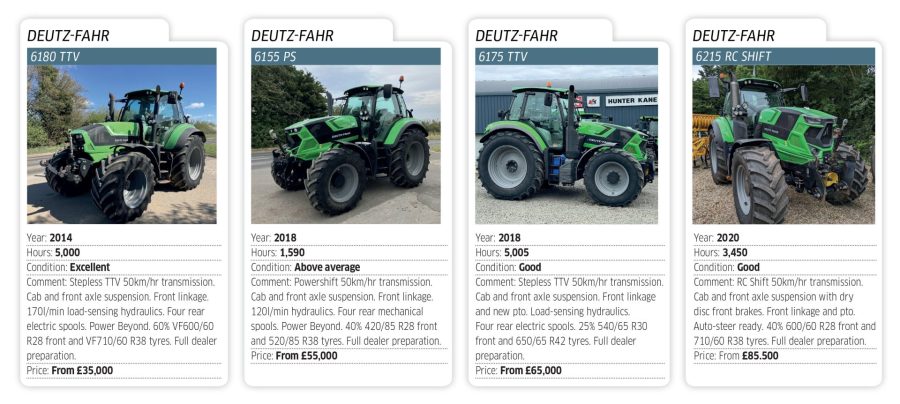
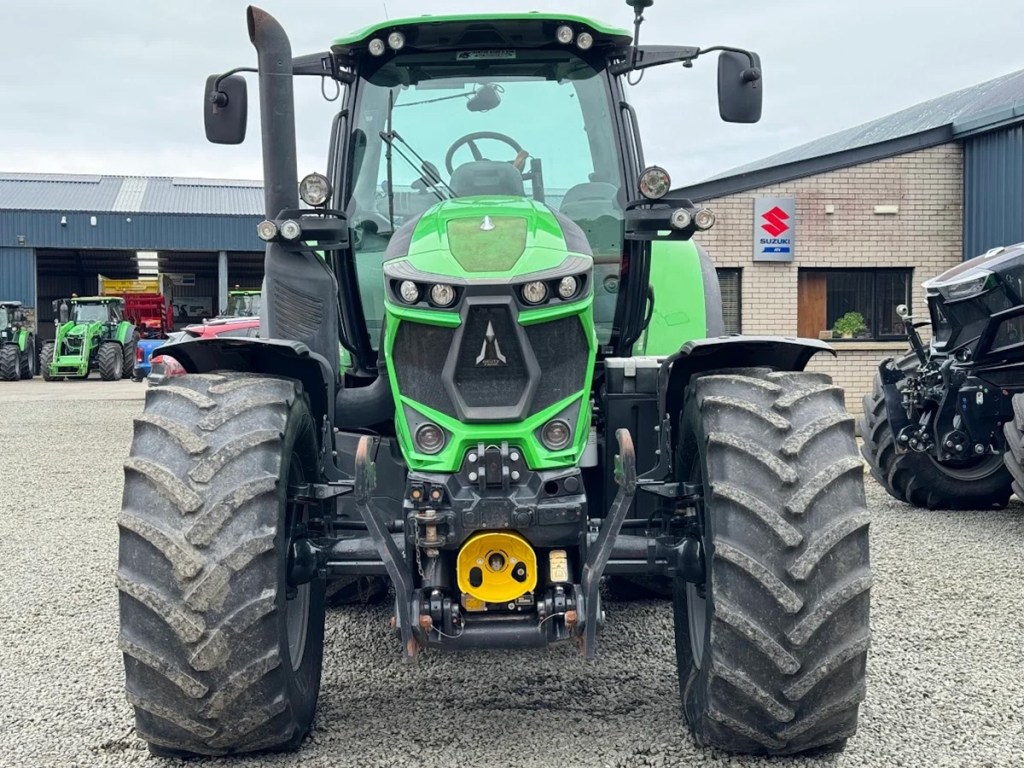
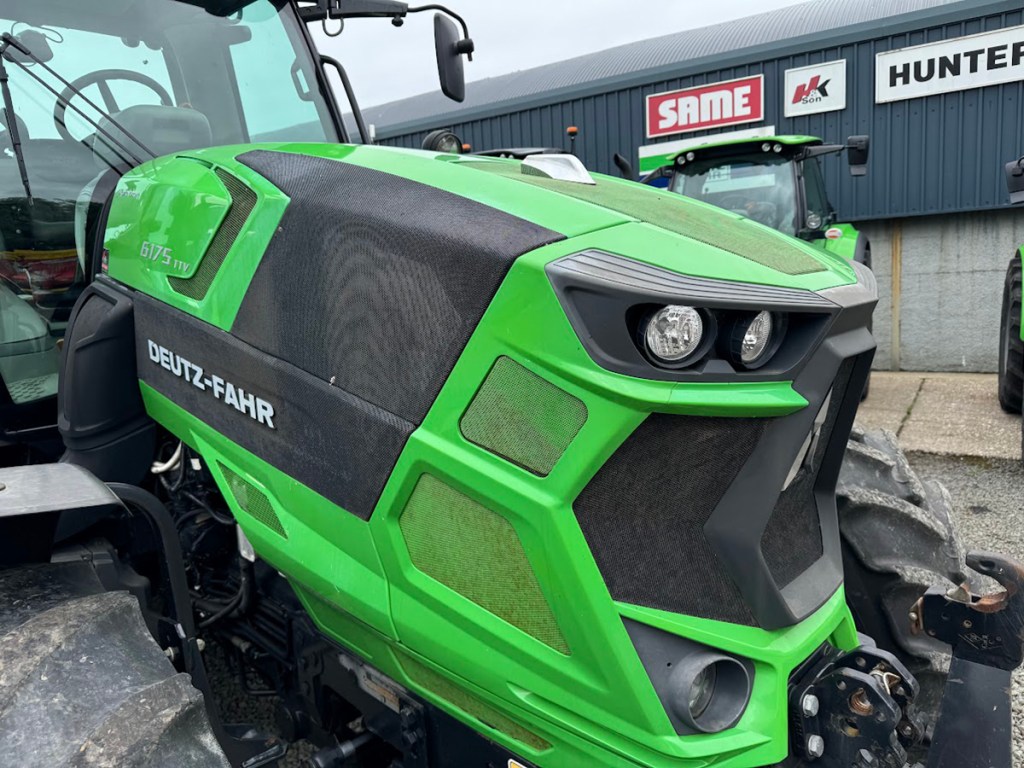
Now in its third generation, the Deutz-Fahr 6 Series tractor range divides into 4.1 litre four- and 6.1 litre six-cylinder models, with the latter the key sellers in the UK. Transmission choices include ‘conventional’ PS or electronically activated RC Shift powershift gearboxes and TTV stepless transmissions. That is the outline. Do you need to delve deeper when looking for a used buy?
KEEPING IT BRIEF
- Six-cylinder model wheelbase is approximately 250mm longer than shorter fours
- Stage IV and V tractors much quieter in the cab
- RC Shift more popular than conventional powershift
- Most models will have a high specification
- 50km/hr transport speed at lower rpm on Stage V models
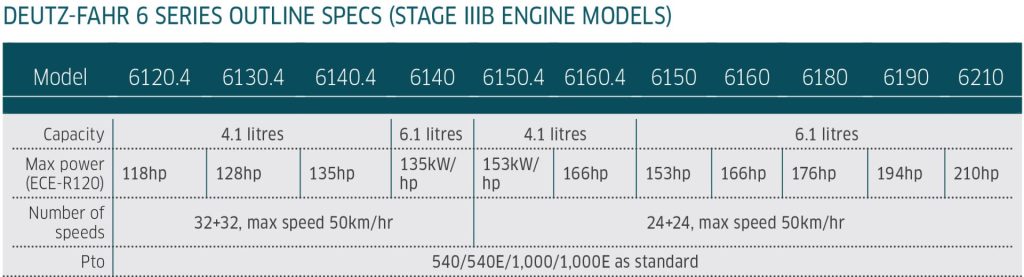
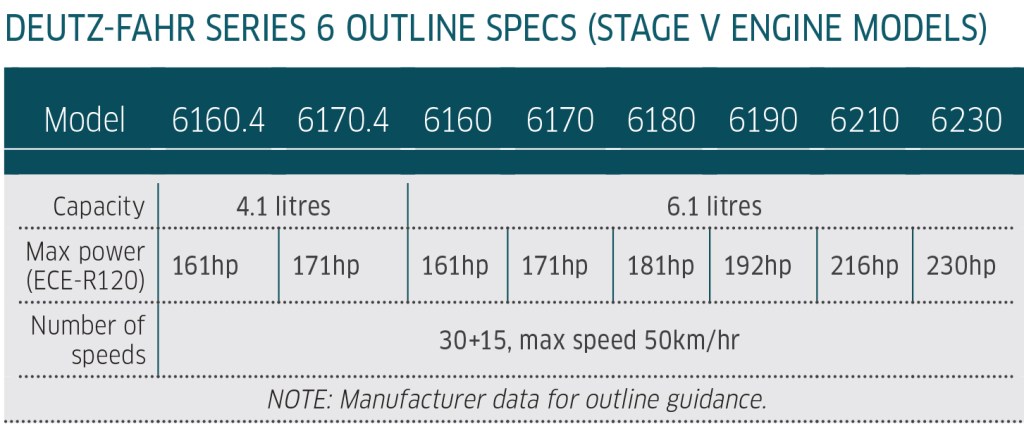
When first doing some research into preparing this article, it all seemed reasonably straightforward. The first generation Stage III B engine Deutz-Fahr 6 Series replaced the six-cylinder Agrotron M range in 2012. By the tail end of 2016, the six-cylinder engines were revised to meet to meet Stage IV Interim emission regulations. These second generation models were then superseded by the current third generation Series 6 Stage V models at the tail end of 2021.

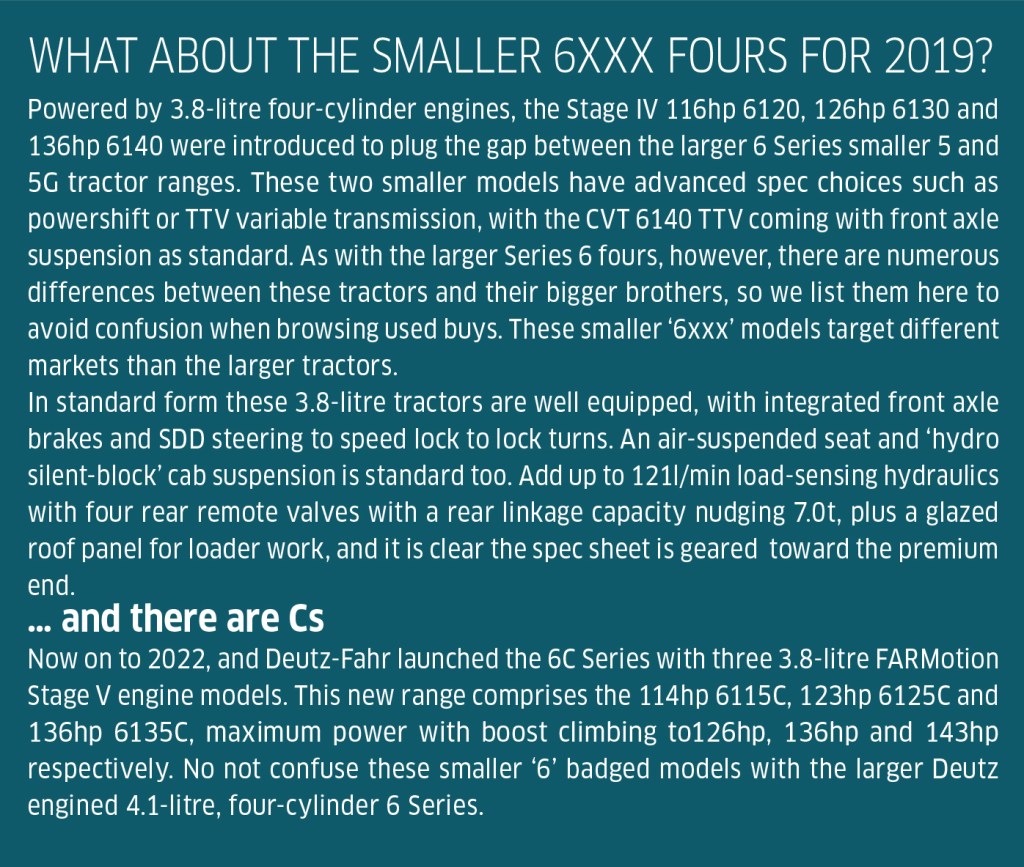
To complete the picture to a degree, there are also the four-cylinder models, enabling the Deutz-Fahr 6 Series and subsequent Stage V Series 6 to span rated power outputs of around 120hp to 230hp. In practice, the smaller four cylinder tractors are not strong sellers in the UK market, with the six-cylinder models the most likely used finds.

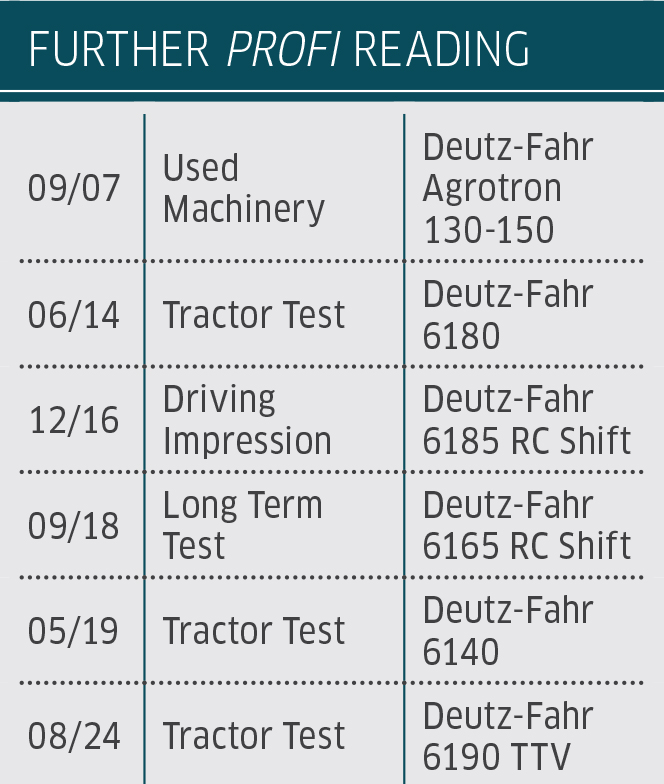
Past profi articles can help you get a wider idea of various models on offer, our in-depth tractor tests delivering a good overview of the 6 Series (see further profi reading). The model development table is a precis of some of the more major developments made to this tractor series over the past decade, but it only outlines key changes and does not reflect a trend toward higher specifications including the likes of auto-steer systems.
Before you look
It does feel more than a little patronising to outline the obvious but here it goes anyway.
- Know your budget and how you will finance your proposed purchase.
- Be realistic with the value of a trade-in. It could be lower than you think.
- The wrong spec does not become the right spec just because the price is right.
- Ask about future maintenance costs and how this relates to your proposed workload.
- Check for a full SDF dealer service history.
- If a dealer knows what you are after, they may be able to help you source the tractor you are after.
A dealer warranty on an older high hour tractor will have its limitations, so be realistic. If you want a longer, manufacturer backed warranty then you will be looking at a younger tractor that may have a portion of its original warranty in place. This may have been extended from standard to an SDF ExtraCare package covering three years/3,000 hours or five years/5,000 hours but ensure this can be transferred and that the remaining balance of the warranty is long enough to be of value. A tractor sitting over winter in a shed will continue to eat into its remaining warranty.
Looking over the tractor, cosmetic appearance is a useful indicator of past care, do not let good looks get in the way of a proper look. Concentrate upon the elements that matter.
Engine
Deutz engines, in both 4.1-litre four-pot and 6.1-litre six-cylinder sizes, have a solid dependability record with the usual caveat that they respond well to clean oil, fuel and air. Tractors fitted with a front linkage may have been used to work a front mower, so ensure there is no evidence of past overheating.


Some models will have a coupling to trailer air brakes that can connect to an air line that can be used to blow the rads clean, a plus if you are going to attach a mower up front, as it makes in-field cleaning easy. A reversible cooling fan is not offered as a factory option. It is well worth folding out the rad pack, checking it is clean right down at the base of each radiator. The liquid in the header tank should be clear and pink in colour. TTV Stage V tractors, incidentally, are fitted with an electronically controlled viscous coupled cooling fan to reduce fuel use.
From Stage IV, the engines need AdBlue, with the dosing system tending to need a routine check. Not a problem area but as the tractor ages the exhaust treatment can need a thorough clean. Look for evidence of additive leaks around the exhaust system and check over the entire exhaust run, looking for cracks and damage. Also check for any signs of oil and coolant leaks.

Pull out the engine oil dipstick and look at the engine oil. If it looks dirty, see if a service is due. Up to gen two Stage IV, the engine service interval is 500 hours. For Stage V models the interval is increased to 1,000 hours or two years. All models should have OEM Deutz-Fahr filters fitted on a dealer serviced tractor, but on Stage V models this is absolutely critical as the filters are purpose developed to match the lengthy service interval. Buying privately? It is not unusual for a user to change fluids themselves but this should not be confused with being a proper service. This entails a lot more including diagnostic checks.

Fuel injectors obviously wear out over time. The aforementioned diagnostic checks should pick up any problems with the injection system but do not be afraid to ask if the injectors have had any attention if you are looking at a tractor with an excess of 5,000 on the clock. Also be aware that shiny new injectors on a non-dealer buy may look impressive but they may not be genuine items. A dealer may be able to have ‘worn’ injectors refurbished to OEM specifications but trying to save money by fitting third party items can lead to problems.
From Stage IV, Deutz-Fahr added a diesel particulate filter, this DPF needing to run at a high temperature to help burn off trapped deposits. During the 500 hour service, a full regen is initiated. If you are looking at used buy outside the SDF dealer network it pays to ensure the filter has been checked.
Transmission
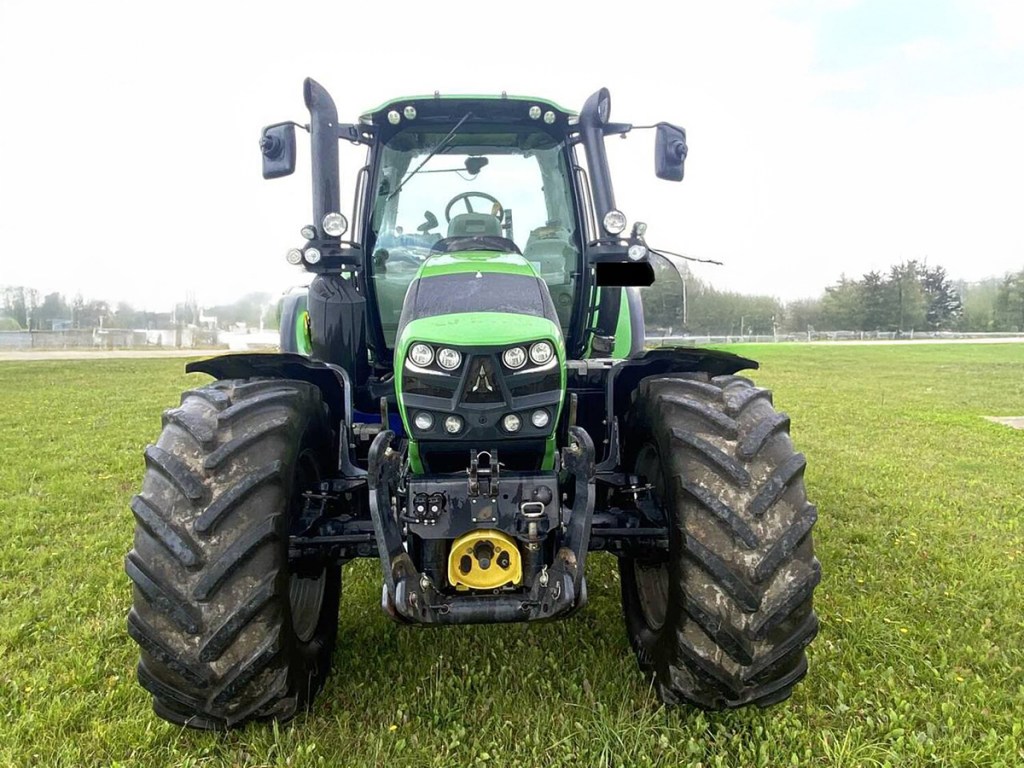
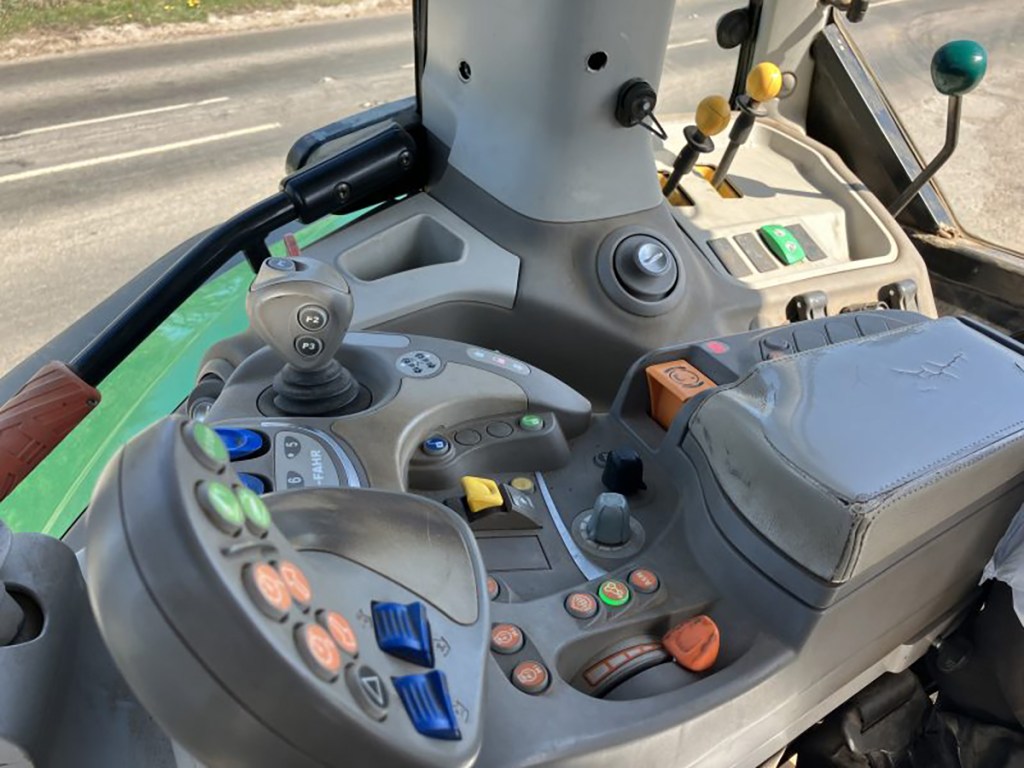
ZF transmissions are used in the powershift and RC Shift variants. For the most part, these units are not known for specific problems but the odd component failing can happen. As a used buyer all you can do is drive the tractor and work your way through all gear and range changes within the transmission. It is important you understand how the transmission operates, incidentally, as the RC Shift operates differently to the powershift, with a joystick style controller like that used in TTV variants.
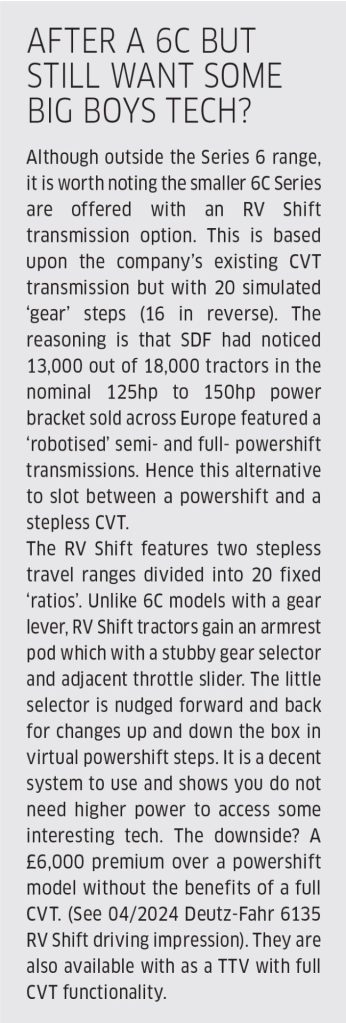
RC Shift has increasingly become a more likely used find than the standard powershift. On gen two and three tractors, there are three main RC Shift operating modes:
- Manual. Here the joystick is nudged to shift between speeds, adding a button press on the rear to swap ranges.
- Semi-auto. This essentially automates powershifts within the selected range
- Full auto. This will swap between ranges.

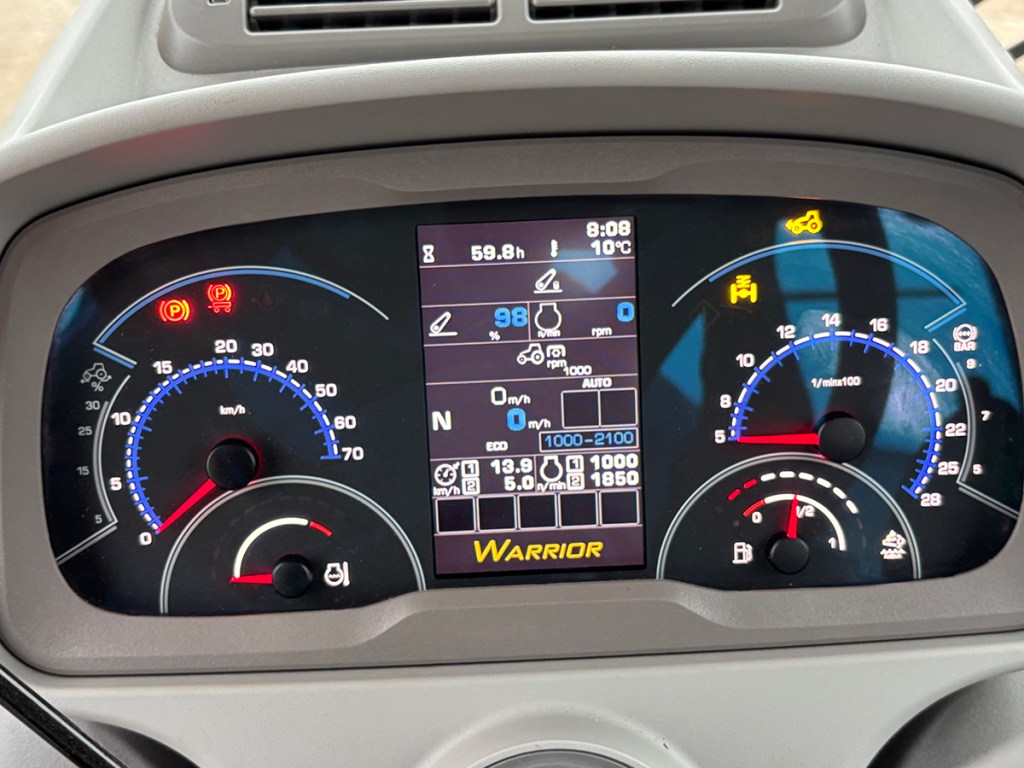
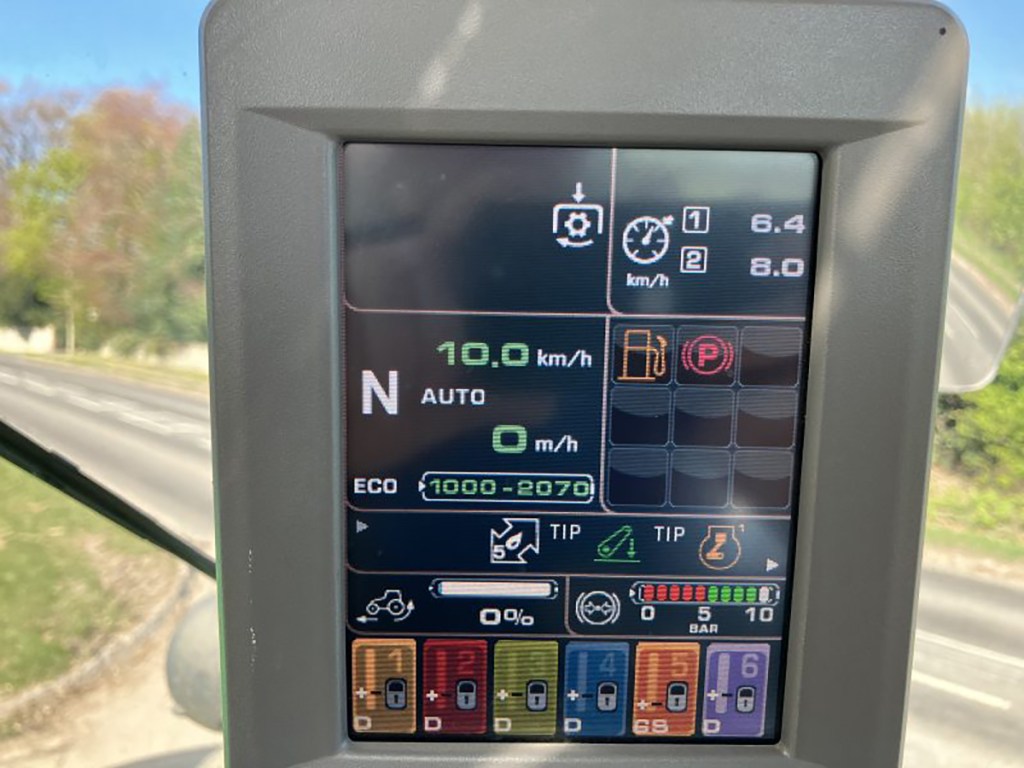
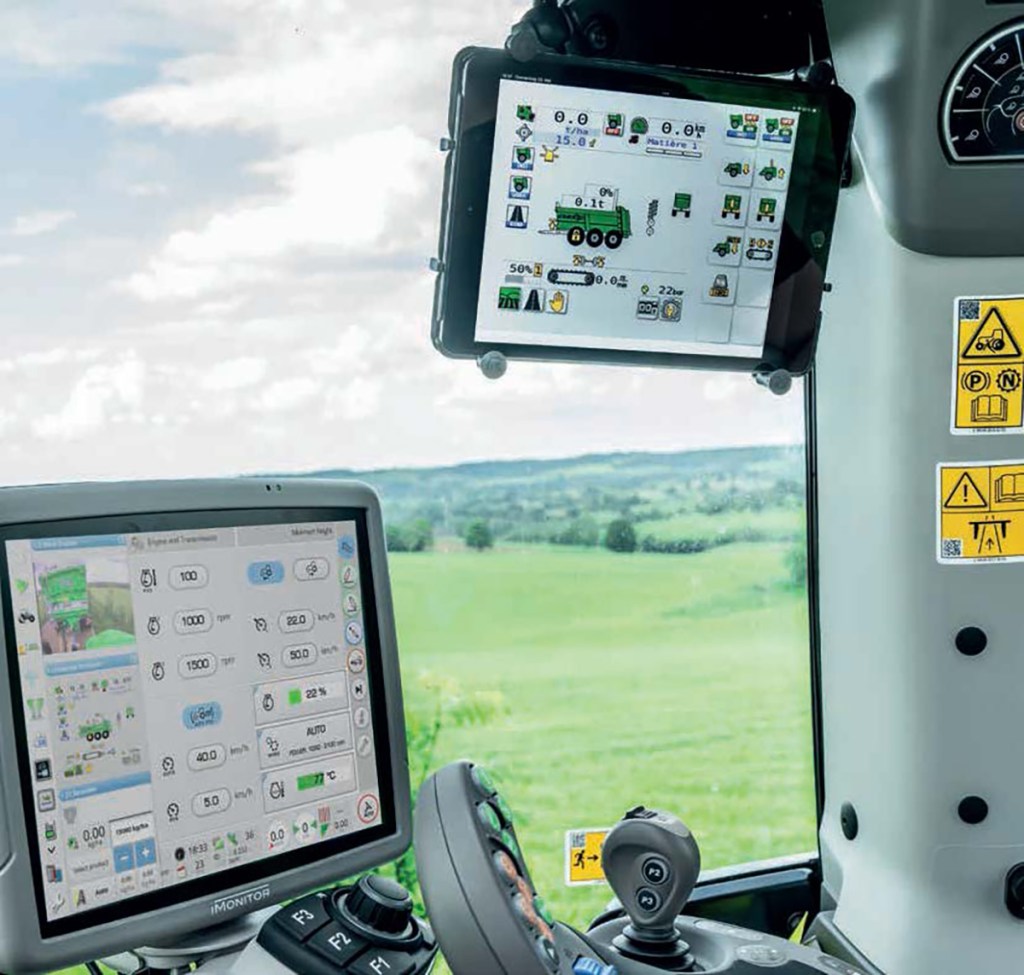
Auto has various settings that can used for transport and field modes. The dash display of the gen two and three models will show the operator what has been selected, the optional IMonitor on the armrest also showing the set-up in a position where it is easier to read.
Also be aware that gen one Stage III B models with the C Shift name have a ZF 7200 series 24×24 transmission, six ranges with four speeds, with a 16×16 creep speed option to bring this up to 40×40 speeds, the latter is not common in the UK. Different 32×32 speed transmissions are used on smaller four-cylinder gen one Stage III B tractors, but these models are a less likely used find. Both gen two Stage IV and current gen three Stage V tractors use the ZF TPT series transmissions in either PS or RC Shift format. These have five as opposed to four ranges with six speeds in each to provide 30 forward and 15 reverse speeds. This will increase to 54×27 speeds if a creeper is installed, the latter standard on all RC Shift versions.
As an aside, engine in Stage III B powershift models runs at around 1,680rpm at 40km/hr. To hit 50km/hr, the engine needs to spin at its maximum 2,100rpm. Stage IV and V RC Shift models can hit 50km/hr at a leisurely 1,447rpm.
The stepless TTV transmission has become increasingly popular over the past few years but in the used market there will be a good mix of these and RC Shift variants. As with the ‘mechanical’ transmissions, the TTV variants are again not known for any common problems, but the transmissions have developed along with the software that controls them. There is nothing wrong with the design used in a gen one tractor, but the transmission has evolved. The TTV transmission is operated using essentially the same joystick control system as the RC Shift models.
Are there any ‘watch out for this’ points with the TTV? If there are we have not had any brought to our attention. The consensus is these CVTs are hard to ‘abuse’ and, as long as service intervals of 1,000 hours have been strictly adhered to, should not be a concern even of a tractor showing 5,000hours plus. It is best to talk through any concerns you may have with a Deutz-Fahr dealer.
Axles
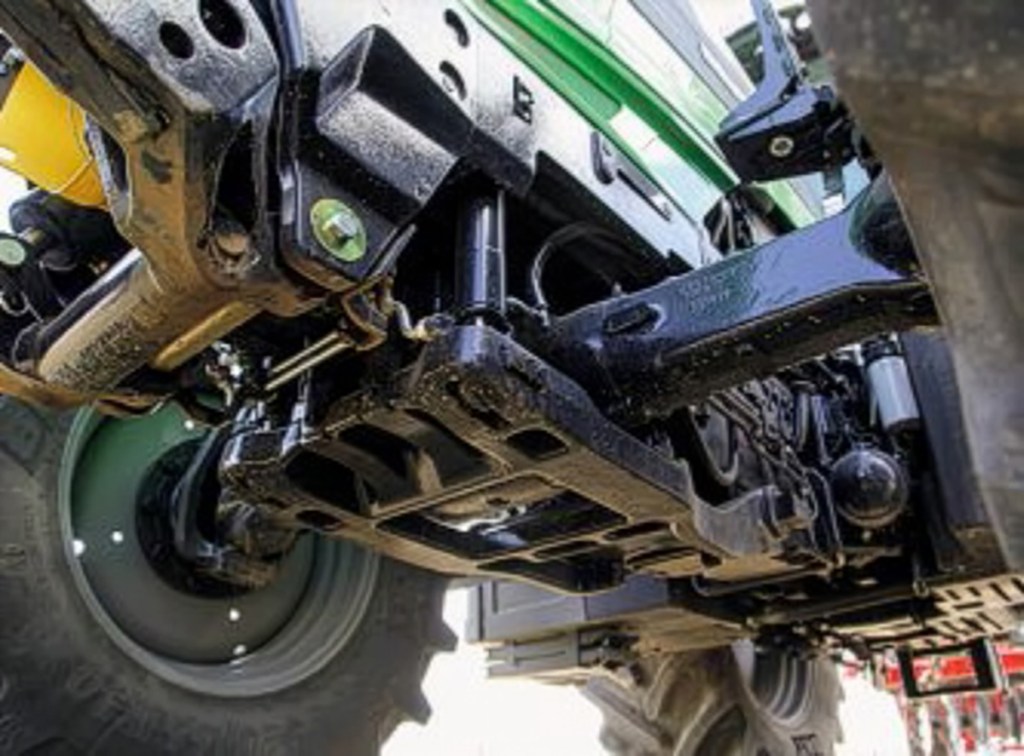
The Dana suspended front axles on gen one tractors have less travel than the later models. The latter ride better, particularly at higher transport speeds. It is easy to spot the difference, the suspension rams on later gen two and three models mounting ahead of the axle. Front axle brakes and suspension are pretty much a default fit but always check as both rigid and unbraked axles are available.
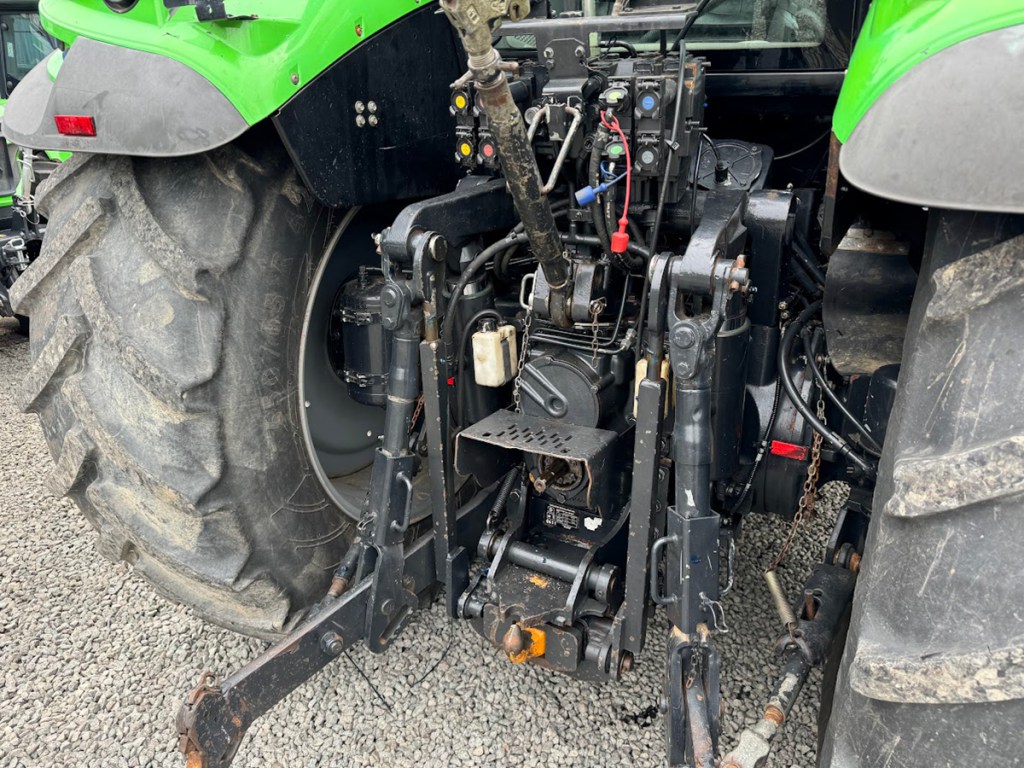
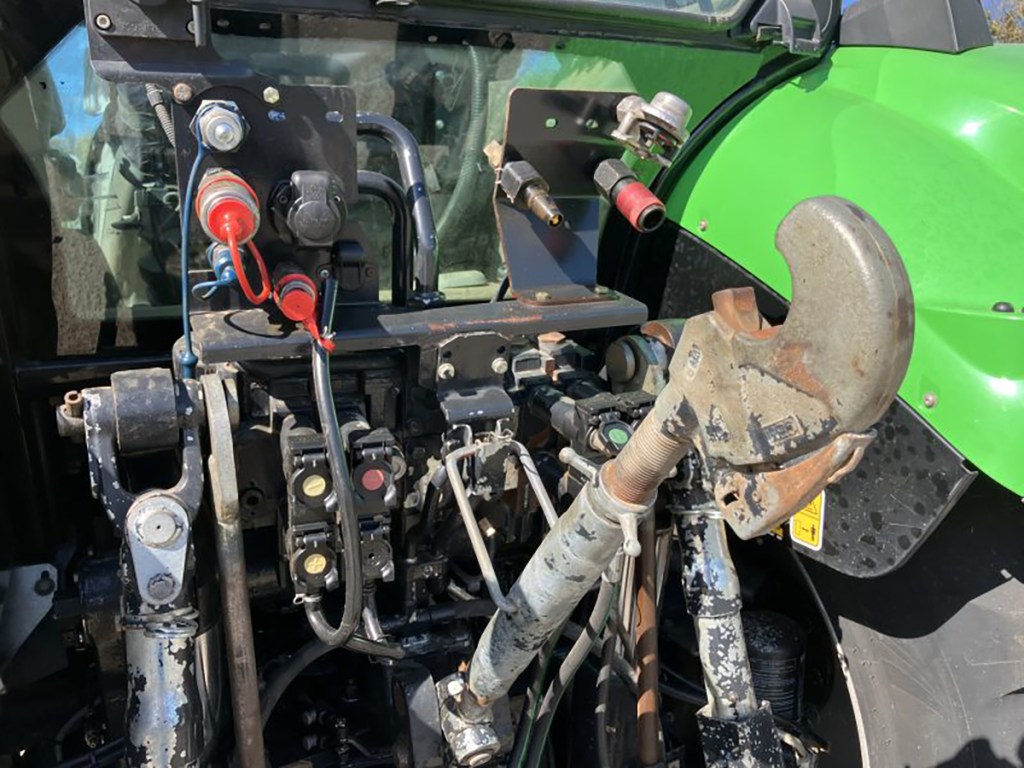
Key wear points are essentially anything that moves and pivots, with the suspension rams needing to be checked for weeping seals. A good test is to travel down a bumpy stretch of road or field, listening out for clonks. Steering play can be picked up by looking for movement in the track rods.
The locking front differentials engage electronically. A simple check is to do a full lock turn with the diff disengaged, and then repeating the exercise with it locked and noting the increase in tyre scrub you would expect. With the locked disengaged, straighten the steering and do a further lock to lock turn to ensure the diff releases.
The axle hubs should show no evidence of leaks. The oil in the hubs and axles should be changed when the tractor is serviced. On a high hour used buy, ensure the axle brakes have been checked over. A potential 50km/hr top speed puts a fair amount of stress on the system if used to pin down the tractor from speed in a hurry.
Deutz-Fahr produces its own rear axles and these are said to be not known for problems.
Cab and controls
Structurally, the cab of gen one models is pretty much the same as the Agrotron M. It offers good visibility and decent levels of comfort. Downsides are noise levels, which came in at a vocal 76dB(A) in our tests with less than stellar cooling output from the air conditioning system. There is no climate control on these earlier tractors. Stage IV tractors get a cab upgrade to MaxiVision2. The earlier version of this was fitted to previous TTV models. The key change from gen one is the introduction of a space between the cab and the rear of the bonnet. This makes a big difference to noise levels in the cab. The air conditioning received a boost to make it more effective.


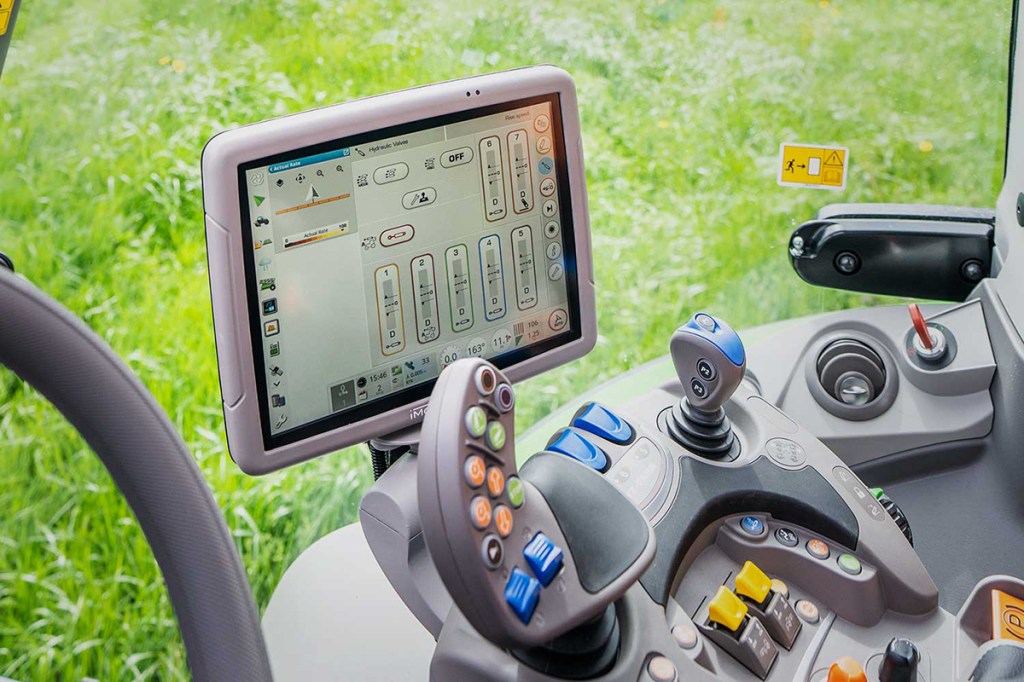
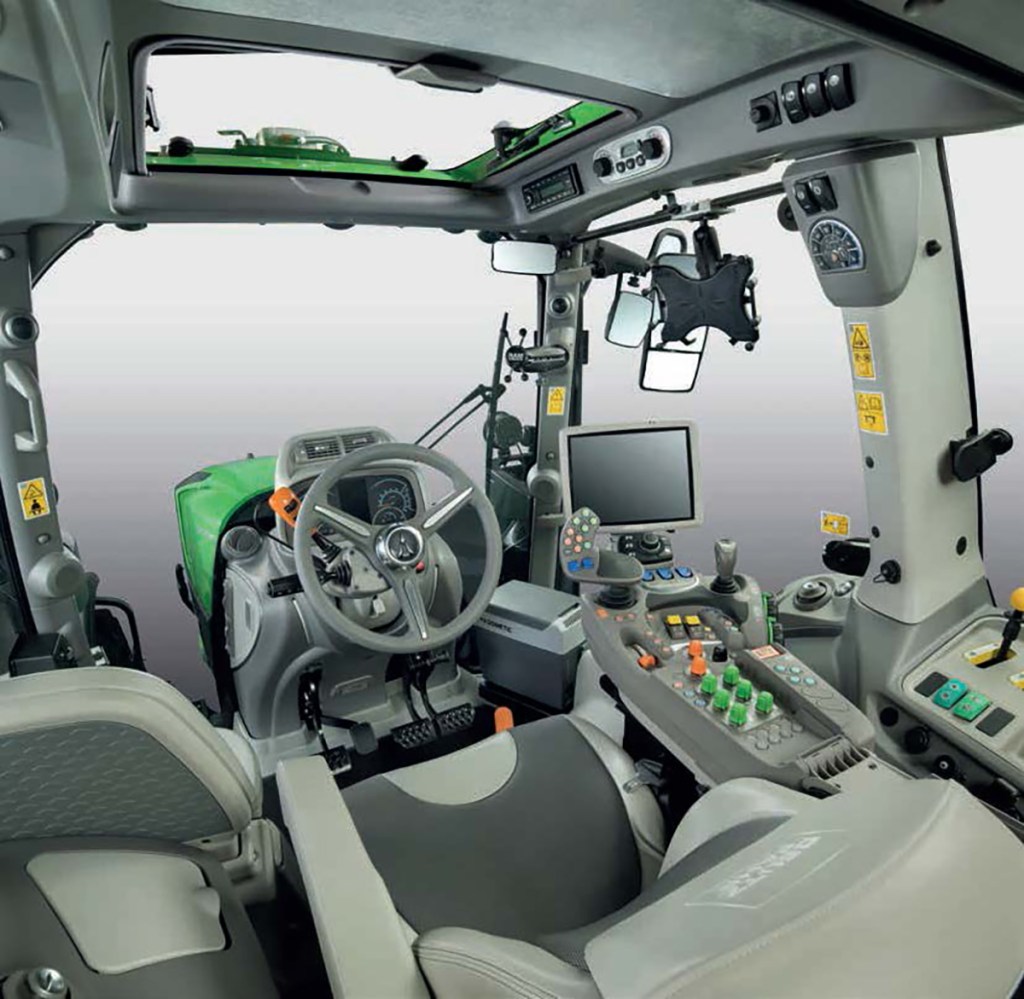
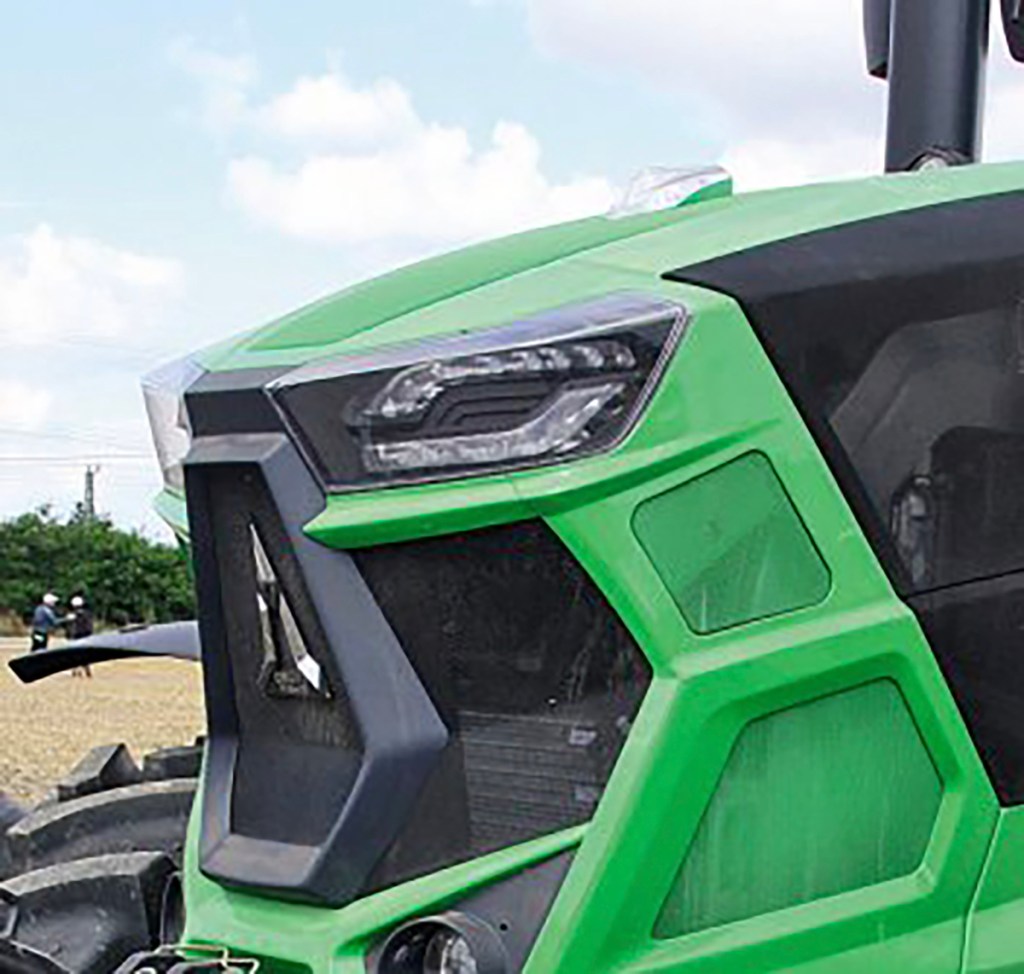
Come Stage V and these gen three models are offered with MaxiVision cabs in standard, + and Pro variants. In very broad outline, the standard cab will have all mechanical valves, the + getting two mechanical and two electrically controlled valves with Pro variants all-electric. There is more to it than that, with various glazed and roof hatch options. As a used buyer, you get what is offered. More recent tractors tend to have enhancements like an ISObus compatible terminal and be guidance ready. The same will apply to lighting packages, with LED lights in place of halogen on later tractors from around 2016. Halogen lights are fitted to some of the latest tractors as standard so you will have to just check what is fitted.

Prices and availability
Deutz-Fahr is among the smaller players in terms of sales in the UK and Ireland. As a sweeping generalisation, a 6 Series or Series 6 of any vintage can make a decent used buy, four-cylinder models typically being harder to find. Pricing is also a bit harder because these are ‘premium’ quality models that will have sold new with a high ‘basic’ specification. You also need to consider a tractors condition and past care, as is the case with any make of model. If one of these models piques your interest it is well worth getting in touch with your local Deutz dealer to find out what is on offer.
Summary
In the not so dim and distant past, a used machinery article would try and outline key areas where problems could arise and what to look out for. To suggest tractors of all makes and model are now trouble free is of course not the case. It is just now it is less likely for there to be known multiple weak spots that have not been resolved by developments by the manufacturer.
This does not mean you can drop guard and buy a used Deutz-Fahr 6 Series with your eyes closed. Even an early buy with a fair number of hours on the clock will represent a hefty investment. In some ways, the reduced number of models on the used market can work to your advantage. With less choice you can home in on a likely buy and typically find Deutz-Fahr dealers will know a great deal about the tractor and its former keeper.
James de Havilland
For more up-to-date farming news click here and subscribe now to profi and save.