
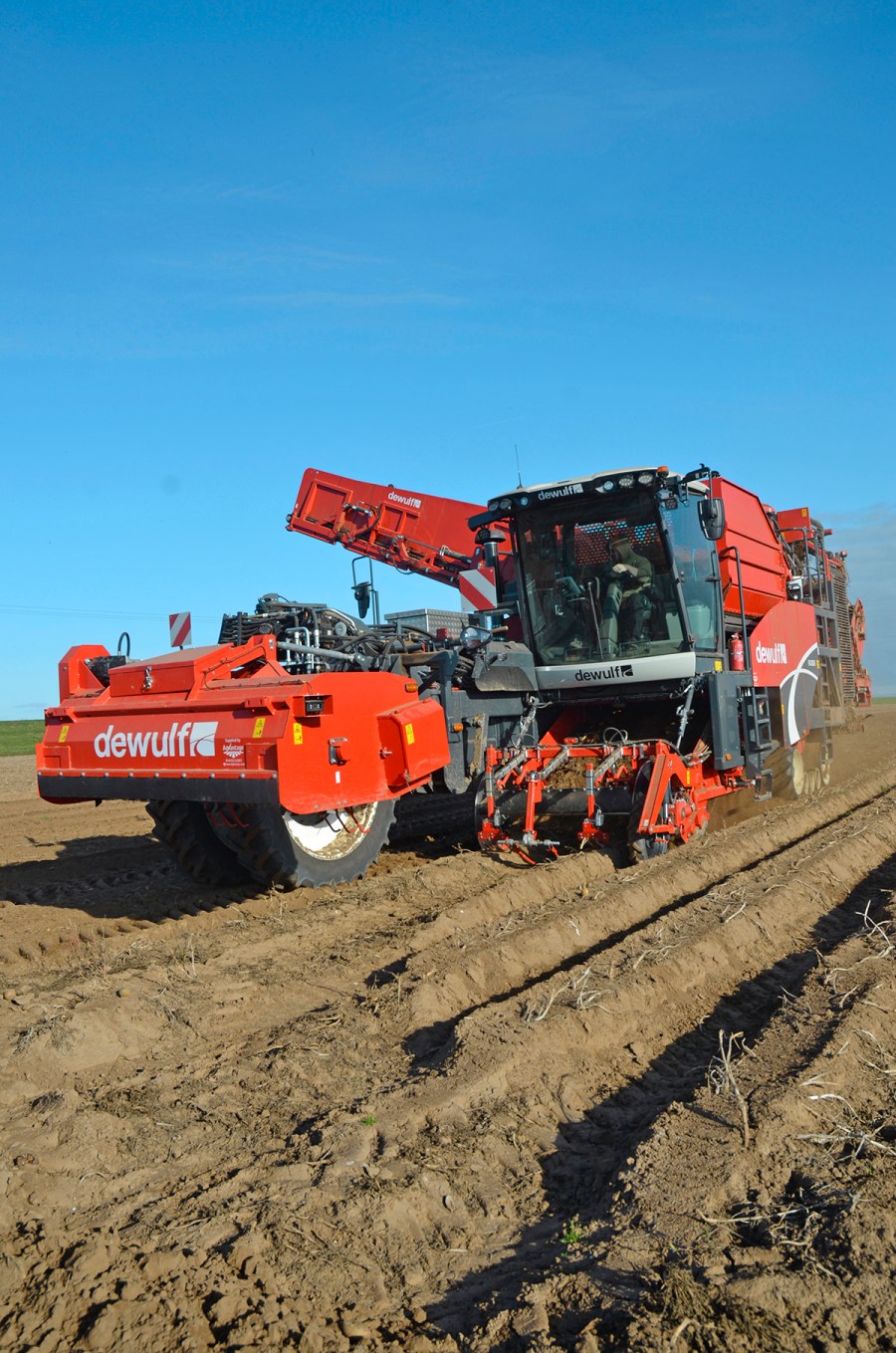
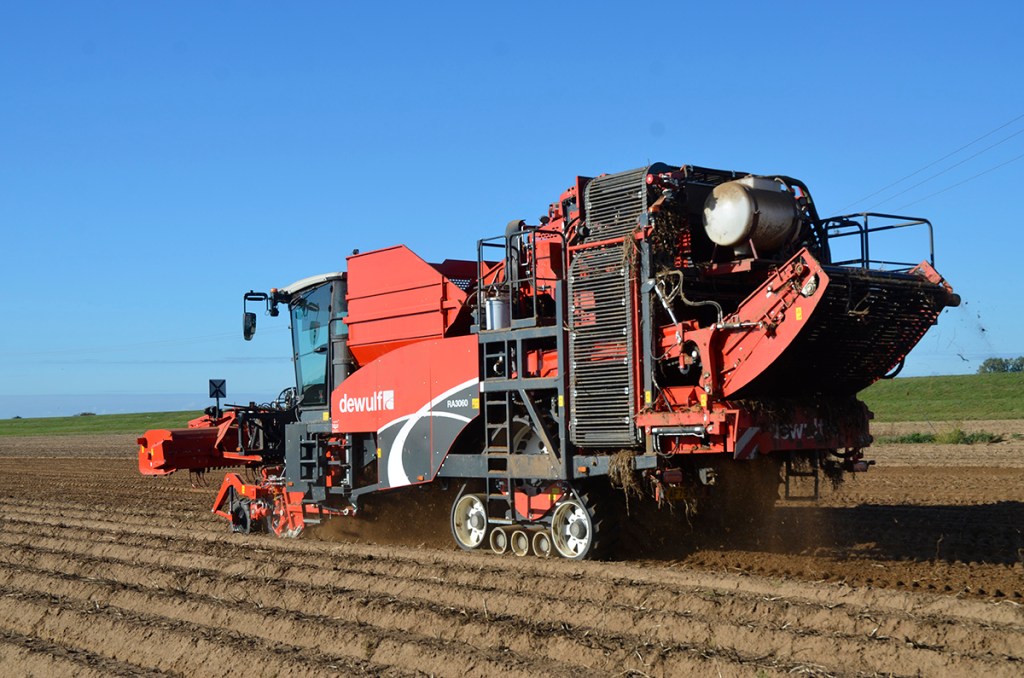
George Hay & Sons potatoes were lifted by a new facelifted version of the second generation Dewulf RA3060. We caught up with the three-wheeled self-propelled as it wrapped up harvest.
KEEPING IT BRIEF
- Lincolnshire potato growers George Hay & Sons update the harvester every five years.
- First season with one of the first new style RA3060s in the UK.
Located near Spalding, in South Lincolnshire, the 668ha farm grows wheat (182ha), vegetables (161ha), and sugar beet beet (115ha). Other crops include onions and celeriac, with some land rented out for daffodils. The potato area was down from 120ha in 2024 to 93ha last season, but the crop remains an important part of the rotation.
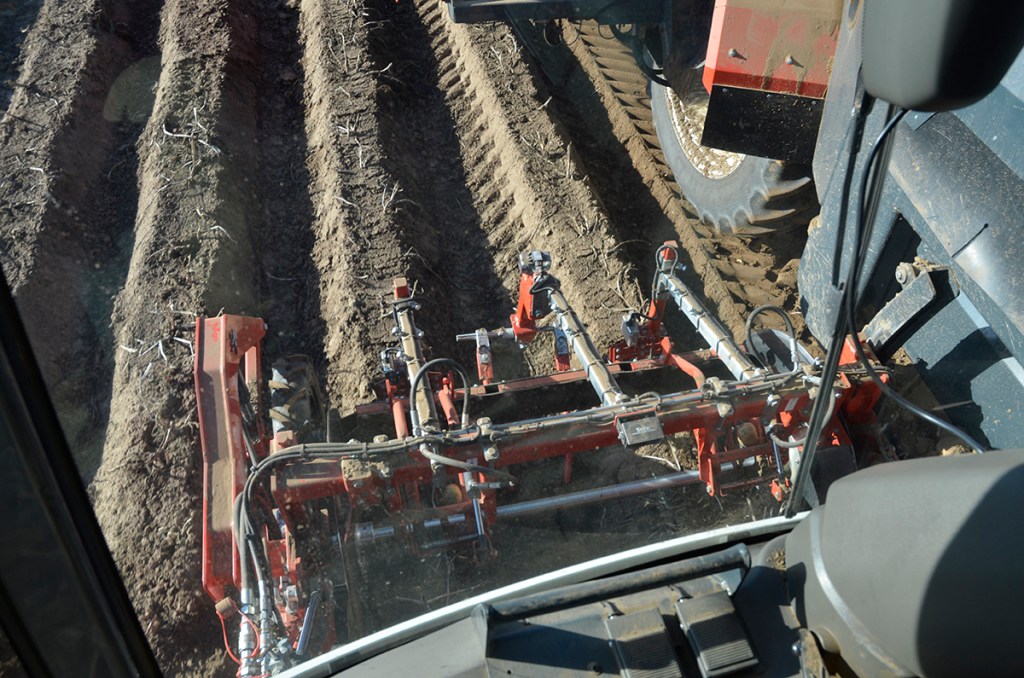
Logistic efficiency
Turning the clock back 20 years, like many other farms up and down the country, the business relied on a trailed two-row harvester. With land spread over a four-mile radius, the farthest fields tied up four staff – the harvester operator and three tractors and trailers. Keen to change this, Alexander and his son Charles Hay looked at self-propelled machines from AVR, Dewulf and Grimme. In the end, they concluded that the all-hydraulically driven Dewulf RA3060 ticked all the right boxes, and the first one was delivered in 2006. Updated every five years since, the farm took delivery of its fourth Dewulf harvester last season.
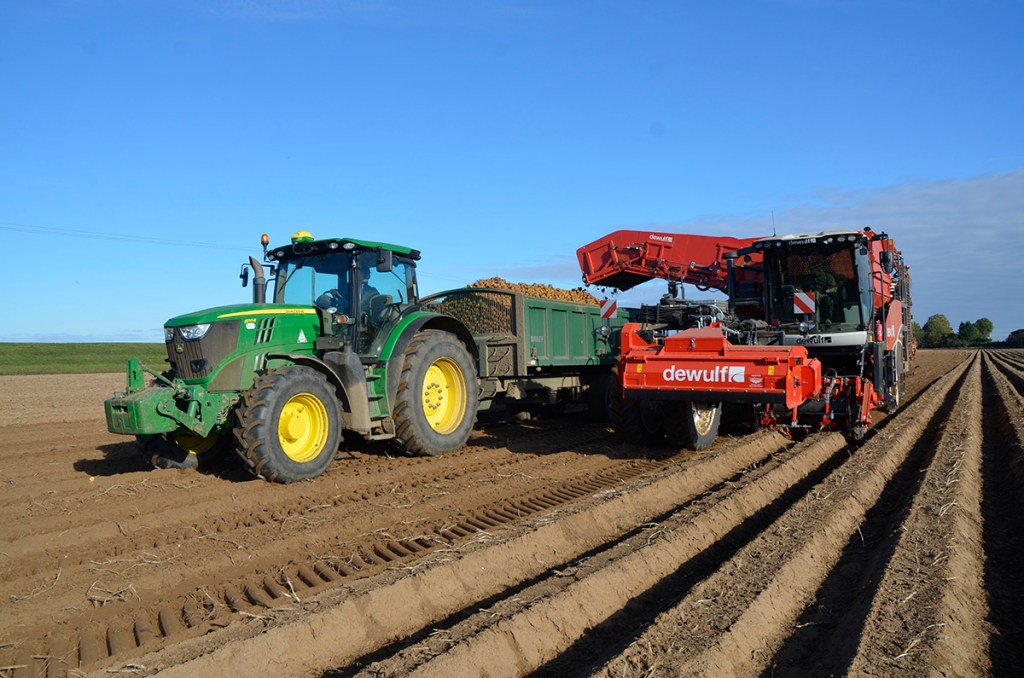
As expected, one tractor and trailer were sufficient to keep pace in fields close to the farm, with a second one needed for others. “Swapping the trailed elevator machine for a self-propelled bunker harvester allows us to lift 85% of the crop with just two men,” says farm manager David Allwood. “This reduces both labour and diesel costs.”
Dewulf harvesting
It is 36 years since the Belgian manufacturer launched the two-row R3000 in 1989. The first self-propelled three-wheeled offset potato harvester with gooseneck steering was followed by the R3000S in 1994, R3000 Mega in 1999, R3060 generation one in 2006 and second generation R3060 in 2014. This latter machine was upgraded with a new engine and HD cameras in 2020.
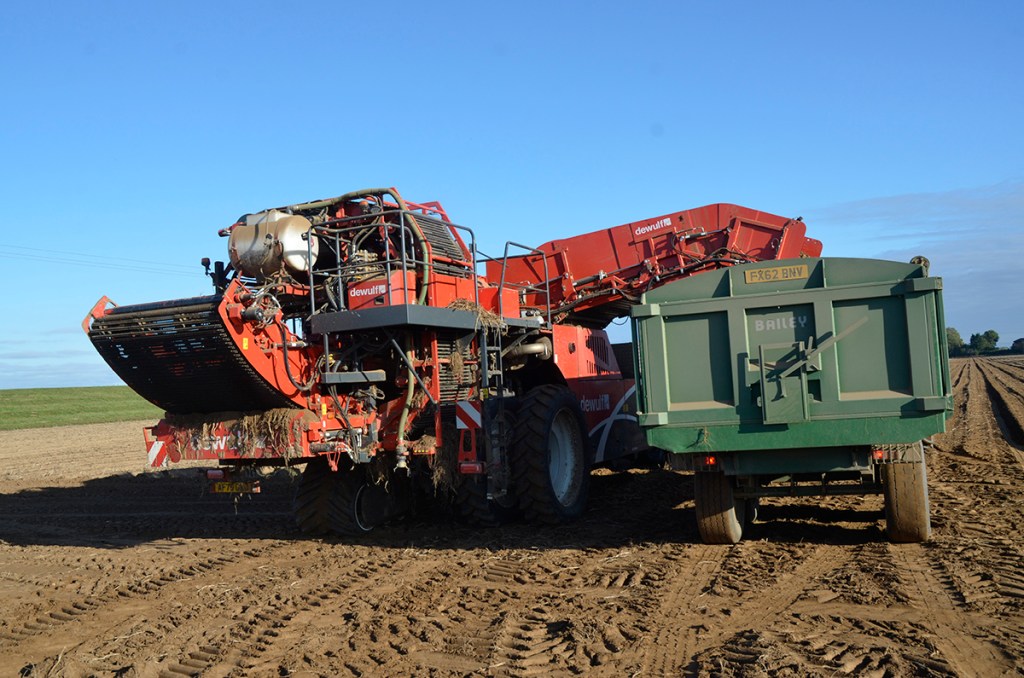
Previewed at the Belgian Interpom potato show in November 2024, George Hay & Sons has one of a handful of the latest variant of the RA3060 in the UK. It was supplied by AgVantage, which took over from Niagri Engineering as the official Dewulf importer for the UK and Ireland at the end of 2020.
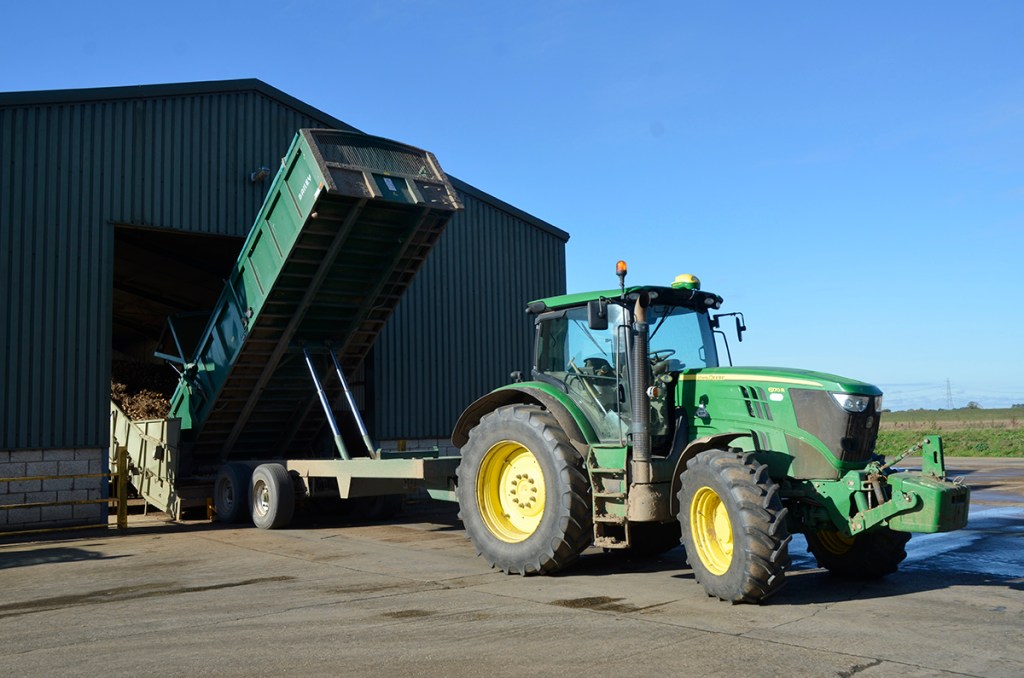
With a location in Cambs and Yorks and a service partner in Herefordshire, AgVantage, which is owned by Andy Carse and Dewulf Group, offers three versions of the harvester: the RA3060 with three sieving webs/one haulm roller, or, four sieving webs/two haulm rollers), and the RCA3060 (three sieving webs plus one closed). George Hay has the first.
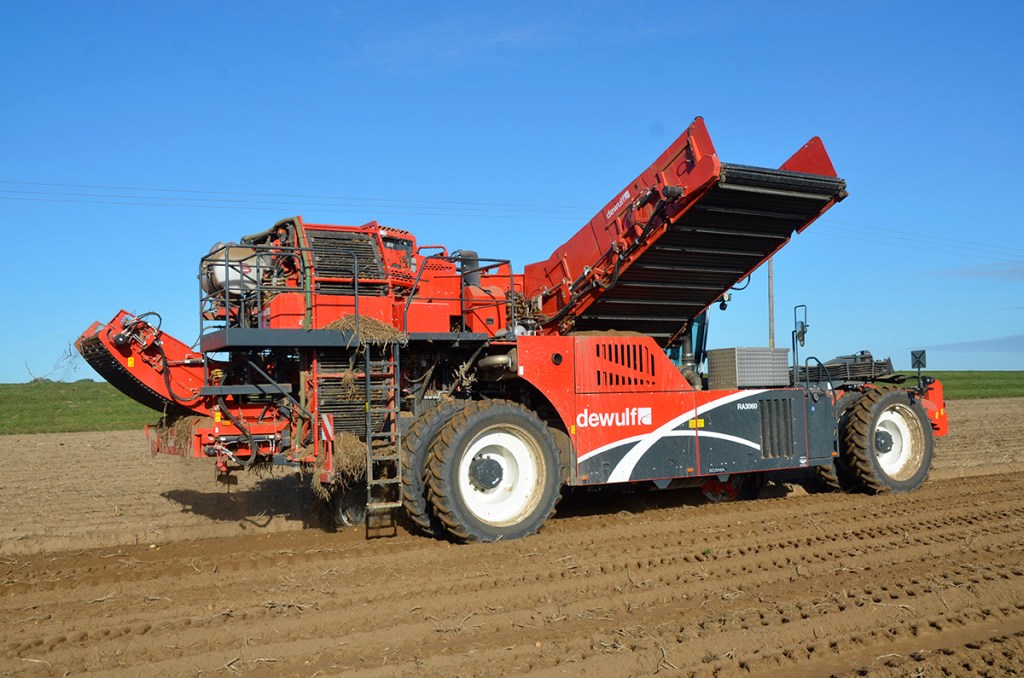
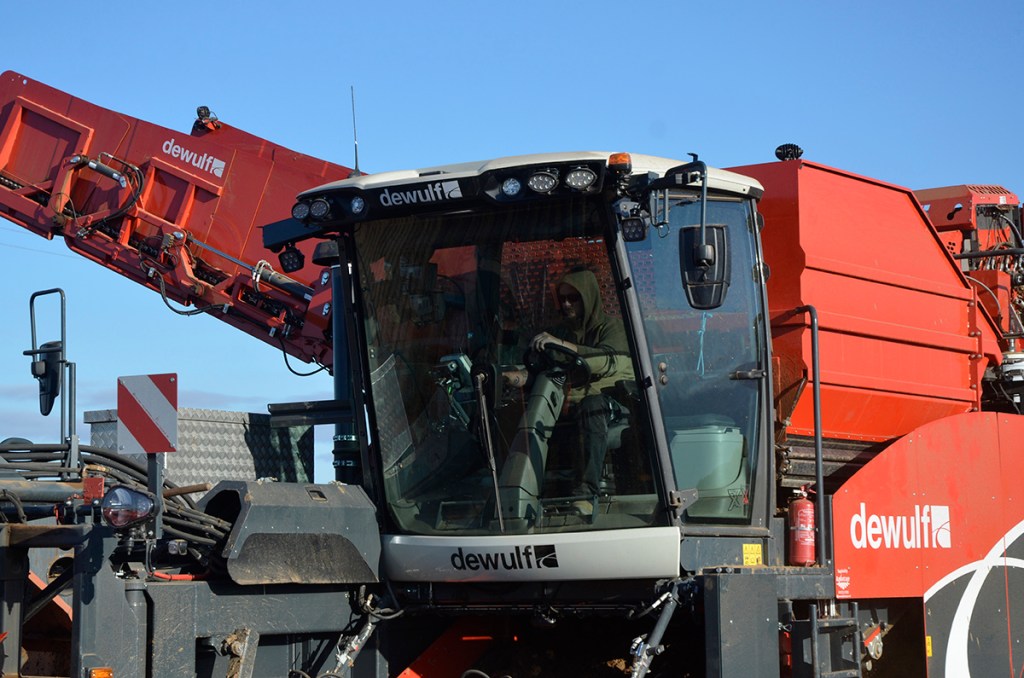
There are no changes in the engine department, with power coming from the tried and trusted 350hp Scania Stage V block. Aside from the new-look exterior, one of the main updates is the latest Claas X11 cab and longer hedgehog belt.
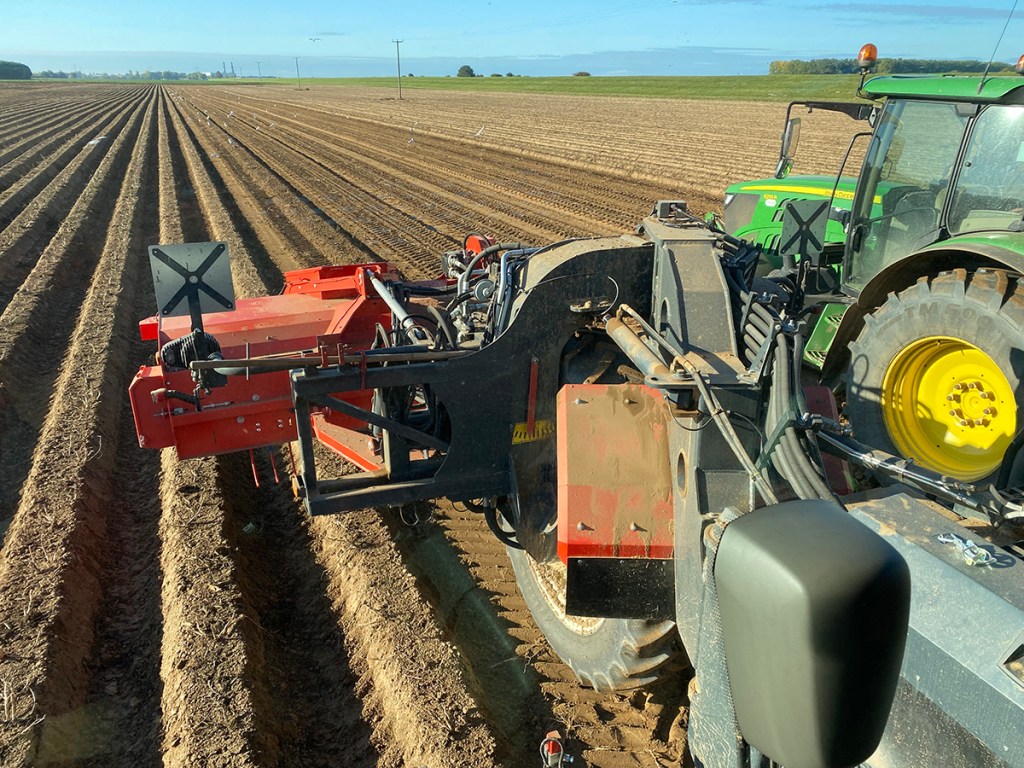
First spuds
Having previously spent many hours on a Fendt 942 Vario on a large arable farm, the RA3060 is the first potato harvester for operator Dan, who joined George Hay & Sons last summer.
When Dewulf developed the latest version of the harvester, engineers were charged with making the new touchscreen and user interface more intuitive. They appear to have succeeded because Dan likes the format. “It shows all the speeds and settings and is very easy to navigate,” he said.
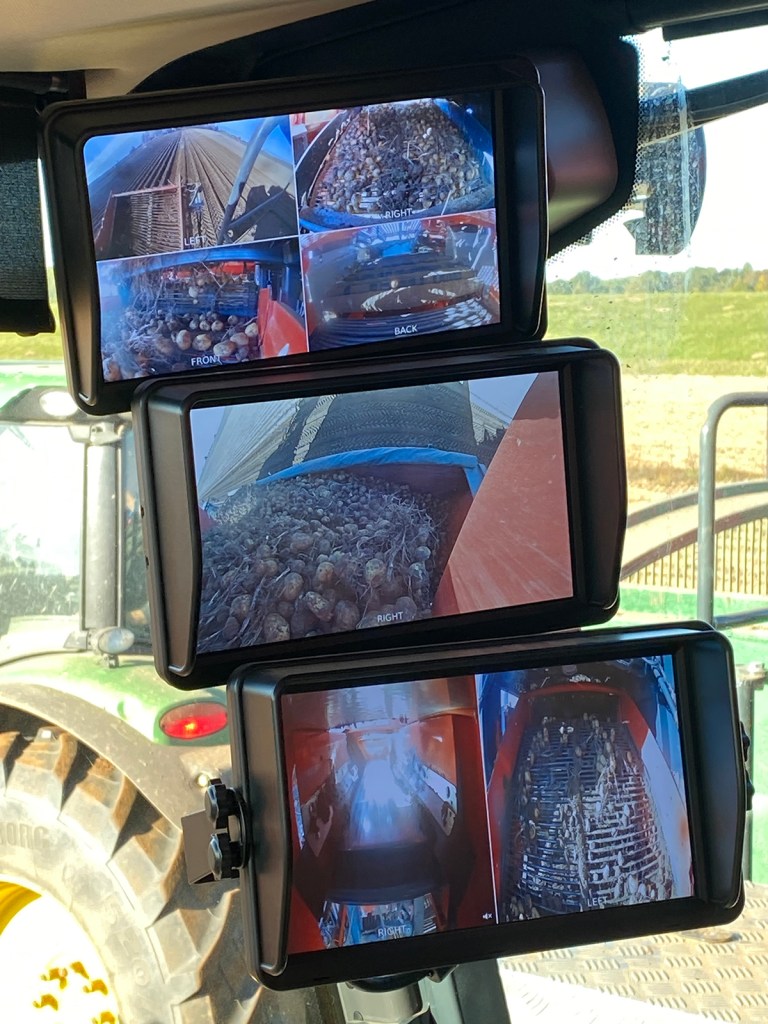
Images from up to 10 cameras can be displayed on three screens on the A-post, allowing him to follow the product flow, with the wide-angle cameras at the rear and top of the bunker discharge elevator providing him with a bird’s eye view of the proceedings.
The new camera system gives the operator more control over the quality of the harvesting process, and while he is still getting to grips with it, Dan likes the slow-motion mode. Remote view allows the harvester to be monitored live and adjustments to the settings made from another device.
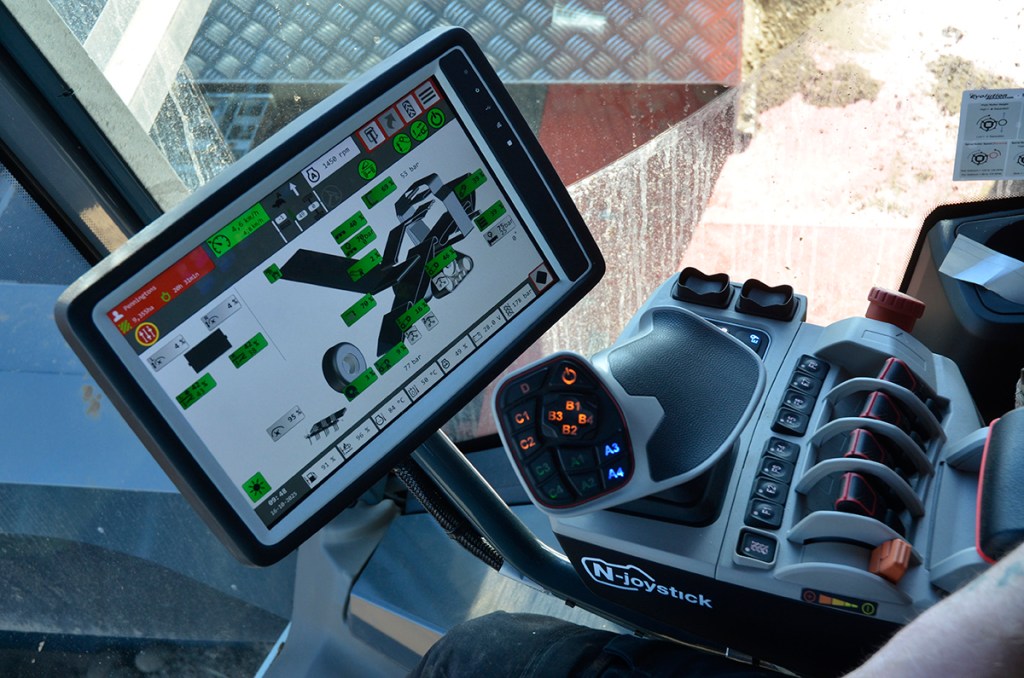
Dan is also impressed by the level of on-screen information. A spot check showed that it had lifted 9.5ha in 17.5 hours, using 473 litres of fuel (27l/hr). Average fuel consumption for the 2025 season was around 25l/hr.
On the ground
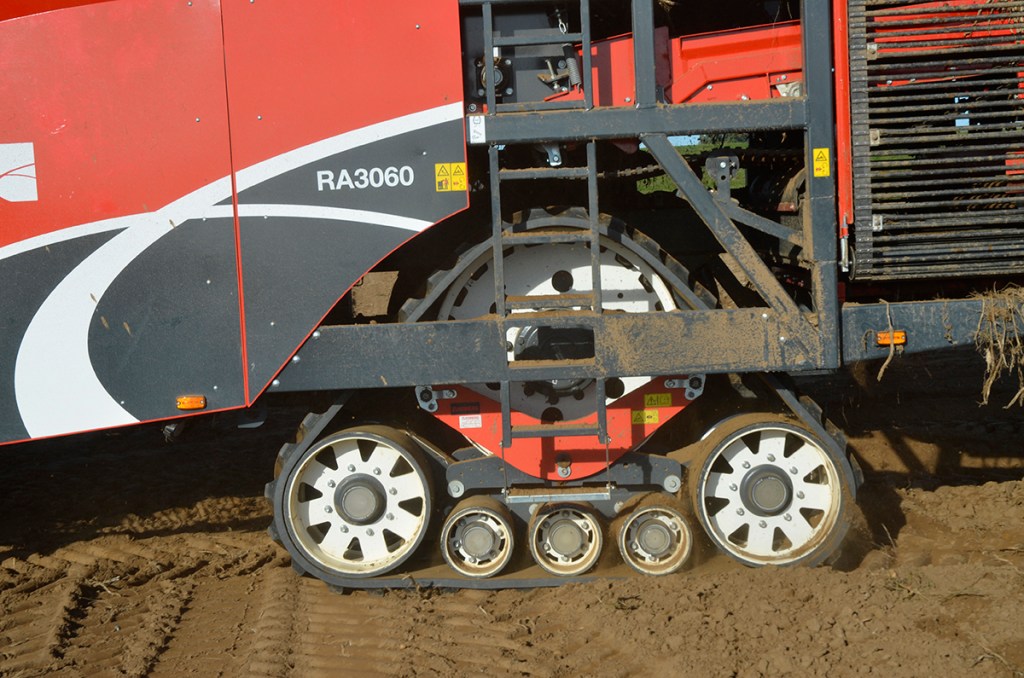
The standard twin Mitas tyres are of the size 380/90 R46 (front) and twin 380/90 R46 (right rear) and Michelin 1000/50 R25 (left rear). Although George Hay’s machine has the rubber track option, this can easily be changed for a wheel.
“Many customers run a wheel until they really need to fit a track, then just swap it over,” says AgVantage managing director, Andy Carse “This greatly reduces running costs as you are not using a track unit when it isn’t needed.”
Having this on one side of the harvester reduces compaction near the still to be lifted row and the heavier drive unit is useful when travelling across the field. “Wheels have the tendency to bounce, while tracks help to keep the harvester level,” says David.
Dan is less impressed with the rubber track on the road which slows the maximum speed to 25km/hr. Most of the land is located around the farm so fortunately the harvester spends more time in the field than on the road.
The Dahlman rollers can be easily swapped for a transfer web. “This helps to reduce damage in the dry conditions,” says David. “We will put the rollers back in again if it turns wet. We have different webs for different conditions. It only takes 20 minutes to change with a telehandler.”
Steven Vale
For more up-to-date farming news click here and subscribe now to profi and save.