
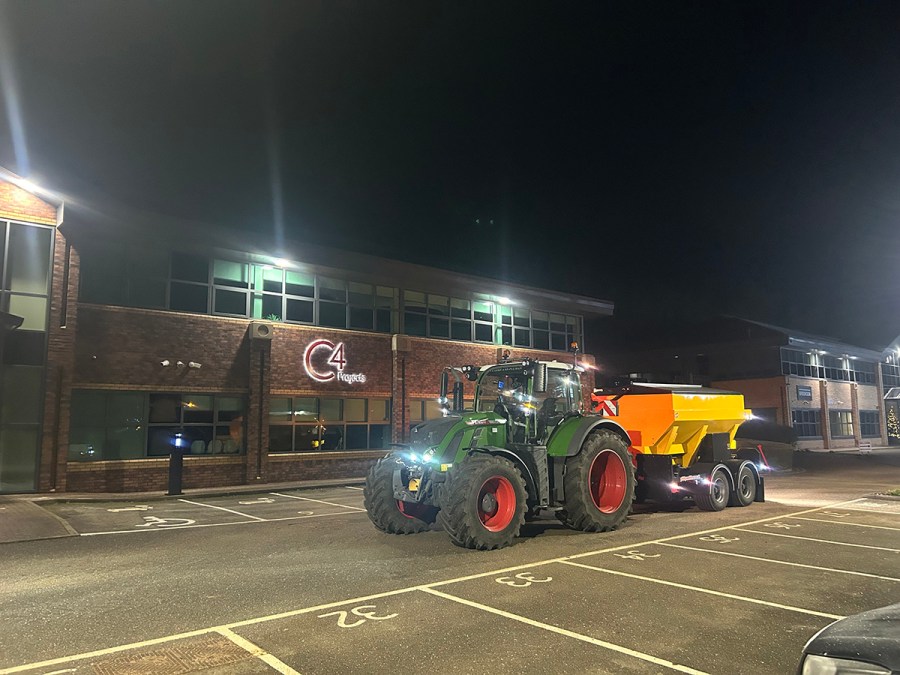
Tractors and purpose-converted gritters have become the mainstay of Ed Dawson’s diversified contracting business.
Contracting is all about delivering the results, and while continuing to expand and develop his Dawson Gritting business this is very much at the forefront of Ed Dawson’s mind.
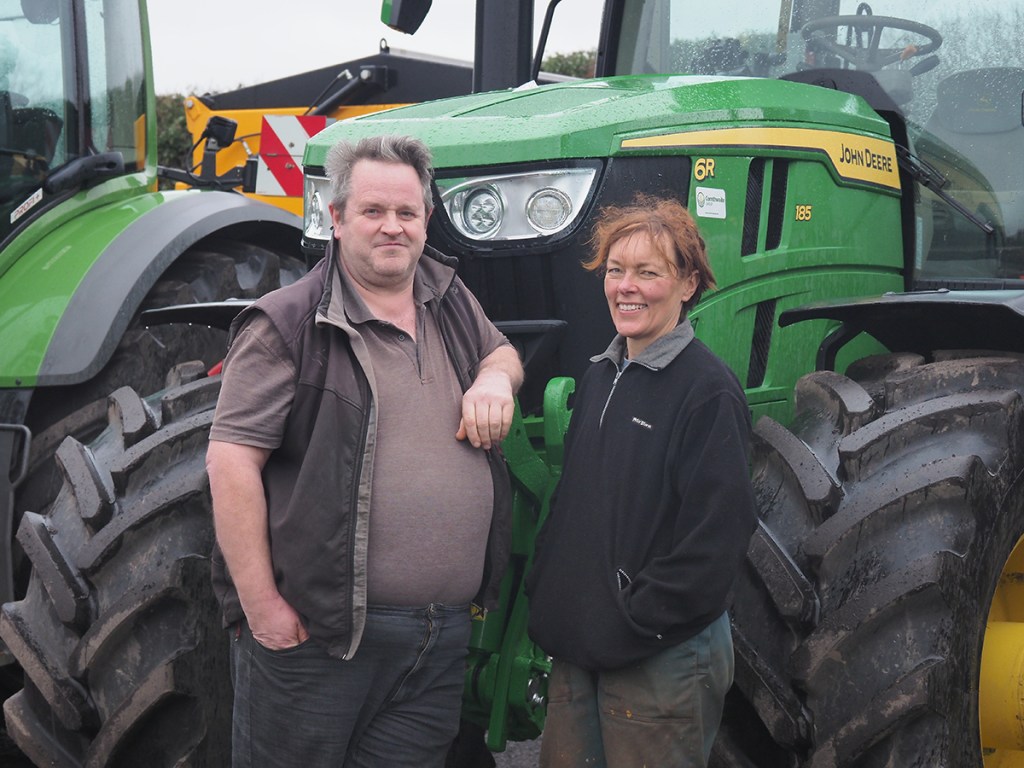
“We aim to always have the capacity to ensure that we can get the job done, even if the unexpected such as a breakdown happens, and keeping operators happy is another important strand of this.”
Gritting for schools, hospitals, business parks and local airports is one task where dependability is essential, and having the resources to achieve this has led Ed to invest in specialist machinery and premises.
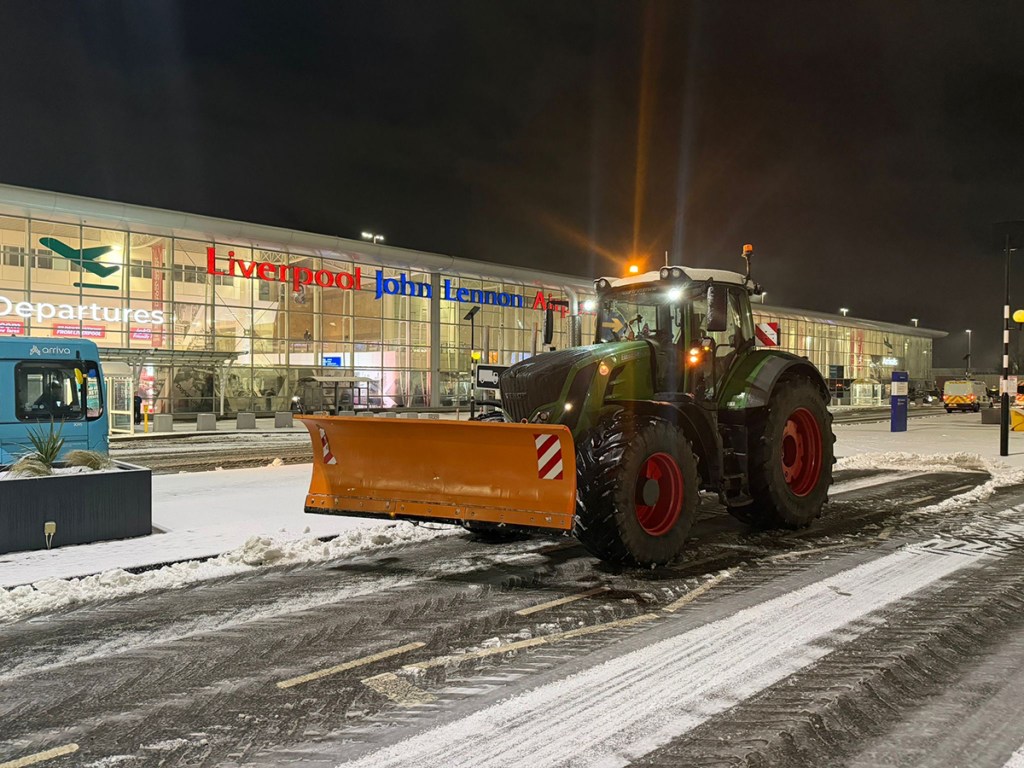
“I did a lot of grassland work with one major client also being the landlord for my yard,” recalls the contractor. “When he decided to sell the land, I had a choice to make between finding another base and looking at how to take the business forward in what is a competitive area for forage contracting. Winter maintenance has always been a key activity for us, in the early days as a driver for another contractor, through to when we were able to establish our own customer base”
Those early days
He purchased a small truck-mounted spreader and applied 110 tonnes of salt in that first year, compared to the 1,200 tonnes applied in 2025.
“I planned to get a second spreader as back-up but the work had picked up, mainly via word of mouth, and I now have five trailed and four truck-mounted machines with a further two gangs gritting paths manually.”
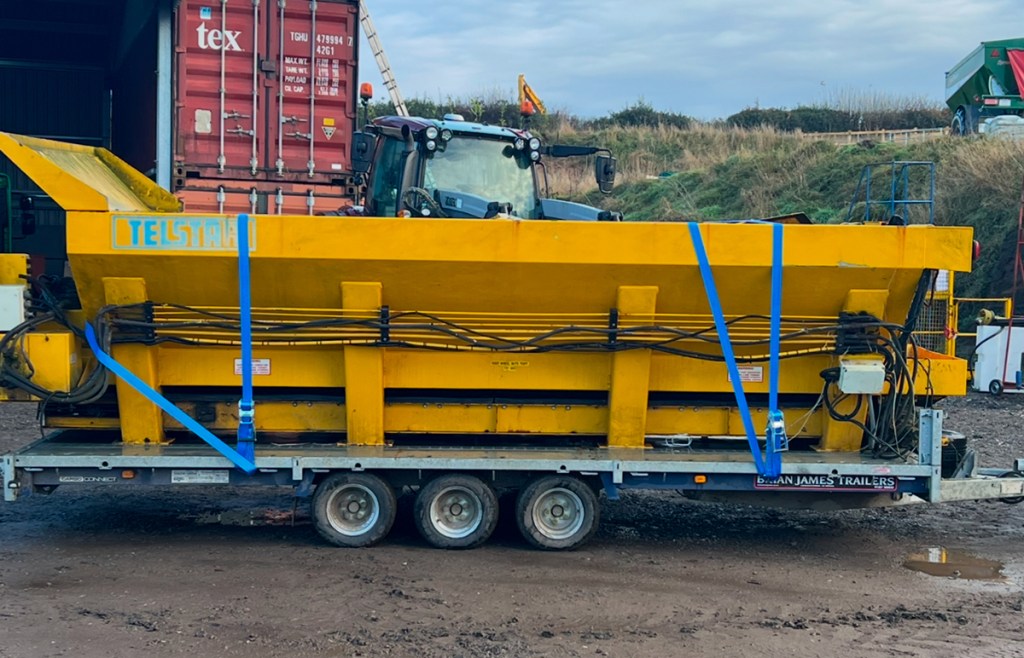
Ed works closely with local farmers and contractors J H Willis & Son who operate two of the spreaders and their input has seen a change of direction on spreading machinery.
“Josh and his father Dave Willis have a ready fleet of tractors and experienced drivers to call on so we have invested in trailed spreaders, while they now supply two tractors to work with my spreaders. It’s a combination that to date works well,” explains Ed. “The tractor and trailed spreader concept, whilst not new, also works better for some of my other operators, who are busy from March to October on farm work, but have availability in the winter.”
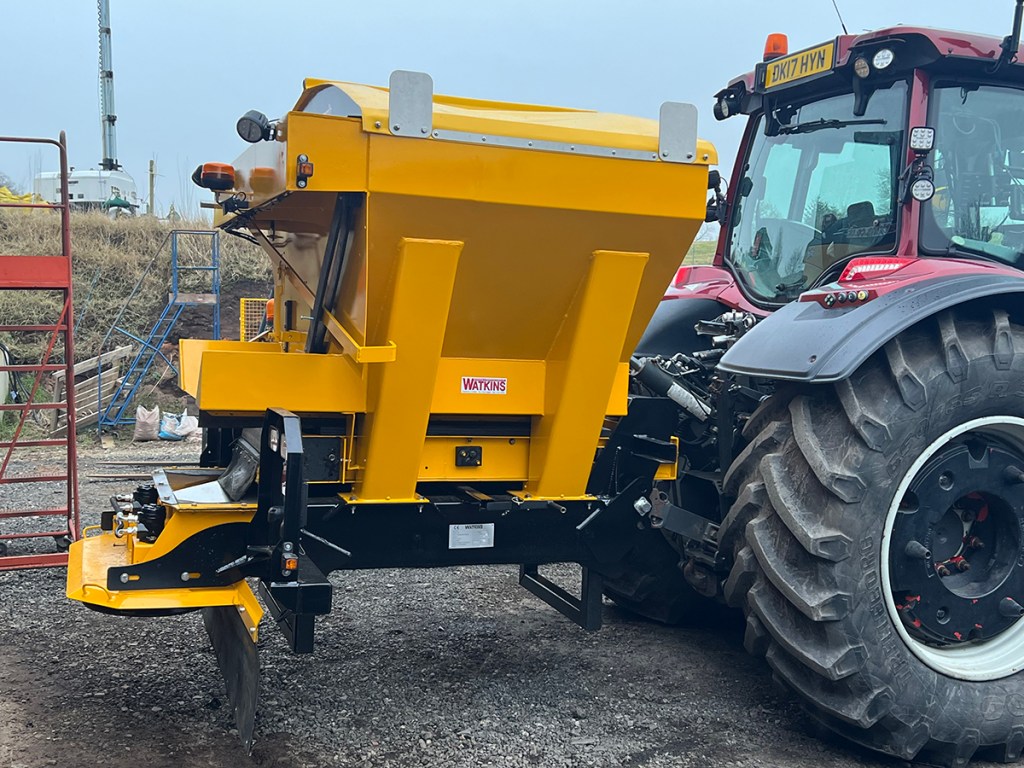
The seven tonne capacity spreaders are supplied by Philip Watkins, which ‘upcycles’ them from Telstar ex-highway truck-mounted units.
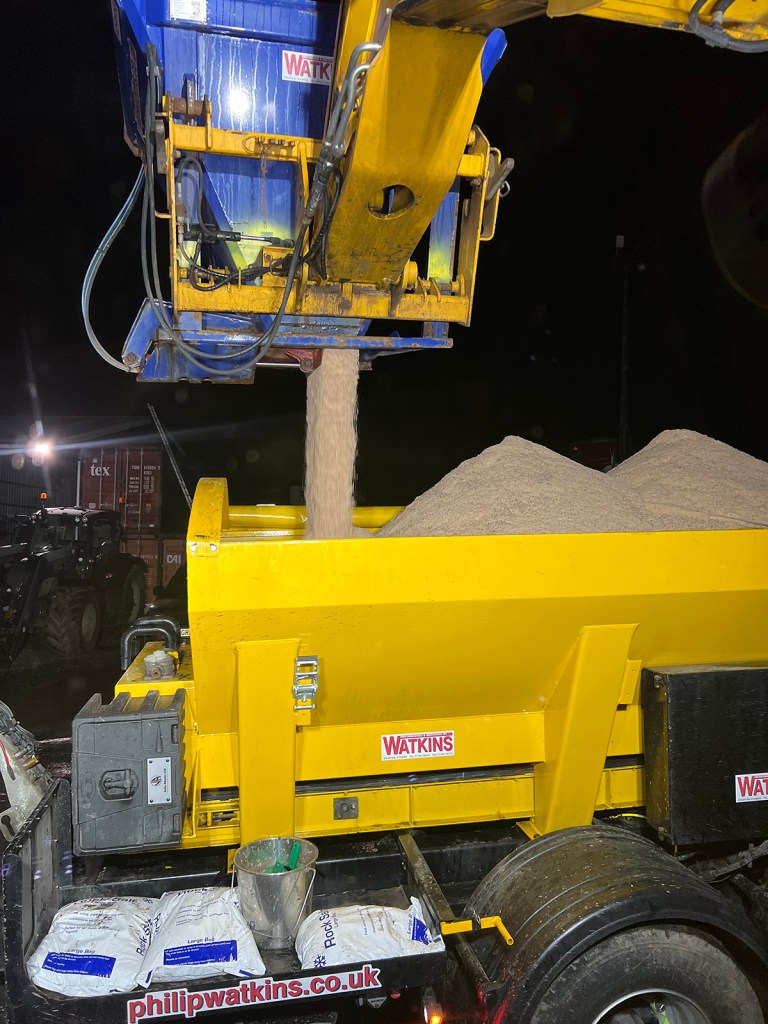
“Most of the Telstar spreaders are at least 30 years old, but Philip cuts them down in length, shot blasts and repaints the hoppers, fitting new drive rollers and belts. On the trucks they are driven via an oil valve from a 10hp integral motor, but the trailed units run off the tractor hydraulics, and it’s a simple single speed spread.”
Running gear with air suspension, steering rear axles and air brakes plus a ball hitch completes the package.
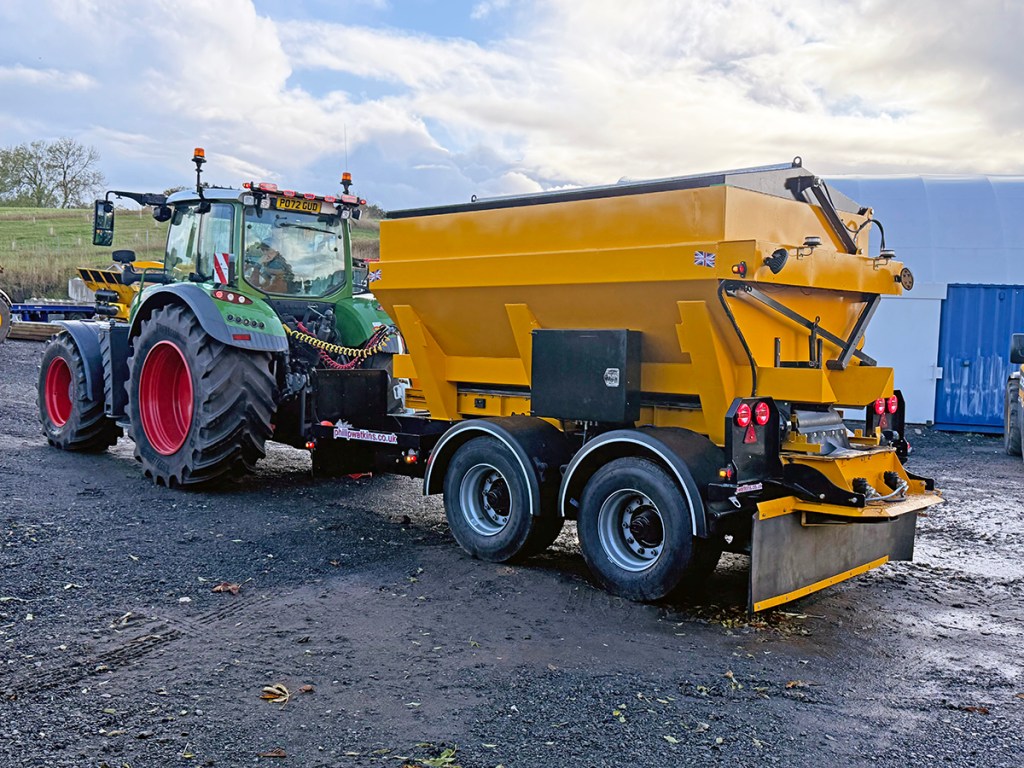
“I’d purchased low loaders from Philip in the past and found him very easy to deal with, but his company goes above and beyond with these spreaders.”
More to the fleet
The 2026 fleet now numbers five trailed spreaders with three more on order. Two machines are kept at the Willis’ yard near Chester for convenience.
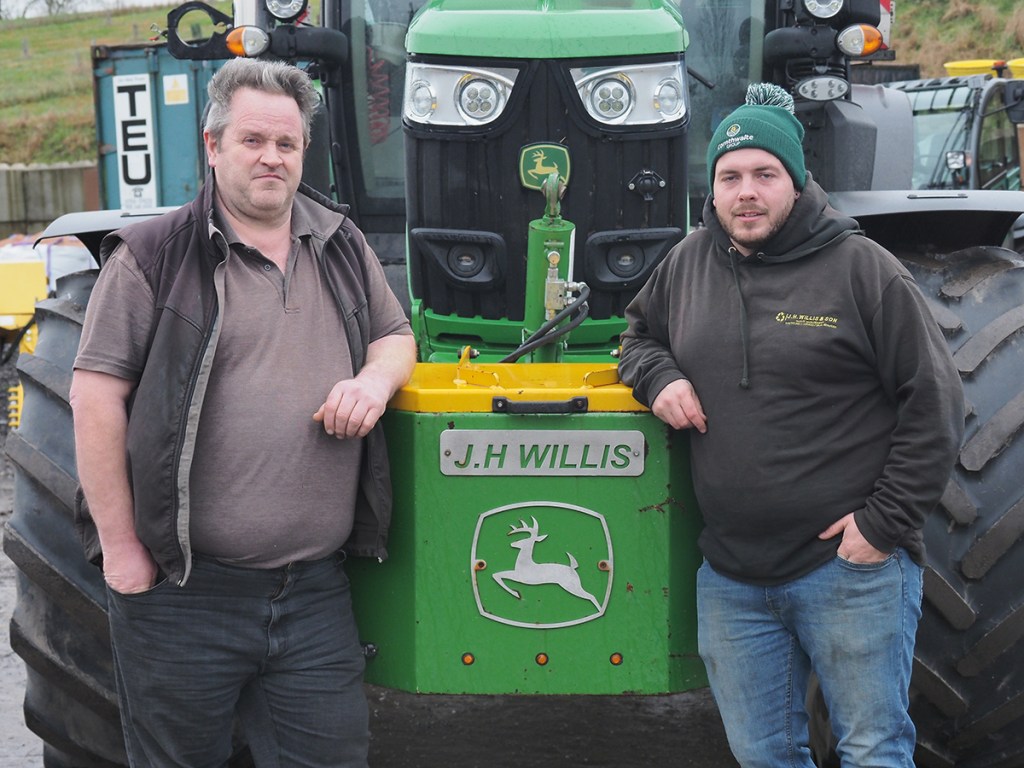
“Josh tried the spreader and thought it was one of the best machines that he has towed,” comments his cousin Jacob Clarke. “The company has also responded well to our feedback to make further improvements to the design, such as the addition of hydraulic lids in place of flexible sheeting systems, which helps to make for a quick turn around when being loaded.”
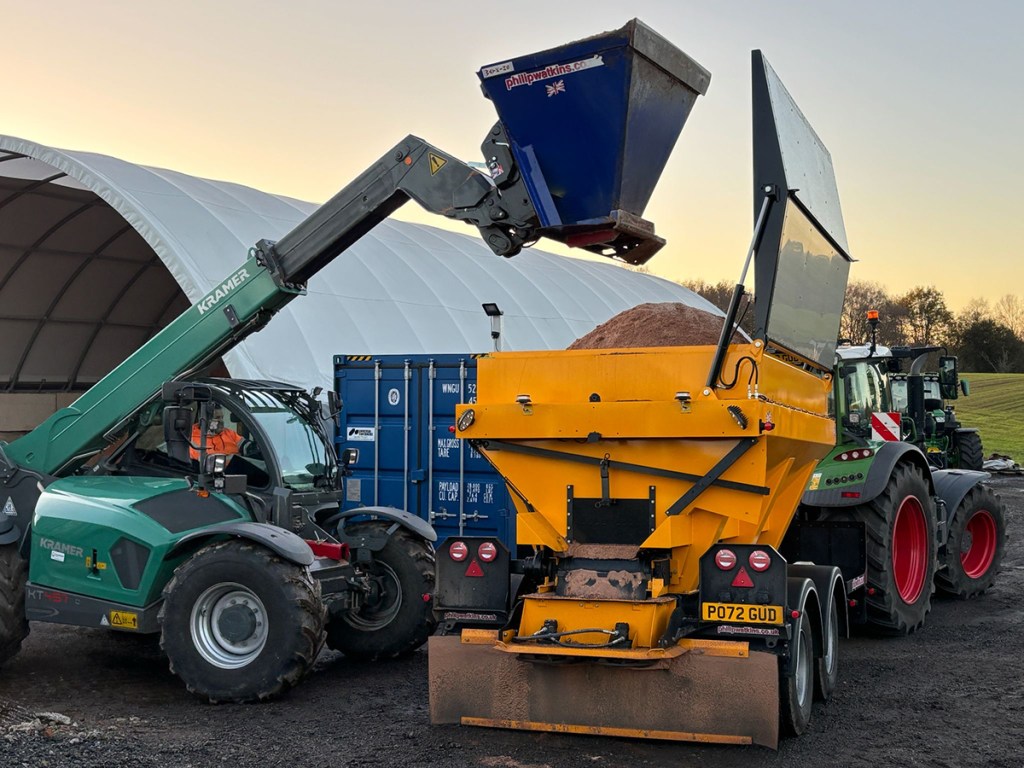
“The combination of a tractor and trailed spreader is ideal for local jobs – its surprisingly manoeuvrable – and we’ve been able to increase our capacity by using them,” he says.
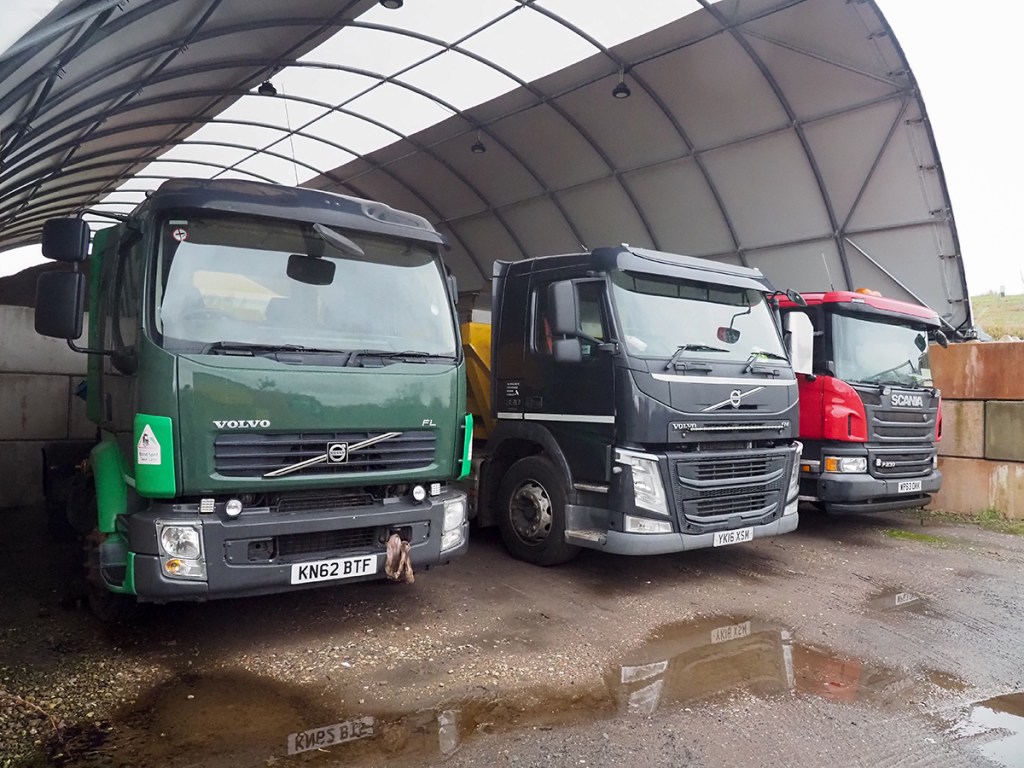
However, truck-mounted applicators are still an important part of the fleet for sites such as four hospitals in Liverpool where the access is too tight for a tractor.
Ed comments that while trucks can be purchased for as little as £6,000, finding reliable units can be a challenge.
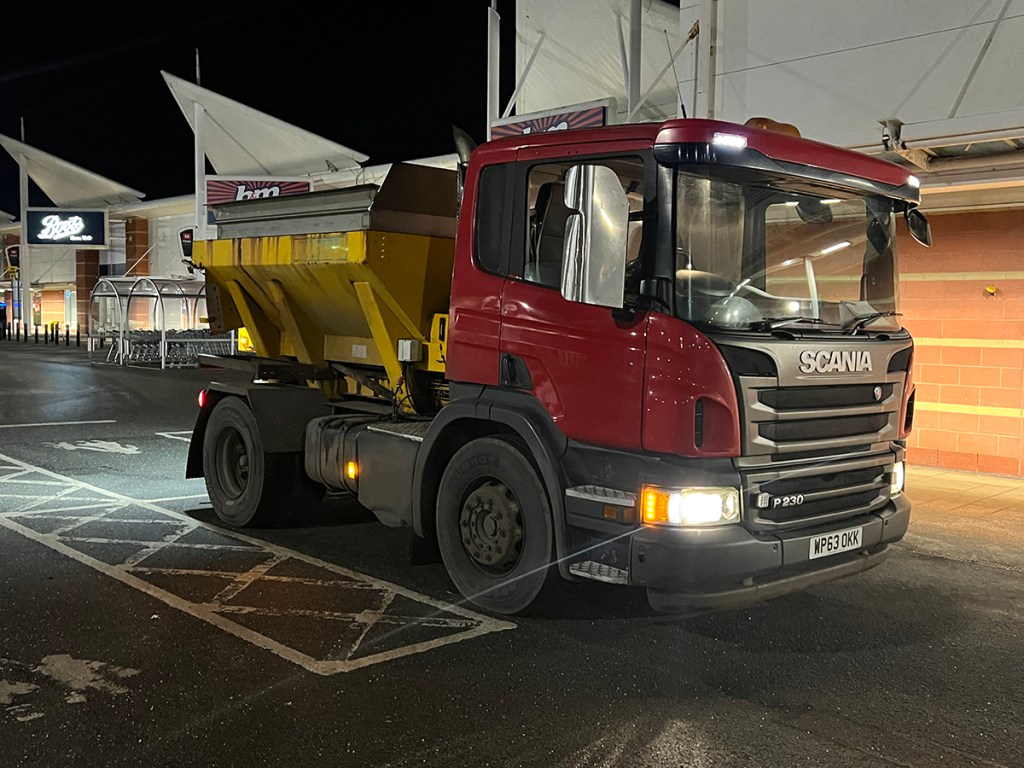
“We are currently looking at the five tonne Iveco Dailys to compliment the current fleet, as long as the wheelbase is right for the spreader body. Ex-brewery trucks can be a good bet, or something that’s been on a service contract. Of course, they are getting more complex now, which can impact reliability.
“Tractors have a much higher purchase price, but we look after them well and they do relatively few hours, most of which is the winter work, so they hold their value.”
Busy season
Gritting season is an intense period: most years the team of six operators are out for 30-32 nights between November and March. Ed’s role is in co-ordinating the work, loading spreaders from a new covered store and troubleshooting customer queries.
“Ironically one of our biggest challenges is local highways authorities not keeping the roads clear of snow and ice.”
Daytimes are also taken up with maintenance, refuelling and filling the spreaders.
“We can treat up to 160 sites on a full night. I have gone out as an operator at night but now I think I’m best utilised in managing the yard.”
He works closely with his clients to set a trigger temperature at which he will send spreaders out and uses an app which costs a ‘four figure sum’ each year for accurate forecasting.
“There’s sometimes debate about timing of spreading, and also about amounts – we work at 20-25g per square metre – but although it is a price-sensitive job, customers who go elsewhere often come back to us the next season.”
Other contentious topics include snow: “We’ll sometimes be asked to pile it up, but then the client can lose parking spaces for the week or so a pile will take to melt. It’s better to grit and leave a safe, if slushy surface.”
Ed comments that while the spreaders all have GPS tracking and sites can be geofenced to notify the client when the machine arrives, the technology’s not perfect and can give repeated ‘pings’ as the operator works.
“Many don’t actually want any more communication than agreeing the contract each summer,” he adds.
Aside from full insurance and ‘safe contractor’ approval, some clients also require a site induction, which can be time consuming where two or three drivers are sharing the hours on a machine.
Paper trail
Paperwork is kept simple with laminated highlighted routes from Google maps in the cab, and IPhone notes having recently replaced jotting pads.
“It’s not an environment suited to getting laptops out and I don’t want operators having to try and use an app when there’s no phone signal.”
A similar manual system is used to transfer invoicing data to Ed’s partner Chris Marsh, who is operations manager and is also a dab hand with maintenance.
Snow ploughing is mainly subbed out to allow the team to focus on spreading, another area where Ed is keen to utilise the help of other local contractors.
The business premises near Delamere, Cheshire has evolved from a greenfield site and allows Ed to keep all machines – apart from the two based with the Willises – workshop facilities, salt storage and office in one place. The site is also off grid using solar and battery storage, with a back-up generator.
“Salt comes in from the mine at Winsford and can be tipped directly into the 700 tonne capacity covered store, which has been a revelation in maintaining the quality and its ease of use,” he comments.
There have been a number of other changes in the fleet. In Ed’s past activities, he’d mainly used Valtra tractors plus a JCB Fastrac. With the move away from grass work, he decided clear out some of the kit and to upgrade his tractors to be more suited to the roadwork involved.
“I liked the Fastrac, the concept is great, but reliability and paintwork were issues with the gritting work,” he comments.
Changes to the local dealer network were also starting to have an impact.
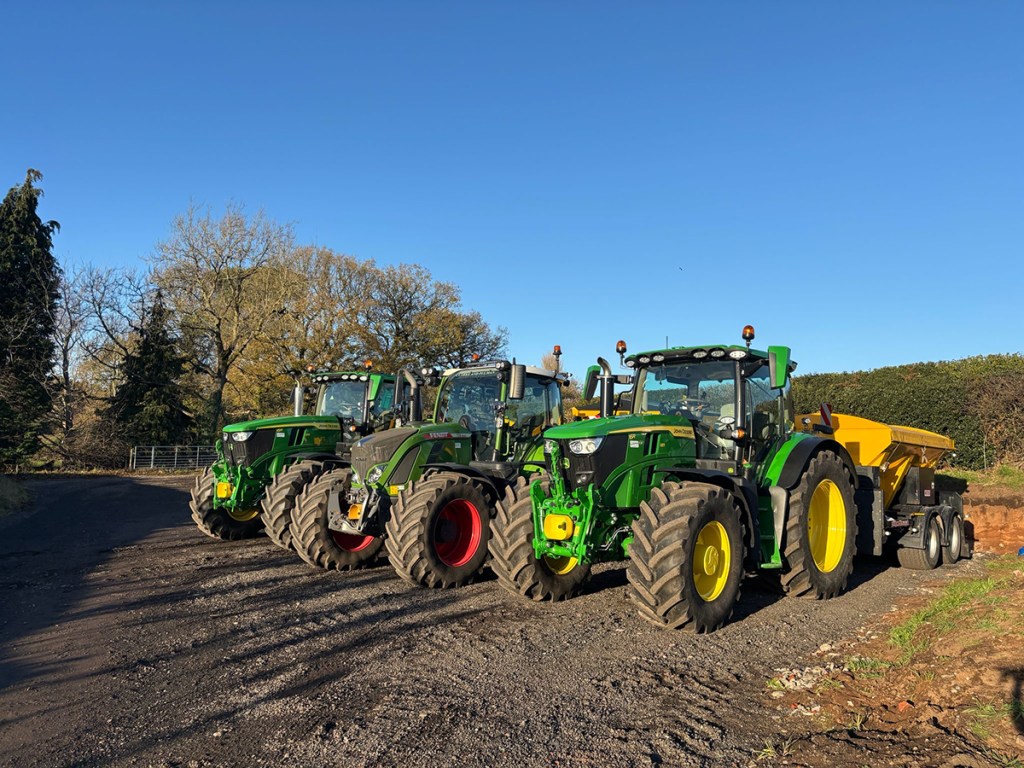
“It was getting harder to get back-up for the existing tractors and my JCB Loadall, so I moved to John Deere 6R and Fendt 700 Vario tractors and a Kramer telehandler. I’d always focused on the resale value of the Loadall, but the Willises got on well with their Kramer, so I bought a KT457, which I’m very pleased with.”
“Tractors are all kept under warranty as we need that peace of mind that the back-up is there, especially for winter work.”
Out of season
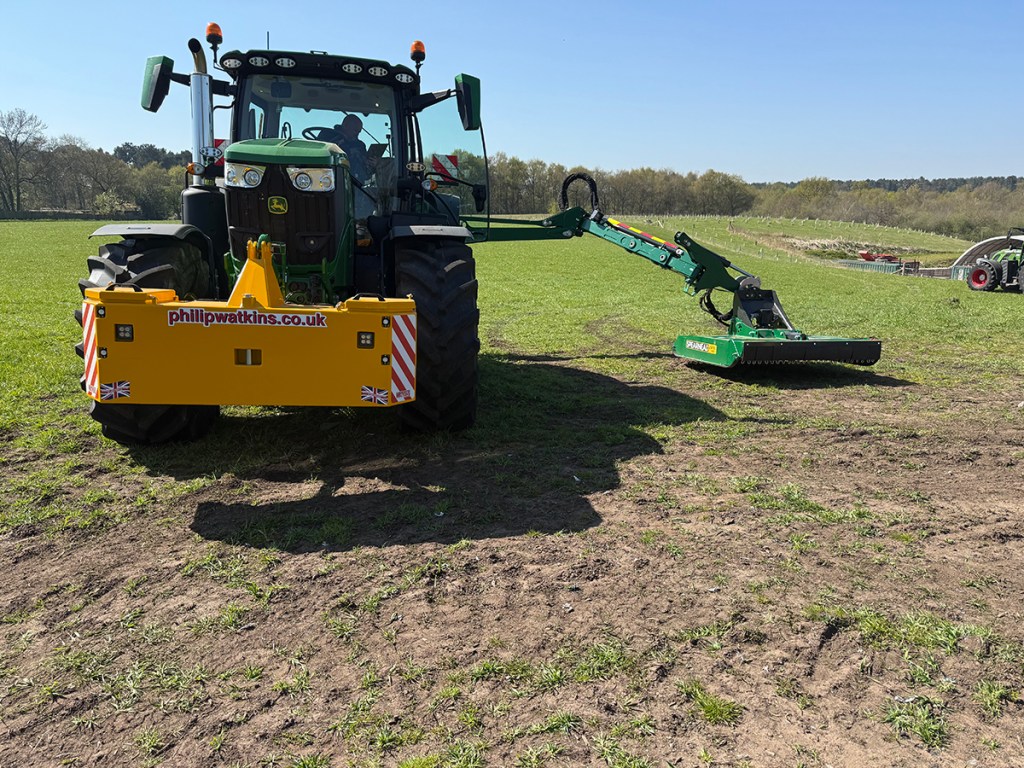
Ed has also branched out into a complementary service, securing a contract with Shell Petroleum to maintain a pipeline that runs from Cheshire to Aberdeen. On the back of this he has also been asked to undertake other aspects of work such as scrub clearance and cutting of grass embankments using his Spearhead side arm flail and Müthing flail.
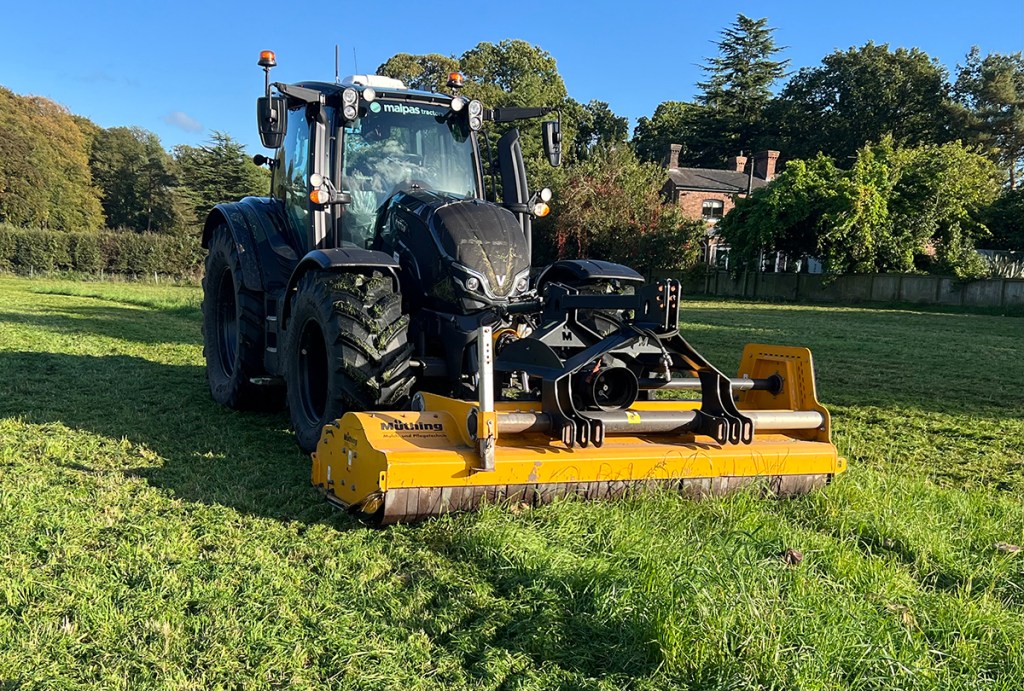
He notes that this type of work offers additional revenue but can conflict with the winter gritting operations and managing the two tasks can be tricky.
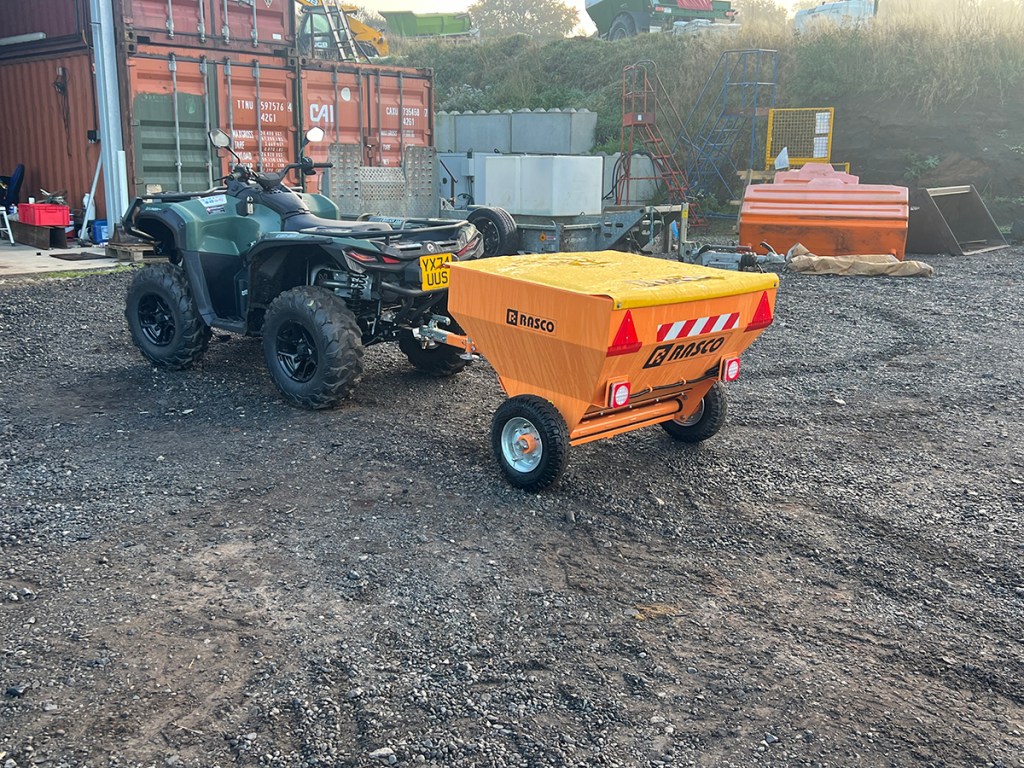
Future plans include a venture into liquid de-icer applied via quad bikes – which are currently used with small, towed gritters in the most restricted areas or after snowploughing to prevent the surface re-freezing.
“We try to keep the business flexible and simple, and my partnership with the Willis family has played a key role in recent years. By moving away from core agricultural services I’ve been able to build a sustainable business,” he says.
Jane Carley
For more up-to-date farming news click here and subscribe now to profi and save.