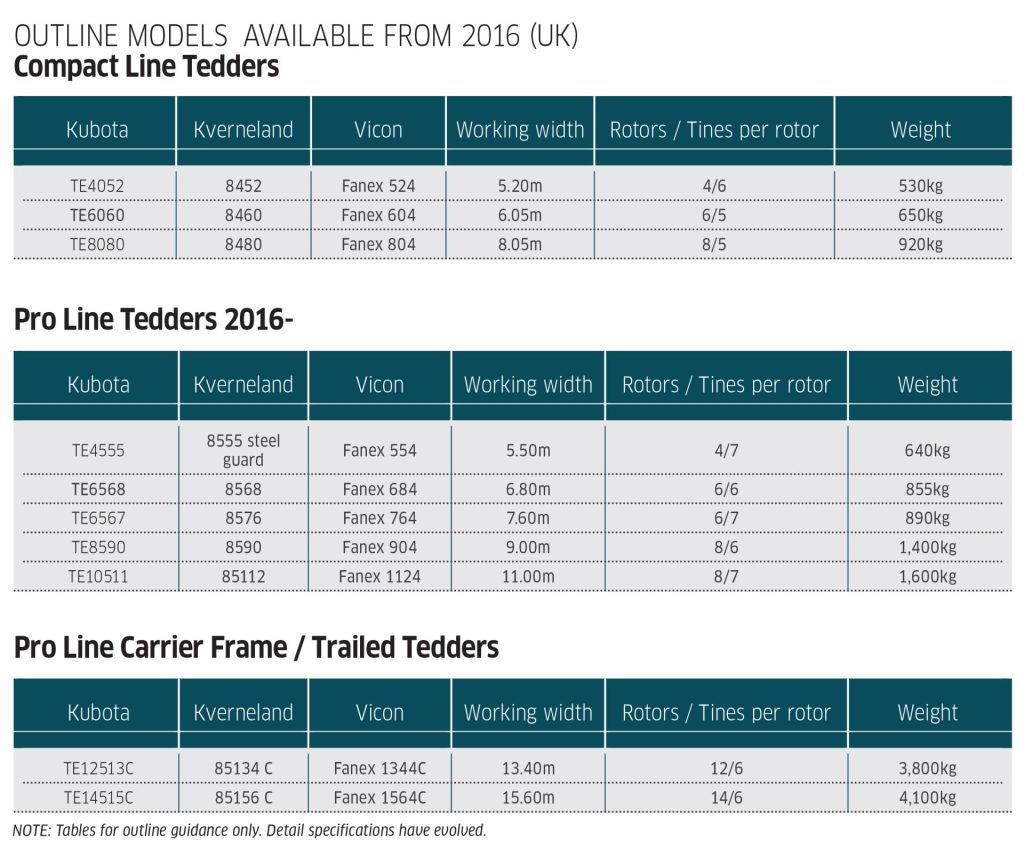

The Kubota, Kverneland and Vicon tedders we consider as a used buy in this article differ from one another in two ways. Model number and paint colour. This must be good news if you like these tedders. There are potentially more dealers out there with a used buy to consider.
KEEPING IT BRIEF
- Kubota , Kverneland and Vicon branded tedders are the same
- Kverneland Taarup branding was phased out by 2016
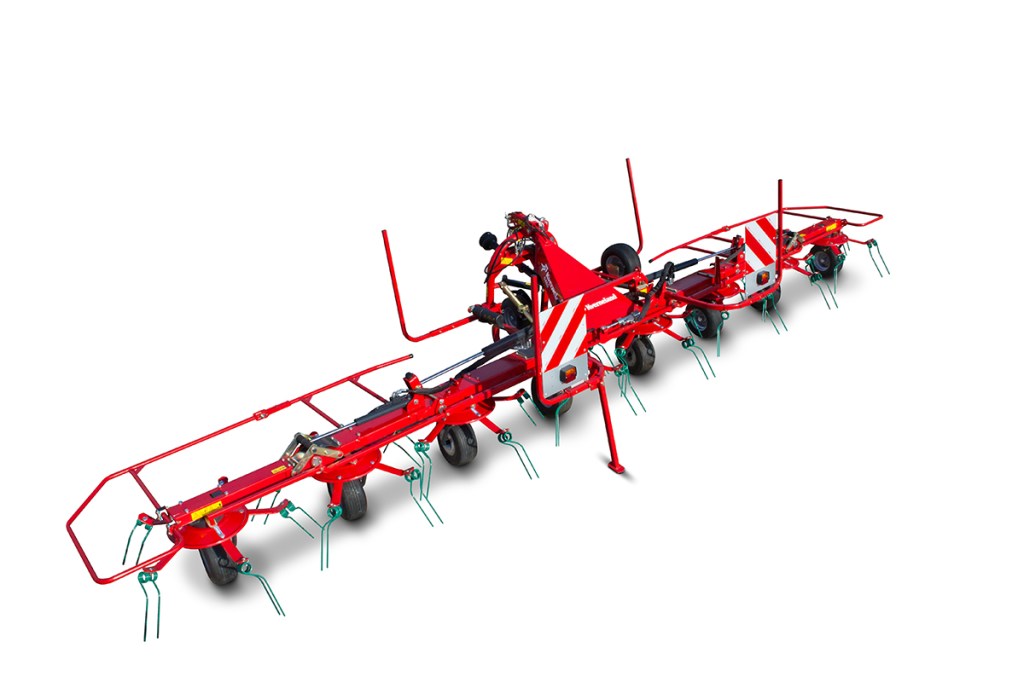
- Mounted Pro Line 8076/8576 and 8090/8590 7.60m and 9.00m strong sellers new and sought after used
- Trailed Pro Line 85134C and 85156C 13.40m and 15.60m increasingly popular but few have yet to make it to the used market
As is increasingly the case these days, potential choice and actual availability are two different things, the more so when you start to look for a used buy at the start of the grass growing season. When it comes to the Kverneland-Kubota-Vicon branded tedders we consider here, the models that have been the strongest sellers will obviously make up the key potential used market finds. Or at least that is in theory.
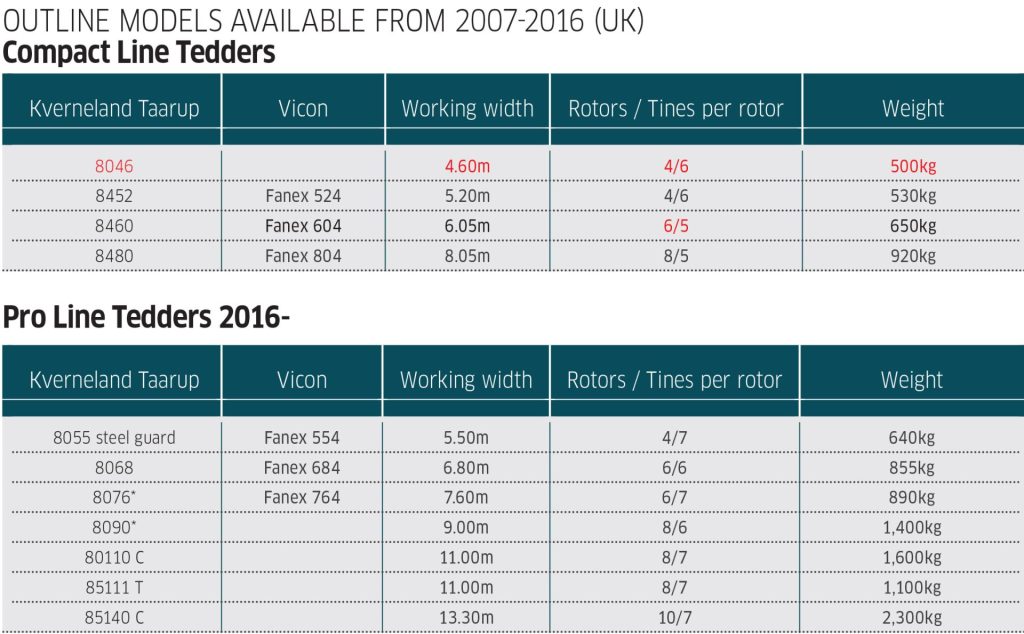
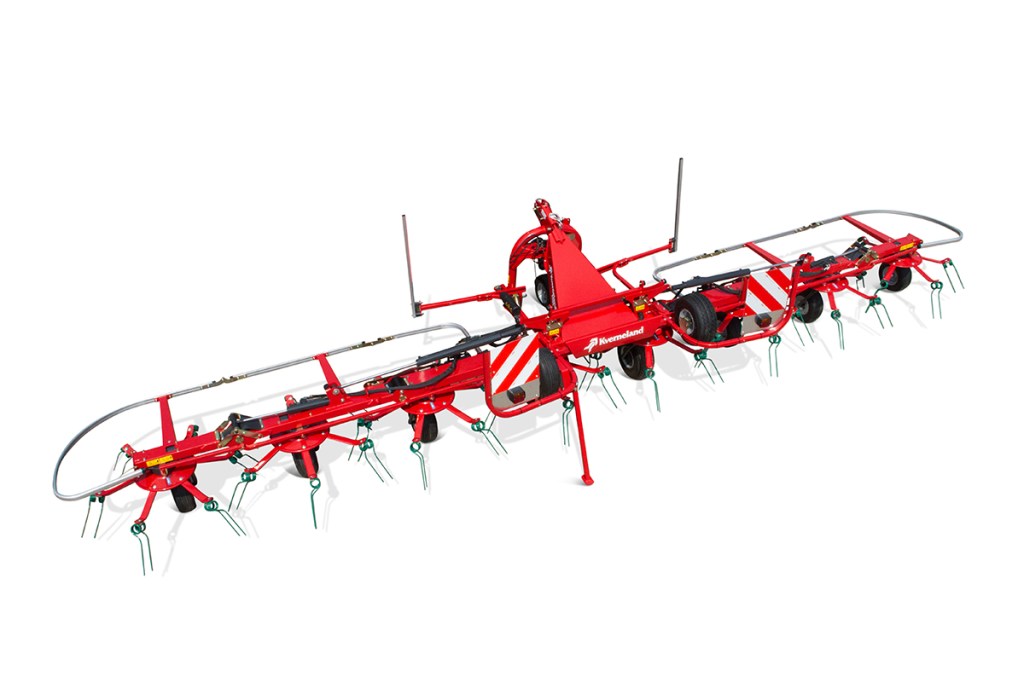
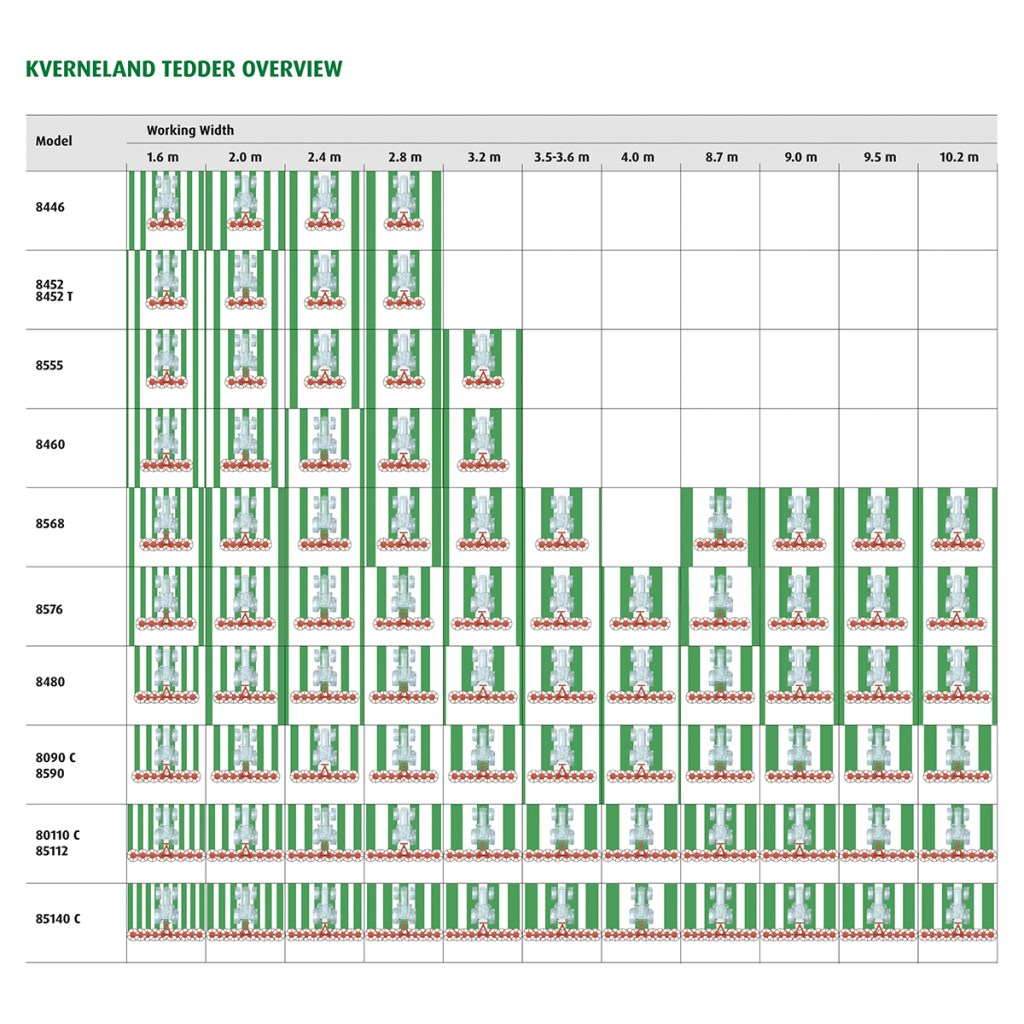
In the UK and Ireland mounted eight rotor, 8.0m Kverneland Compact Line 8480 and heavier duty eight and 10 rotor 9.00m and 11.00m Pro Line 8590 and Pro Line 85112 (and the Kubota and Vicon branded equivalents – see table) are now the strongest sellers new but you will struggle to find used examples.
Current models
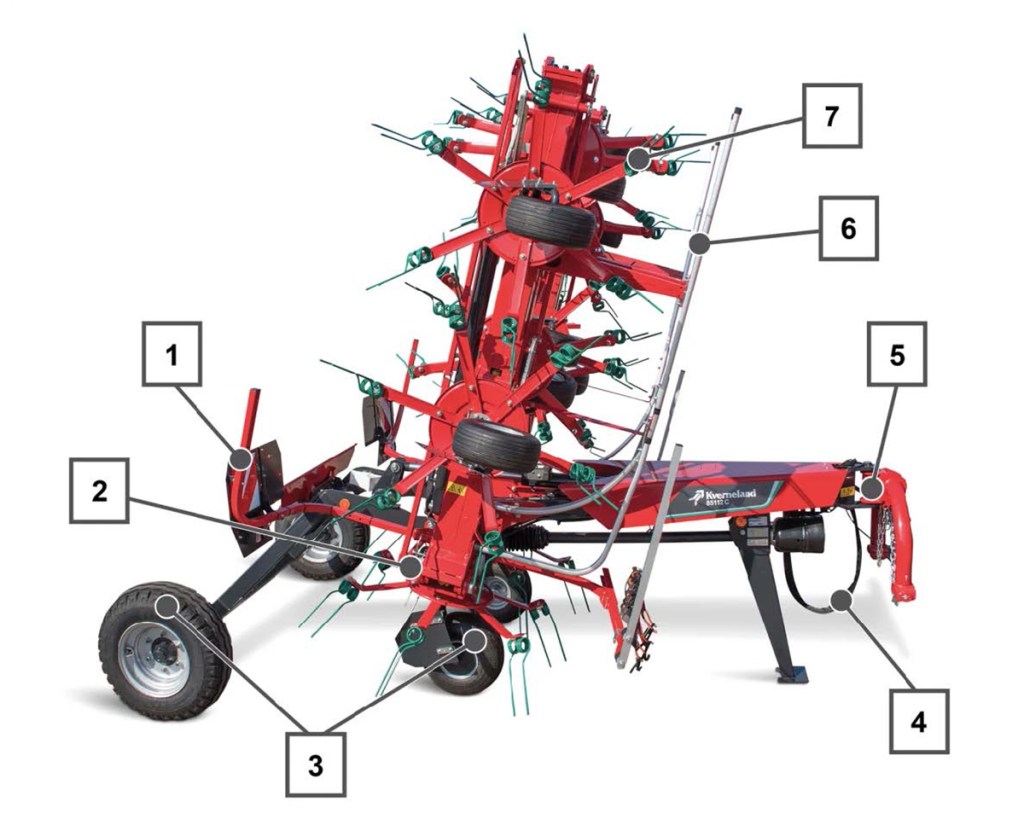
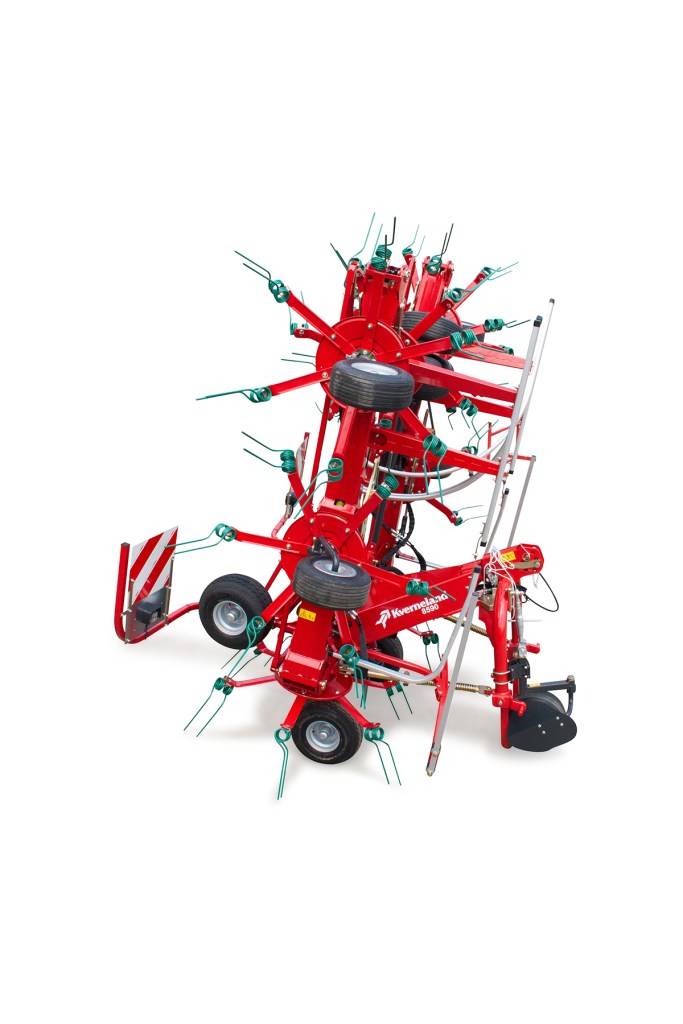
In broad outline, the current range on offer from these three brands are the Compact Line mounted models spanning 5.20m to 8.05m, Pro Line heavier duty tedders spanning 5.50m to 11.00m and Pro Line Carrier / C trailed models of 13.40m and 15.60m.
NOTE: Except for the wide 13.40m 85134C and 15.60m 85156C, Carrier Frame models with a C after the number are a rare UK spec.
To avoid confusion, we will use Kverneland 8000 series (current 8500 models are still called 8000 series) as examples, so refer to the tables for the Kubota (which started to appear from around 2016) and Vicon equivalents. As a side note, earlier Kverneland tedders include Taarup branding, the latter starting to disappear from around 2012 until finally being phased out by 2016. Further, the tables outline models available from the listed year, with some variants launched between these periods.
Summary
Tedders are simple bits of kit that can last many seasons with minimal maintenance. This does mean first owners tend to sell this kit on only when moving to something wider. As a used buyer, the chances are you are also looking for a wider tedder than the one you already have. Join the club. The wider the tedder, the harder it will be to find a used buy.
With thanks to: Chandlers Farm Equipment, Cheshire Farm Machinery, T H White and David Perry, Kverneland Group UK.
James de Havilland
For more up-to-date farming news click here and subscribe now to profi and save.
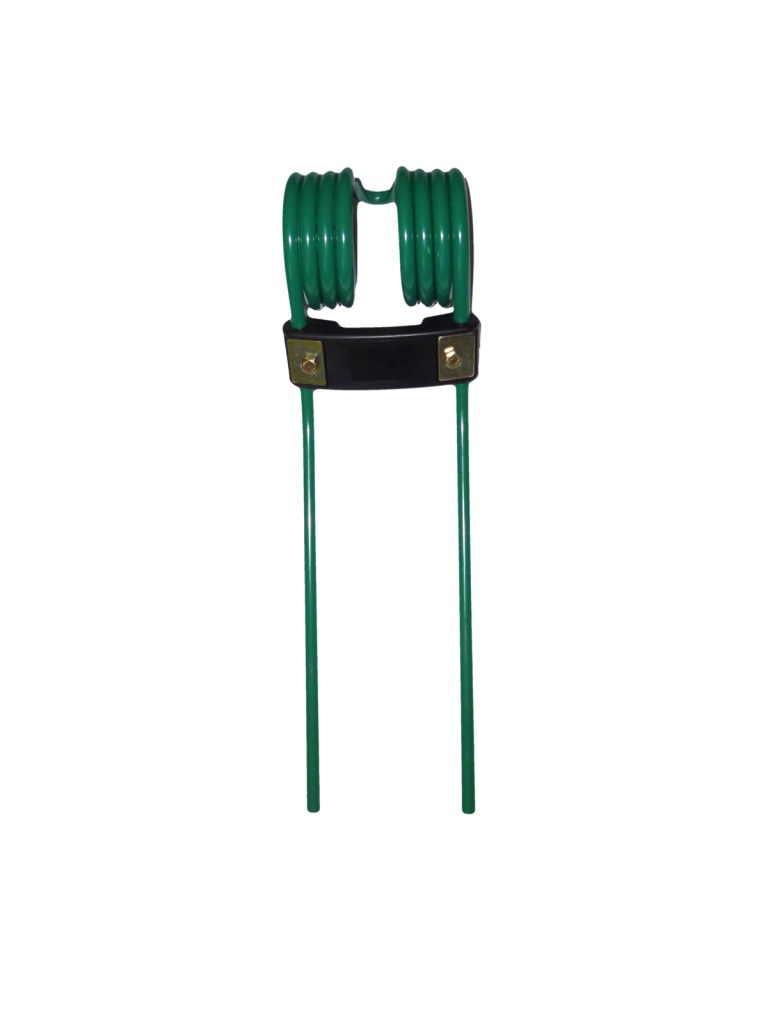
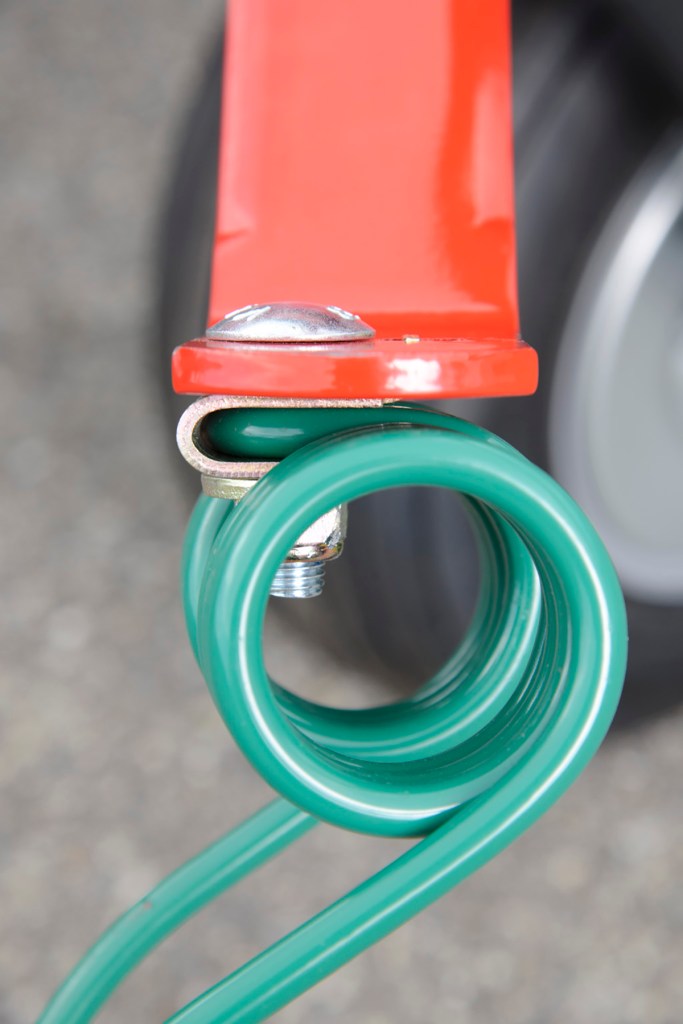
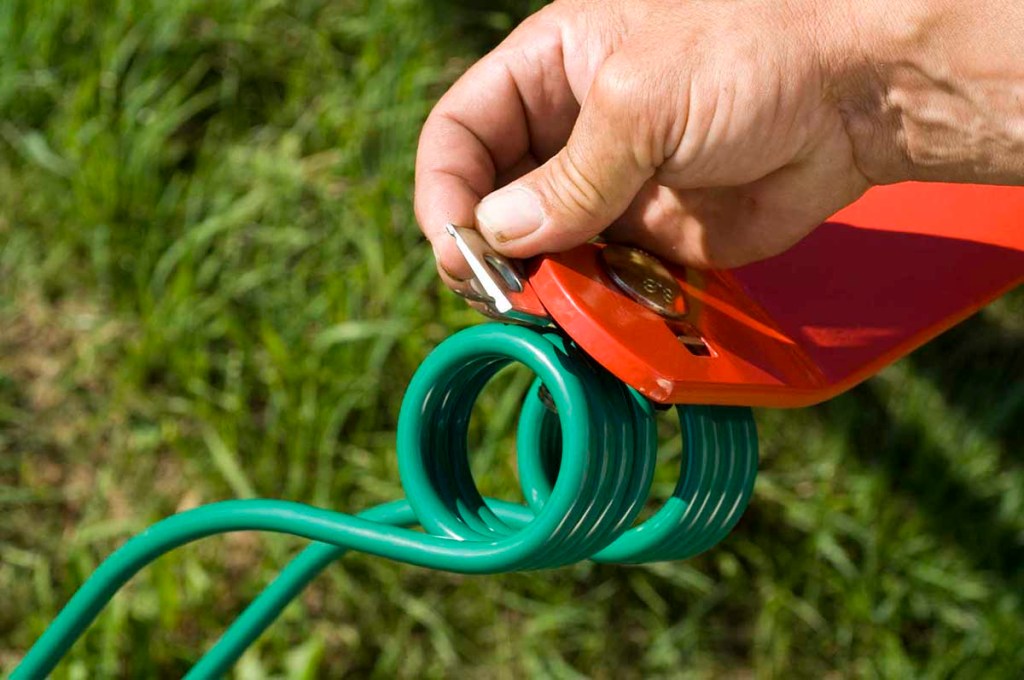
PRO LINE 8000 SERIES V LATER ‘8500 SERIES’?
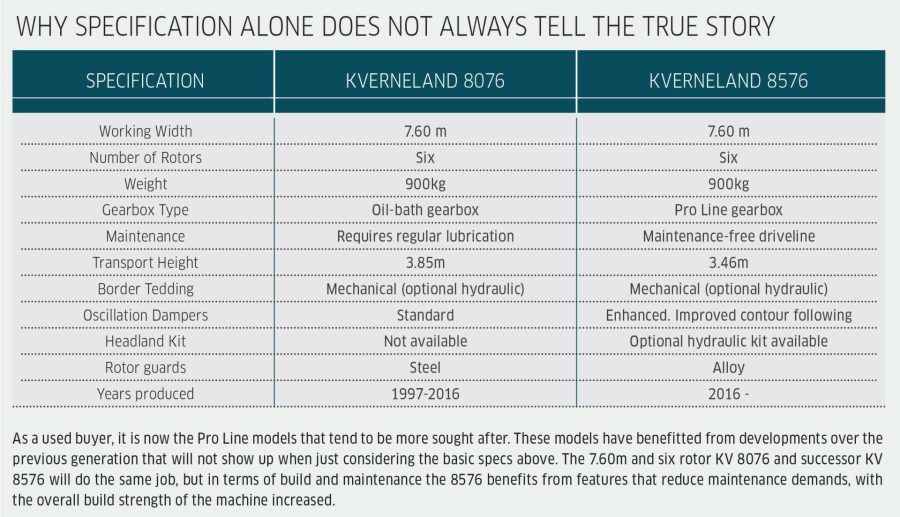
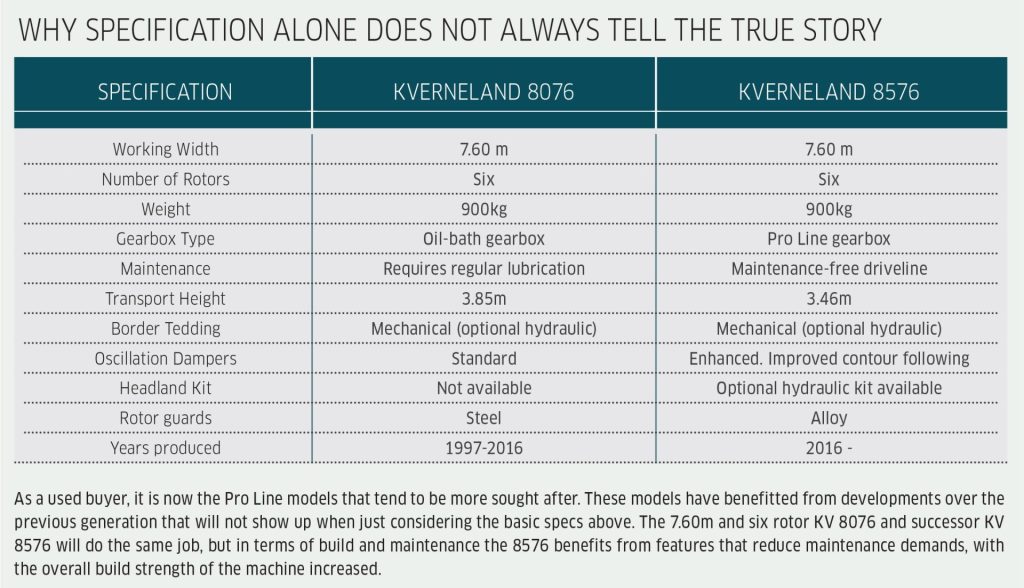
Model numbering and product updates can help separate previous and current machine generations, and in the case of the Kverneland Pro Line models considered here tedders with an 80XX model number were replaced with those with an 85XX number, with the last two numbers giving an indication of their working width in metres.
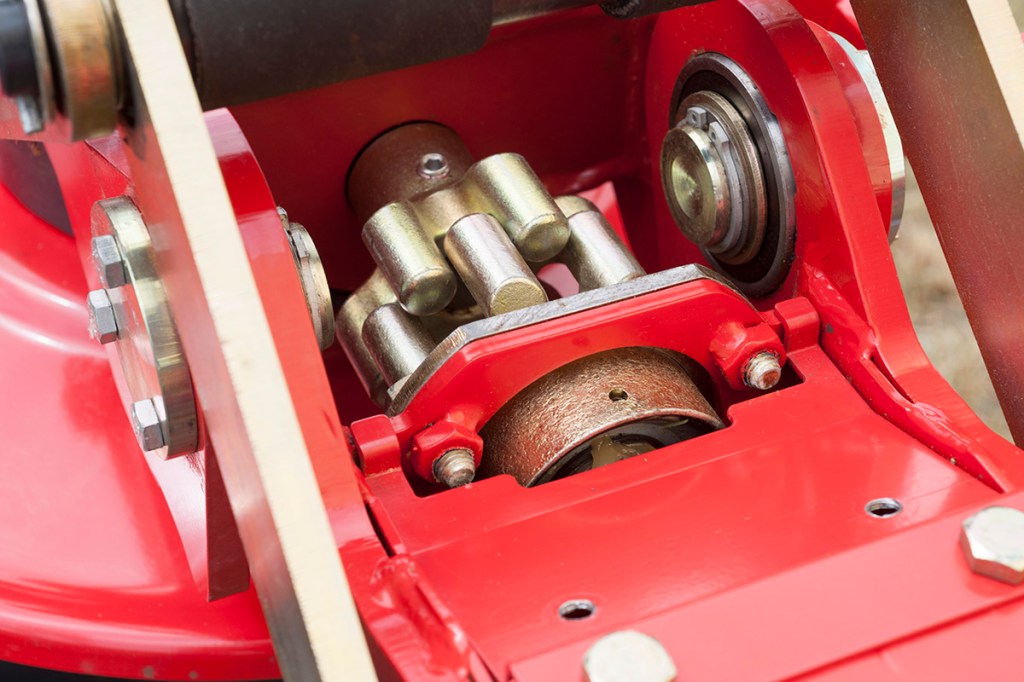
As sweeping generalisation, the later ‘8500 series’ can make a better longer term used buy as they are stronger, fold better for reduced height in transport and need less maintenance.
The Compact Line have seen little change, narrow working width models selling in reducing numbers year on year. If you are considering one of these variants as a used buy, condition will be of more importance than age.

IS WIDE AND SLOW IS THE WAY TO GO?
These days it is common for a tractor with far more power than is necessary to be hooked up to a tedder. This can lead to the temptation to ‘push on’ with the job. Up the forward speed and spin the rotors faster in other words. As mentioned in the set up panel, the optimum forward and rotor speeds are just that. Start to speed things up and the quality of spreading can be compromised. Not only can this lead to an uneven spread that will affect the rowed up swath it can also impact upon how the crop dries, with wet patches due to poor aeration compromising forage quality. Anyone faced with making a good swath from a poorly tedded crop knows this.
A point everyone also knows, but often chooses to overlook, is that as the crop dries its spread characteristics alters. If it is suggested you may ‘get away’ with faster than ideal first pass spin of a heavy swath, a fast second pass of a spread crop will be less forgiving.
Long winded way of saying the only way to increase performance without compromising the job is to buy a wider tedder.
SETTING TIPS
Spread angle adjustment
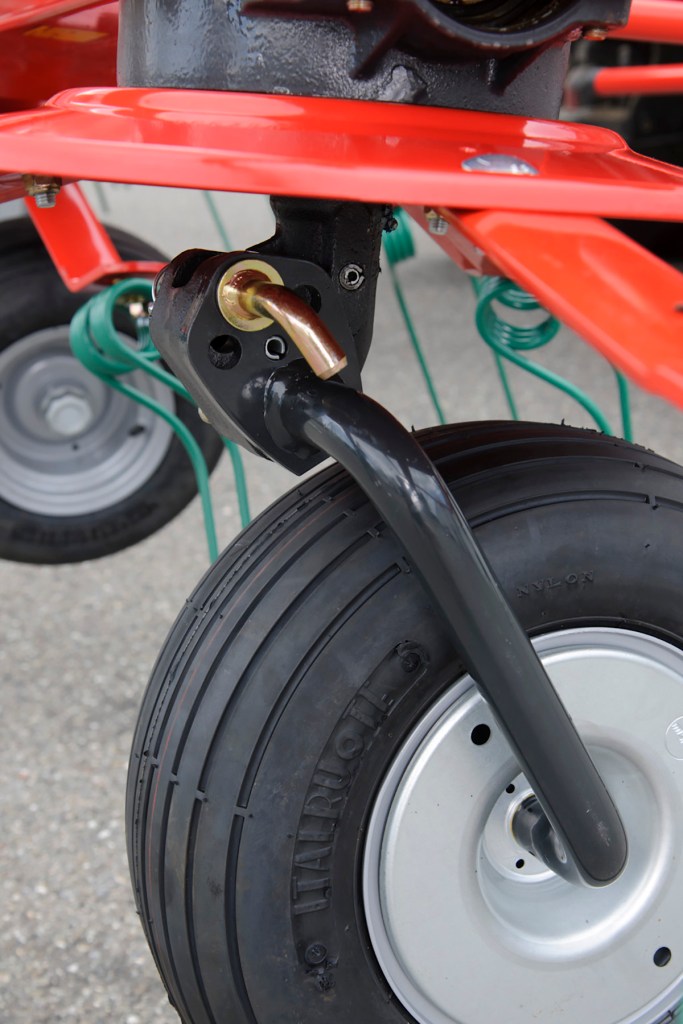
Kv-Kubota-Vicon branded tedders feature three-way adjustment of wheel height to alter the spread angle of the rotors. In simple outline, the steepest setting can be used to spread damp and heavy crops. As this setting will tend to be more aggressive, it is recommended that a shallower mid-point setting is used in lighter crops and for a second tedding pass. In grass destined to be baled for hay, this mid-setting is typically better suited to spreading long, tall grass swaths. The shallow lowest setting is gentler and should help produce a more even spread of material ahead of the rake, with a reduced chance of clumping.
Working at an angle to previous pass
Working along the line of the previous tedding pass is best avoided, working at angle reducing the chance of lumps forming when rowing up.
Forward speed and rotor speed
Tedding is a job that does not like to be rushed. As a rough guide, a forward speed of 6-7km/hr should be seen as a maximum, at least with Kv-Kubota -Vicon branded tedders, with the manufacturer also suggesting rotor speeds need to be kept reasonably low, a pto speed of between 400 and 500rpm typically delivering the best results.
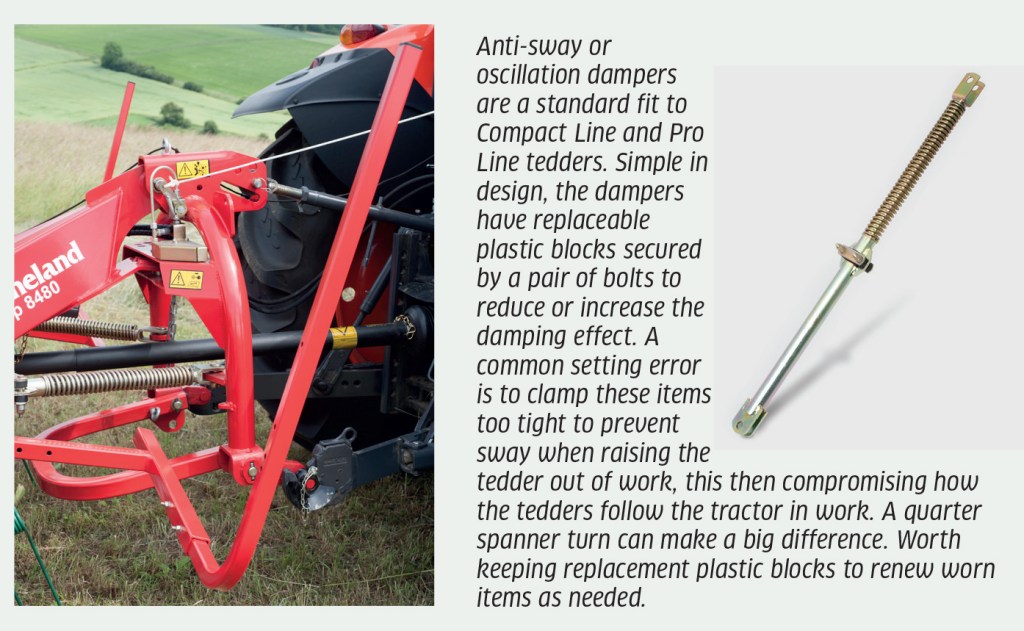
Keep an eye on the sway blocks
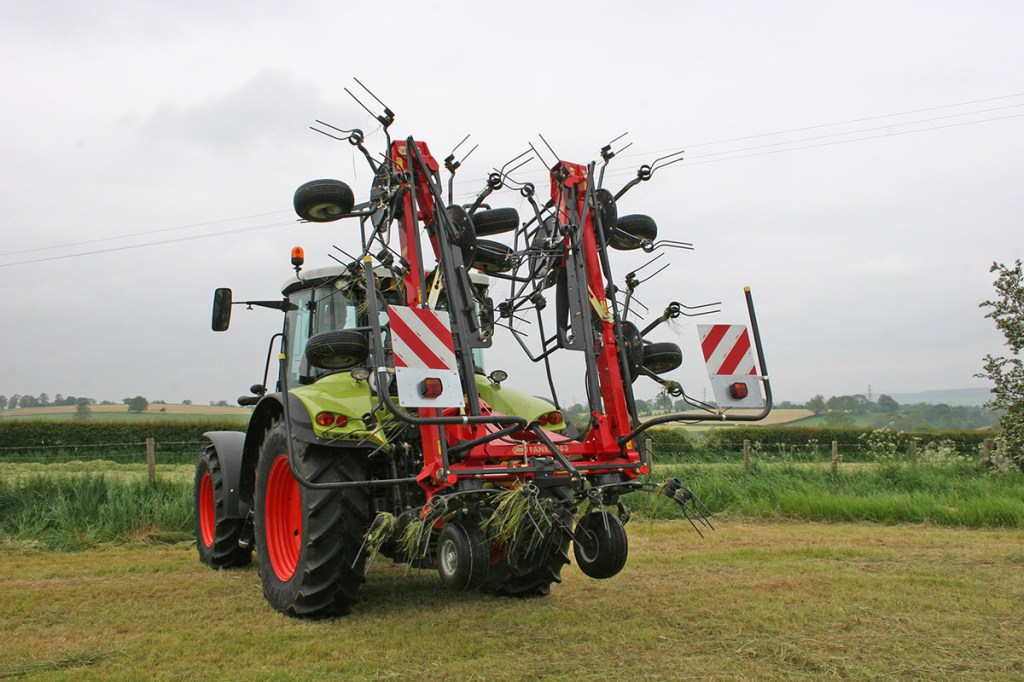
It is all too easy to over tighten the sway bars when trying to reduce the movement on the tedder as it is raised out of work. As the machine is lowered into work, too tight a control will compromise performance and cause the sway blocks to wear. Slackening off the sway bar by a modest quarter of a spanner turn can make a big difference.
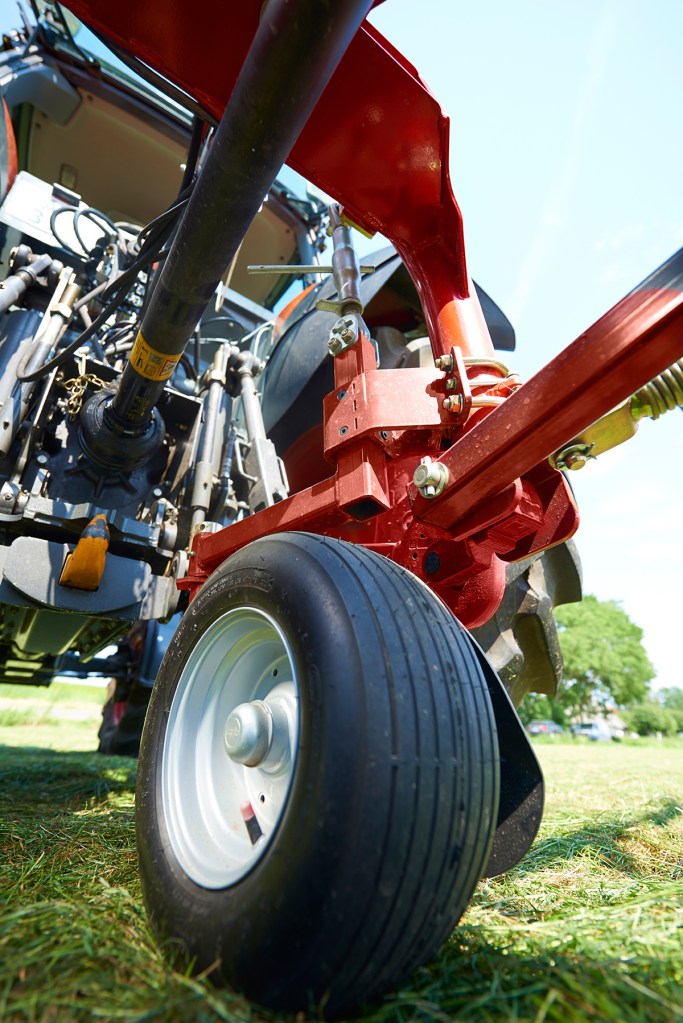
Headstock wheel
As an option, some models can be fitted with a headstock wheel, to allow top link to be mounted in the central elongated hole. This helps ensure the tedder runs more evenly over undulating terrain and is a good choice when the tedder is worked by an operator who may not always pay attention to the job.