
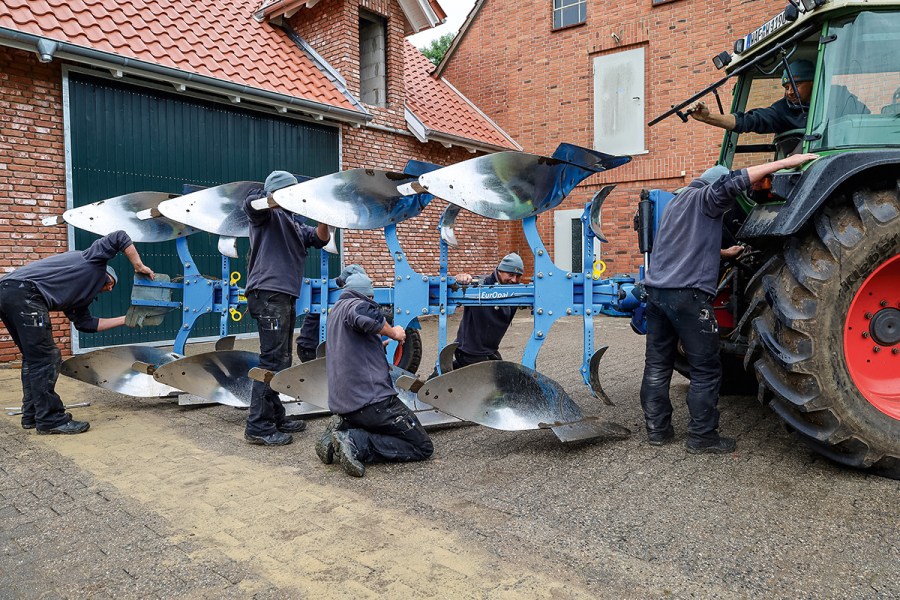
There’s always room for improvement, even to one of the oldest pieces of farm equipment. Here are some tips for reversible ploughs and presses.
Although direct drilling is becoming more popular, the reversible plough remains an indispensable tool on many farms. As one of the oldest farm implements, it still has its place in modern agriculture.
The following profi reader plough tips range from retrofitted lights to auto lubrication systems. Do you have any tips or exciting ideas from your plough or even any other machine? We would be delighted to hear about them. Send us your tips with photos and a short description by email to profi.ed@kelsey.co.uk
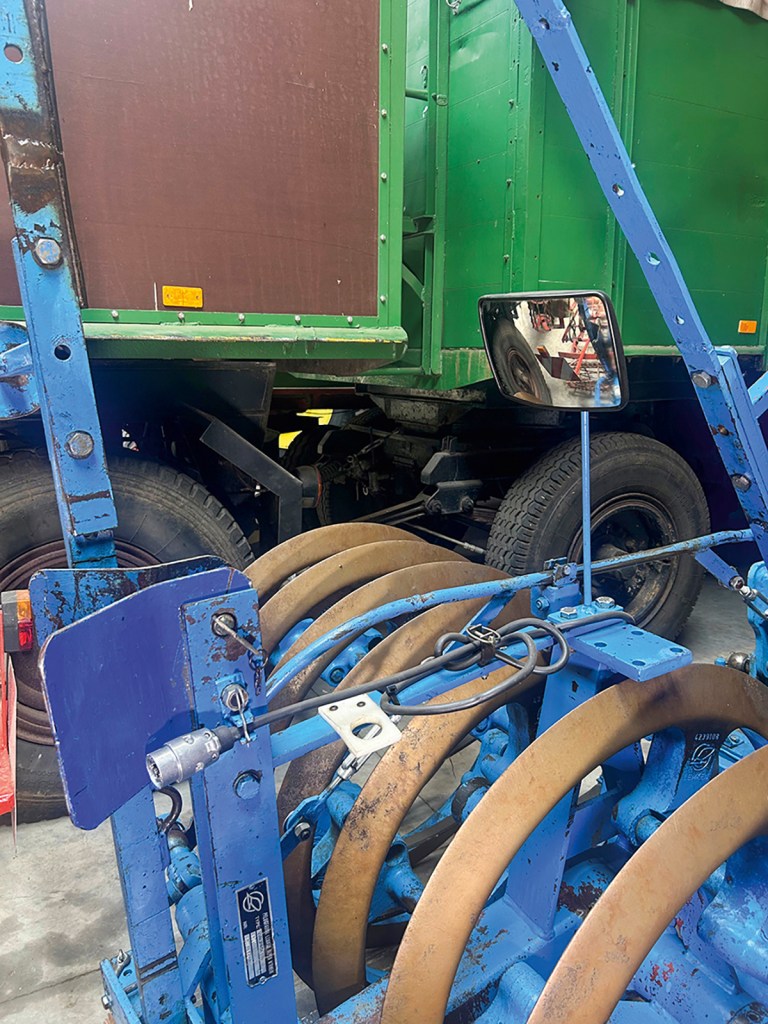
EASIER ATTACHMENT
This reader fitted a mirror to his press to make coupling to the front weight easier. This allows him to keep an eye on everything from the tractor cab. A catcher pocket — two metal plates to help guide in the coupler — means you don’t have to be lined up perfectly. This makes it quicker to attach the press both on the way to and from the field.
HYDRAULIC PRESS ARM
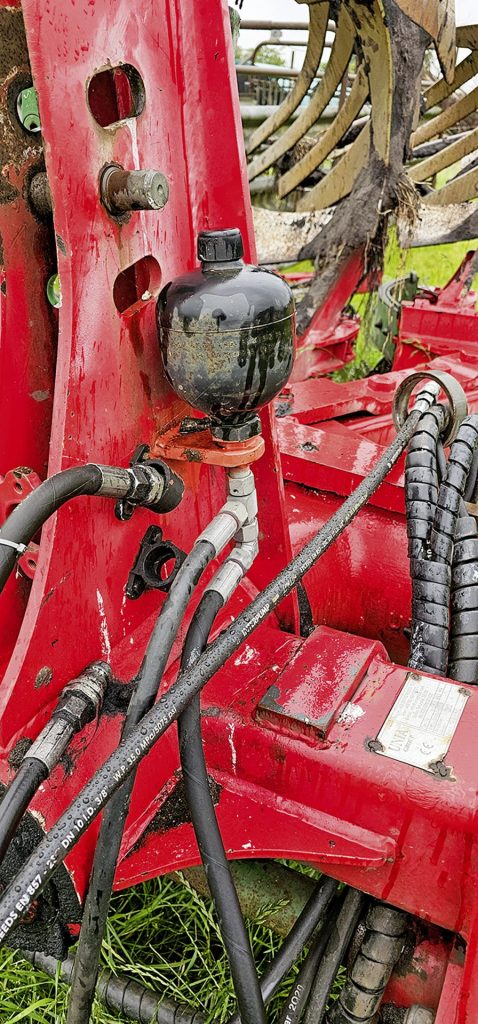
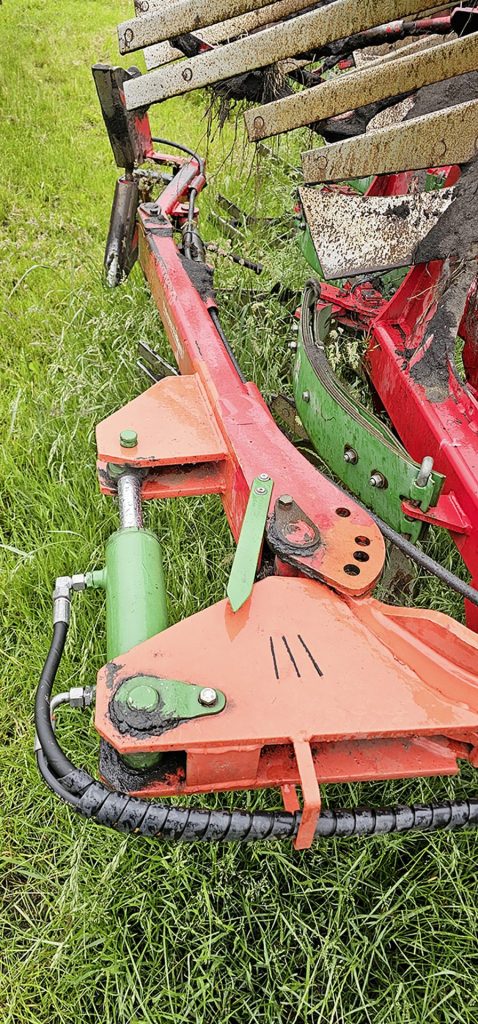
Marc Kiesbye has made some practical modifications to his plough. The press arm is now hydraulically adjustable, eliminating the need to dismount for every obstacle or road journey. This also allowed him to incorporate a larger pivot range for the arm so it can reach out more to catch the press if it is a little farther away. A small scale with an arrow shows the current position. In addition, a new nitrogen accumulator on the press arm ensures shocks and knocks are absorbed, reducing stress on the frame.
LIGHTS FOR THE PLOUGH
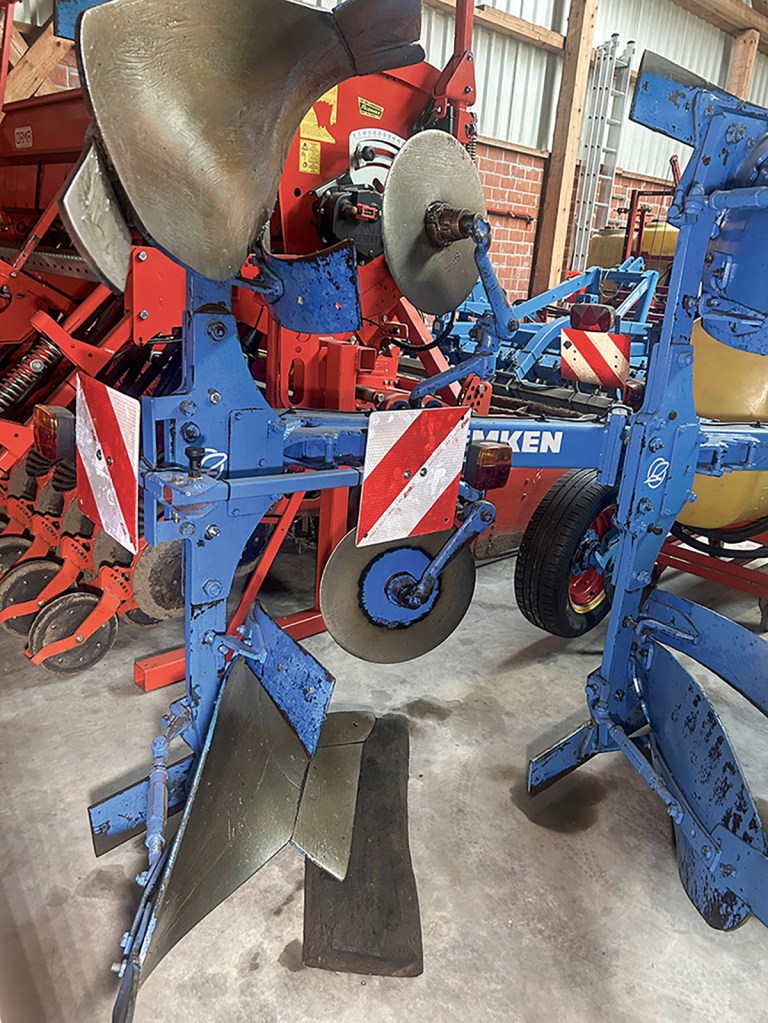
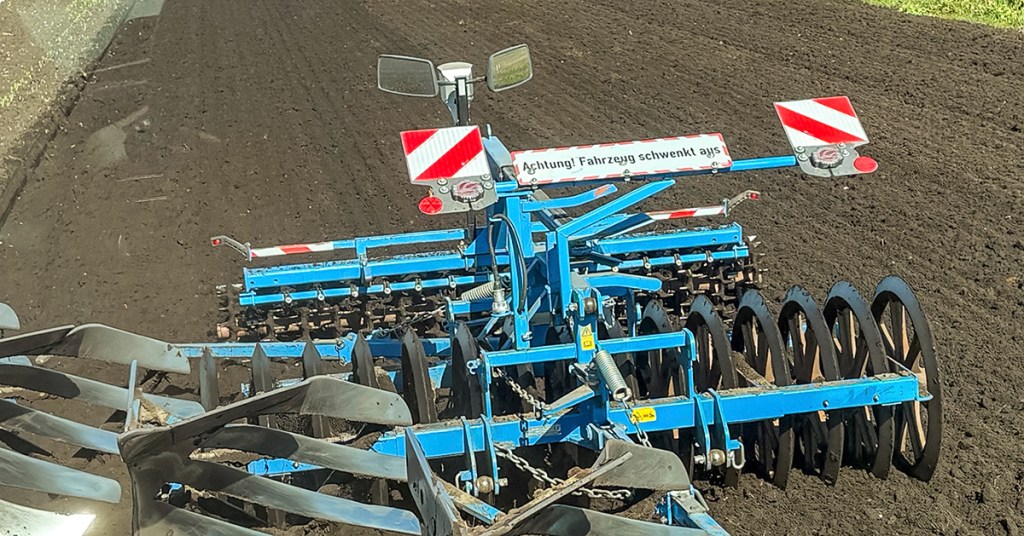
This reader attached a bracket for a warning panel and light to the rear of the plough’s beam. The rear light has a flashing indicator to signal a turn is about to be made — but not the direction. It doesn’t matter which way over the plough is turned, as the panel is always correctly orientated. The wiring was routed along the frame, protected by the hydraulic pipes and placed in the middle of the hoses at the turnover.
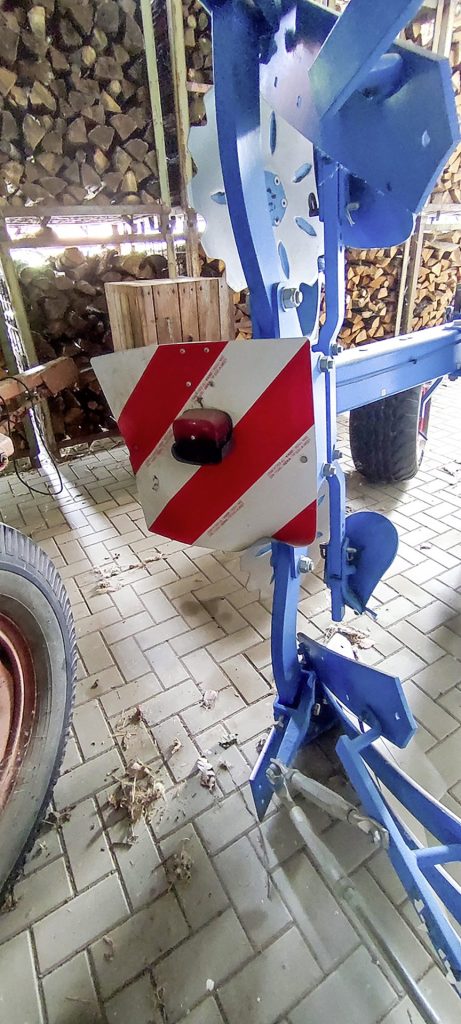
Here is another retrofitted light set-up. The lamps are mounted on a flat steel bar and protected by thick-walled 150mm tube so that any falling soil doesn’t damage the lens when the plough is being turned over.
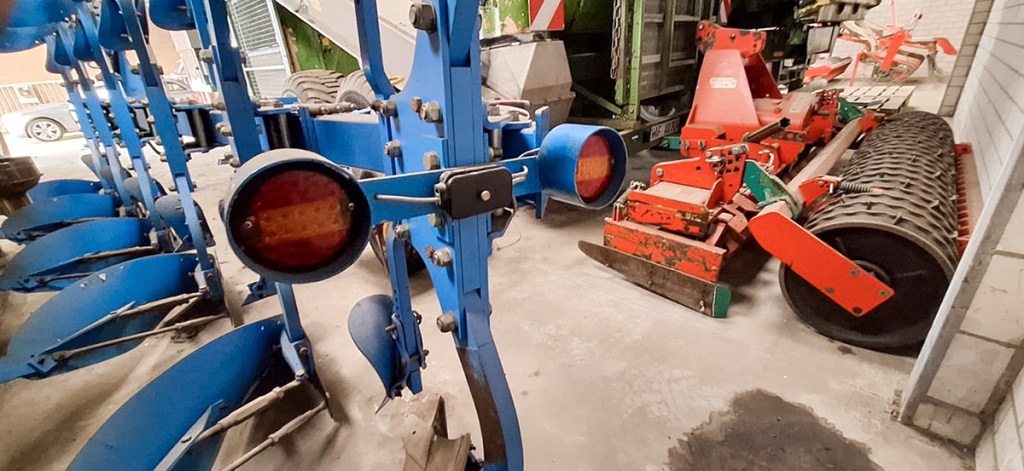
Another example of retrofitted warning panels and rear lights. This solution does, however, require the operator to ensure the plough is turned over correctly before going onto the road. Both panels are foldable; the right-hand panel tucks in beside the beam when ploughing.
IN TOW
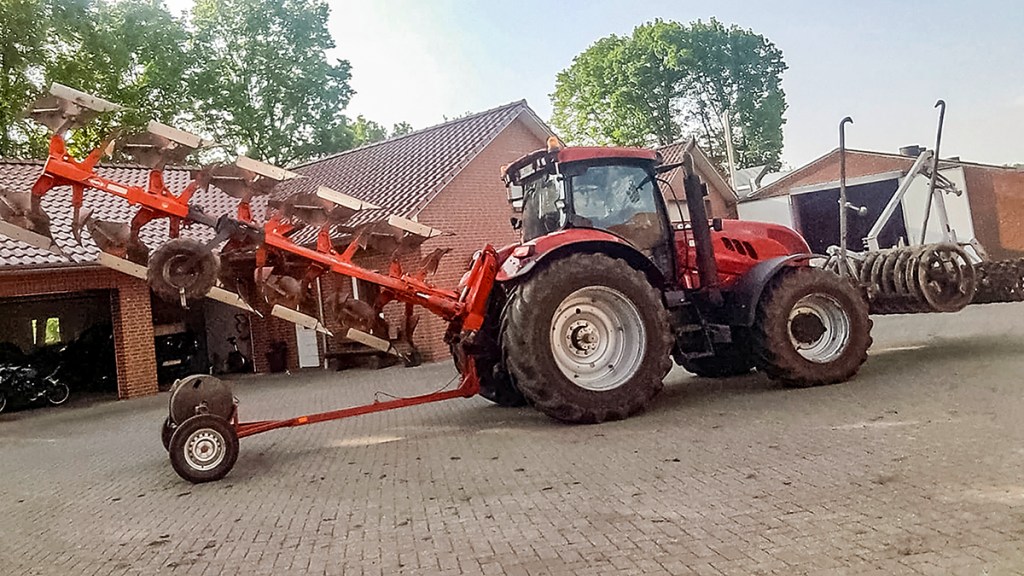
To have everything to hand in the field, this reader built a transport frame for his front weight. The press is carried on the front linkage while the trailer that transports the front weight attaches to the tractor’s hitch. Once in the field, the press is dropped off and the weight is hooked on. The little trailer is then shifted out of the way until the field is ploughed and it’s time to move to the next job.
SAFETY UPGRADE
Daniel Rosenbrock equipped his Lemken Juwel 8i with additional safety features. A ‘Vehicle swings out’ sign was added to the light bar, which can be easily removed and stored on the press using a cotter pin. A mirror system, marker lights and selectable warning lights are fitted to the rear of the press. The electric connection is made via a Suzie cable that connects the seven-pin socket on the front linkage to a swivel plug on the press.
QUICKLY LUBRICATED
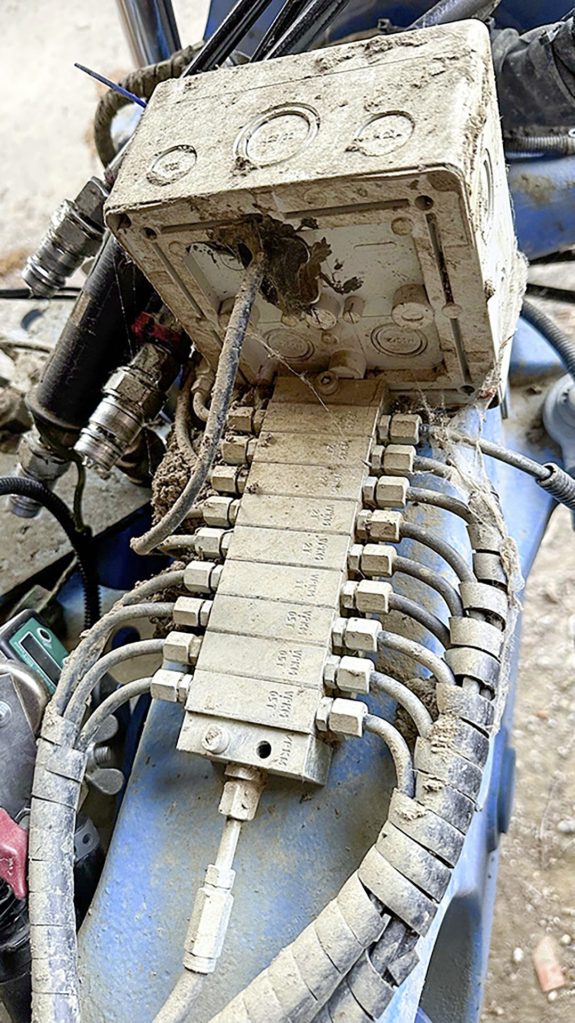
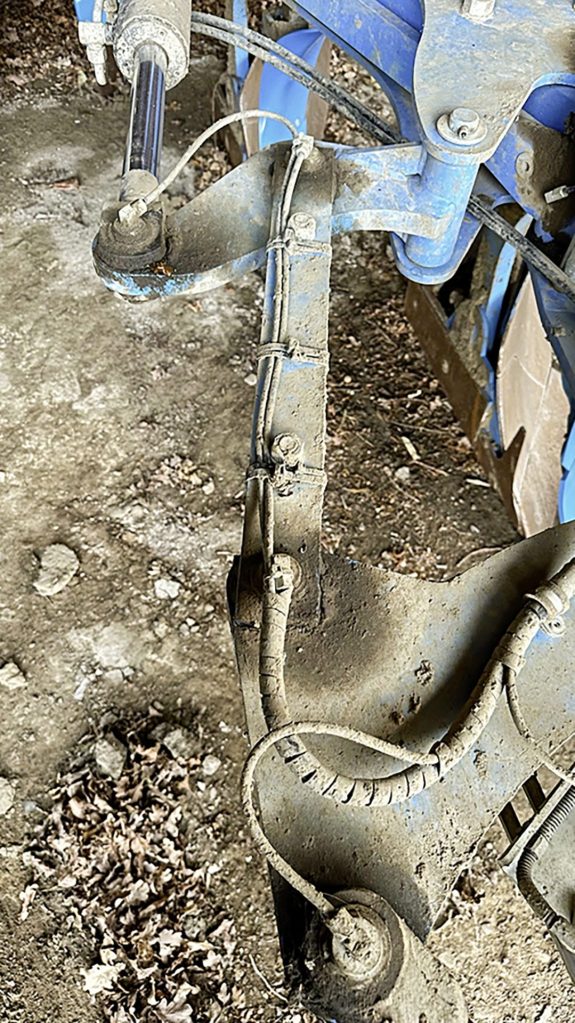
Patrick Zurhold retrofitted a central lubrication system to his five-furrow vari-width plough. The lube bank is supplied via a grease gun which is attached to the three-point linkage. The system means greasing is done in a matter of seconds. He also fitted an angle sensor to ensure that the cutting angle is identical for both ploughing directions.

Maria Henkemeier
For more up-to-date farming news click here and subscribe now to profi and save.