
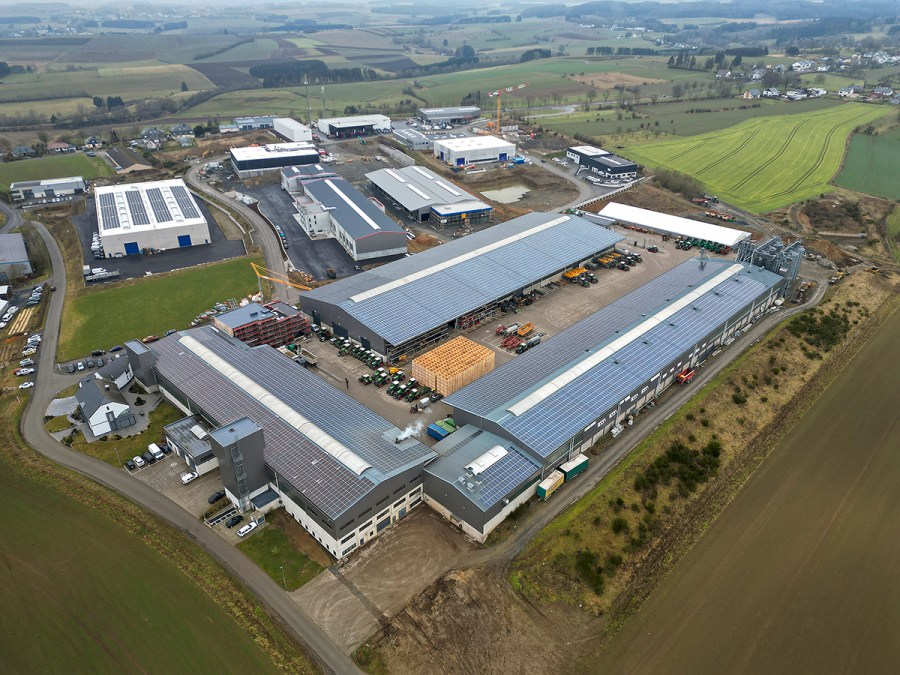
We visited Reiff in 2019, and even since then the business has grown.
That applies to both the contracting enterprise and the classic fleet of Fendt kit.
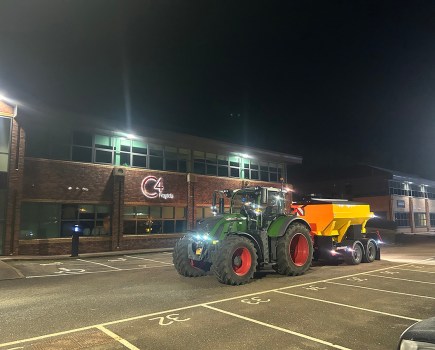
Reiff Contracting, from Troisvierges, in Luxembourg, is well known to many in the farm machinery world, thanks to its impressive premises and its large Fendt collection. Since our visit almost seven years ago, the Reiff business has continued to grow at a rapid pace.
KEEPING IT BRIEF
- The main site, with 19,000m² of covered space and 4.2ha overall, is now too small in many respects due to the rapid growth of the business.
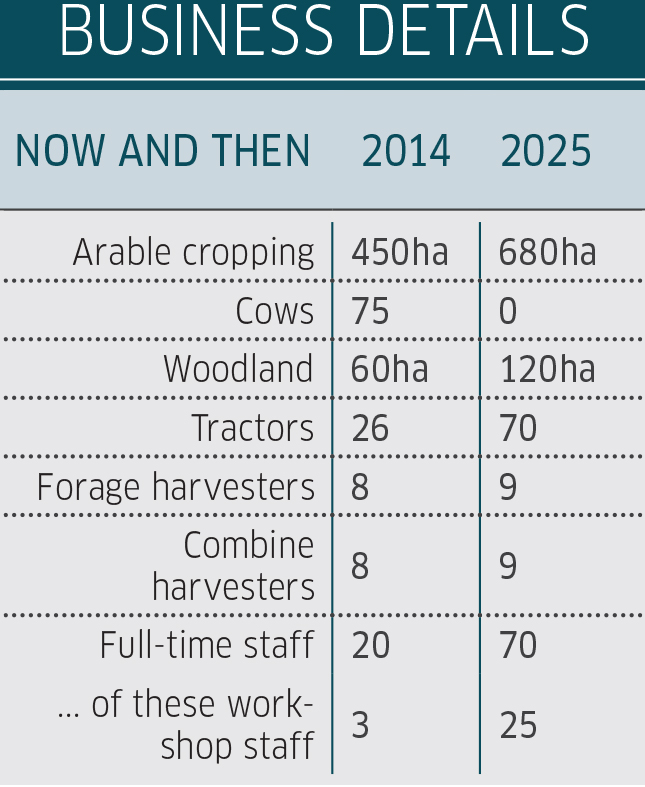
- Today, it employs 70 full-time staff; 25 of them are mechanics in the workshop.
- Reiff became an official Fendt dealer in 2015.
- Quick recap
Reiff brothers Josy and Johny joined their parents’ business in the 1970s. In 1986, the first Fendt tractor arrived, a Farmer 310 that has now clocked nearly 15,000 hours and is still in use. Before that, they used Fords and Internationals tractors, as well as MB tracs. Back in 2003, Josy’s brother retired from the firm, sparking the company’s growth — Josy had always wanted to expand while Johny preferred to keep things small.
Josy’s son Jeff joined the firm in 2008, just as construction work began on Reiff’s new yard. This was officially opened in 2014, with over 10,000 visitors attending the open day. Unfortunately there are no plans to host another open day, but over 20 groups visit the business every month, and there are plans to build a visitor centre as part of more building work.
Contracting company
The farm contracting business employs 30 permanent drivers and several part-time staff. Two dispatchers look after scheduling using software developed originally by the German contractor Dettmer but modified to fit Reiff’s needs: due to their location they regularly work in neighbouring Belgium, Germany and France, and all these countries operate different national tax rates that accounts need to process. All typical farming services demanded in the region are catered for by Reiff.
Own farm
In 2014, the last 75 dairy cows were sold so the contracting and arable enterprises could be expanded. The in-hand cropping area has grown from 450ha to 550ha and the plan is to soon increase this to around 680ha. The forestry area has doubled to 120ha, the business using a woodchip boiler to heat the buildings.
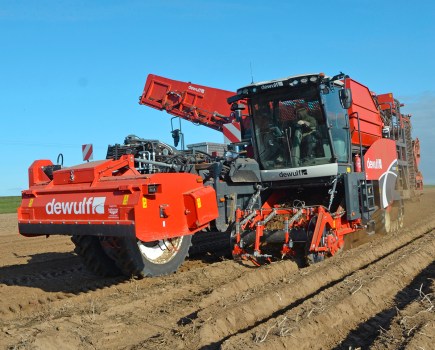
Reiff originally built a 15,000 tonnes grain store, which it leased out, but after ten years the storage was reduced to 8,000 tonnes as less grain was grown in the area. In August 2024, Reiff converted the remaining part of the building into a potato store. Actually, potatoes have become a major crop, both in the contracting business and on their own farm. From 12ha in 2015, Reiff does all the field work on around 400ha for customer Mark Nicolay, who bears the crop risk and does the marketing.
Machine dealer
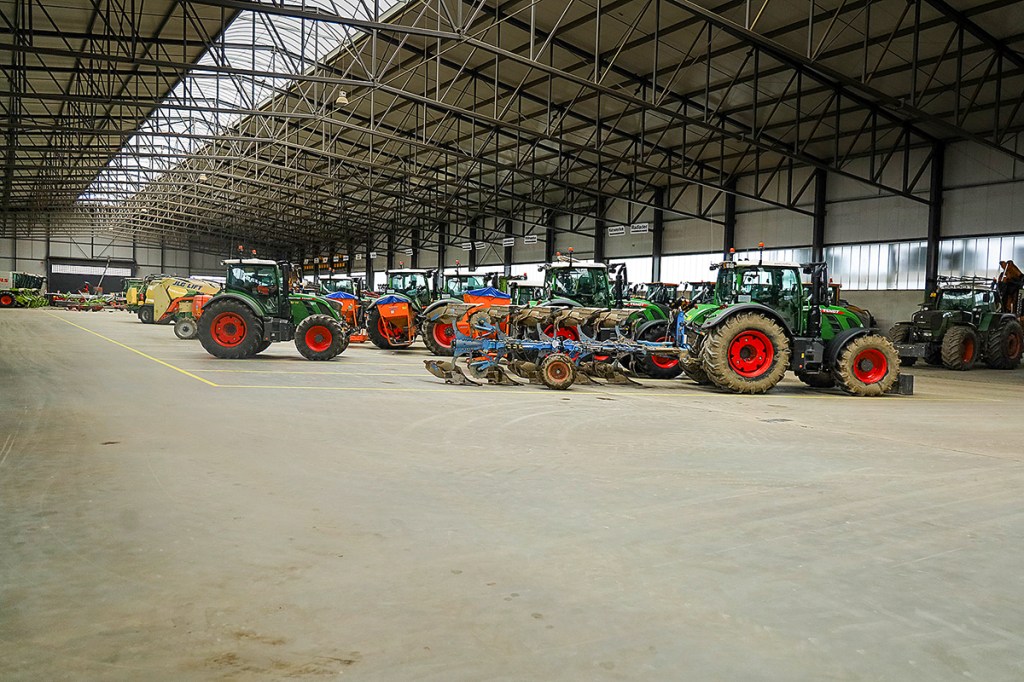
Another mainstay of the overall business is ag machinery sales, with Reiff becoming a Fendt dealer in 2015. The strategy is simple: Reiff buys several tractors at once for better discount terms and then uses these tractors in the contracting business for one to two years, clocking 500 to 1,000 hours. This provides a steady supply of 40 or so young used machines every year. It has proved popular with customers, and the contracting side of the business has a young and modern fleet. Reiff also replaces its Claas foragers and combines every two years or so and does the same with the Väderstad precision planters.
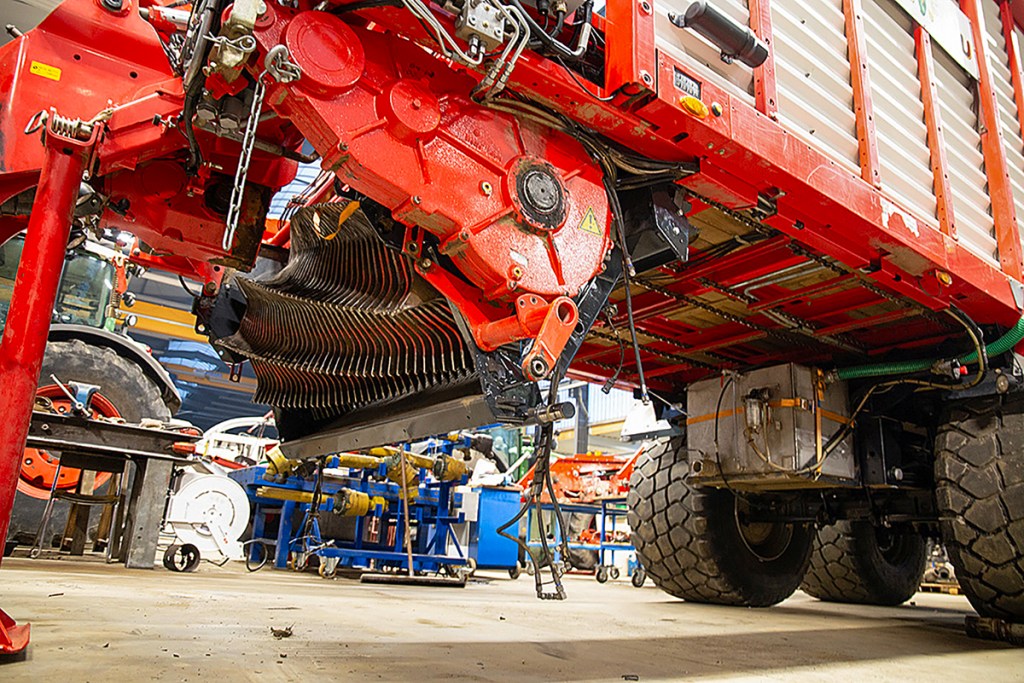
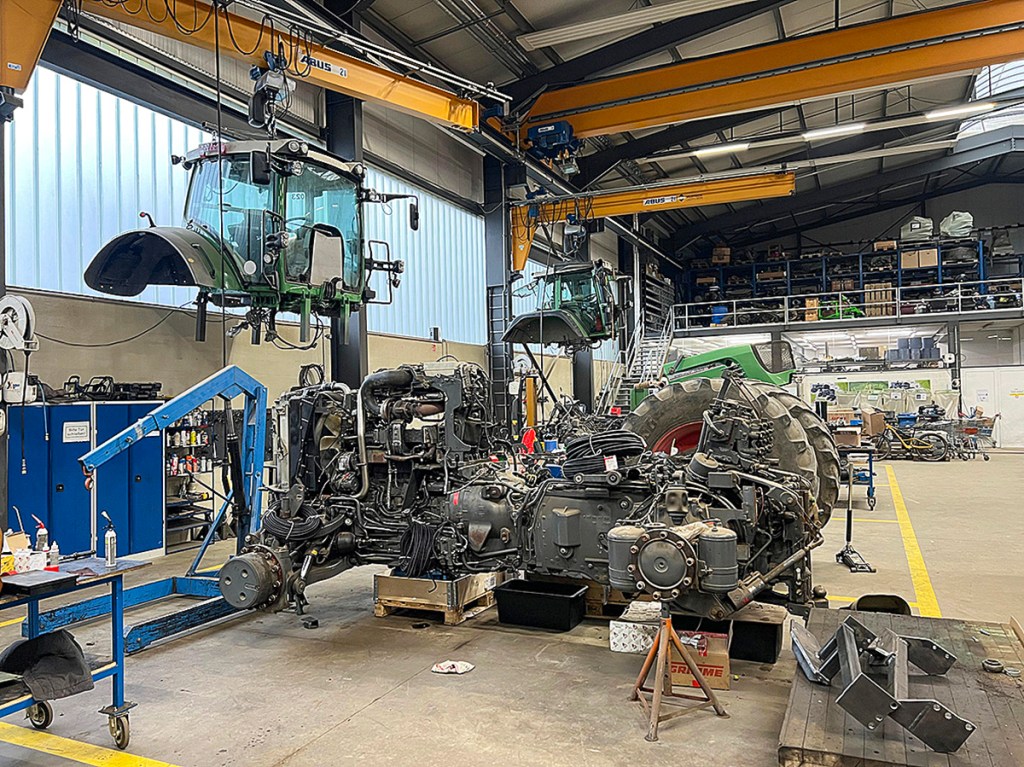
The machinery workshop employs 25 staff plus five apprentices. Customer repairs now account for around 40% of the jobs, mainly because the contracting fleet is now a lot younger, which has dramatically reduced repairs. Plus, increasing machinery sales mean more servicing and repair work.
Workshop areas
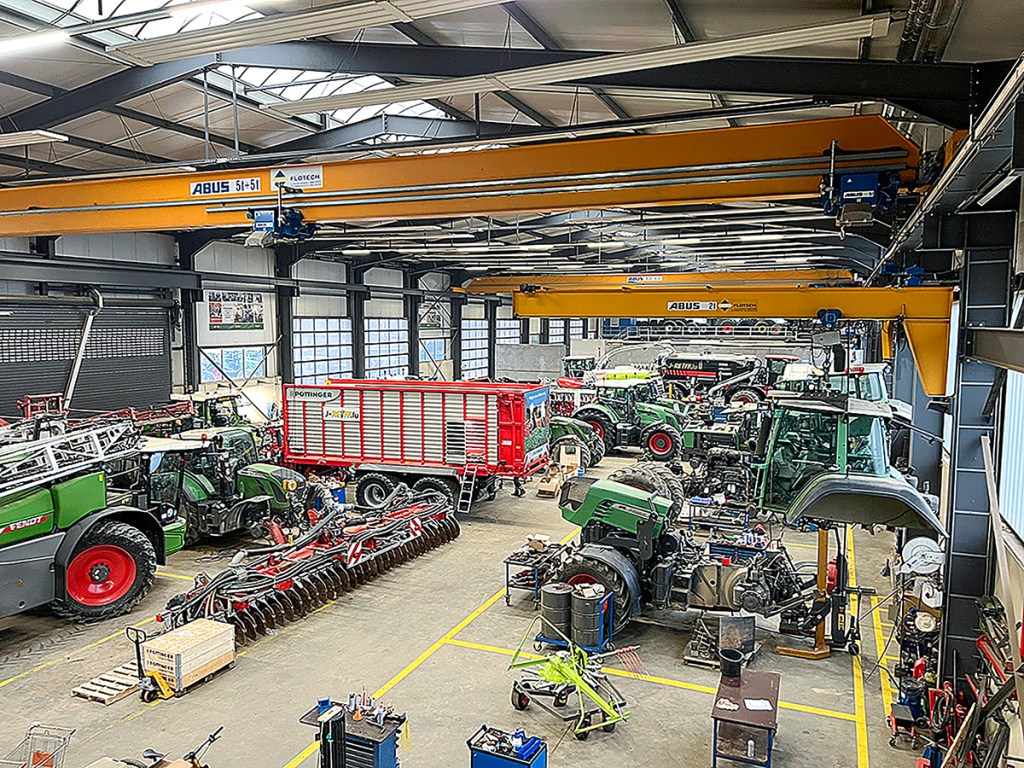
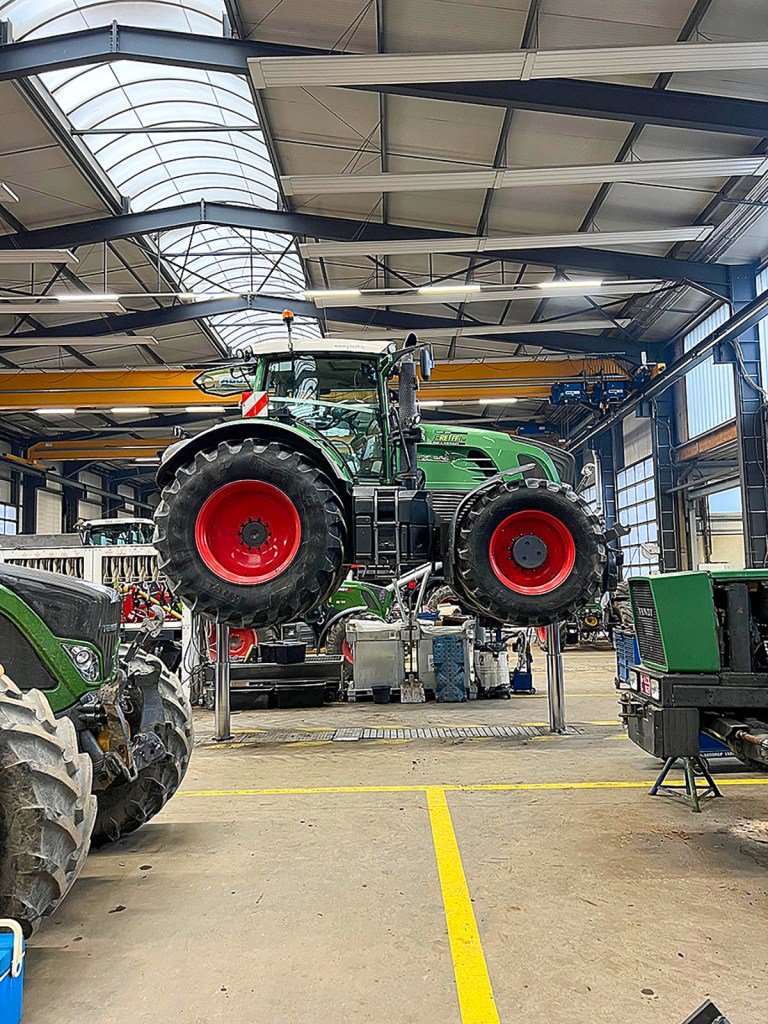
The workshop has several main areas. The vintage area is where tractors from the Reiff collection are repaired. Right next to it is the tyre area. For larger tyre changes, there’s a hydraulic lift that can handle machines weighing up to 30t. Directly above the tyre workshop is a large store with a spare wheel for every vehicle in the fleet. A Unimog with a crane is available for mobile tyre service.
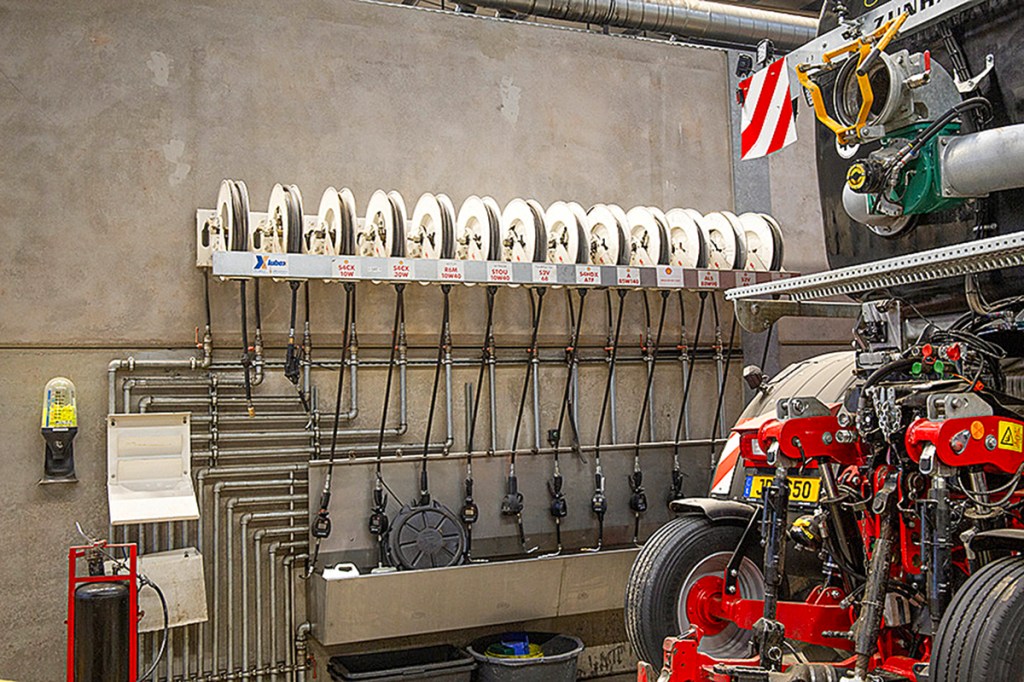
Next door is the engine reconditioning area and the machine shop with a CNC mill and three lathes. This is where spare parts such as gears, drive shafts and piston rods are made. They can even produce components that are no longer available from the OEM, something that is particularly important for the vintage collection.
Another key area is the fabrication shop, where the team carries out repairs as well as modifications and bespoke builds. Since 2019, a 25m high storage tower for steel and sheet metal has kept things organised. In the building next to the workshop, there’s a wash hall and a paint shop with two spray booths and a sandblaster. Paint colours can be analysed with a scanner and then mixed in-house.
Reiff does around 95% of its own repairs, but when there are electronic issues on the foragers, for example, the franchise dealers have to be called in.
Parts store
Josy Reiff’s philosophy has always been to keep a stock of all the essential parts on site to ensure machines stay operational. “The parts we buy in the winter order cost only half what we’d pay for express delivery in summer. For that price difference, I can store the part for a few years and reduce machine downtime.”
A parts store was built back in 2012 but it quickly became too small, so in 2015 the company built two 10m automated high-bay storage towers. This facility was extended with another tower in 2017, and since then all three towers were increased to 15m. Now it’s almost time to add more storage.
The fleet
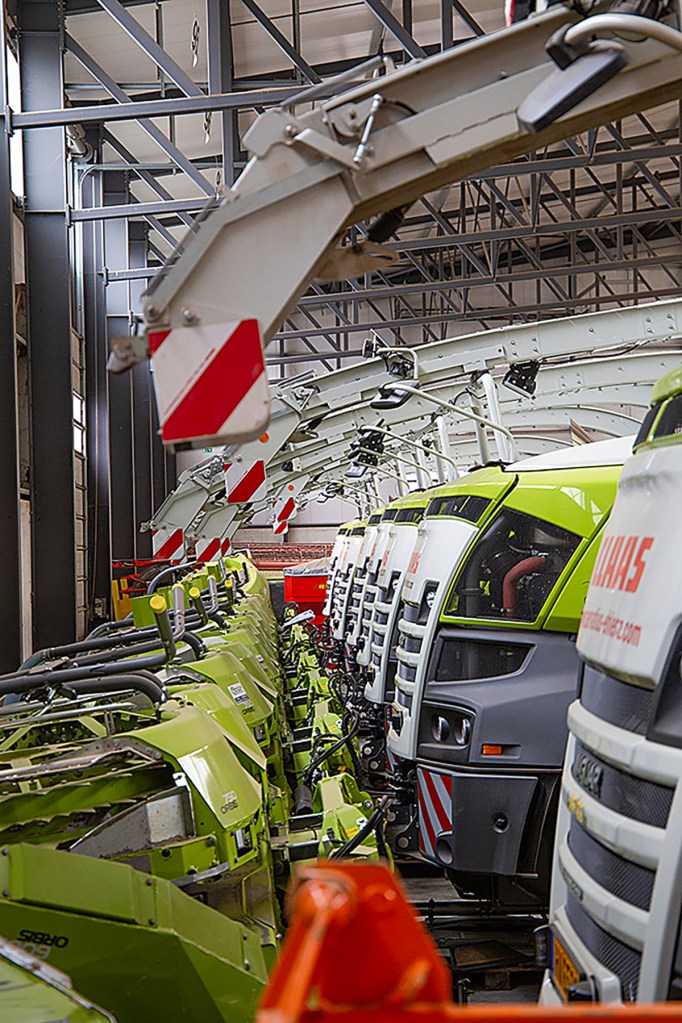
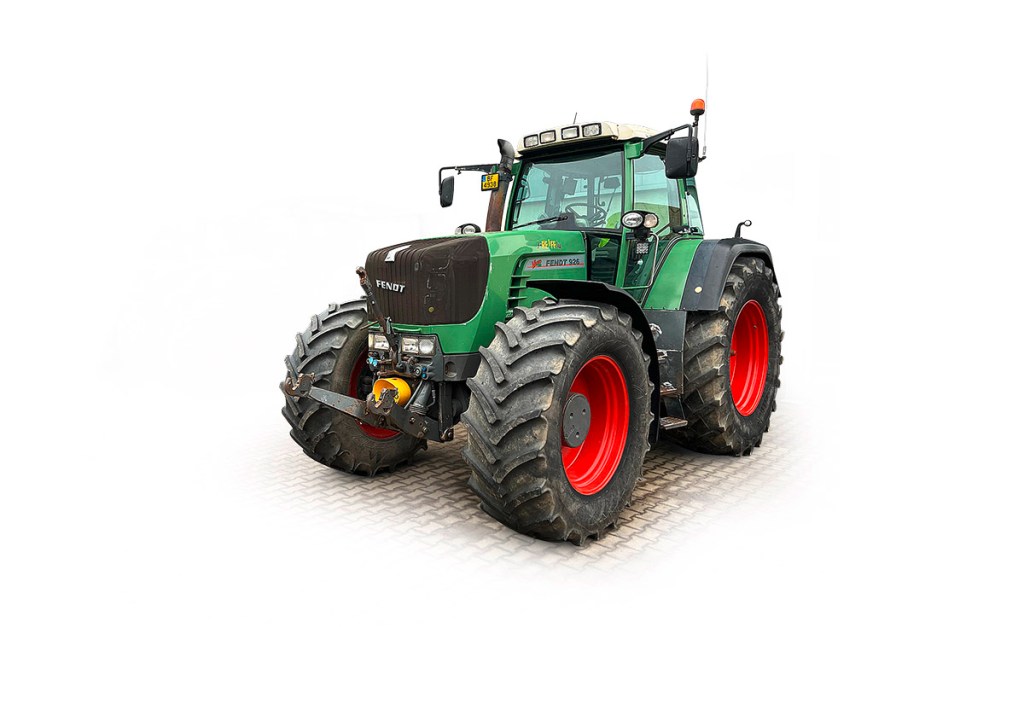
The current fleet includes more than 70 tractors, nine foragers, eight combines and over 270 implements.
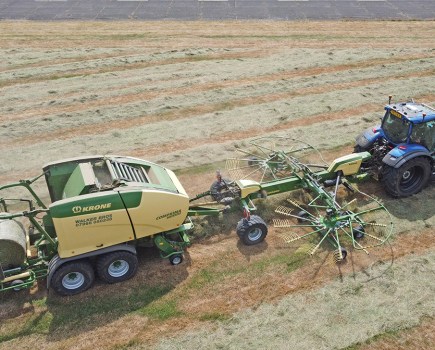
The size and structure of the business means that, if a forager breaks down, it is either repaired or replaced within two hours at most. And there are 18 forage wagons for grass silage.
Some of the tractors that have clocked up 20,000 hours or more end up in Josy Reiff’s collection, which now numbers over 400 tractors. Among other projects, the team is currently restoring Reiff’s first Fendt Vario 936 for the collection.
Staff
Today there are more than 70 permanent employees working for the business, and the firm regularly hosts work placement students from home and abroad. “Our most important asset is our staff. What good is all this modern infrastructure if we don’t have a team that can run it all?” The entire Reiff management team agrees on this.
The family places great value on treating staff well and with respect. There’s a flat hierarchy but clear structures. These include two dispatchers, a site manager, a workshop manager, four within the warehouse and one person who keeps a monitoring eye on site organisation. This structure not only takes a lot of the pressure off the business manager, but it also ensures decisions are made quickly. Each supervisor is responsible for around 20 to 30 people.
Luxembourg also faces a skilled labour shortage. At the moment, however, Reiff can’t complain — typically, more applications come in than there are current vacancies. The firm scores well in the job market mainly thanks to its cutting-edge machinery and equipment.
Customer base
Around 75% of the business’s customers are dairy farmers, with the other 25% made up of beef finishers and biogas producers.
The dairy farms have played a major part in the contractor’s growth. In the area around the business, fields are small and the terrain is hilly. Roads and gateways are often very narrow.
From Luxembourg, the company also goes into Germany, France and Belgium. Working across these four countries, not surprisingly, brings a number of challenges — permits for extra wide machines, different agricultural regulations and laws and different tax rates. Many people working here speak several languages. This makes communication with customers easier.
The working radius covers around 60km. Specialist machines like the straw mill also travel farther, with the dispatchers setting up routes for the machines calling on several customers.
Pricing
Reiff’s top two priorities are work rate and reliability. The business would prefer to be more expensive than its competitors but can guarantee that the harvest is brought in on time.
“Most farmers today are business managers. They know exactly what it costs when grass lies in the field five hours too long with nothing happening,” explains Jeff Reiff. It’s all about doing the job well … and on time.
SOME FAVORITS
If you are into Fendts, then there is a good chance you will have heard of Josy Reiff’s collection, which has been expanding for more than 25 years. “I’ve certainly worn out two Mercedes cars just on looking at tractors around the globe,” says Josy.
400 exhibits
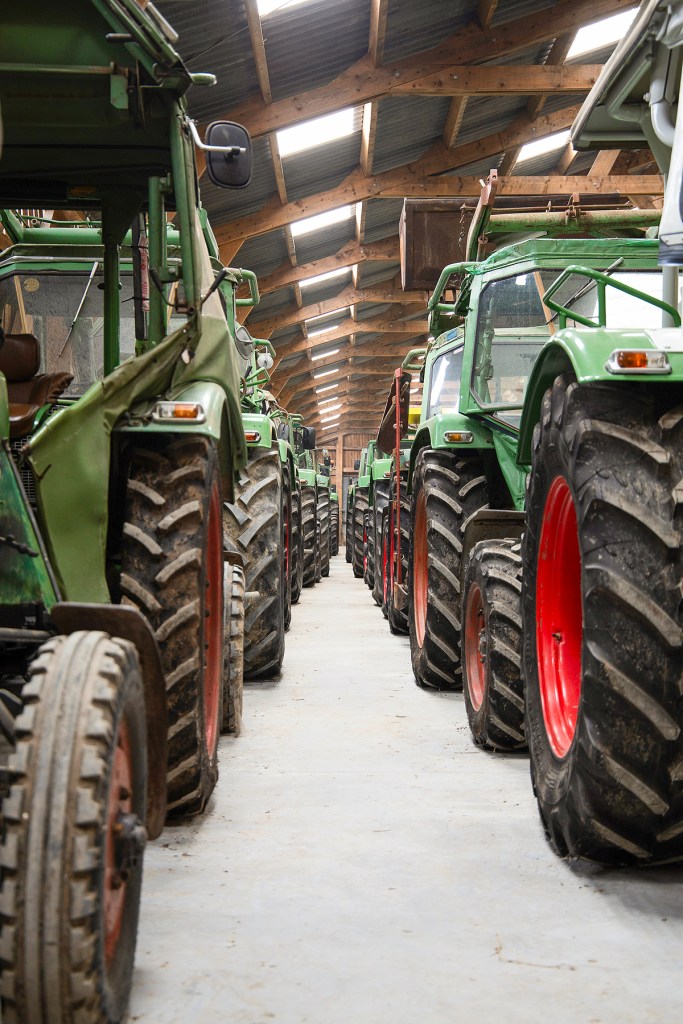
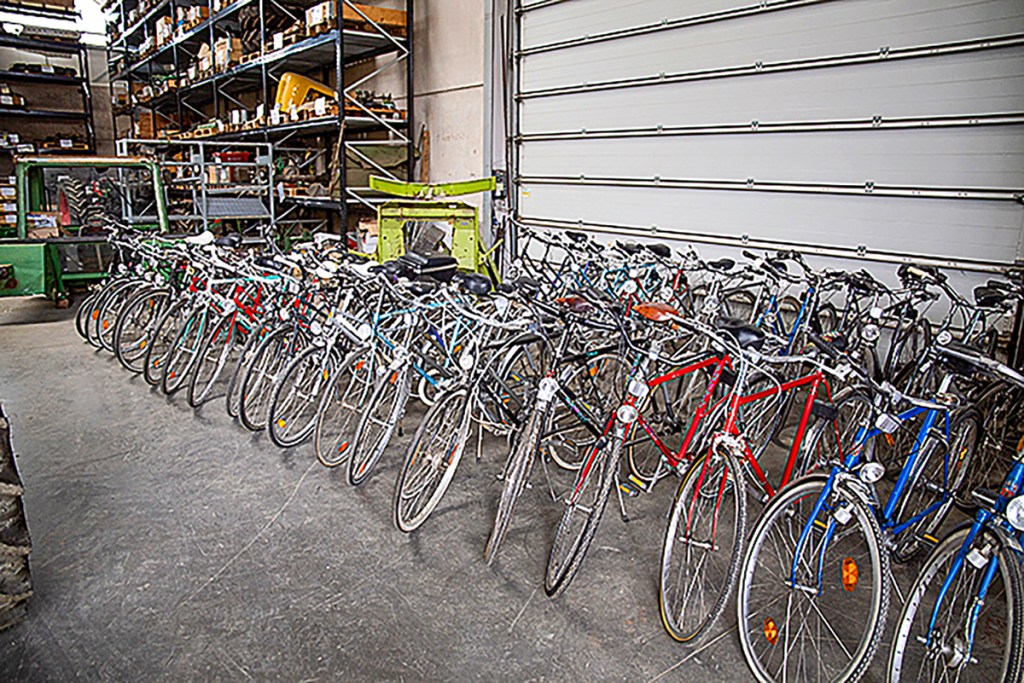
The collection consists of tractors (production, one-offs and prototypes), special vehicles such as snow groomers and loader wagons, and other machines such as trailers or bicycles that Fendt has produced over the past 90 years or more.
When it comes to picking some highlights during our tour, Josy says: “Developing such an innovative all-wheel-drive technology so early on was something very special at the time.”
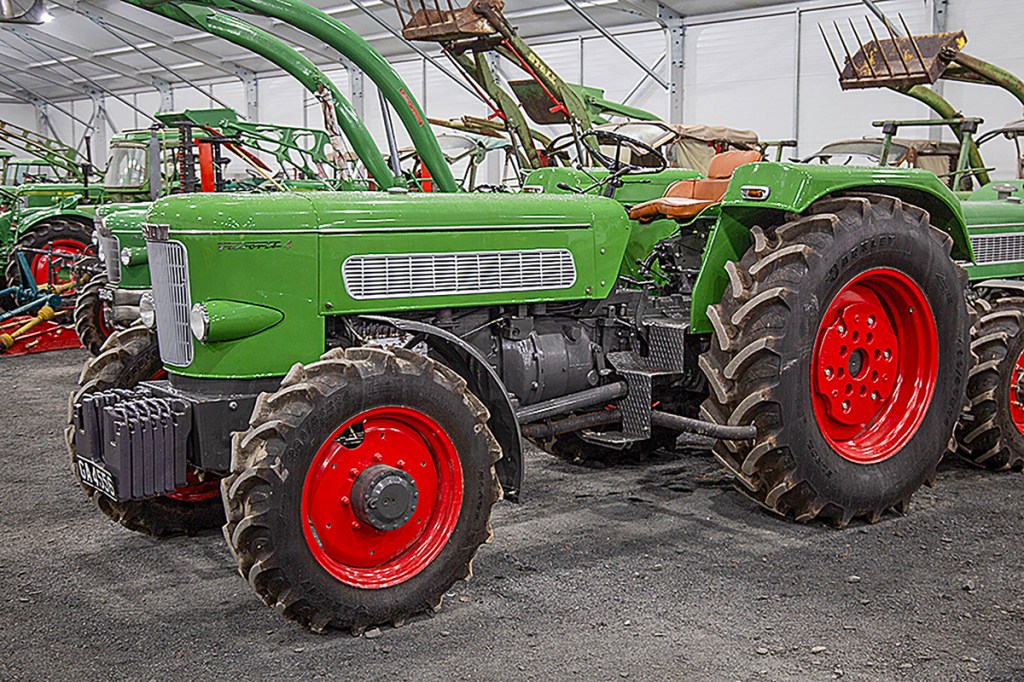
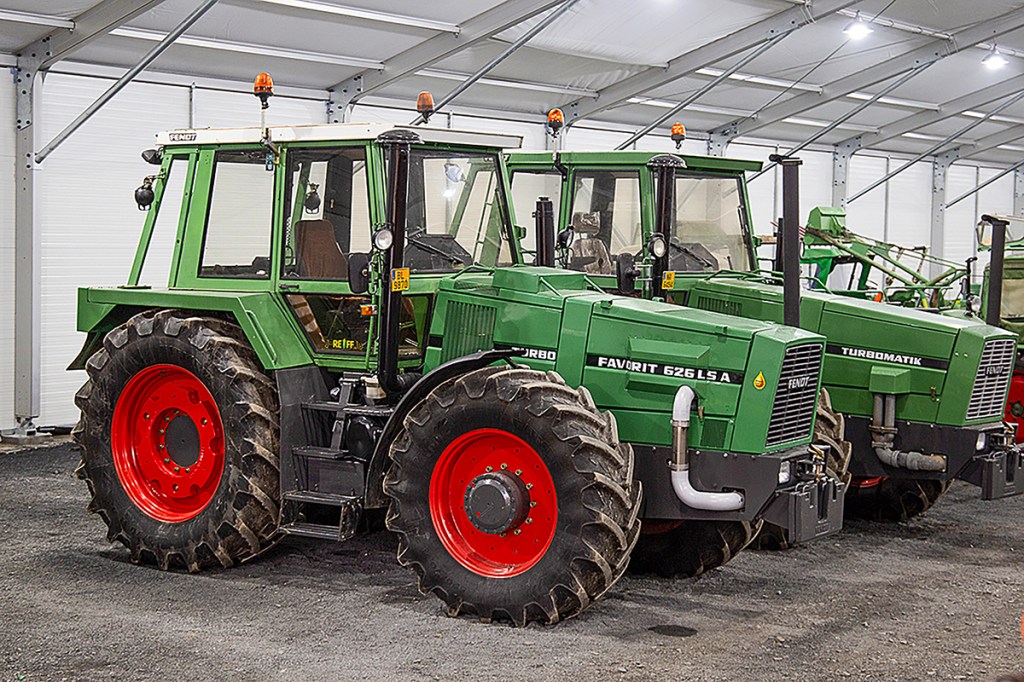
But the Favorit 4 also gets a special mention, as it was the first series with six cylinders, six gears instead of four, and a turbo clutch.
Five locations, one dream
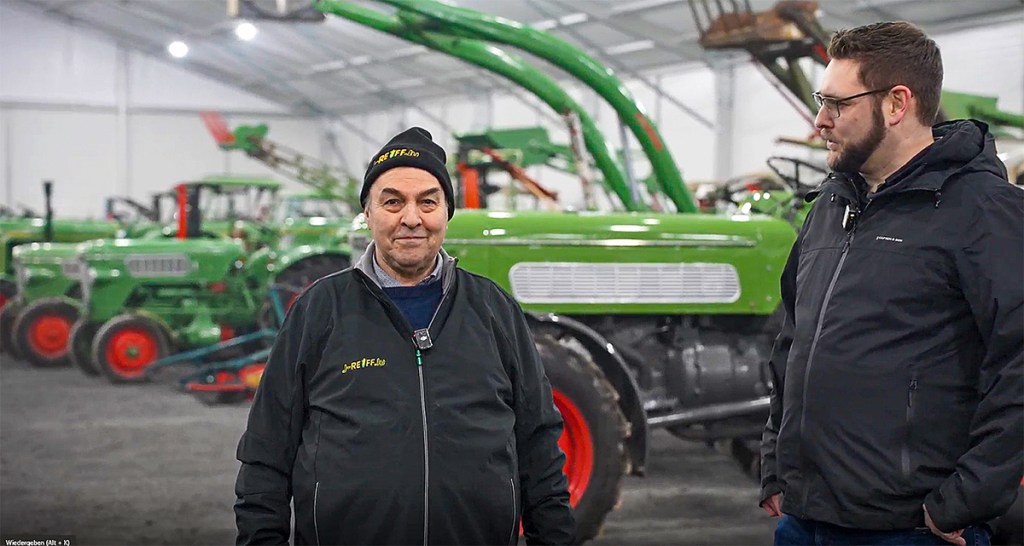
The collection is currently spread across five locations. Approximately 50 tractors are housed at what was the contracting business’s old yard, while 130 exhibits — ranging from the first Fendt tractor from 1930 to those from around the late 1960s — are located at the current headquarters. Another 130 machines are housed in an old cowshed in Belgium, which was specially converted for the tractors.
“This mainly concerns the 800, 600, 300, and 300 GT series,” reports the proud owner. Other specialist vehicles, such as orchard tractors, are stored in a covered silage clamp, and his Fendt Xylon is located at a site in Germany.
“My dream is to have the entire Fendt development process in a Fendt experience centre at one location.”
Collecting out of passion
But how did the tractor collection come about? “I never did it for the money, but initially started it for my son Jeff. And ultimately, of course, I enjoyed it myself,” explains Josy.
“One day, some people came to see our collection, which at the time comprised about 100 exhibits. They were looking for a specific model that their grandfather or father had driven. Unfortunately, we didn’t have that particular model, and so the people left disappointed,” Josy recalls. This experience sparked his ambition to complete the Fendt collection with all the models.
“My wife thought we should be done with 100 tractors. I thought we’d need about 200. Now we’re at 400,” Josy laughs. And a few more models are on the wish list to complete the collection.
PEDAL POWER
Sebastian Rüther, Malte Sohst
For more up-to-date farming news click here and subscribe now to profi and save.