
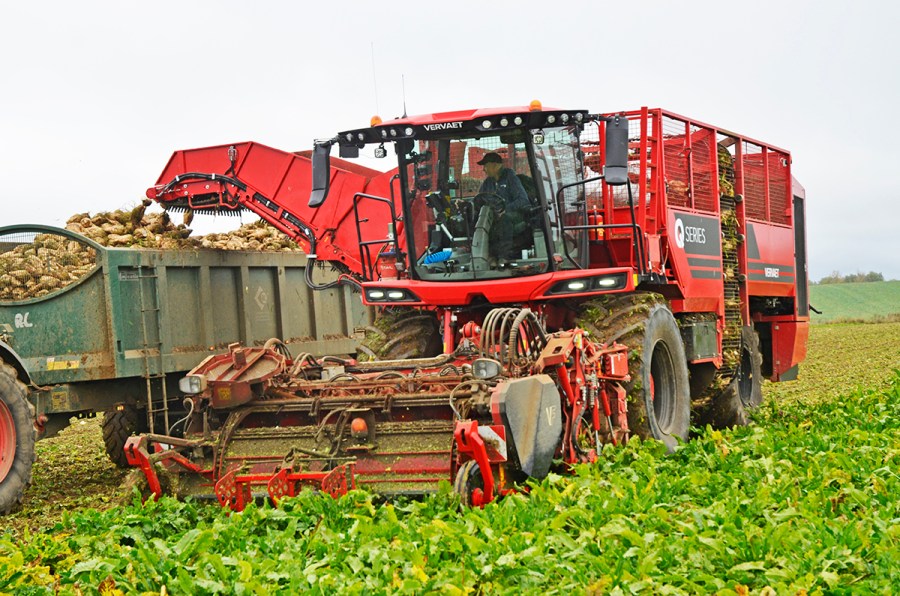
British contractors Peter Steward and Paul Stent are both fans of the Vervaet Q616 six-row sugar beet harvester. One is a fervent user of the axial rollerbed option. The other prefers turbines. We find out why.
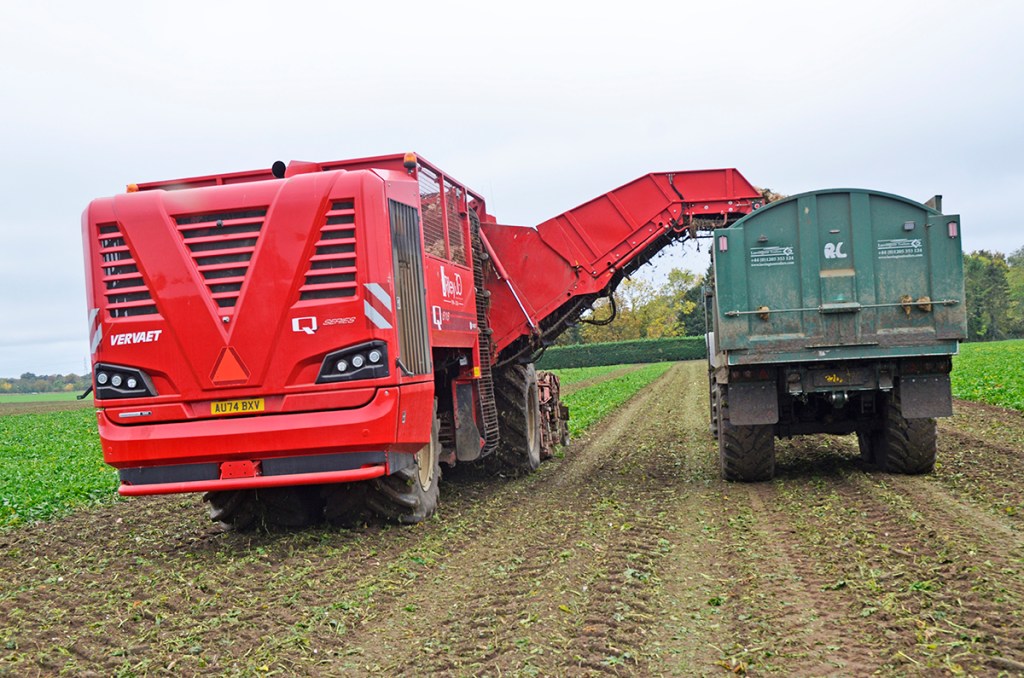
Lifting within a 50-mile radius of Ipswich, Suffolk-based P E Steward took delivery of its first Vervaet harvester, a 17T, in 1999. Today, the contractor relies on two Vervaet Q616 (six row 18t bunker) machines which are both fitted with the rollerbed primary cleaning system option. One is a two-year-old machine, whilst the other, new last year, is fitted with the latest Claas X11 cab.
From 2013, for seven seasons, the contractor also ran a second harvester from another manufacturer equipped with a rollerbed alongside a succession of Vervaet models. For 2020 it standardised on a pair of Vervaet Q-616 harvesters, both with turbines.
But after a rollerbed was introduced as an option for the Q-616, for the 2021 beet campaign, Peter Steward replaced one of his harvesters with a new rollerbed-equipped model for 2024 and the second turbine machine was similarly ousted for 2025.
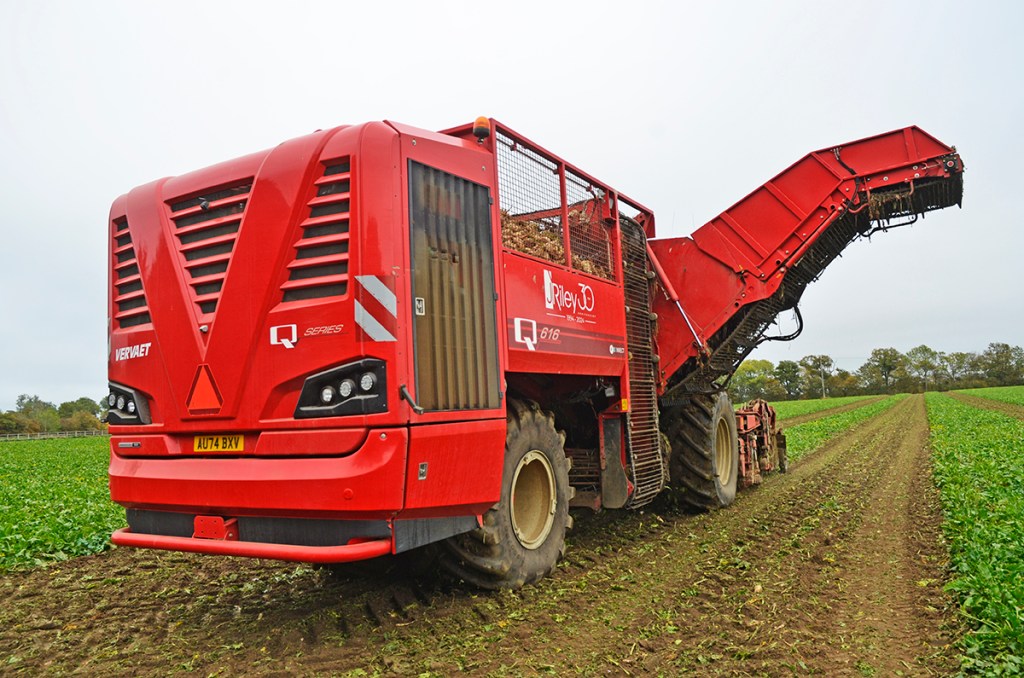
Rotating walking shares lift the beet on to the bed, which comprises of seven full-width, 100mm-diameter rollers instead of the normal twin front turbines.
The variable speed rollers (300 to 600rpm) clean and move the beet through the machine, and to maximise the cleaning effect, the beet is first taken outwards on the smooth spiral rollers before being gathered back to the centre.
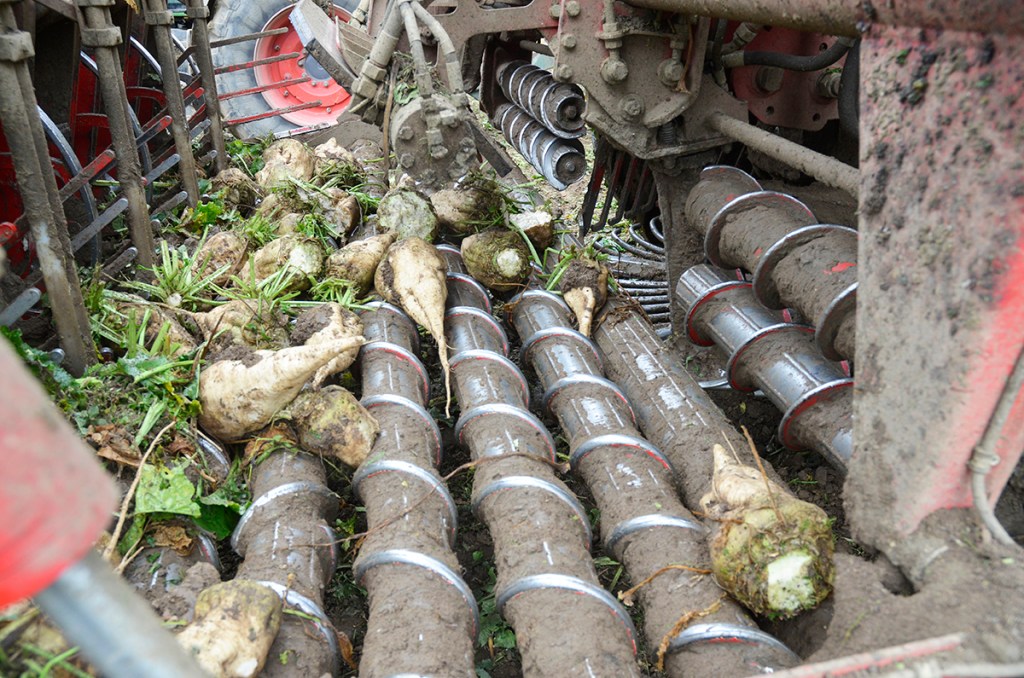
The seventh roller is reversible. Unique for Vervaet beet then passes onto a cleaning turbine instead of a transfer belt, and onto a further three cleaning turbines.
The rollerbed option was fitted to three of the 11 new machines delivered to the UK in 2024 and two of the seven in 2025. Operator Nick Coulson confirms it is a more expensive option, but that most of the additional cost can be recouped with the harvester’s higher residual value.
Also, the contractor does not always work in perfect conditions, and Nick explains that his preference for the rollerbed is that it is gentle on the beet, can put more tap roots on the heap and provides a reliable crop flow to the central turbine which eases life for the operator.
“The rollerbed works well on light soils and is great on heavy land and takes out any lumps of clay before roots are delivered to the first turbine. You shouldn’t lift soil in the first place but if you do then the rollerbed allows you to get rid of it.”
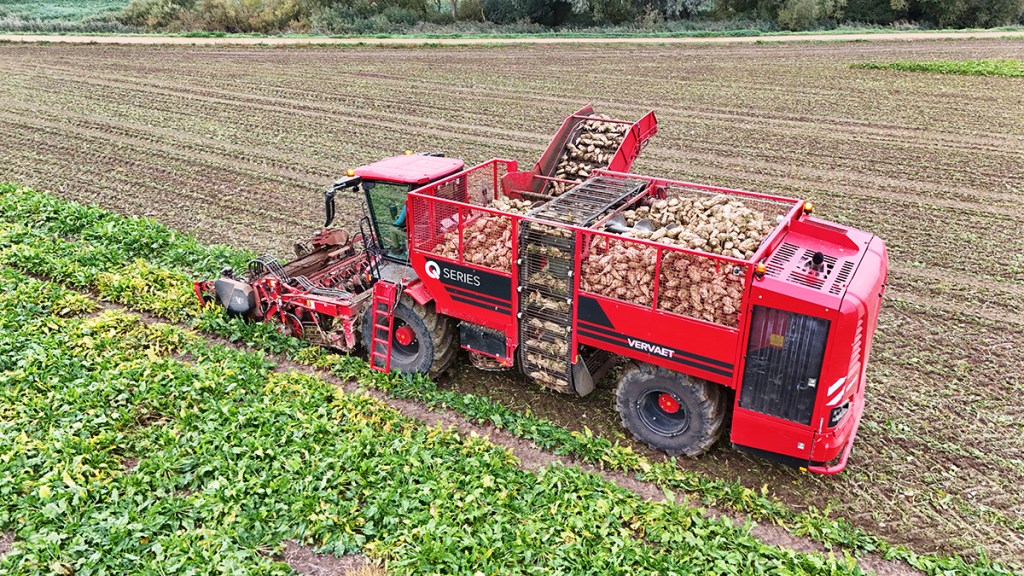
The rollerbed has worn well and all they did last summer was hard face the rollers for a second season.
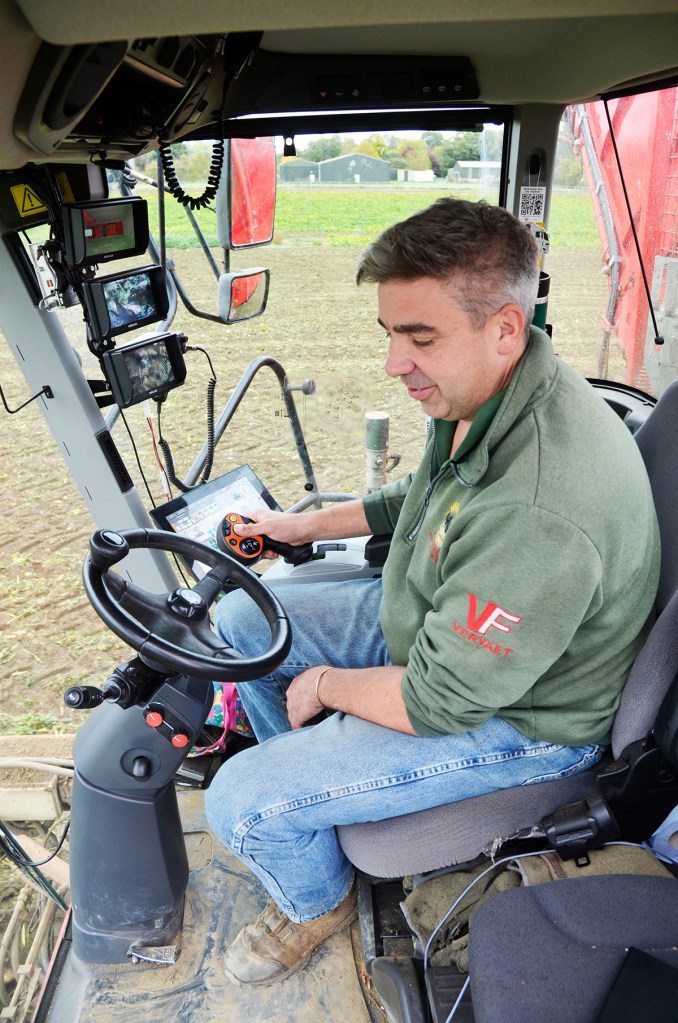
Travelling through the crop at speeds from 6.0-6.5km/hr, the operating terminal and joystick were carried over from the previous machine, but the roomier cab provides a lot more storage space and Nick likes the new electric side mirrors. “They are fantastic and the larger glazing area allows me to see a lot more of the sides of the harvester.”
And while the cameras are the same, they now provide a 360-degree birds eye vision of the rear half of the Q. “The hydraulics have also been tweaked, and all movements now seem much smoother.”
STICKING WITH TURBINES
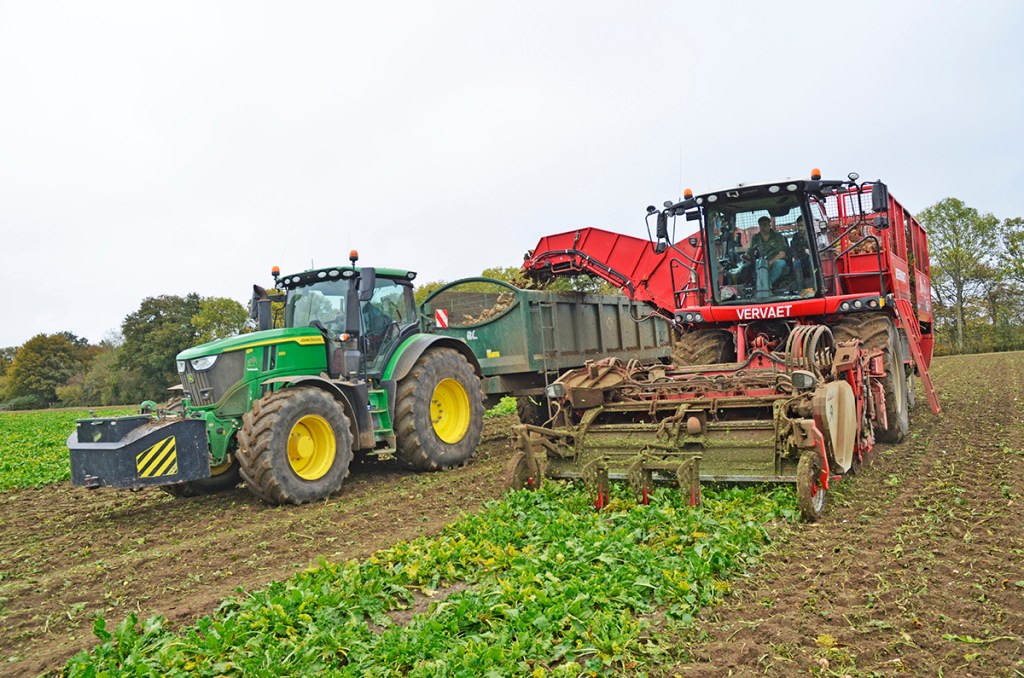
P J Stent contract drills vining peas, and grows wheat, sugar beet and spring barley on the family farm, but the main job is to lift around 3,000ha of beet for about 45 customers throughout Norfolk and Suffolk.
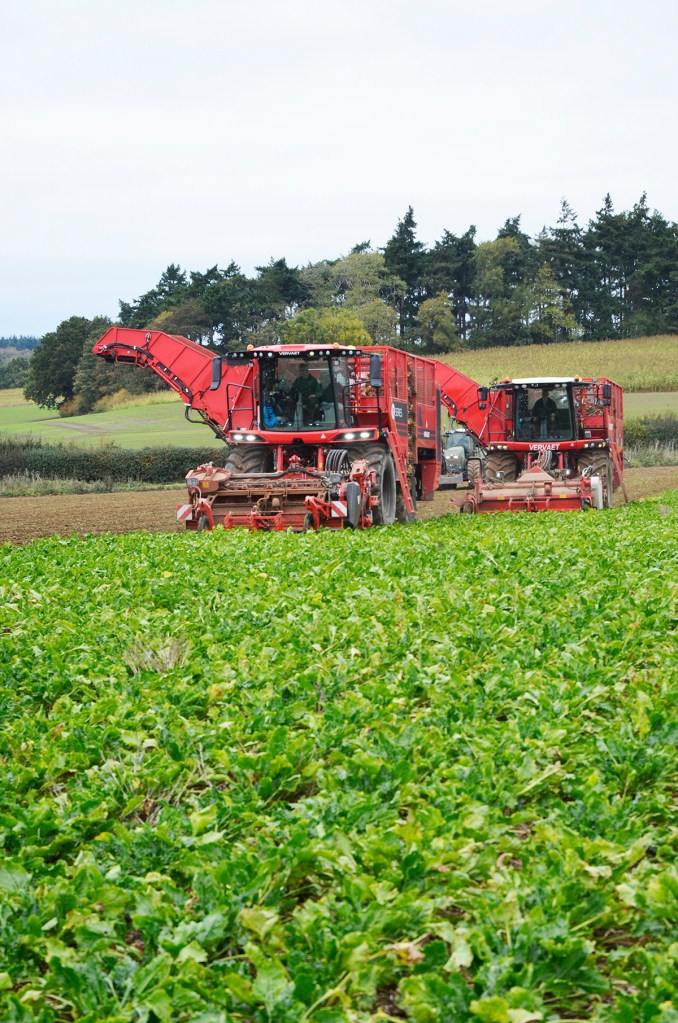
Based at Beccles in Suffolk, Paul started in the beet job 25 years ago with a 1993 made 12t Vervaet harvester. It has been followed by a succession of 22 Vervaet models, the sea of red being broken only once by a 2000 Riecam RBM 300-S which made a brief appearance was also supplied by Rileys when expanding to second harvester and a used Vervaet wasn’t available.
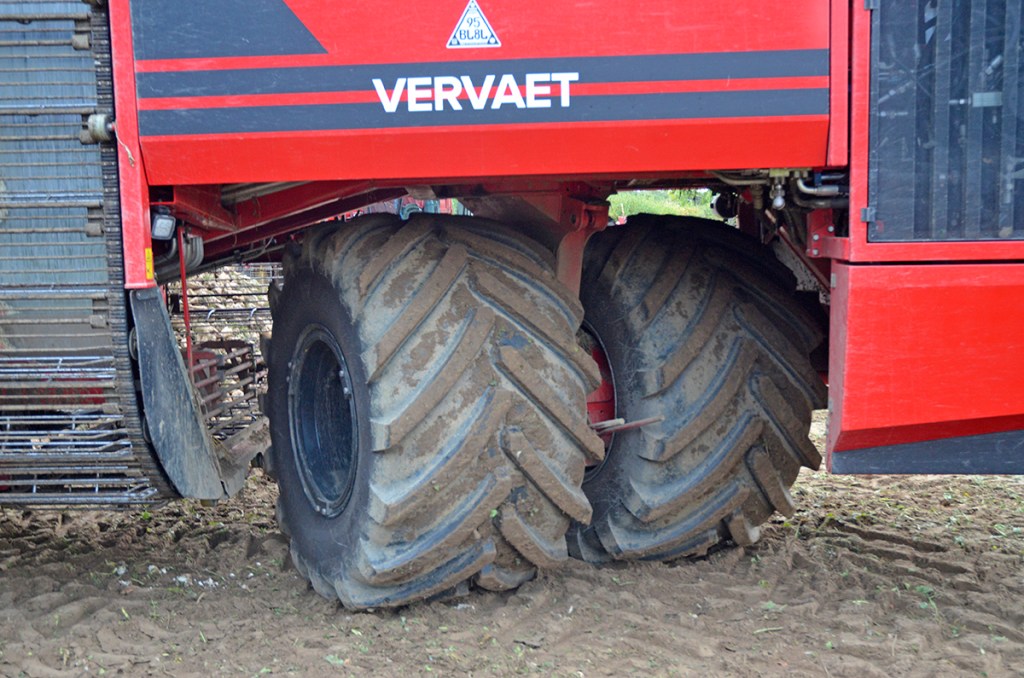
Ever since he has been loyal to the Dutch maker, and last season’s crop was lifted by two Q616s. The spec is identical to that of P E Steward. The main difference are the two 1.45m diameter harvesting turbines in place of the rollerbed.
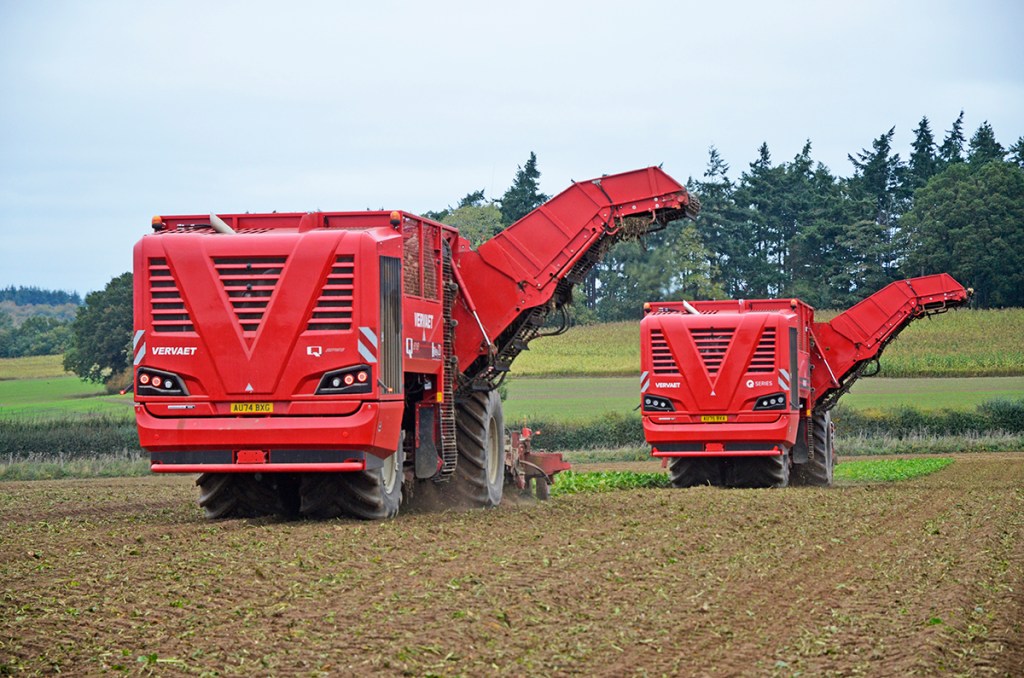
We caught up with both Stent machines in a Norfolk field where Paul was on his youngest harvester which was new for this season. The contractor reckons that the six turbines provide a lot of cleaning and are great with both light and heavy soils. “I think they do a better job on heavy clay and are equally as good as a rollerbed on light land.”
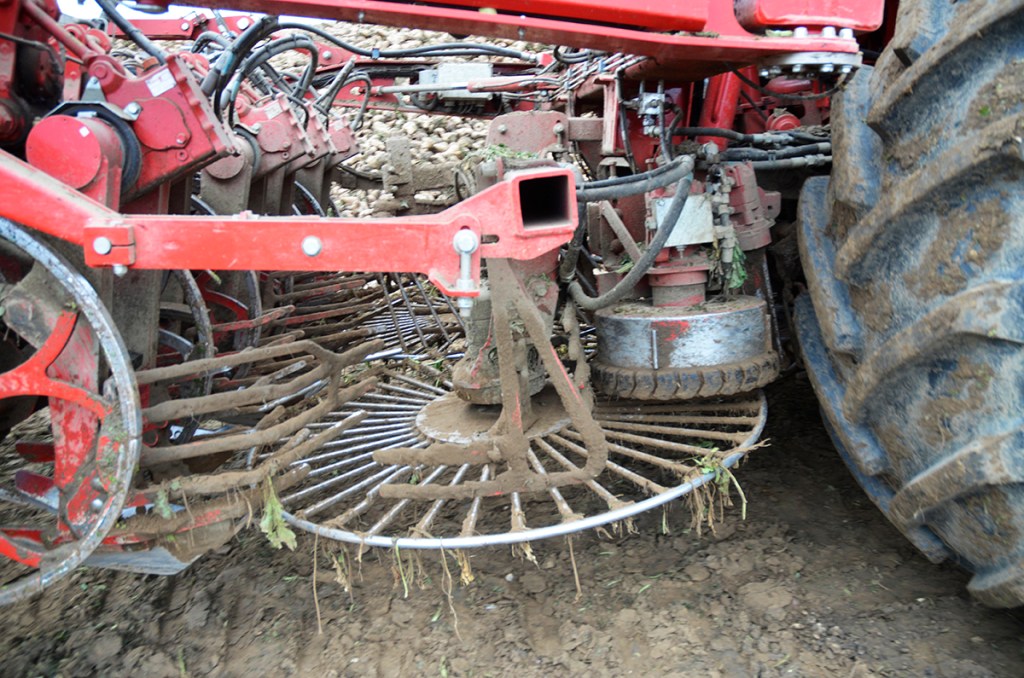
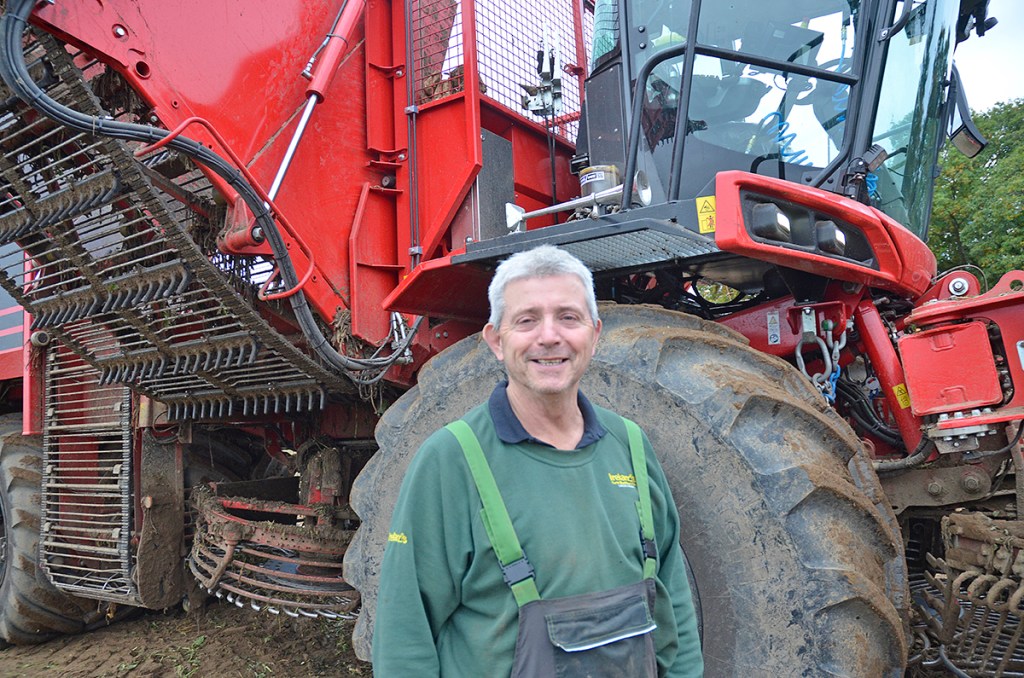
Turbines cost around £600 each and Paul reckons to get 800ha out of each one. “Then I can re-ring it and get another 800ha out of it, whereas a new set of rollers costs close to £10,000. I have nothing against a rollerbed, but turbines work well for us so I can see no reason to change.”
After four weeks with the contractor the hourly total had moved on to 294 (248ha) at the time of our October visit and 462km on the road.
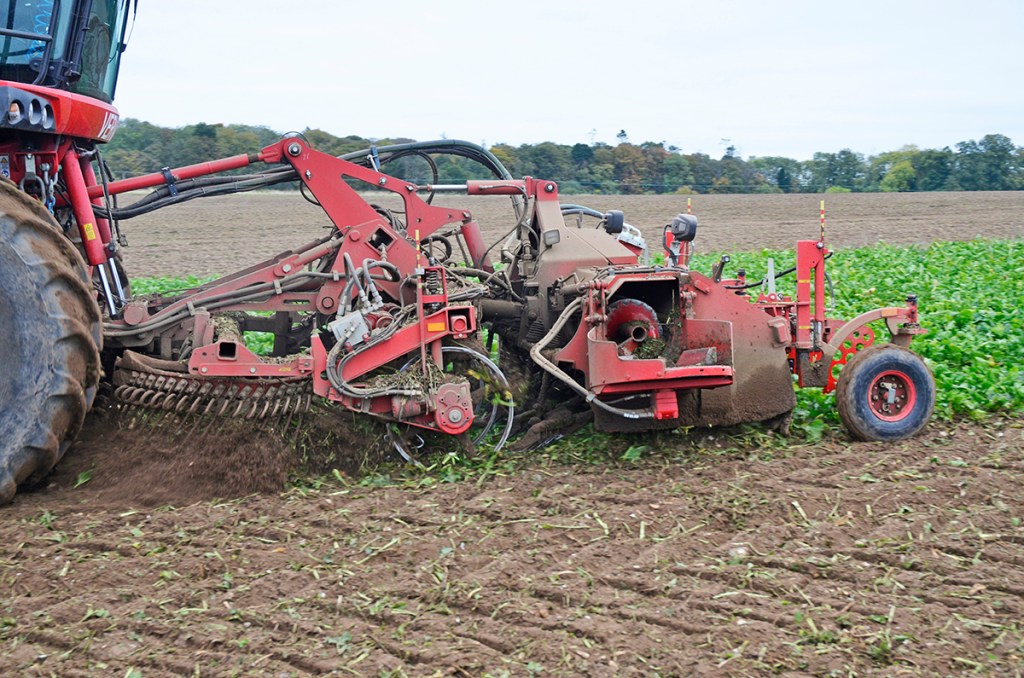
He adds that whilst the new cab has many benefits, some of the changes have been mixed. “The new cab protrudes slightly farther forward and interferes with my view of the right-hand turbine gate, but I’ve started to get more used to this.”
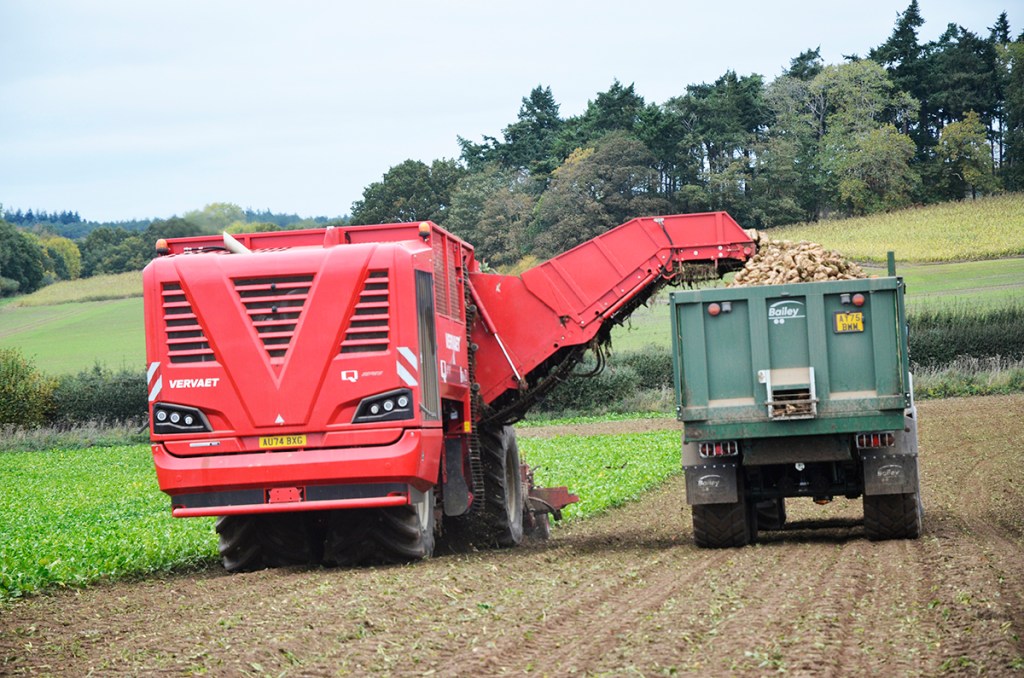
Other than a few other niggling start-up issues, all of which were quickly sorted by J Riley, the contractor is well pleased with the performance of the Vervaet harvesters. “They give us very little trouble and summer maintenance is straightforward. The two biggest jobs are to lay a 4mm Hardox sheet over the bunker floor and renew the front floor chains.”
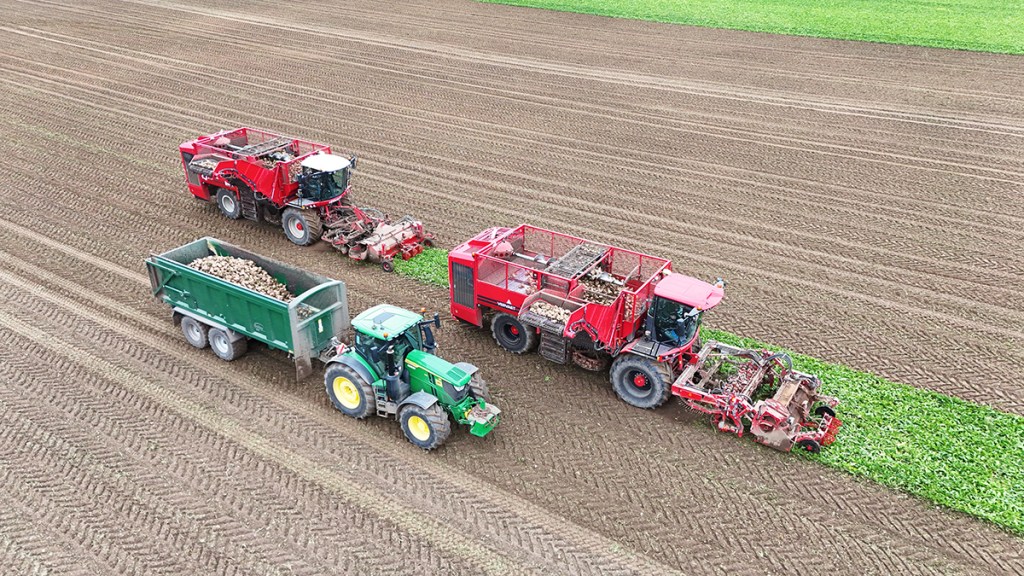
Paul has run Bailey trailers for 20 years, and is well-pleased with the 20t Beateapers, which he says are well built and great for the beet job. “The high opening door allows us to make a picture-perfect heap. This helps during winter; it stops frost from getting in.”
He is also impressed by the back-up and warranty. “We very rarely get a problem with them. On the rare occasion we have needed back up, any issues have been sorted out straightaway. Parts are usually here the next day.”
The contractor renews the two trailers at the start of each season. “It is cost effective to change them. We put several thousand loads on each one and there is still a year’s warranty left when we sell them, which is good for the resale value.”
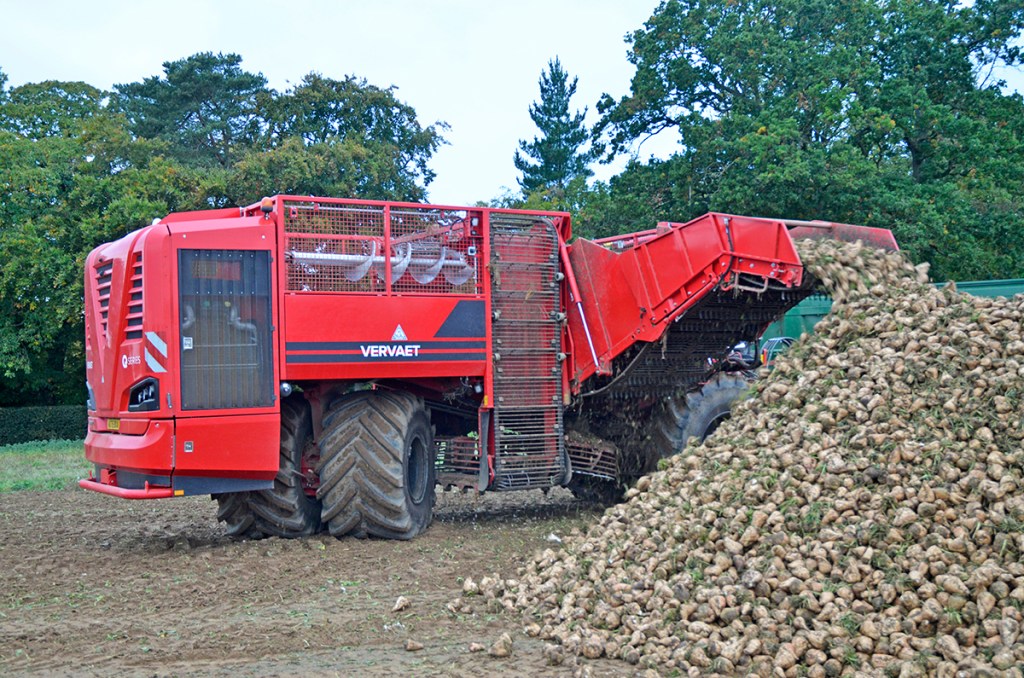
The contractor currently replaces each harvester after two seasons and approaching 3,000 hours. The reason for this replacement policy is two-fold, explains Paul Stent. “We get 12 months warranty on everything, plus, two years for the engine and hydraulics, which gives us peace of mine. It also makes use of capital tax allowances.”
While Paul acknowledges that he might need to look at keeping machines a bit longer in future, he has in fact just placed an order for a new machine for the coming campaign.
ROLLERBED VERSUS TURBINES:
Vervaet is the only manufacturer to offer both turbine only and rollerbed primary cleaning systems on its harvesters. Both systems have their advantages.
Capable of handling high crop volumes when working at a faster forward speed, the rollerbed option presents an even flow of roots to the central turbine. “It is operator friendly and very gentle on the crop,” says Matt Carse of J Riley Beet Harvesters (UK). Turbines can be regarded as a flexible all-rounder, capable of providing the robust cleaning needed when dealing with heavy clay, but can also be run slowly when working on lighter land, just gently cradling the beet to transfer it back through the machine to the ring trace. Changing between rail gates and pig tails as conditions change during the season also provides far more or less cleaning ability. “It’s a simple system, and running costs are naturally lower,” adds Mr Carse. “The versatility is the reason over 65% of the UK’s harvester population is fitted with front cleaning turbines.”
Steven Vale
For more up-to-date farming news click here and subscribe now to profi and save.