
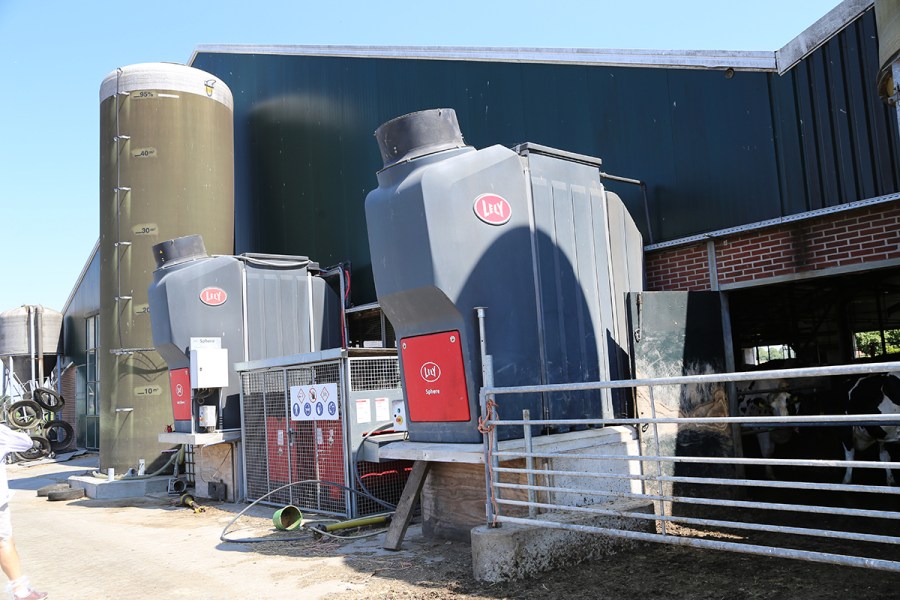
With ammonia emissions under the spotlight in many countries, Lely has developed a system that can clean the air and create a useful fertiliser. We discover how the system works.
KEEPING IT BRIEF
- Each Sphere unit can look after around 325m2, which is the equivalent to 60-65 cows..
- There are nearly 40 units installed in the Netherlands, plus others in Belgium and Denmark.
- Uses nitric or sulphuric acid to effectively clean the ammonia-rich air from the barn.
There is a lot of speculation about the final rules and regulations coming down the line for all Dutch dairy farmers, but reducing total ammonia emissions is undoubtedly at the top of the list. Whether this is achieved by reducing the national cow herd by as much as 40% or farmers being permitted to use emission- reducing technology is yet to be seen.
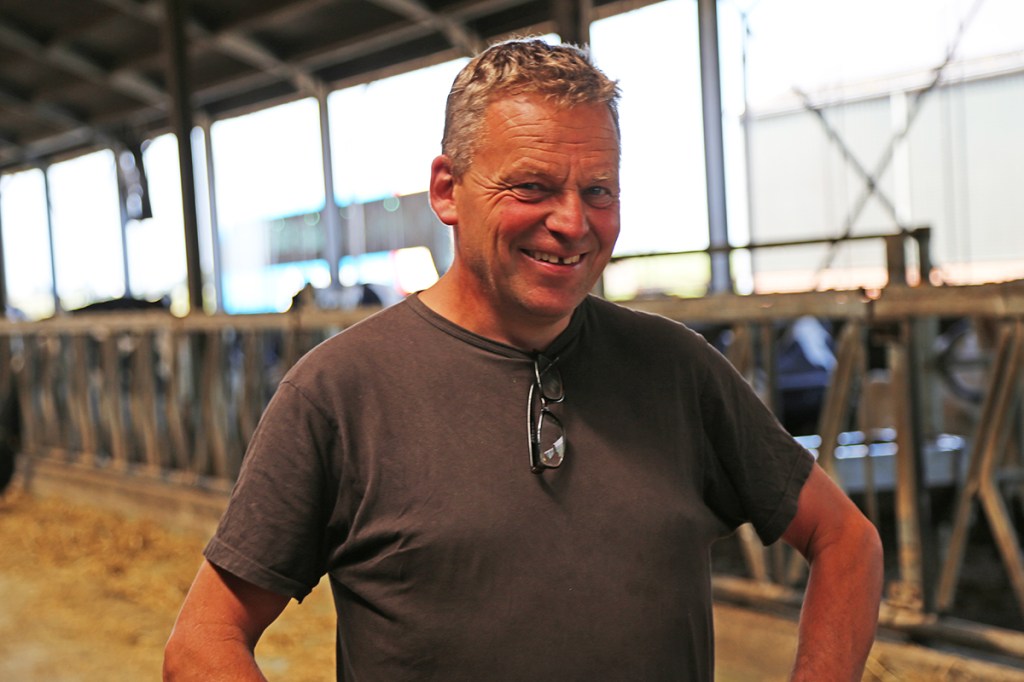
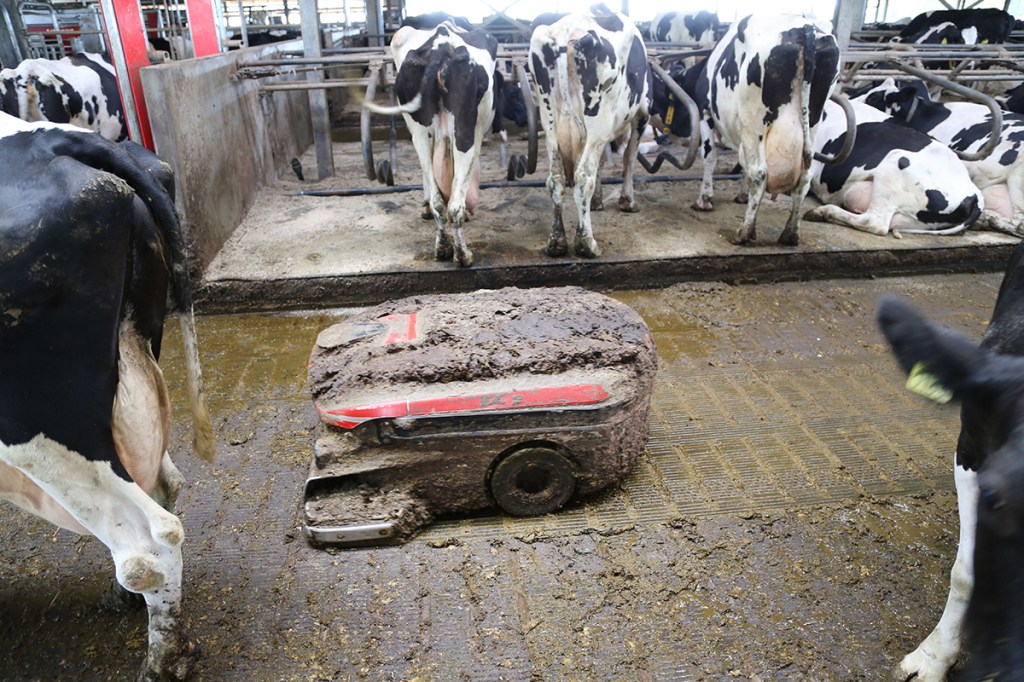
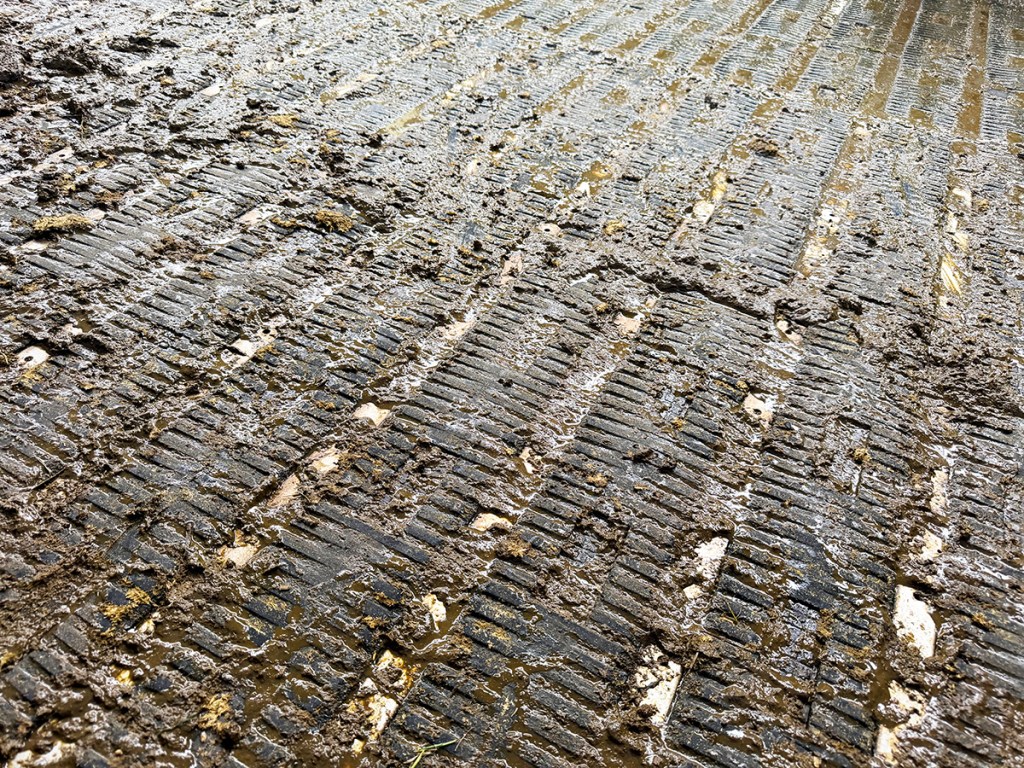
The van Adrichem family farm has been part of a project utilising Lely’s Sphere system, which can reduce ammonia emissions by as much as 77%, for the past five years. It achieves this by keeping the manure and urine separate the minute it hits the floor in the cow barn. The usual gaps between the slatted floor are filled with stainless steel plates that only allow the urine to drain away to the storage cellar beneath. The manure on the surface is then mopped up by one of Lely’s Discovery slurry scraping robots and deposited in a separate store.
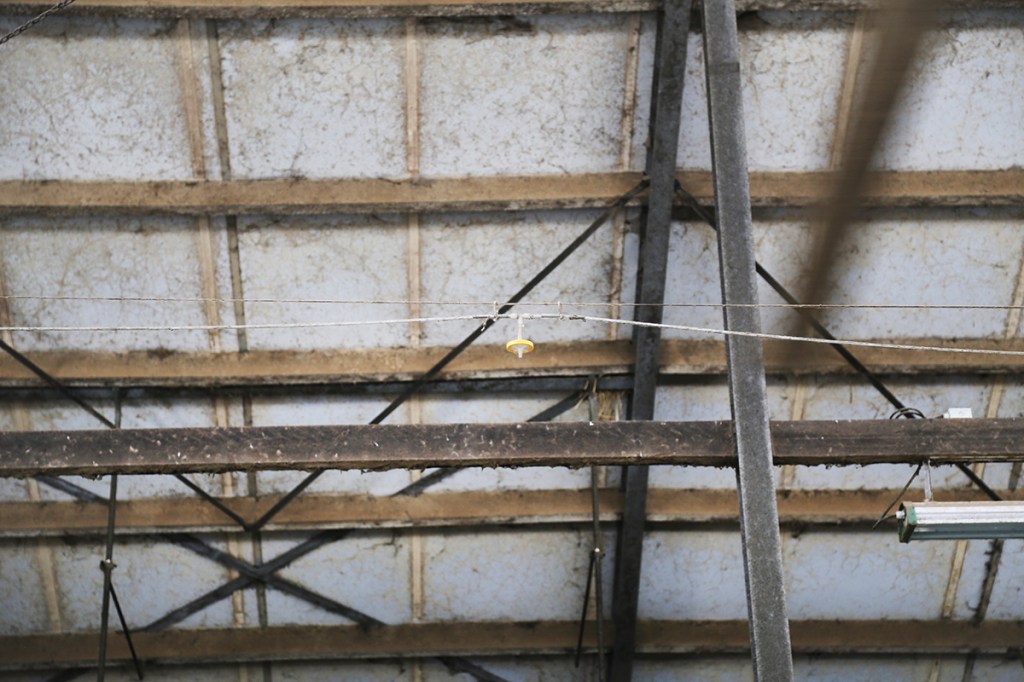
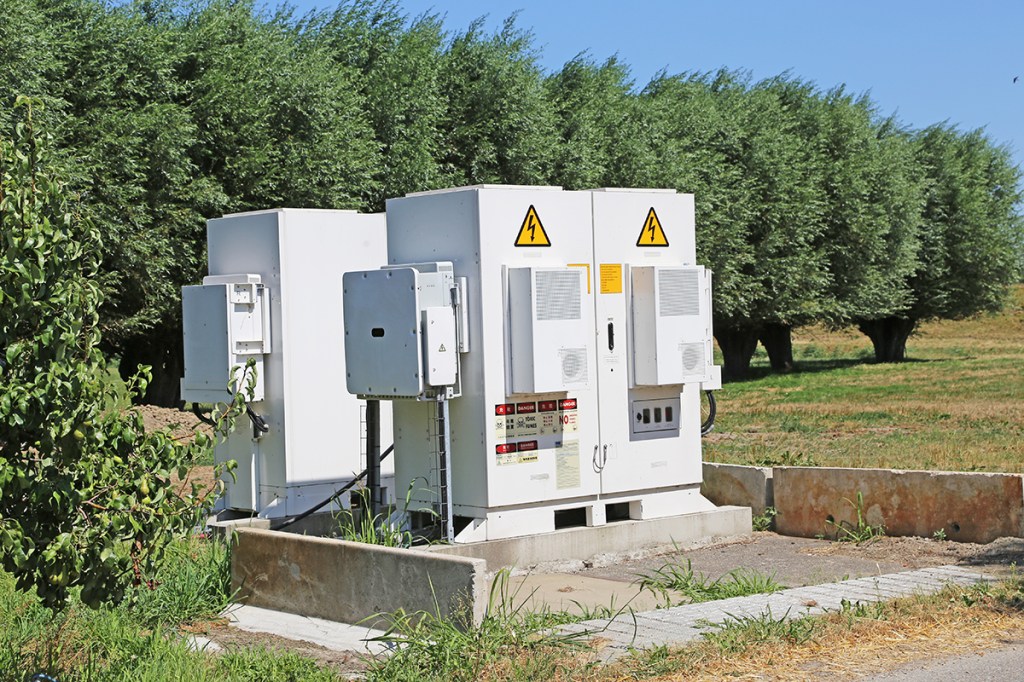
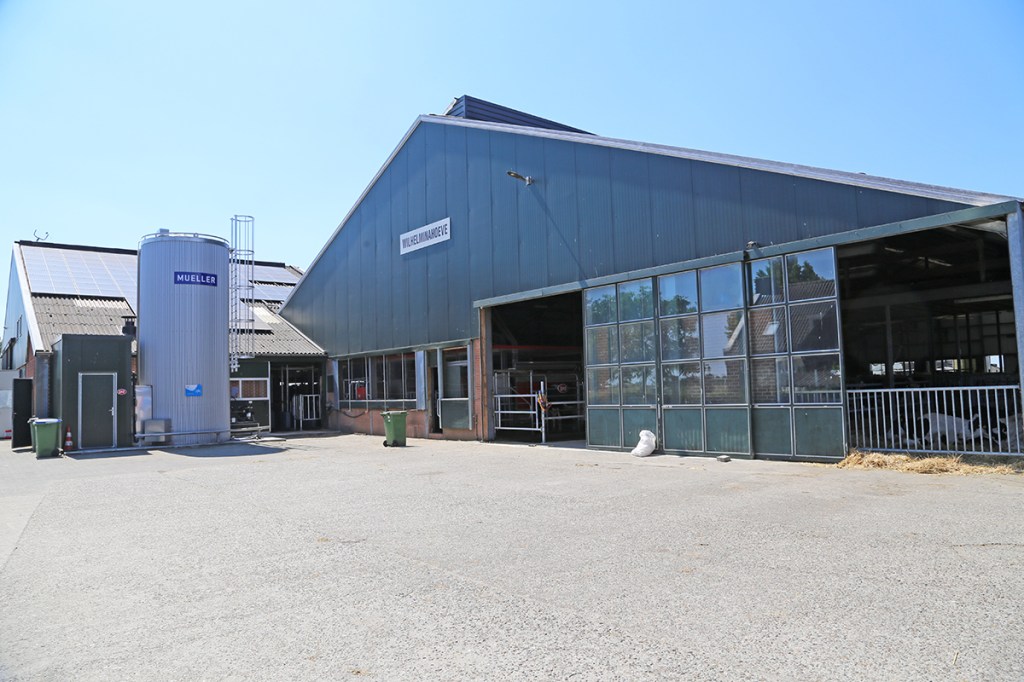
The clever part sits in giant plastic tanks located outside of the barn. Inside, these contain a honeycomb-style plastic structure with a fan that draws the air from the cellar containing the urine through the Sphere’s honeycomb filter where it is showered with either nitric or sulphuric acid. The chemical reaction taking place then strips the nitrogen from the ammonia-laden air, cleaning it and releasing the scrubbed air to the atmosphere. Meanwhile the liquid liquor, which has made its way to the bottom of the Sphere’s tank, is siphoned off to a 50m³ tower where it can be used as a fertiliser.
One of the first
With 300 milking cows plus followers and those in-calf all living under the one roof of the 7,000m2 barn, the van Adrichems initially installed two of the first Sphere units in 2021, adding a third the following year. As part of this project, the farm is also monitoring the methane and carbon emissions from the herd, and so far it has reduced its NH3 from 13kg to 4kg per cow.
Partner in the business, Leon van Adrichem, says they want the dairy farm to be an environmental success, and there is also the incentive of being able to reduce their bought-in fertiliser by around 10%. In the Netherlands, farmers are allowed to apply up to a total of 170kg of nitrogen as slurry per hectare with a closed period from mid-Sept to mid-Feb. There are also environmentally sensitive areas where the rules are a bit more strict.
With the Sphere you end up with three products: the urine, solid manure and the take-off from the treatment process. All three can be applied separately to make the most of their various nutrient build-ups. However, on the van Adrichem farm at Fijnaart, in the south of the country all three components are remixed and applied with a slurry tanker and disc injector. This is used to grow the grass for the first three cuts of silage at at a rate of 15m³ per hectare. The first grass is chopped at the beginning of May and then every four to five weeks, with an average of five cuts of grass silage per season with the last cut in the clamp near the end of October. Cuts four and five are grown without slurry.
Each Sphere unit uses around 28kW of electricity per day and in the region of 5,000-7,000 litres of nitric acid per year.
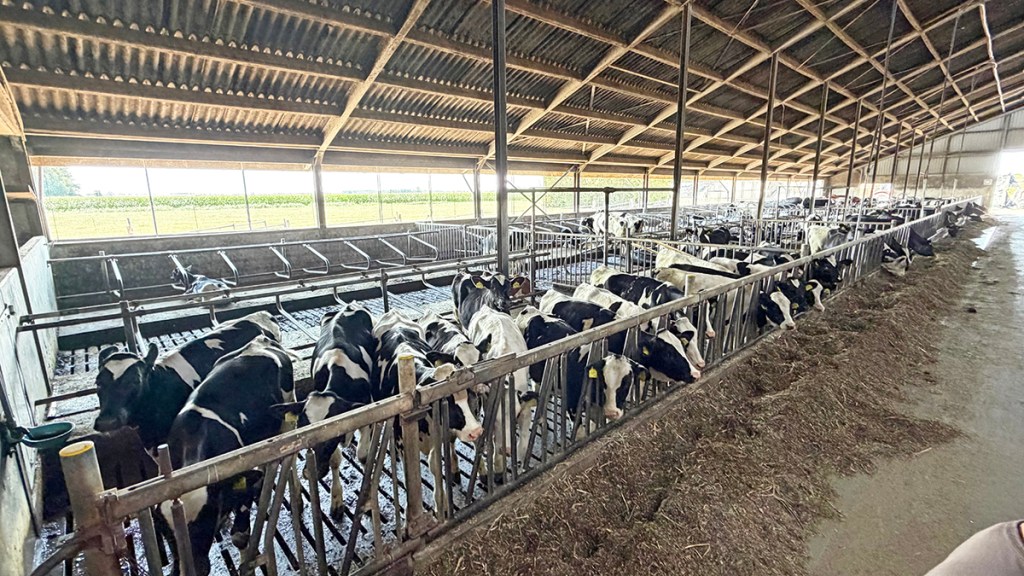
Another aspect of the dairy barn is the noticeably reduced smell of ammonia. This is despite the cubicle area on one side being used for dry cows and followers and having a normal slatted tank set-up. The barn was also equipped with automatic side curtains to aid the air flow in the hot conditions, although the building still felt relatively comfortable despite the outside temperatures hovering around the 30s.
Bots move in
The van Adrichem family moved to Fijnaart in 2005 having been based closer to Rotterdam. At the time they were milking 100 cows through a rotary milking parlour with 40 hectares of grassland and a further 30ha growing potatoes, tulips and other crops. Today, the business is spread across 260ha with 130ha used for the 300 cows which are split into high and low yielders.
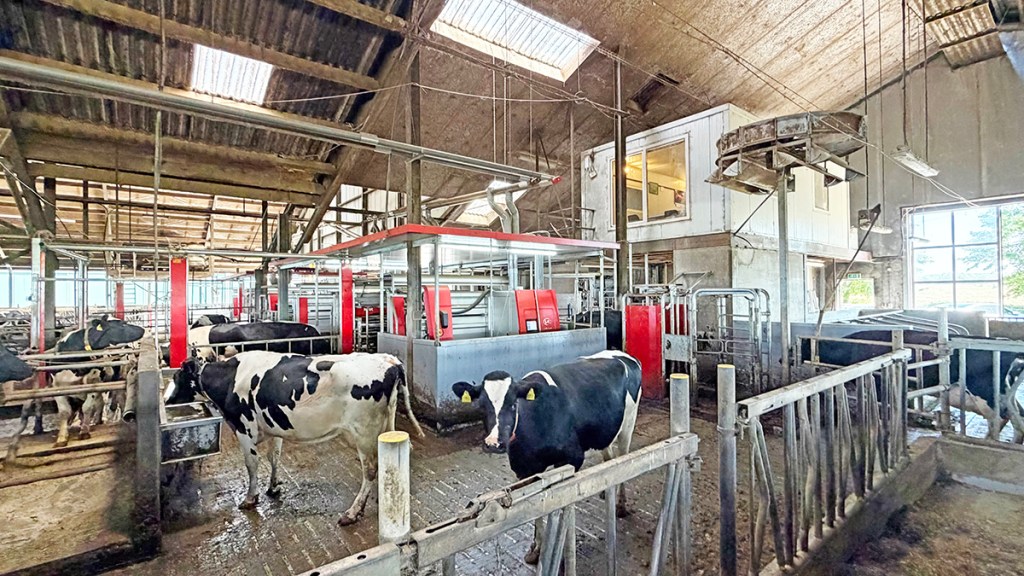
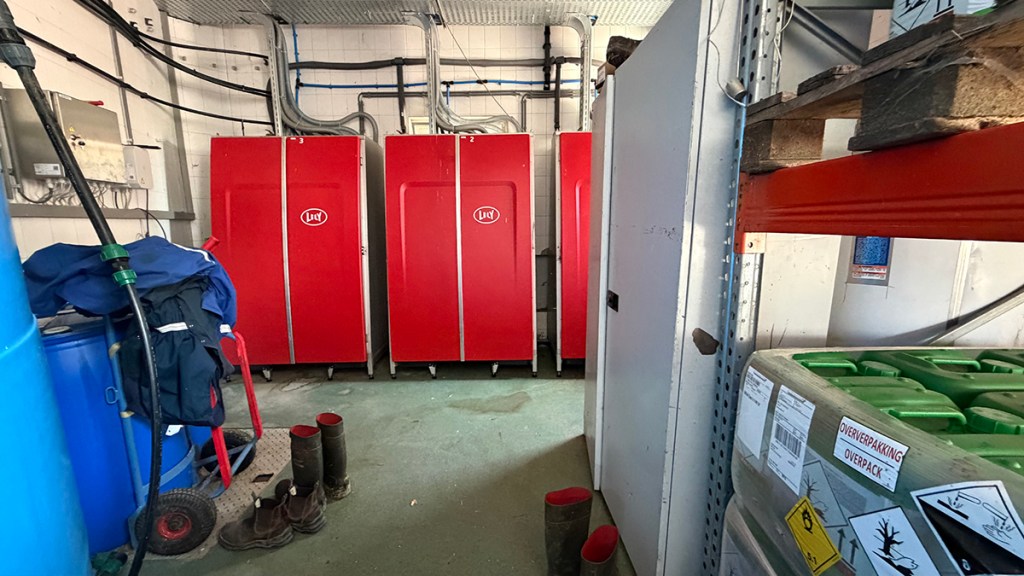
Although they have been using the Sphere system for some time, the business only switched to robot milking in September last year. Six of the new A5 Next boxes were installed, with three for each of the groups. Unlike the usual end-to-end layout, they opted for a check-out arrangement leading to a walkway with a sorting gate, allowing the cows from both groups to be directed back to their respective side of the building or diverted to a sick bay. The cows are averaging 2.9 visits to the robots per day.
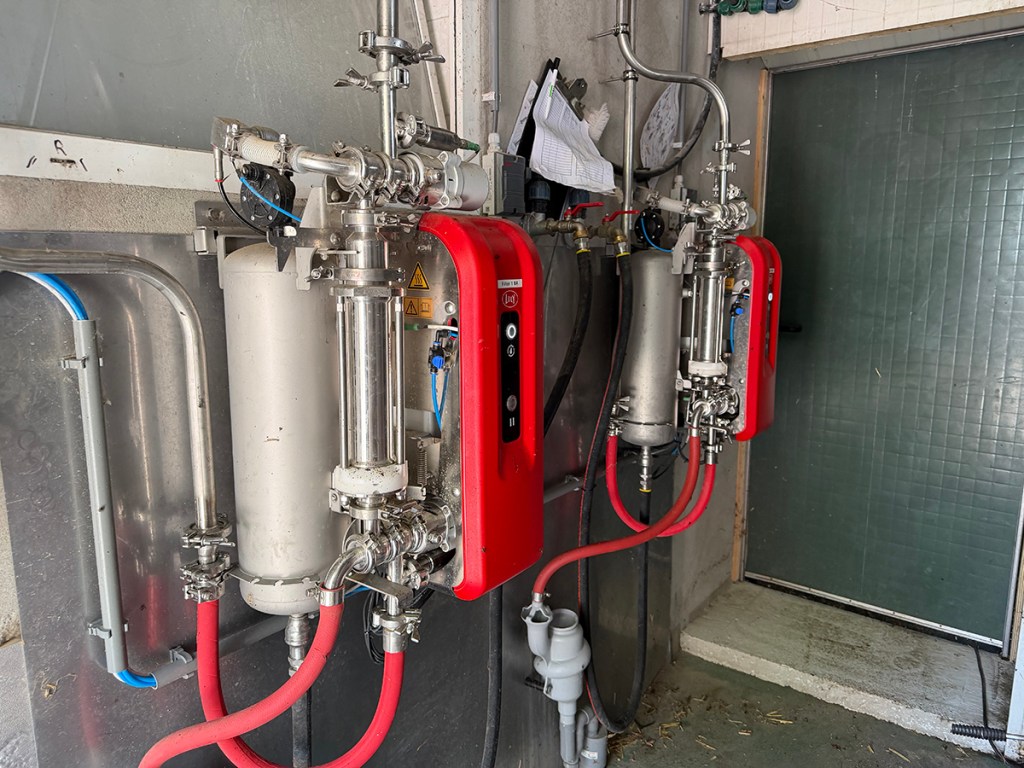
One of the main benefits of these latest Next models is the Automatic MilkFilters system. Rather than having to replace the sock filter, a perforated barrel is used with the flow pressures monitored on the inlet and outlet. If the metal filter starts to show signs of blocking, it can be flushed and the immediate liquid dumped helping to save time and reduce operating costs.
Gert points out that they are currently averaging 31kg of milk per cow per day with 4.53% fat and 3.62% protein. This is requiring 21kg of concentrate for every 100kg of milk with the cows also having a 60% grass, 40% maize ration that is fed with a diet feeder. Surprisingly, a loader is still used for pushing in the forage along the feed fence.
DIFFERENT APPROACH TO APPLICATION
On Lely’s own demonstration farm at Nieuw Bijstervelt, about an hour farther north of the van Adrichem family, things are done slightly differently. Here a hedgehog wheel injector is used to apply the take-off liquor along with some added liquid fertiliser to the silage stubble. This machine is also used to apply the urine as the farm aims to replace bought-in artificial fertiliser. Overall, the 160ha farm is using between 15 and 20t less fertiliser.
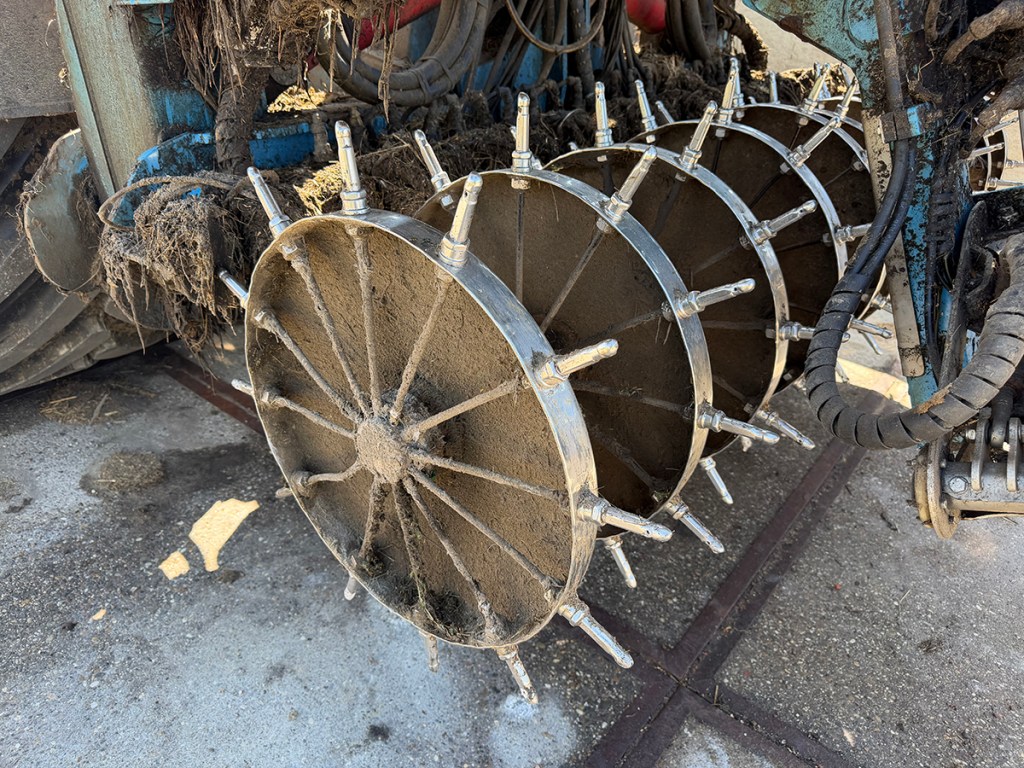
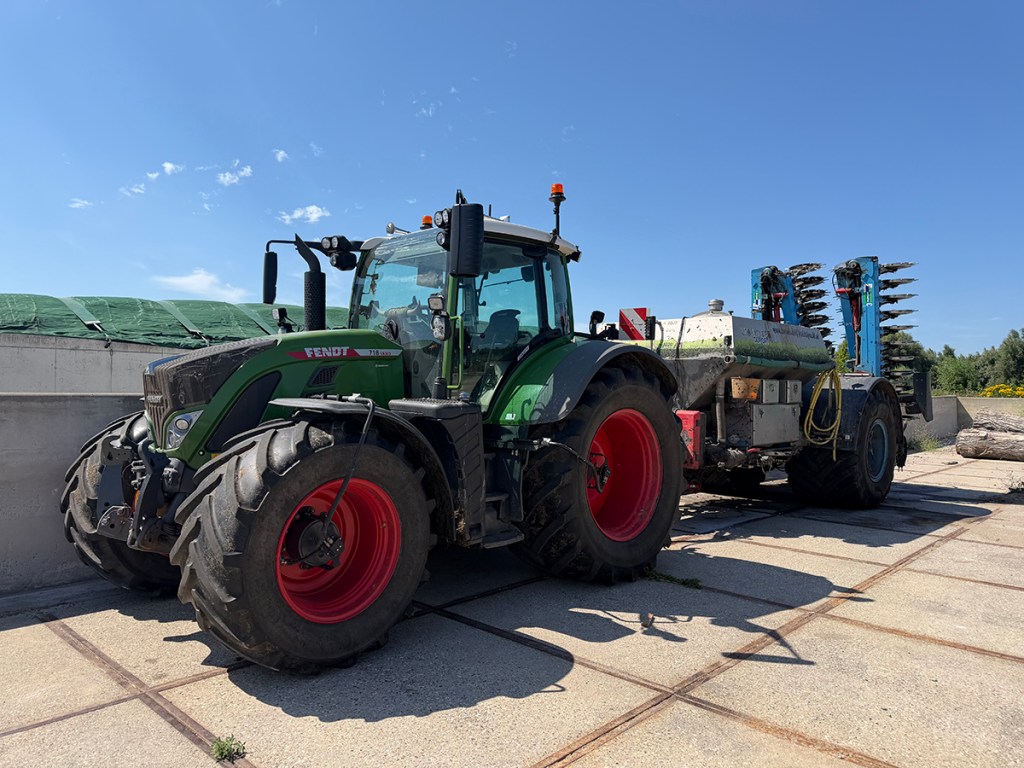
Lely farm manager, Peter Hulsbos, says this injection system prevents the plant from being scorched, which would be an issue with a slurry tanker-based disc injector. The hedgehog wheel is a popular tool in this area, which is predominantly peaty soils.
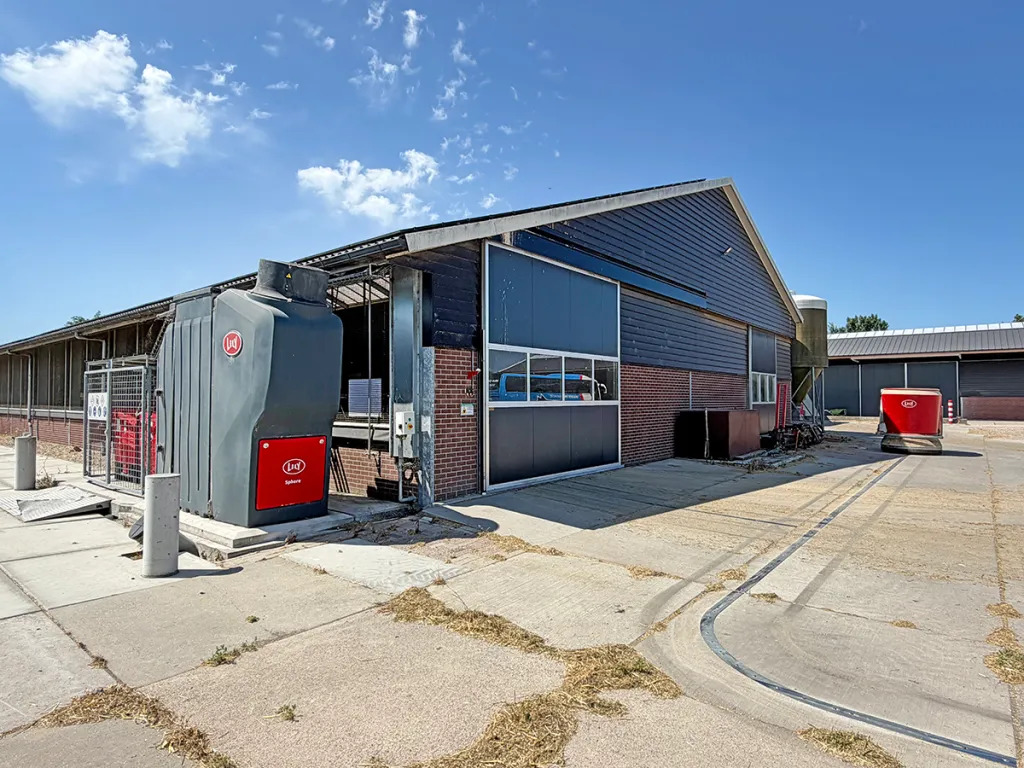
Last year it applied just 140kg/ha of N in slurry form instead of the allowed 170kg. The manure element of the slurry from the 120 dairy cows, plus 15 dry cows in the main barn, is applied with a slurry tanker and injector. As you can imagine, with the urine kept separate, this would be relatively thick, so the manure store has an electric-powered mixer, which is typically used for an hour once per week. Peter points out that this is enough to allow the manure to be spread with the farm’s tanker.
Mervyn Bailey
For more up-to-date farming news click here and subscribe now to profi and save.