

Mister X — a man of mystery with a love of Xerions. This Bavarian farmer and contractor has seven of these Claas tractors along with a couple of other German-made equal-wheel classics. He explains how his fleet has grown.
KEEPING IT BRIEF
- Six of the Xerions are still doing their bit on the farm; the other is awaiting a return to action.
- They are used with similar era implements, some of which you would have seen in the original Claas brochures.
- The tractors will not be restored; instead they will retain the patina of their working lives.
Seven of the early Claas Xerion system tractors are bustling about on the farm. That’s not something you would normally see, and yes, it’s a lot of fun! And there’s plenty to tinker with, but we’ll get to that later.
Trac dreams
It was relatively quiet for many years on the family farm of Mister X, who wishes to stay anonymous. “But I’ve always had a soft spot for special tractors like the MB trac or the Schlüter Eurotrac,” reports the 40-year-old farmer and contractor. “I was even able to experience the last big Schlüter field day in 1993.”
In 2004, a Schlüter Eurotrac 1300 LS was purchased. But that wasn’t the end of it: in 2009, a Kramer 1014 Twoway Trac in poor condition rolled into the yard, intended as a workshop project for the winter.
“I wanted a vintage tractor that could go 40km/hr and was still usable,” he recalls. However, the restoration job proved to be considerably more complex than anticipated and ultimately dragged on for six years.
In the meantime, the redoubtable Mister X earned his nickname…
No sentence with X
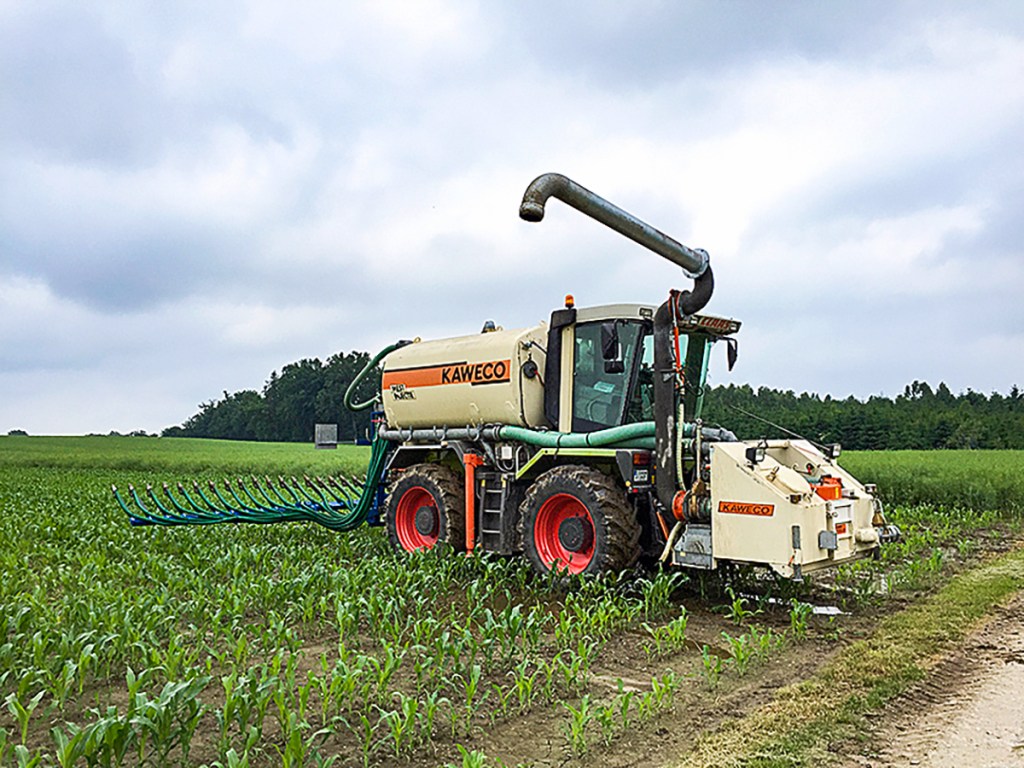
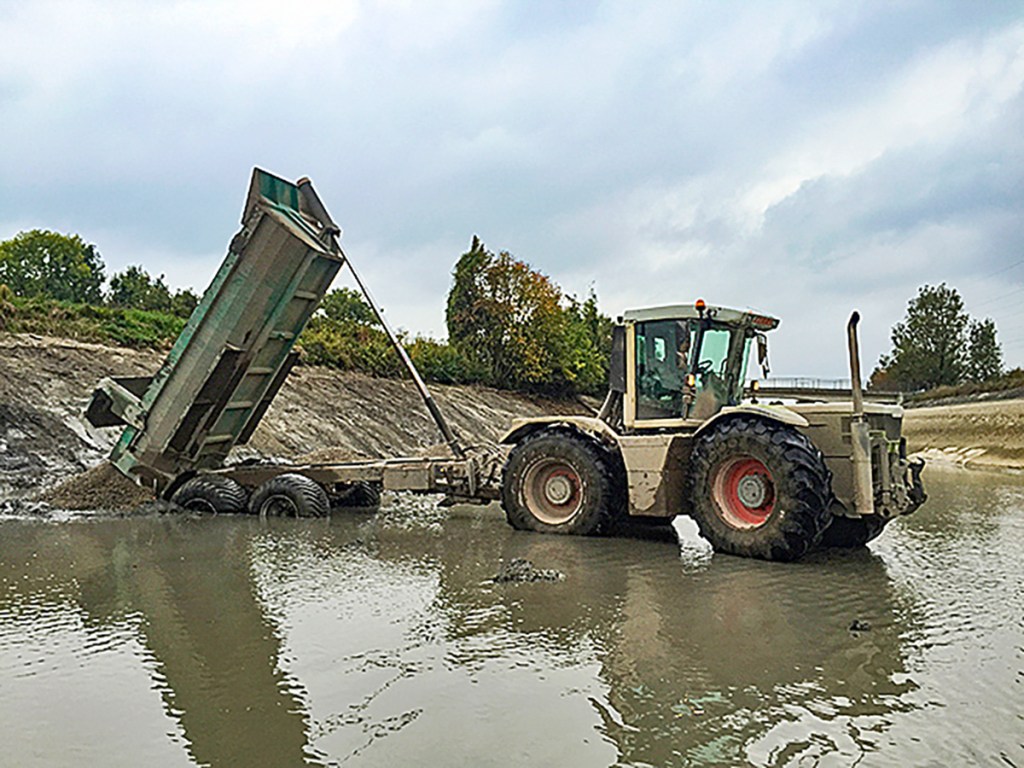
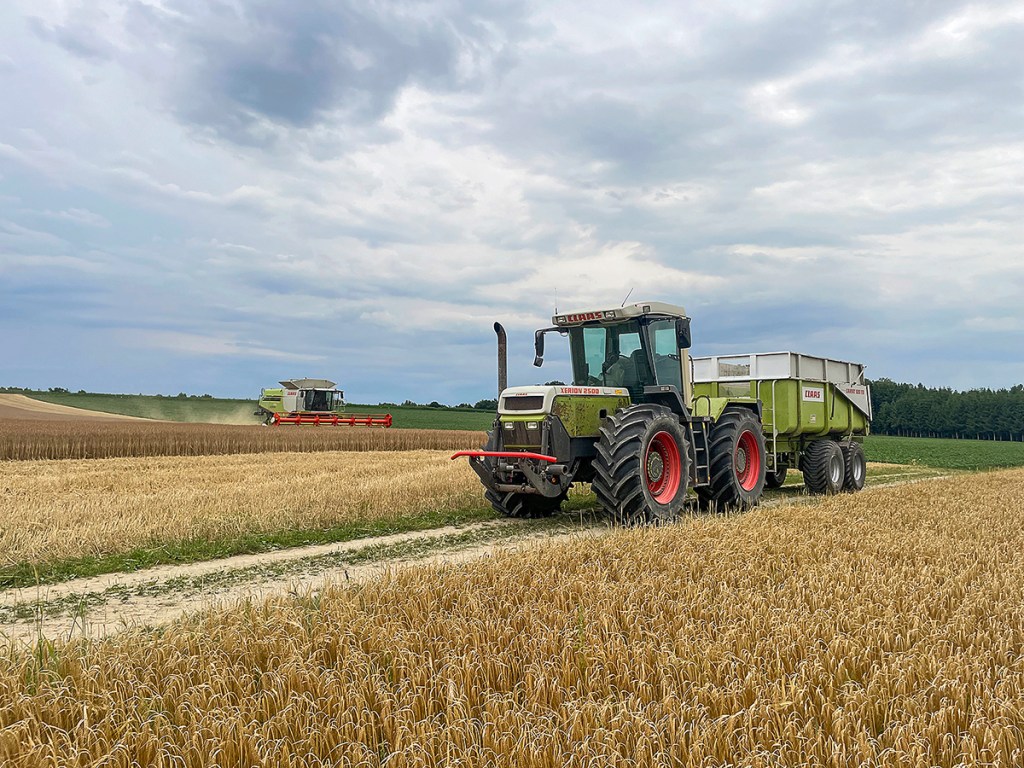
In 2012, he was able to buy a Xerion 2500 with just over 10,000 hours for a fair price. This unit formed the foundation for a small agricultural contracting business. One thing was clear from the outset: the rare Claas workhorse wasn’t meant to sit gleaming in the corner like a show pony; it was going to have to earn its keep. The first implements for the 2500 were a trailer and the first slurry tanker built by Kaweco specifically for the Xerion — recognisable by the steep slanted top on the front-mounted tank.
However, the first generation of Xerions are not only known for their cult status, but also for reliability issues, especially with the HM8 transmission which was developed in-house by Claas. While the Perkins engine can push out up to to 315hp for pto work, this amount of sheer grunt could overload the stepless transmission during heavy draft work. The solution: two different power curves ensure that only a maximum of 190hp is shoved through the transmission during draft work.
Nevertheless, the transmission problems prompted Claas to carry out a large-scale exchange program: first-generation Xerion customers were made an attractive trade-in offer to switch across to the new second-generation models. The traded-in machines were to be scrapped or where possible converted to hydrostatic drive. However, some machines were spared because they were being operated with implement types specifically developed for the first-gen Xerion, such as the Holmer beet harvester system. As a result, a relatively small number of around 25 Xerion 2500 and 3000 models with the HM8 transmission survived, one of which is the first Xerion that now belongs to Mister X.
Nonetheless, the transmission still proved to be less than ideal, especially when used with a trailer. A favourable offer for a pre-series second-generation Xerion came at just the right time. This 3300 largely retains the look of the first Xerion but goes with a Caterpillar engine and the continuously variable ZF transmission. This configuration also proved itself in the Xerion 3800, the model with which Claas finally achieved its market breakthrough for the Xerion project.
Exchange parts
Let’s return briefly to the HM8. The X fleet now includes a few tractors with this rare transmission. However, all of them have had to undergo one or more transmission replacements at some point during their lifetime.
“While one tractor is still running on its first replacement transmission after 6,500 hours, another Xerion has already had its 12th (!) HM8 transmission installed.
Despite over 24,000 operating hours, this transmission has only lasted an average of 2,000 hours,” remarks the knowledgeable owner, whose Xerion tractors have clocked a combined total of almost 40,000 HM8 operating hours on his farm. In the vast majority of cases, it is the hydrostatic unit that causes problems, and Claas has almost always carried out repairs or replacement as a gesture of goodwill.
It was a rocky road for the large seed-green tractor, but it has established itself as a mainstay within the Claas family. Today, the full range extends up to the 480kW/650hp Xerion 12.650 Terra Trac model — with four tracks and a continuously variable Cmatic transmission from ZF. The problems of the HM8 are long gone.
System question
What would a system tractor like the Xerion be without the right implements? Mister X thought the same thing. That’s why he didn’t stop at just one Xerion but gradually added other suitable attachments and implements to the slurry tanker system. The photos in the brochures for first-generation Xerion provided plenty of inspiration.
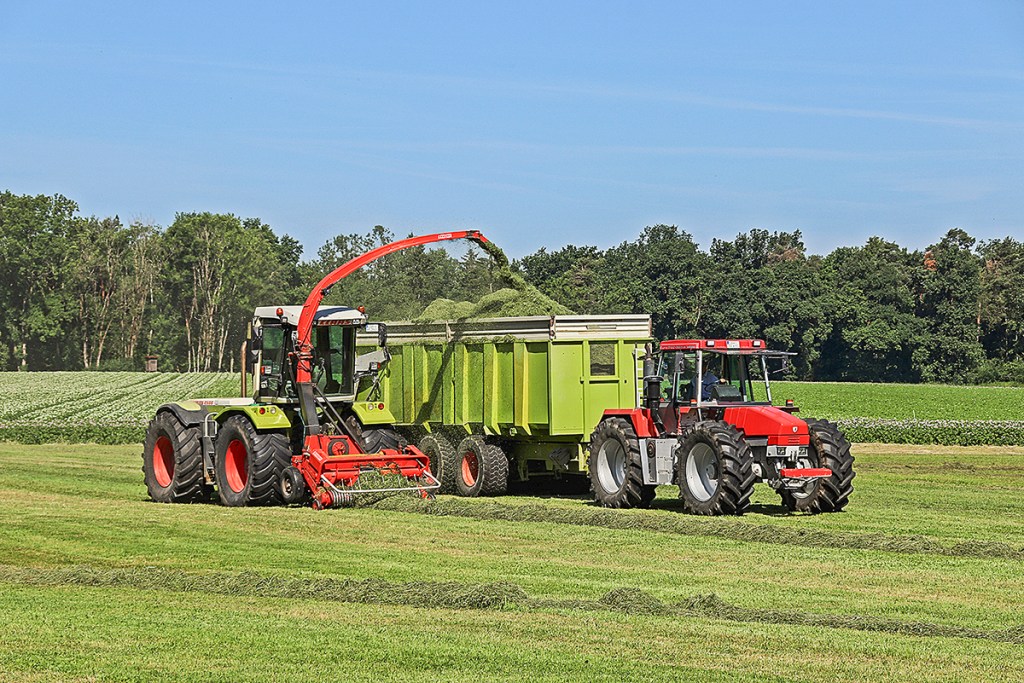
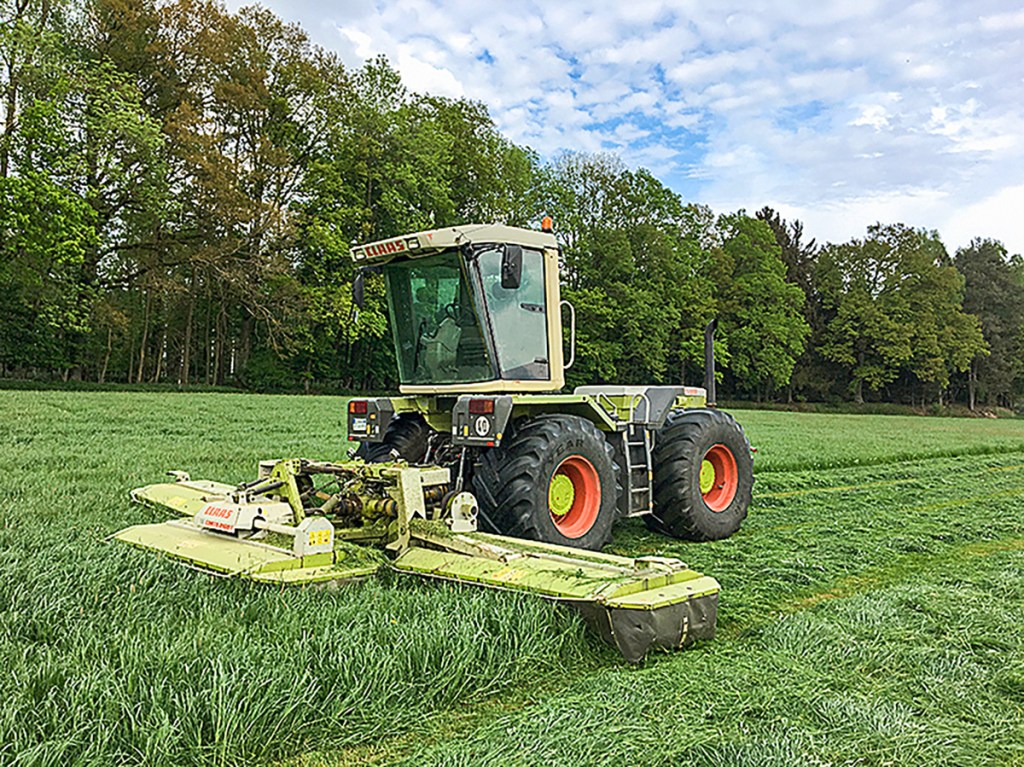
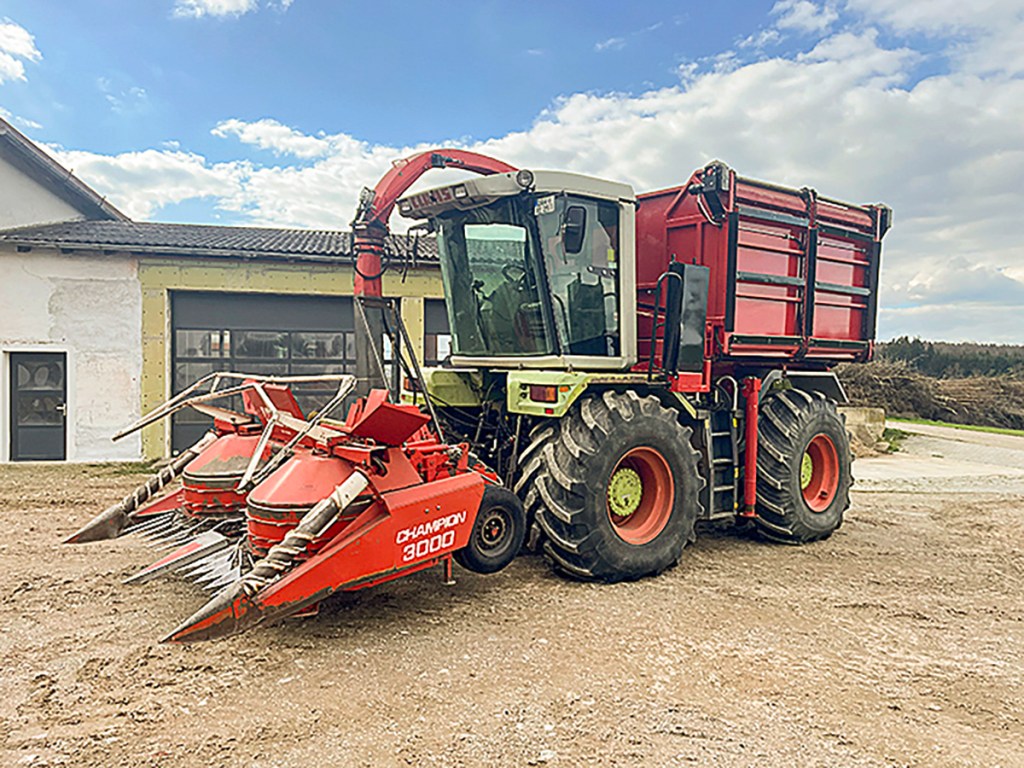
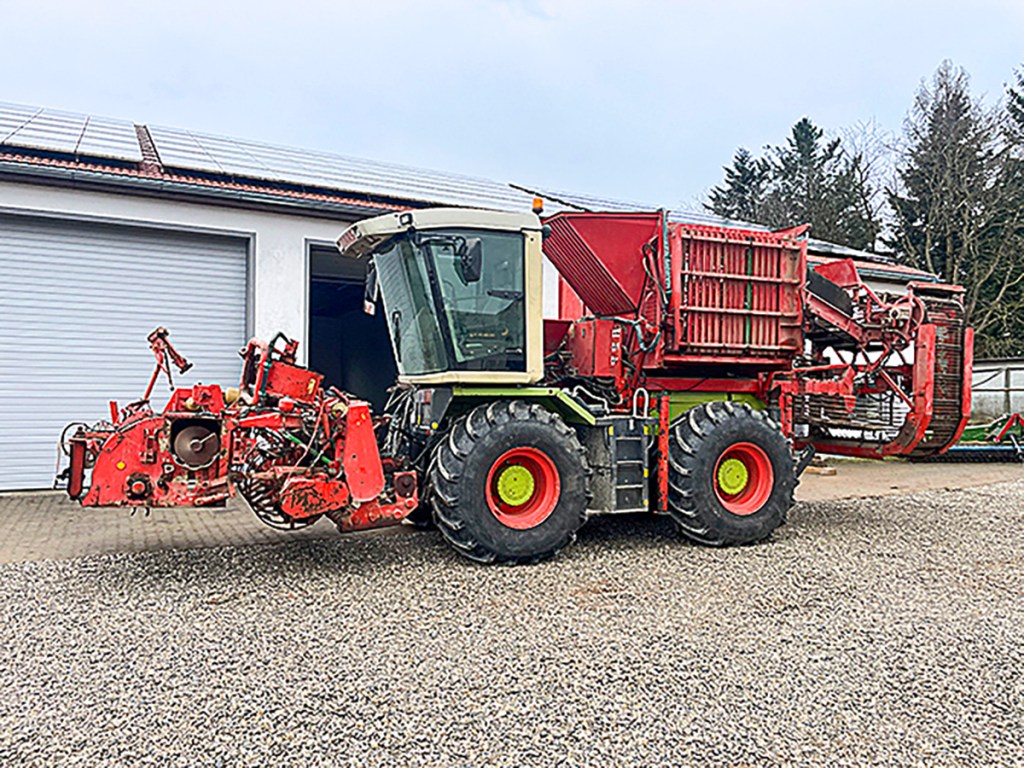
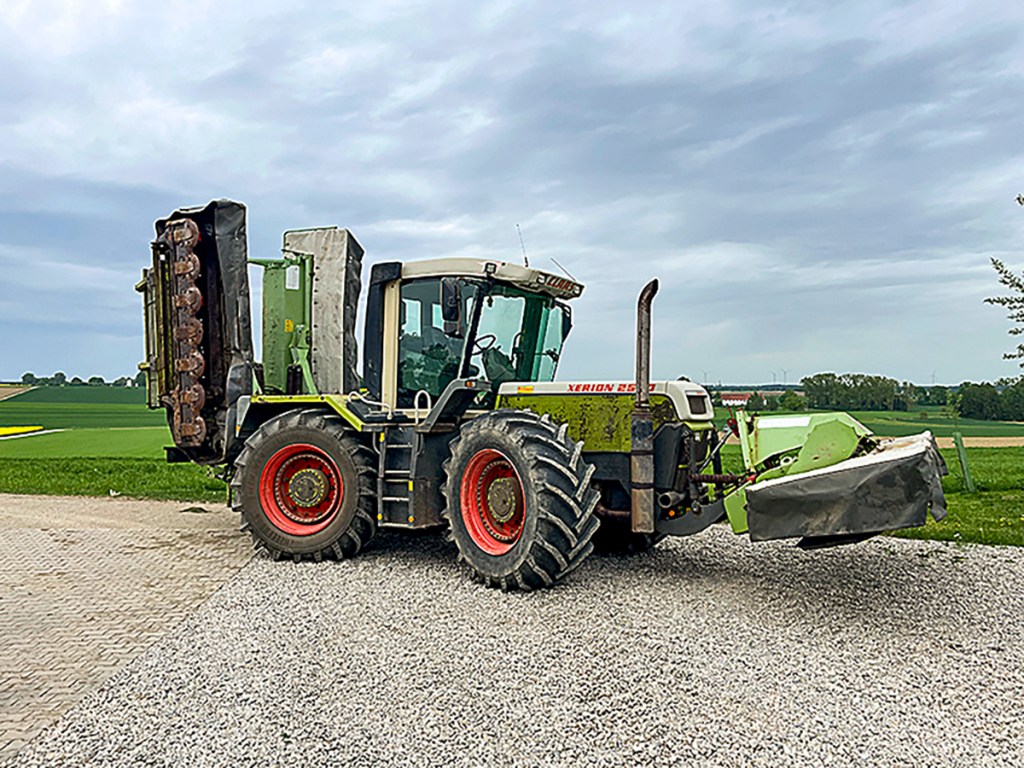
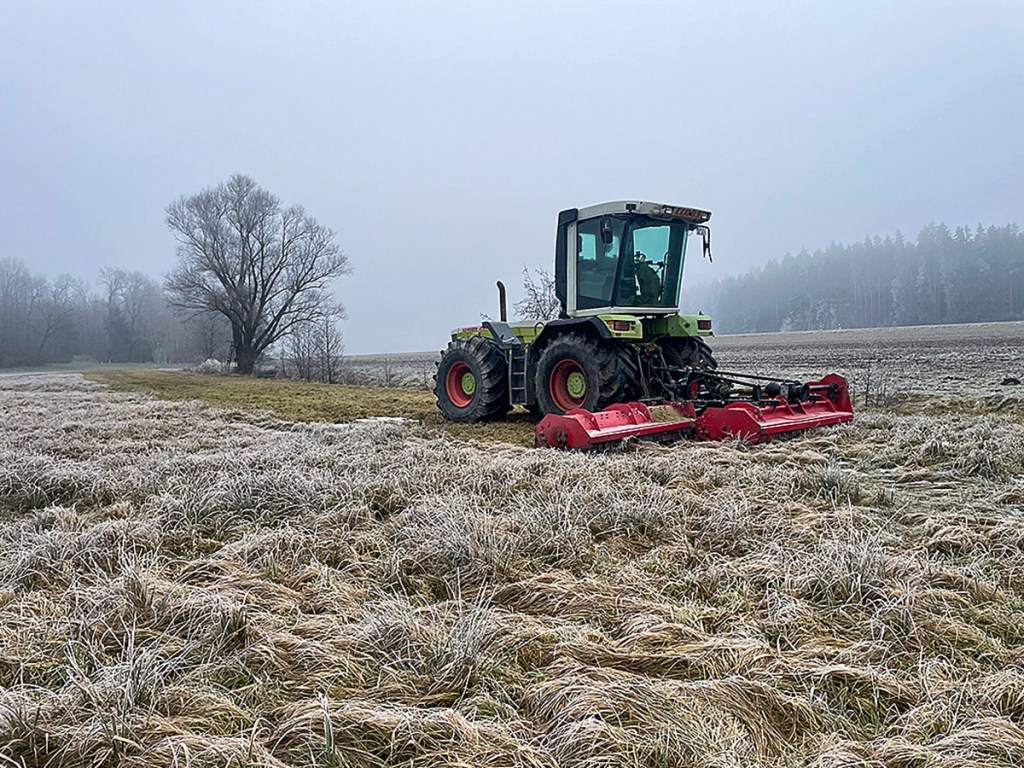
This is how a Kemper Champion 3000 forage harvester, a Claas Carat tri-axle trailer and the triple mulching combination shown in the brochure found their way onto the farm. The original Claas Corto 8100T butterfly mower, featured in the Xerion promotional video of the time, is also a perfect fit. But the jewel in the crown is one of the rare Holmer beet harvester systems, although it’s missing the elevator that goes between the lifting unit and the bunker.
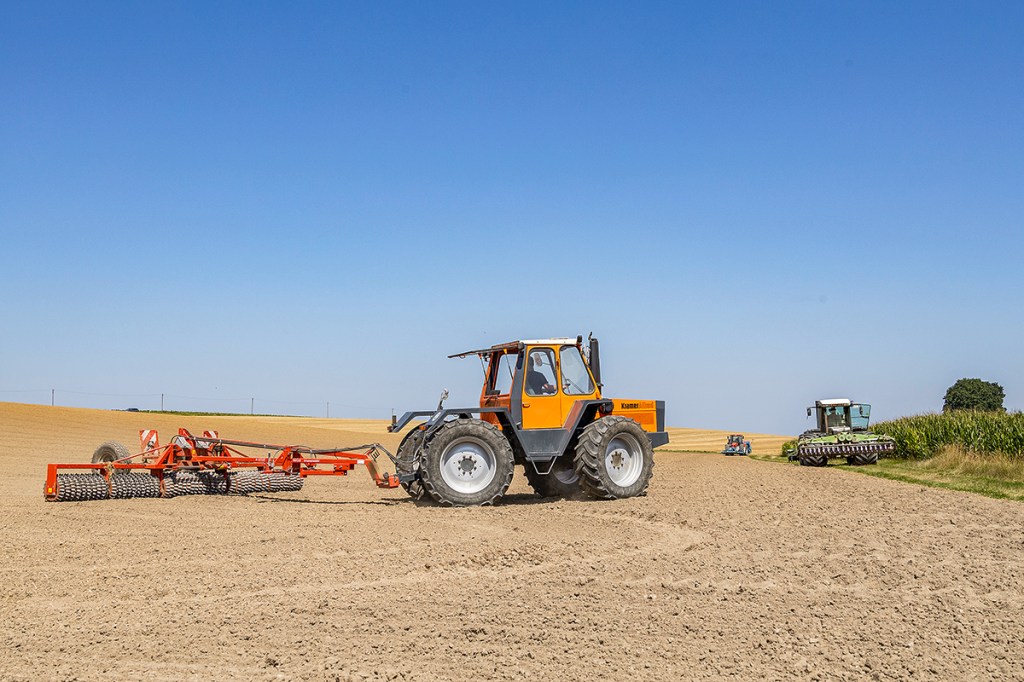
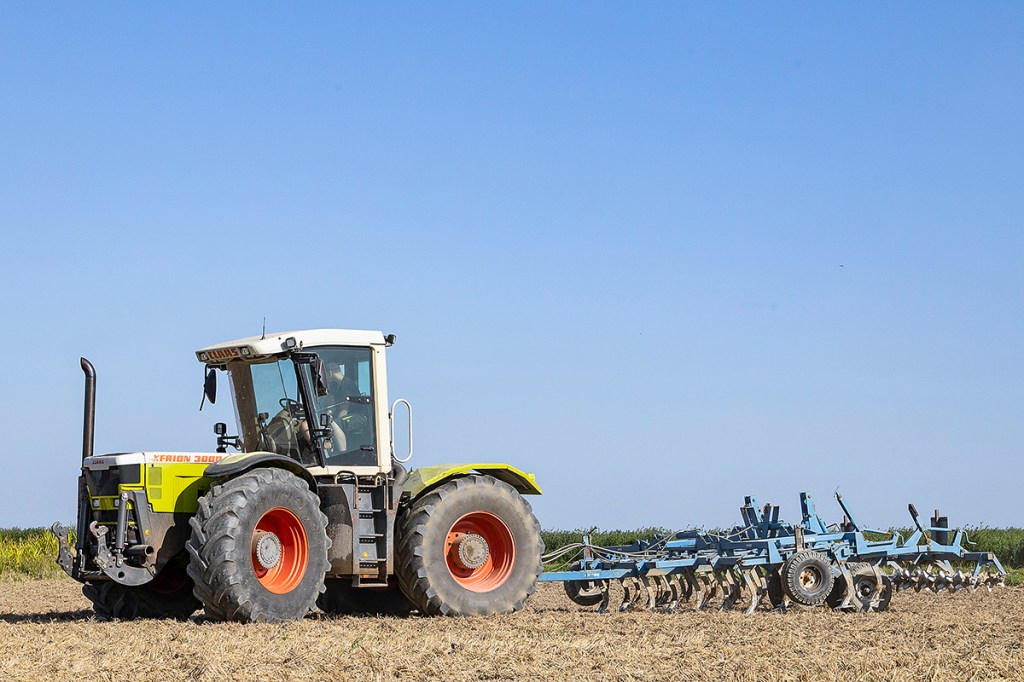
For about five years now, the Xerion tractors have been taking on more and more jobs on the X family farm. Thanks to the farm being in one block and not needing public roads, they can use rigid implements with a work width of 4.0 metres or more. The range of tillage tools includes a 4.0m rotary tiller, 4.5m Amazone power harrows, a mounted 6.0m Rabe cultivator and a pair of five-furrow Gassner ploughs. Getting land ready for planting is a swift operation.
“The machines are oversized for our needs,” says the farmer. “But these used machines can sometimes be found relatively cheaply.”
Another plus of being ring-fenced is that running on dual wheels or terra tyres isn’t a problem.
The farm operates to ‘Bioland’ organic farming guidelines. Spelt, oats, spring barley, clover grass, triticale and soybeans are grown. And this is where the Kramer 1014 comes into play thanks to its reverse-drive system developed back in 1975; the view of the weeding hoe on the tractor’s rear linkage is excellent.
Space requirements
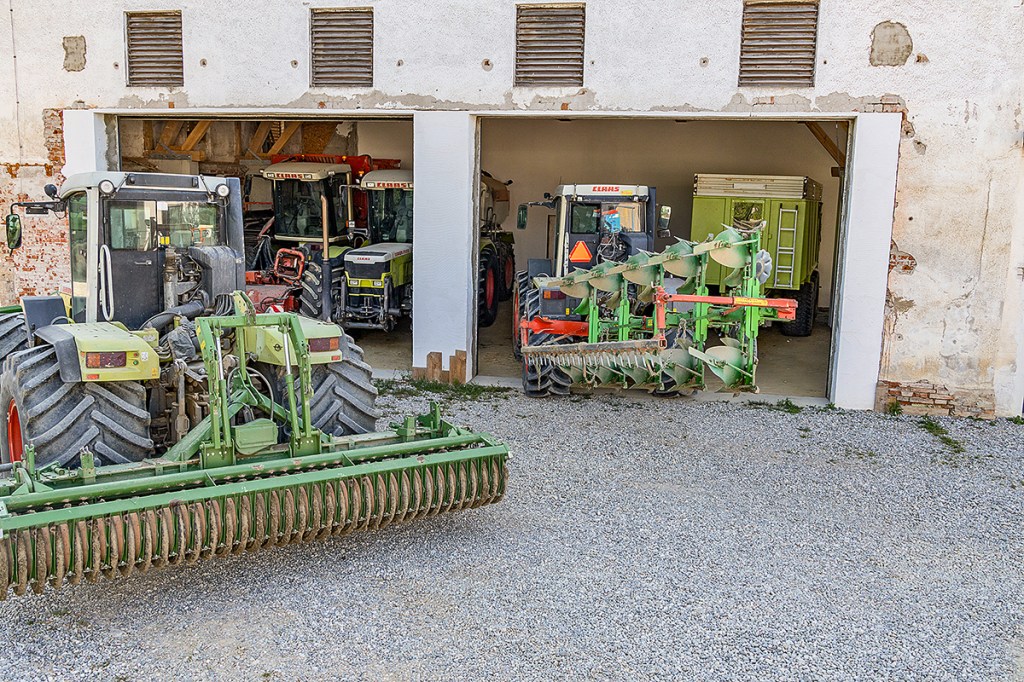
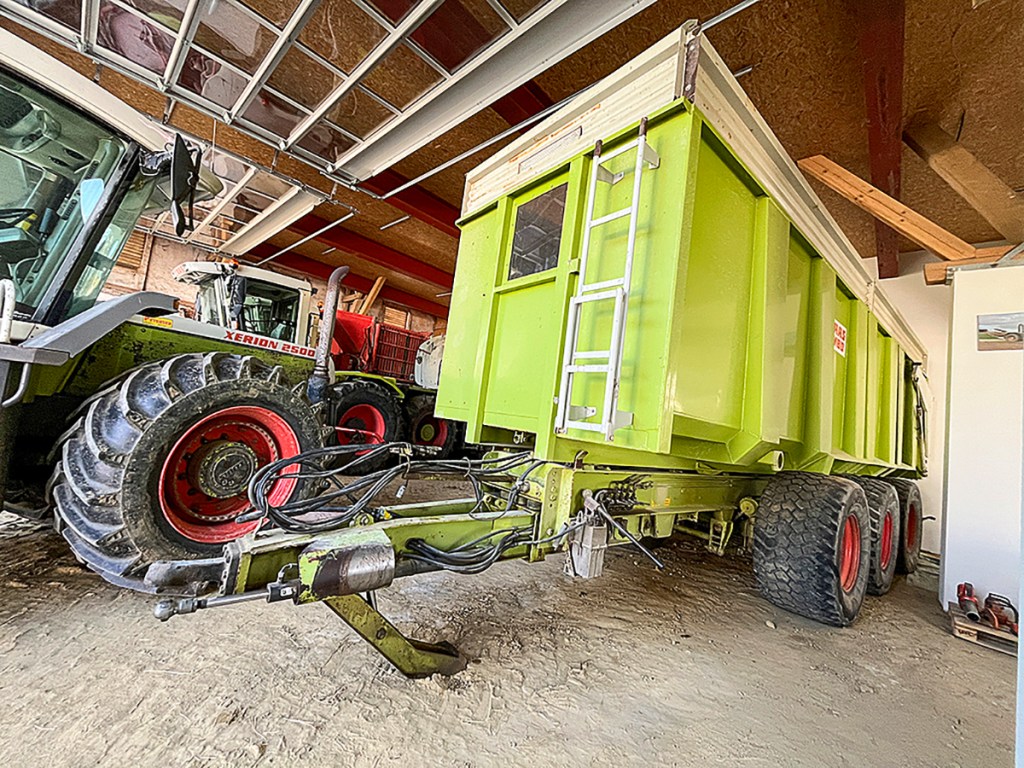
Once immersed into the Xerion way of thinking, new opportunities arose for the system tractor enthusiast. Over time, he was able to add more of the early tractors to his collection. However, the sheer size of the tractors and implements, soon meant the machinery shed was bursting at the seams. The old farm buildings are being gradually modified so they can safely accommodate the larger Xerions … instead of the 50hp tractors they were designed for.
The farm workshop has everything you would need — so it’s no wonder that even damaged and partly broken Xerions have already been resurrected here. But anyone expecting to find a small graveyard of spare parts will be disappointed. Although some of the tractors did roll into the yard as intended parts donors, so far all have been spared this fate, thanks to a growing stock of individual parts sourced elsewhere.
A Xerion 2500, which the previous owner was intending to convert into a forestry mulcher, is still awaiting its next lease of life. All that’s missing is an original cab with the small door in the rear wall. Currently, there are none to be found, no matter how much you’re willing to pay.
Not always easy
“Technically, I’ve grown with the machines, but I also once spent six months searching for an electrical fault — that was nerve-wracking,” the farmer candidly admits today. Some fire damage on the other hand was a much quicker repair. While using the Kemper Champion reverse-drive forage harvester, the machine suddenly caught fire.
This is a risk that comes with machines that have already done a lot of work but are still earning their keep … or rather they are allowed to. Up close, you can see the toll of their working lives, some more than others. And that is how it will stay, says the owner.
The six working Xerions share the tasks on the farm. As a result, the fleet now only needs to do around 700 to 1,000 hours, a smidge of the combined 70,000 hours they have collectively amassed since starting their working lives.
Outlook
No doubt the original Xerion design team envisaged their system tractors would one day be seen back together on a small farm in Upper Bavaria. However, the “retirement home for these system tractors” now boasts over 70,000 Xerion hours. Whether and when newer generation Xerion tractors will be added remains to be seen.
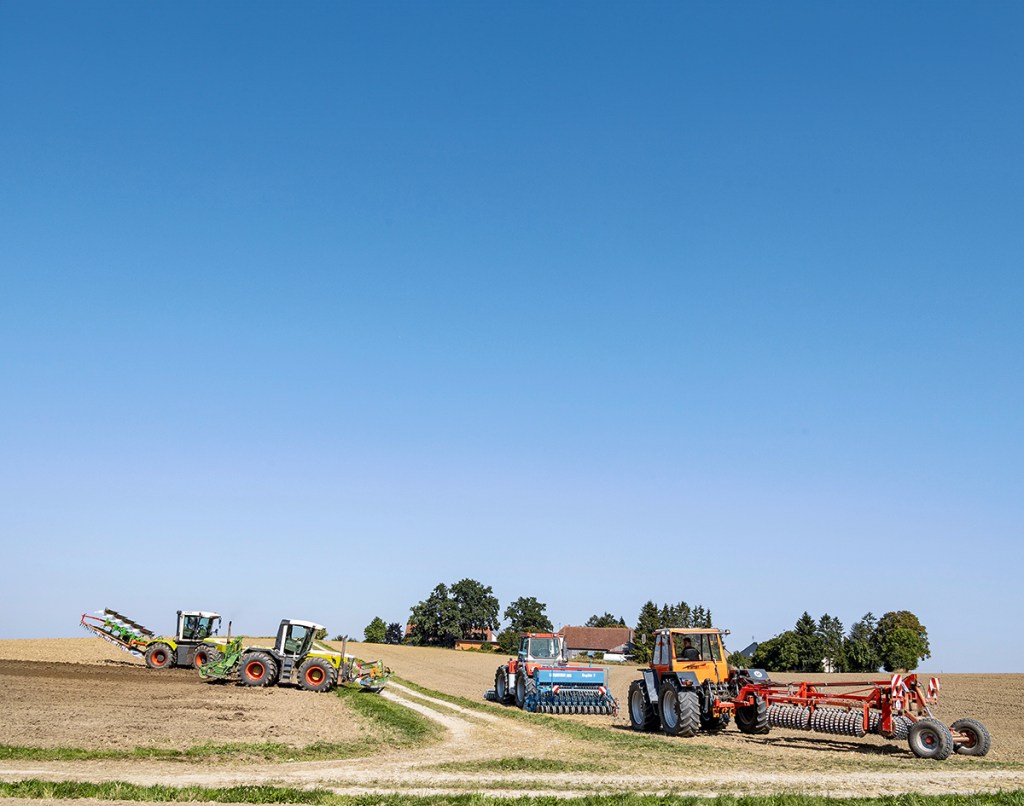
While completing the final set of suitable attachments, Mister X has already bought another exciting original accessory. And in the workshop, work is currently underway on a completely new project, the details of which we can’t reveal just yet. But we’ll keep you posted.
Lucas Colsman
For more up-to-date farming news click here and subscribe now to profi and save.
Endless possibilities