
Known for its ploughs, Kverneland is one of those well-established firms that has a long history – in this instance, 147 years. More recently, its presence in the marketplace has strengthened, helped by mergers and acquisitions that have seen some once well-known machinery names absorbed into the current line-up.
Accord, Taarup, RAU and Greenland are just a few of the once well-known names from within the machinery industry that have been gobbled up by the Kverneland Group over the last 40 years.
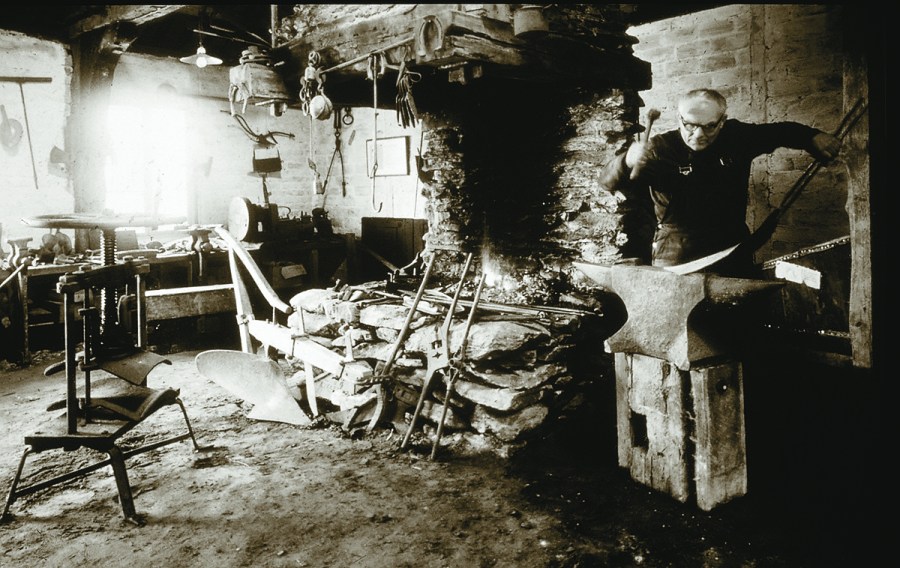
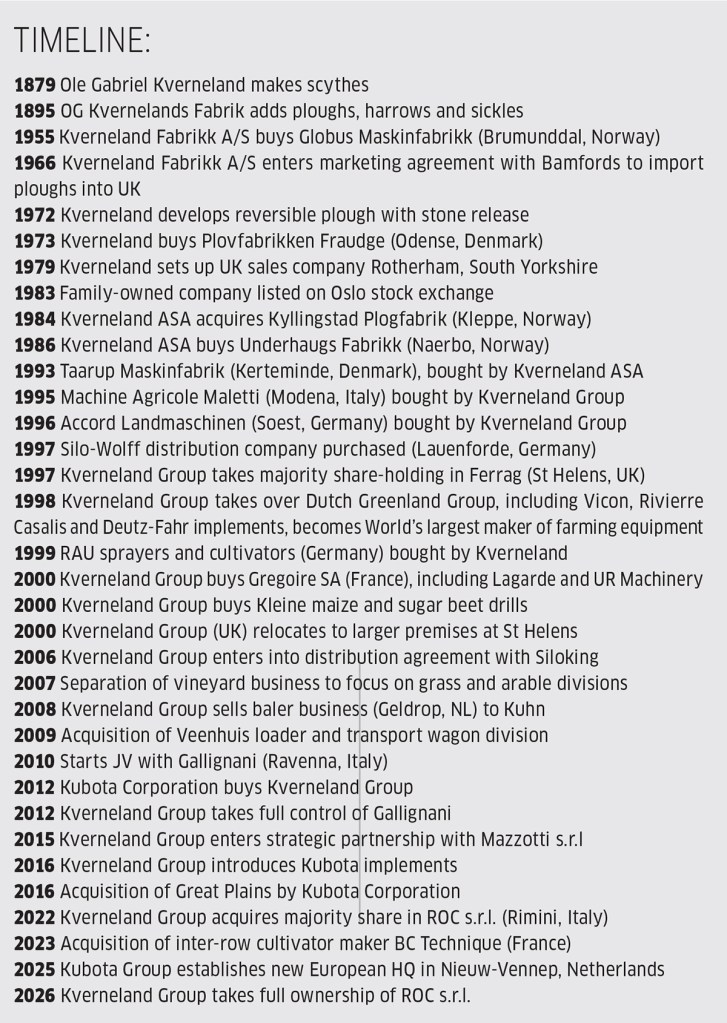
Today’s worldwide business is a far cry from what Norwegian blacksmith Ole Gabriel Kverneland started in his forge back in 1879.
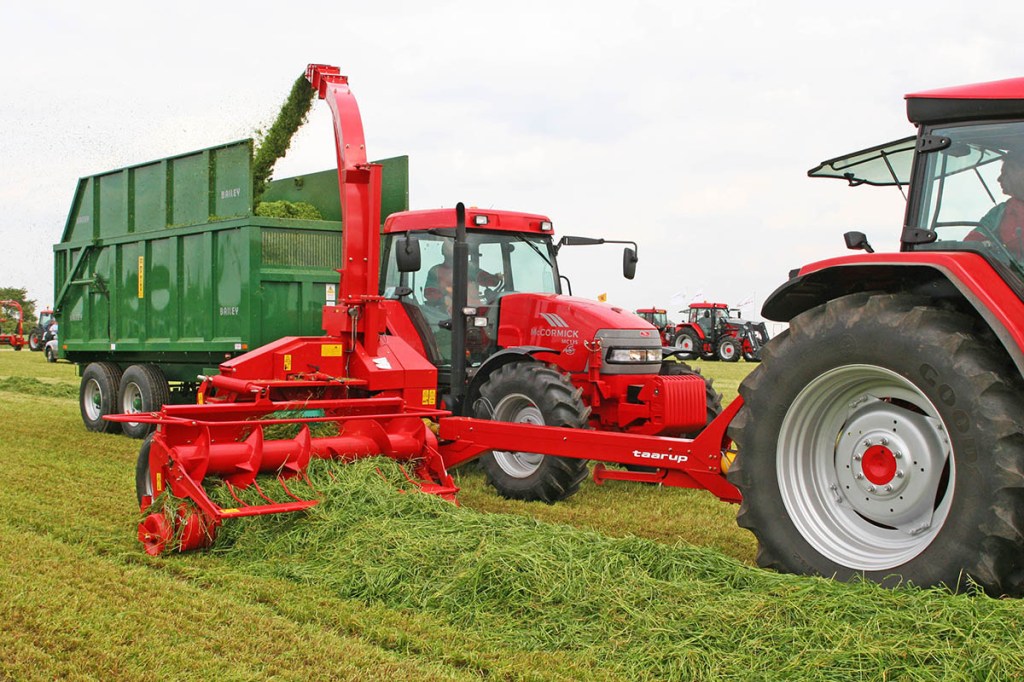
The Kverneland Group has an extensive portfolio that, alongside a vast selection of ploughs, includes cultivation and drilling equipment, sprayers, fertiliser spreaders, mechanical weeders and control terminals, plus an extensive range of grassland equipment comprising mowers, rakes, tedders, flail choppers, mergers, bale wrappers, bale choppers and diet feeding equipment.
It is a line-up that includes almost everything needed to meet the needs of the arable and grass sectors.
Factories across the Kverneland Group are located in Norway, Denmark, Germany, France, Italy, the Netherlands, Russia and China. Group employees total over 2,500 and its wares are sold around the world through its own sales companies in 17 countries, plus importer partners in a further 60 countries.
For the UK market, the Kverneland Group (UK) offers a wide range of equipment available in Kverneland, Vicon and Kubota brands. As a sales company for the wider Group, the UK operation is based at Lea Green, St Helens, Merseyside, though it’s not always been the company’s home.
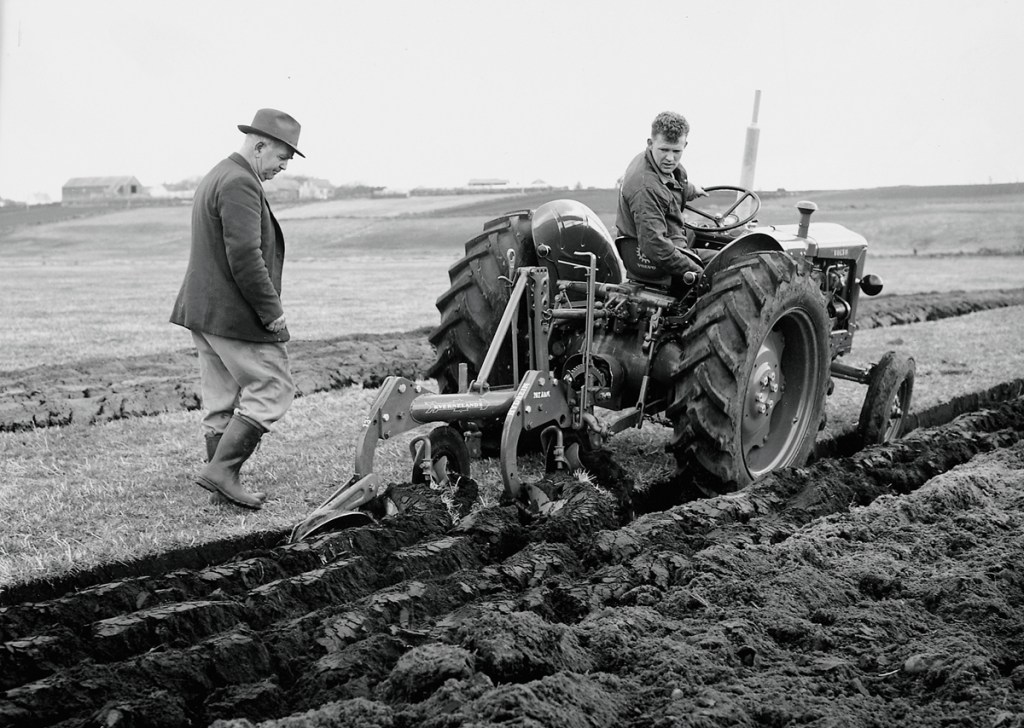
Prior to the mid-70’s, the Norwegian plough maker had entered the UK in the 1960’s through Uttoxeter-based Bamfords machinery, which imported and rebranded Kverneland ploughs and finished them in Bamford yellow. By 1966, Bamfords became the sole UK importer of Kverneland ploughs with a joint venture that lasted a period of nine years.
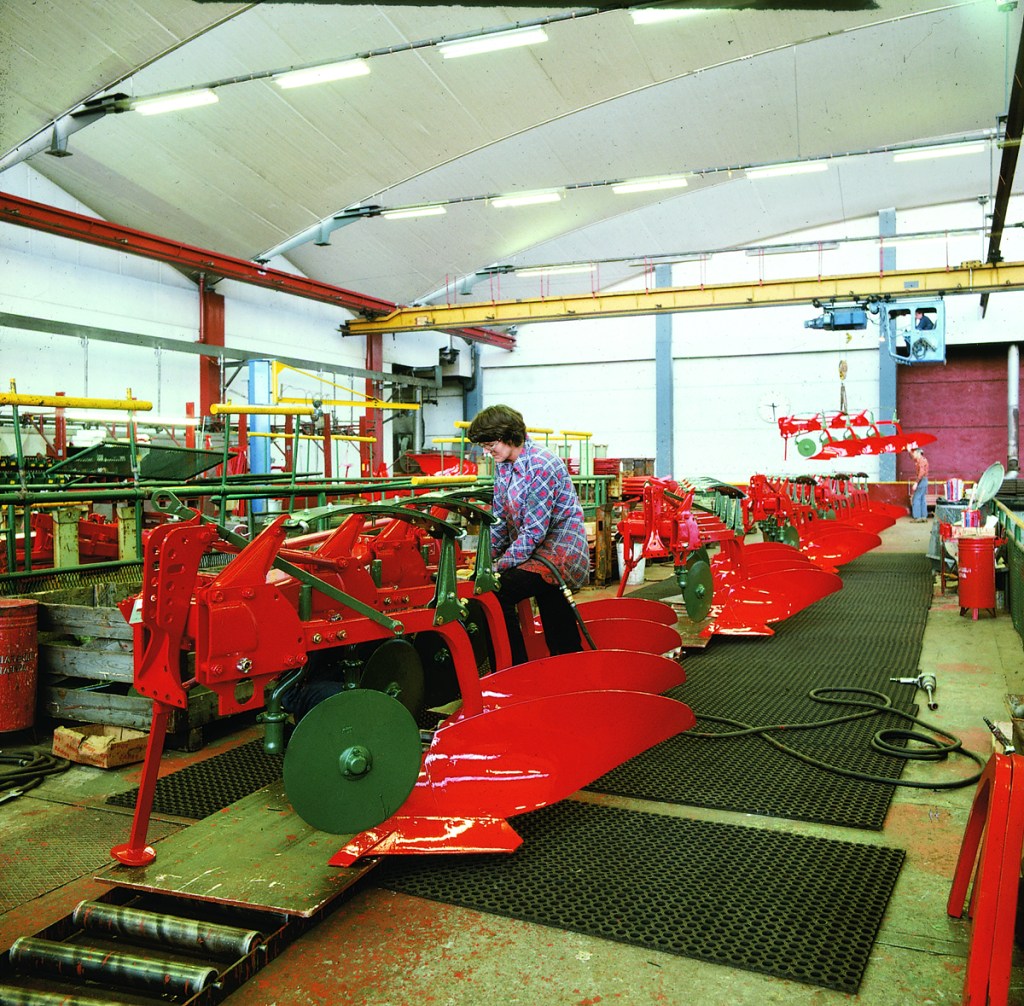
Long before the UK operation migrated to St Helens, the fledgling Kverneland (UK) business operated from Hellaby Industrial Estate near Rotherham, south Yorkshire. The year was 1979, and the Norwegian firm had decided that to succeed, it needed a specialised operation and not one run through an importer.
Kverneland (UK)’s first manging director was then ex-Bamfords employee Cyril Dyke, and the 1979 Smithfield Show was to be the modest starting point for the first official introduction of red-liveried Kverneland ploughs.
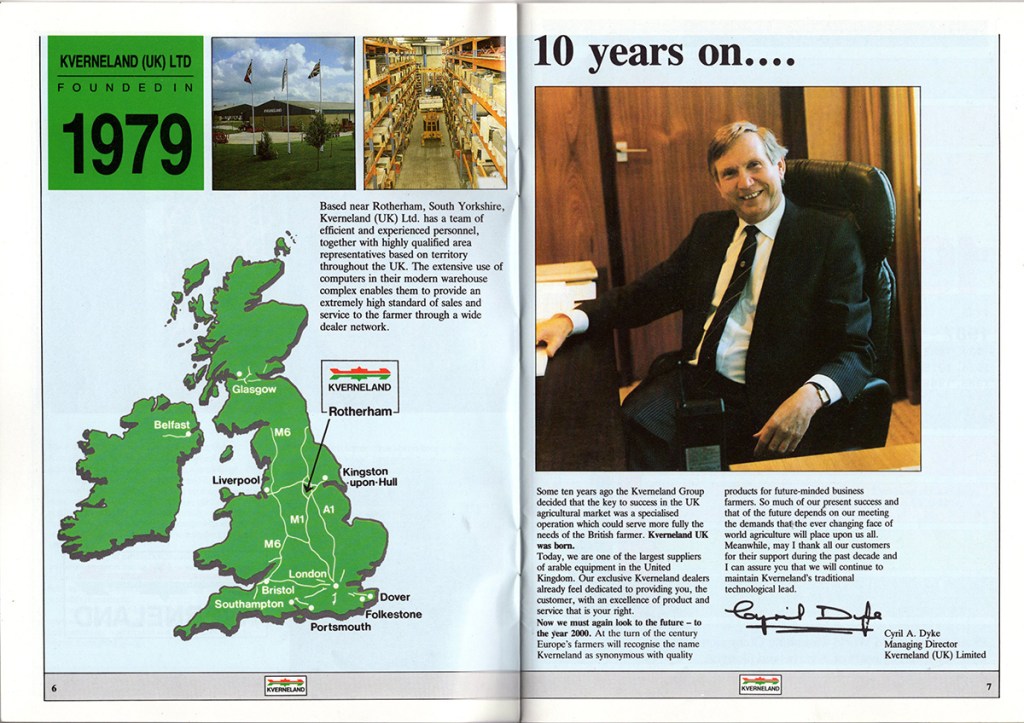
According to retired Kverneland employee and former plough product manager Alan Jones – who started with the company in 1980 as assistant service manager after leaving Ransomes – Cyril Dyke took a few of the highly experienced Bamford crowd with him, to set-up the UK operation.
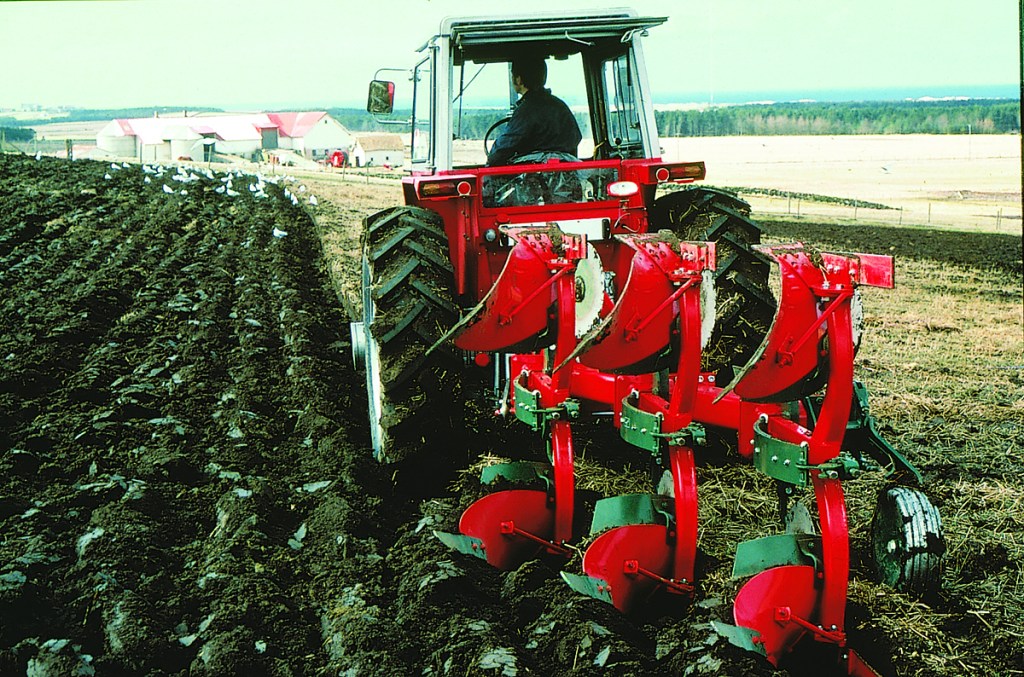
Alan, who spent 32 years with the company, recalls that back then, the range was a simple line-up of Stenomat auto-reset and fixed leg ploughs using a round beam, and designated MZ, with the later auto-reset model A bringing improved clearance and a rectangular frame.
Shearbolt reversible models up to five furrows in size eventually followed along with larger semi-mounted models that he says were developed initially to suit the UK market, specifically for Eastern Counties customers. And both conventional and reversible hydraulic vari-width arrived too.
The majority of plough models sold were of the conventional format in the early days, with the more costly and complex reversible models favoured by farms in Scotland.
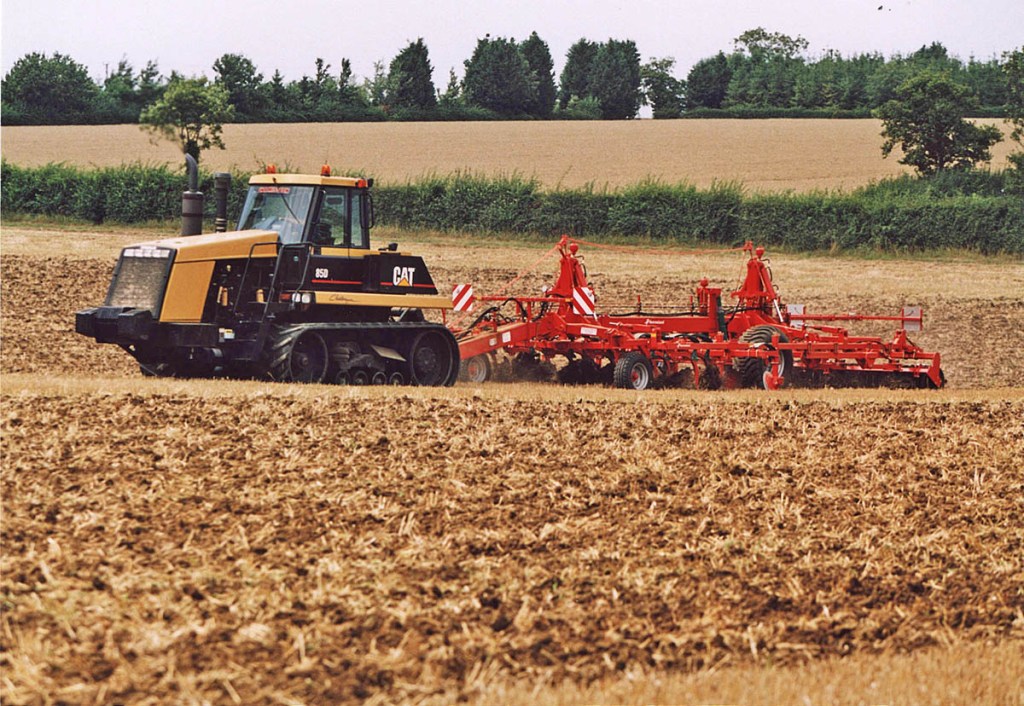
Stone rakes, stone pickers, cultivators and disc harrows were added to the range, which often found their way into land reclamation projects, for example following the closure of open cast coal sites.
Alan Jones recalls that turnover was around £1m/yr initially, with the business growing by a similar amount year-on-year. The offices eventually moved to Devizes in Wiltshire for around six years, then as a consequence of one of the parent company’s many acquisitions, moved to Haydock Park near St Helens, just a few miles from its current location.
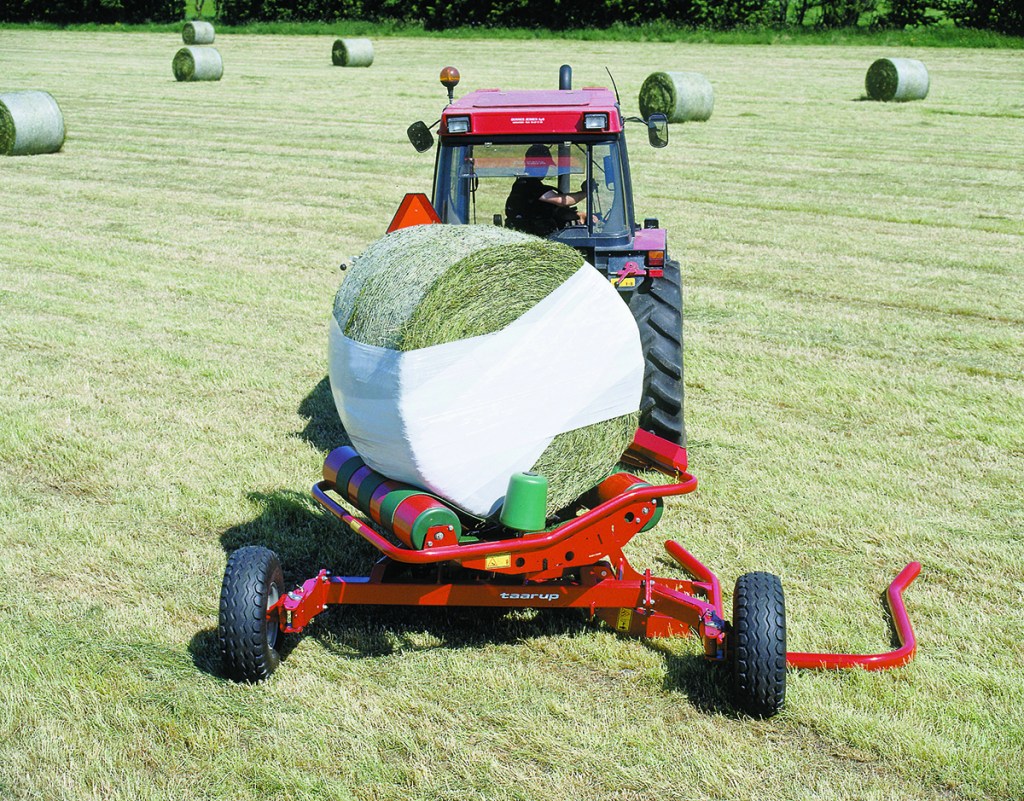
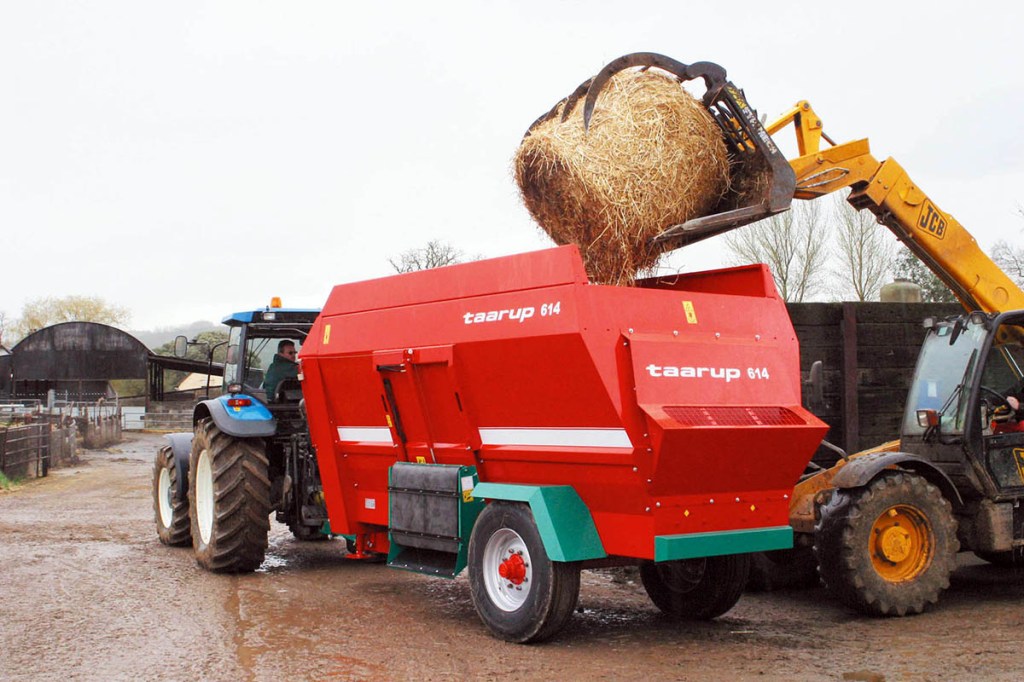
That Wiltshire move came from the Kverneland Group acquiring Danish mower and harvester firm Taarup, and with it came Kidd Farm Machinery that had been purchased by Taarup in 1991. This saw a full range of feeding equipment introduced, along with straw choppers and vertical tub type straw and silage processors. Some may recall the Oswald four-auger horizontal feeders that were made under licence there too, along with badge-engineered vertical tub feeders from Italian firm General Mix.
For the UK operation, the firm decided it didn’t need two office locations almost 200 miles apart, and Devizes was favoured over Rotherham, influenced largely by its manufacturing capability.
When the Kverneland Group acquired Taarup two years later, it created Taarup-Kidd branded machinery, before eventually moving production from Devizes to Taarup’s Kerteminde home in Denmark, and ultimately this led to the closure of the Wiltshire factory.
Ferrag and Accord
Kverneland UK’s move north to Haydock Lane Industrial Estate near St Helens from Devizes was again the result of yet another Group take-over. This one was through the acquisition of Ferrag, with the Norwegian firm acquiring a majority share in the UK business in 1997 and migrating its UK operation from Devizes to St Helens.
Ferrag was run by George Randles, who had previously been employed by Alpha Accord and subsequently British engineering and electronics firm Ferranti, as it established its agricultural machinery and distribution division, known as Ferranti Agriculture.
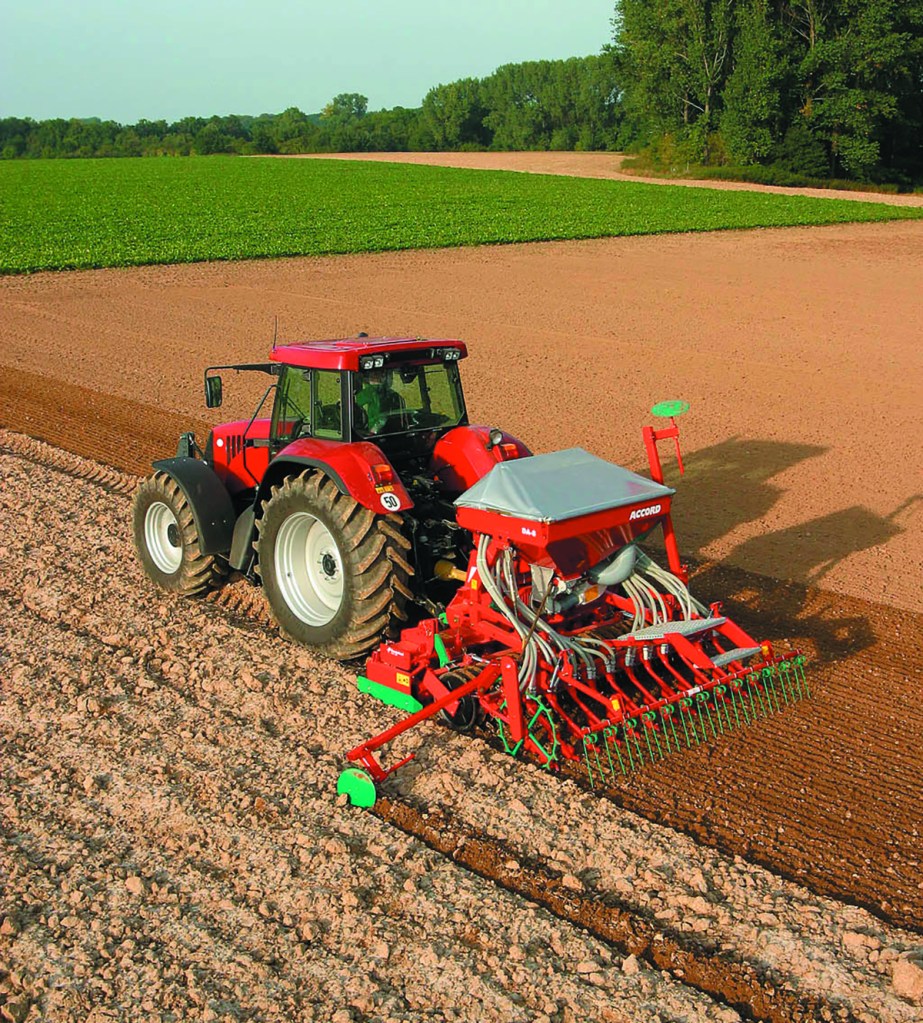
Ferranti Agriculture was launched at the National Agricultural Centre at Stoneleigh, in May 1977, and led by general manager Les James.
Ferranti purchased the share capital of UK firm Alpha Accord, which held the franchise for a range of machinery carrying the Accord name, plus Uni-Drive Tractors and aftermarket front linkages. The Alpha Accord products included seed drills, fertiliser spreaders and vegetable transplanters, which were manufactured in West Germany by H Weiste & Co.
Later that year, and confident of the Accord drill’s capability, George Randles stuck his neck out and along with Cambridgeshire customer John Stokes and son Michael of Little Ravely, Huntingdon, announced they would attempt to drill 150 acres in a day.
The field in question, while adequately sized, was poorly shaped. It also had a copse jutting in from one side which created a lot of short work. And so in September 1977 – witnessed by journalist John Blackbeard from Arable Farming magazine – the Stokes’ set the bar high with a cereal drilling record of 150 acres covered in little over 12 hours using a seed-only, 6.0m (20ft) Accord pneumatic drill pulled by a two-wheel drive Massey 595 tractor at around 10mph.
Seed rate was set at 157kg/ha (140 lbs/acre), and the actual amount sown was 163kg/ha (146 lbs/acre) over the 150-acre field, highlighting the Accord drill’s accuracy.
The farm had previously been using two 3.5m (11ft 6in) drills that collectively covered 80 acres/day, with the switch to a single 6.0m pneumatic drill almost doubling the farm’s output.
Such a record-breaking achievement helped to kick-start a meteoric rise in Accord pneumatic drill sales for Ferranti Agriculture. And over a five-year period from 1977 to 1982, Ferranti Agriculture’s turnover grew from £150,000 to £2.2 million.
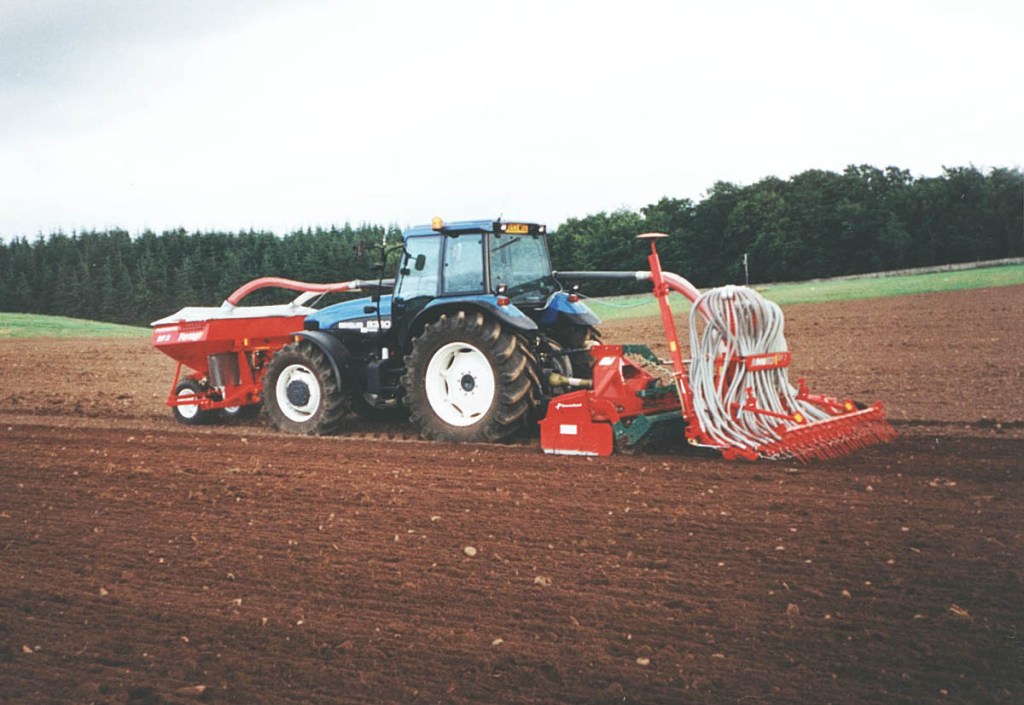
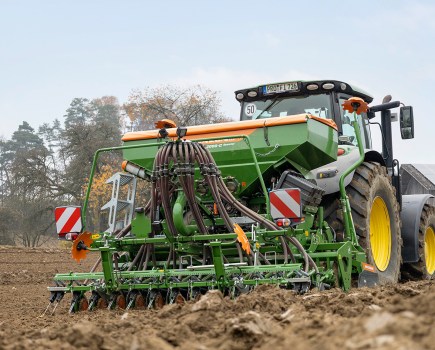
Accord components first appeared in 1965, when Heinrich Weiste along with his son Helmut, developed a new system of seed distribution and transport using air and a corrugated tube. It meant that central metering could be adopted, with distribution easily possible over a wider working width using pneumatics, and manufacturers could also separate coulters from the seed hopper.
Called the Accord pneumatic sowing system, it was a revolutionary development at a time when drills were using mechanical simplicity and fixed working widths. This was a principle that could also be applied to fertiliser spreaders.
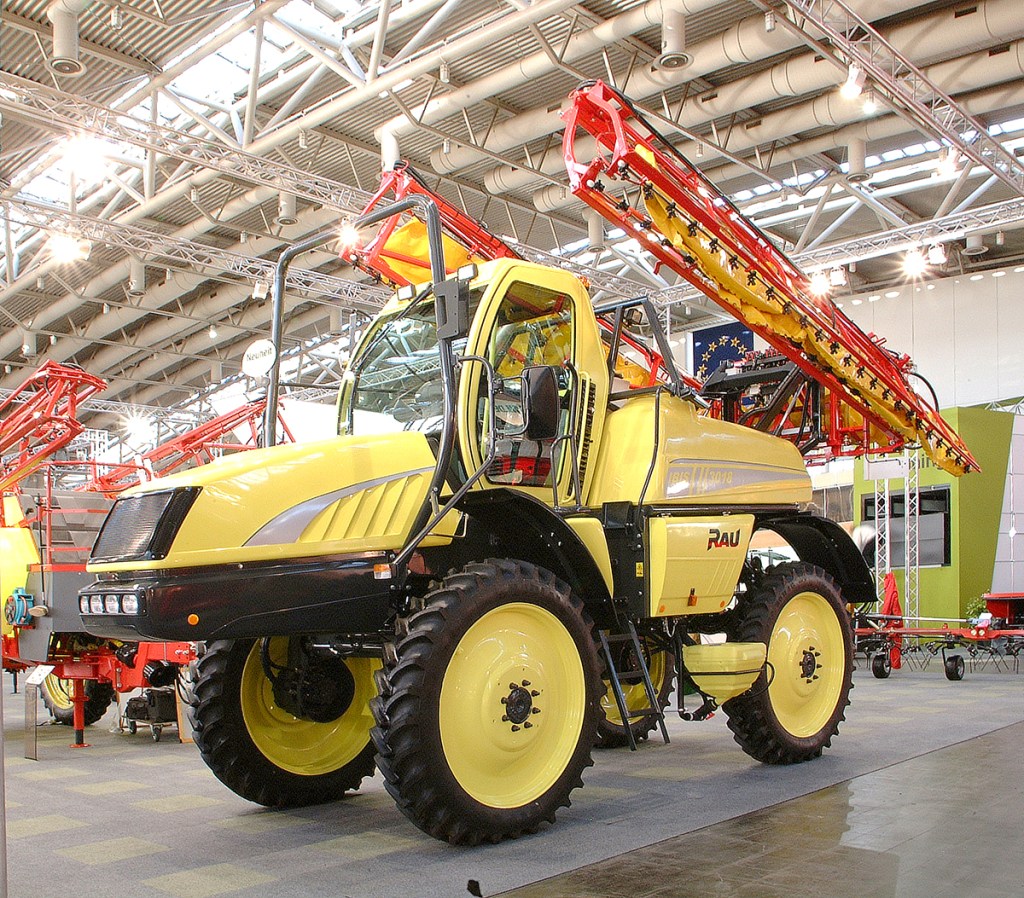
These pneumatic components were widely adopted by many, including Vicon, Horsch, RAU, Dutzi, Vaderstad, John Deere and Kverneland – the latter also included a 1.8m Packomat seeder used on a plough, in combination with a front-mounted seed hopper on the tractor.
At the 1982 Smithfield Show, Ferranti Agriculture introduced the Turbo 18, an 18m Accord pneumatic fertiliser spreader alongside a range of pneumatic drills that spanned 3.0m-12m working widths, and a Ferranti-Polymark hedge trimmer.
Additional items of machinery were constantly on Ferranti Agriculture’s radar for selectively widening its portfolio, including a silage unloader/feeder from muck spreader maker Samas. Along the way, franchises came and went, including Eberhardt and Gehl – the latter arrived in 1979 and had been marketed over the previous seven years by a then Suffolk-based Vicon.
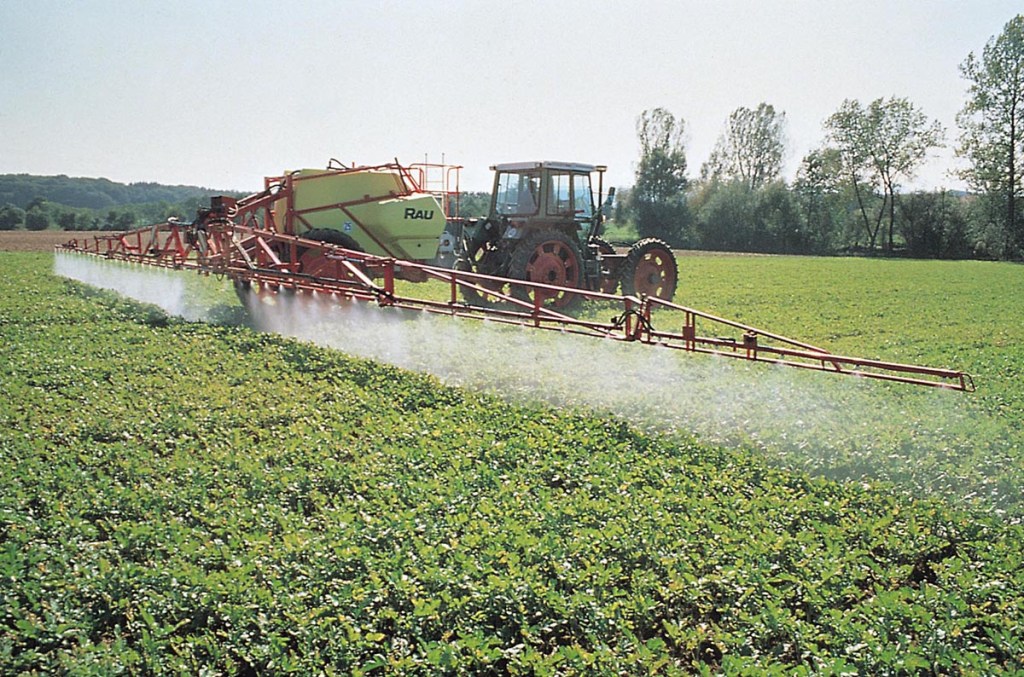
In 1982, Ferranti Agriculture also added Horsch to its line-up, and by the mid-1980’s the UK business was sold to investment company APG and re-branded Ferrag – a combination of Ferranti and Agriculture. As Ferrag, the business continued to move forward and entered into an agreement with Israeli firm Degania, to bring sleeve-boomed sprayers into the UK.
Eberhardt eventually made way for another German firm – that of RAU, which also helped to shape the future direction of the UK business and led to the creation of the RAU Air Plus sprayer, when the Degania agreement fell by the wayside.
In 1992, when APG hit the skids, George Randles saw an opportunity to take on Ferrag and orchestrated a management buy-out. Doing so saw Accord take a 49 % share-holding in Ferrag, and RAU owned 25 %. And when the Kverneland Group bought Accord in 1996, it gained that 49 % share-holding solely through acquisition.
By the end of 1997, Kverneland Group increased its holding in Ferrag to 75 %, and the management team became Kverneland Group (UK) employees and continued to operate on Haydock Lane, while the remaining 25% was retained by German manufacturer RAU. In 1999, Kverneland Group bought RAU and acquired the remaining 25% of Ferrag.
Vicon and Greenland
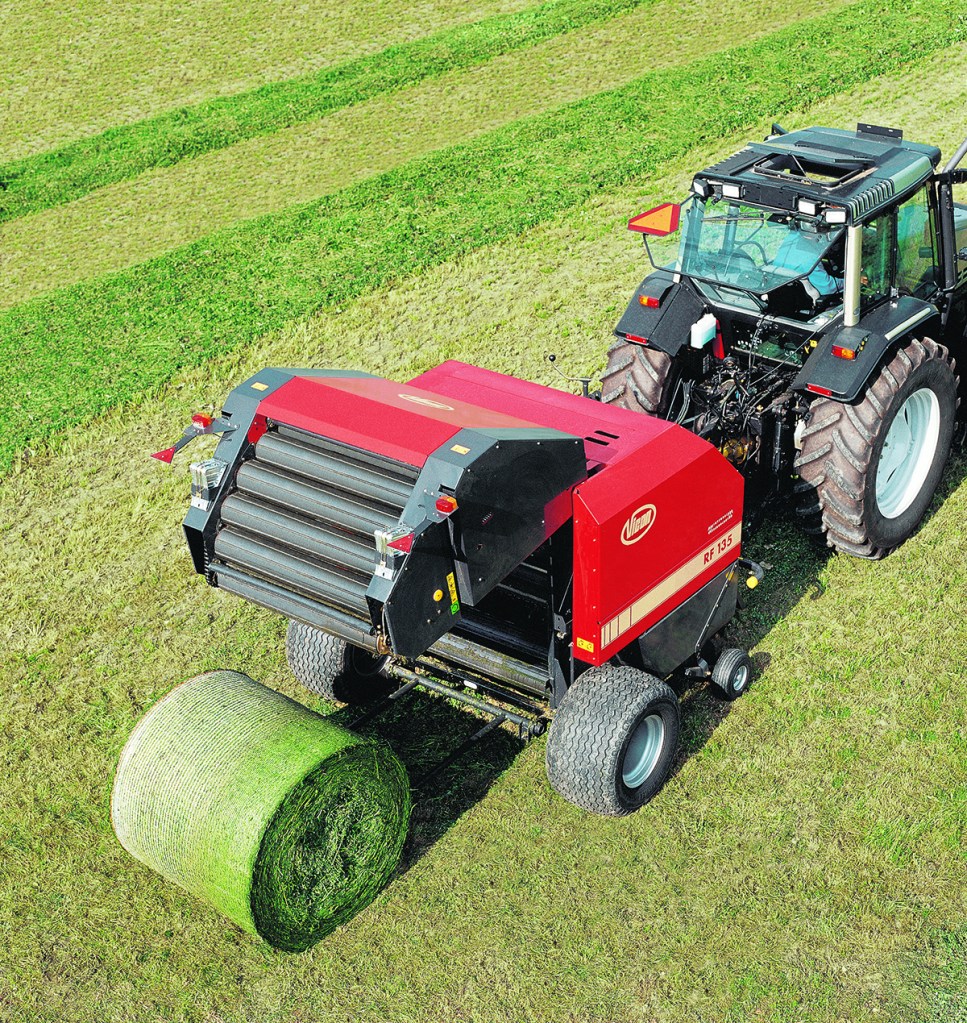
Vicon, an acronym for Dutch firm Vissers Construction Nieuw-Vennep, that was started by Vissers brothers Herbert and Bas, had its UK operation based in Ipswich for many years. Its range of equipment was already extensive, and included well-known kit such as the Acrobat side-delivery finger rake, the pendulum spreader, potato and beet harvesting equipment, disc mowers, plus round and square balers.
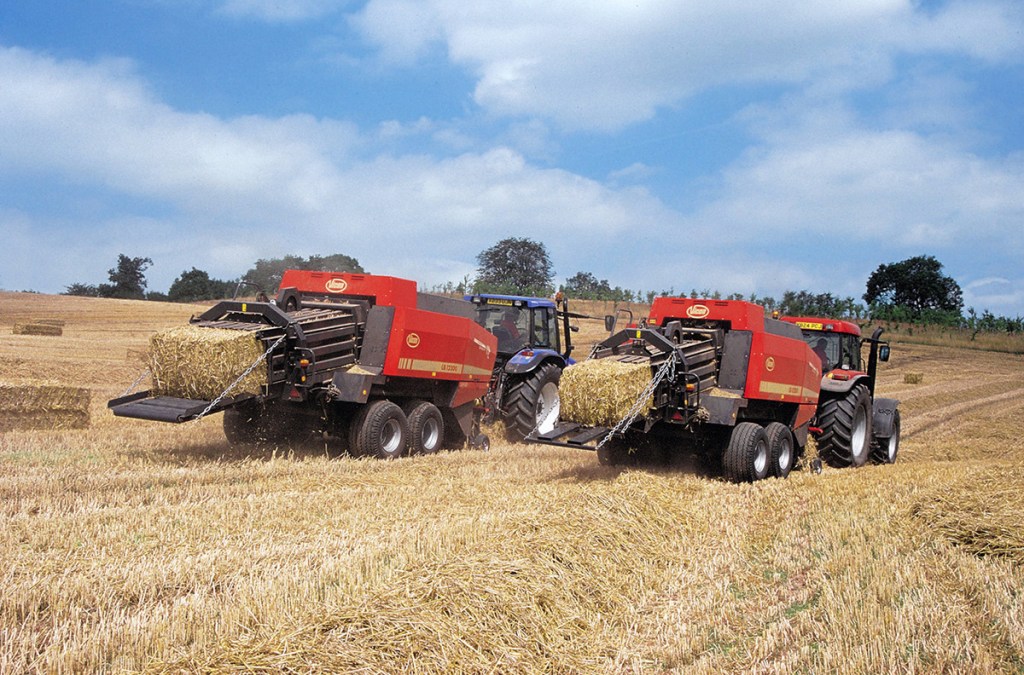
In 1976, Vicon introduced the triangular, three-bladed cutting disc, which continues to this day. During 1981, Vicon was acquired by Thyssen-Bornemisza (TBG), a large, industrial group, which had already taken over PZ Zweegers in Geldrop, Netherlands – the maker of the PZ haybob. That same year, Vicon entered into an agreement with French baler specialist Rivierre Casalis to supply round and square balers, but by 1984, Vicon had started its own production of square balers after buying knowledge, patents and production rights from International Harvester, before eventually acquiring Rivierre Casalis in 1988.
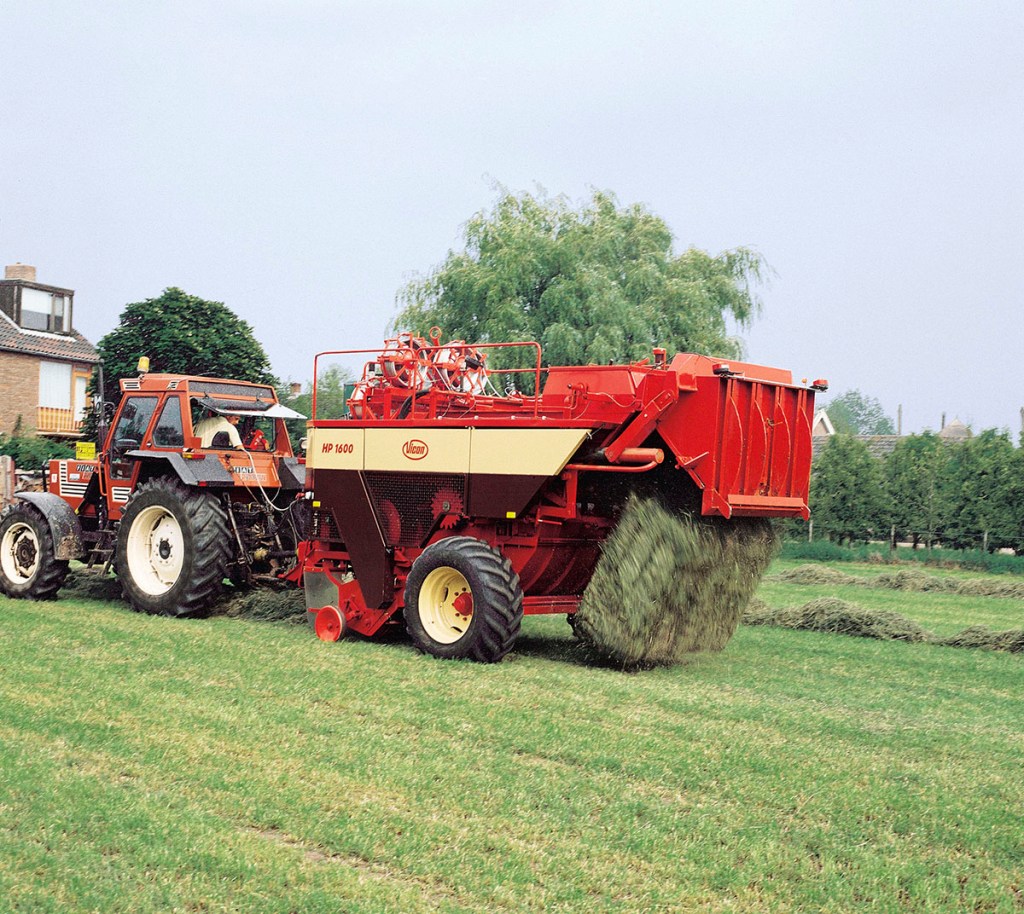
With money to spend, the wealthy Thyssen-Bornemisza Group also helped Vicon acquire a significant share in French sprayer maker Allaeys, before it became a full subsidiary of Vicon in 1984. Micro-electronics had been developed for the HP1600 high density square baler, and an expansion into the arable sector also followed.
Vicon introduced a range of pneumatic drills using Accord seed metering equipment combined with the polyester hopper from the pendulum spreader. The drill could also be used with Vicon’s own power harrows, in addition to other makes of power harrow.
In 1990, Vicon, Rivierre Casalis and PZ were integrated into a new company called Greenland, which was the agricultural division of TBG. Greenland had also entered into an agreement with Massey Ferguson to supply MF-branded implements for its dealer network, of which MF seed drills became a prime example.
Greenland’s takeover of KHD’s Gottmadingen factory in Germany saw Deutz-Fahr Implements separated from KHD’s Deutz engines and the Deutz-Fahr tractor business. And it too was swept into the expanding Greenland umbrella.
This new factory also provided the business with Deutz-Fahr branded drum mowers, rakes, tedders, self-loading forage wagons and round balers, which were then supplied throughout Europe. But with a downward trend in the markets, product duplications among factories soon led to streamlining, and sales organisations of Greenland companies were gradually combined.
Prior to the Greenland name appearing on premises in Market Drayton, Shropshire, this was the base of PZ importer SKH (Salopian Kenneth Hudson). SKH was involved in supplying a wide range of livestock machinery to farmers – some of it was imported and badge engineered, and some of it was locally produced.
Retired Kverneland employee and former parts marketing manager Richard Bennett spent several years working at SKH’s Market Drayton premises, and recalls a wide range of kit available, including muck spreaders, feed troughs, disc ploughs, hay conveyors, and cultivation equipment.
Among the cultivation equipment line-up was a range of power harrows imported from Italian maker Feraboli, and the PZ Crumbler – the latter being eventually badged as the SKH Crumbler.
SKH was then a subsidiary of Rubery Owen Co, and was subsequently bought by PZ. When PZ was later acquired by Vicon owner Thyssen-Bornemisza Group, the Market Drayton business was rebranded to Greenland UK. And this eventually led to Vicon’s UK operation relocating from Suffolk to Shropshire, as the two business were merged.
The product range however, has continued to evolve. Among the Vicon portfolio there have been some interesting developments, including the WR322 rape swather from its involvement in Canadian markets, the Vicon Red Bull self-propelled mower based on a JCB power unit, and the HPC – a brush-type conditioning system for mowers.
In 1998, the Kverneland Group acquired Greenland Group, and with it came the Vicon business. For the UK market, this move saw both the Kverneland and Vicon businesses combined over a two-year period into one larger operation. This saw the creation of an expanded Kverneland Group (UK) at Lea Green, St Helens, Merseyside, giving the business a larger base.
The rise of Kverneland Group
The history of Kverneland Group dates back to 1879 when its founder, Ole Gabriel Kverneland, built a small forge in the village of Kvernaland, 25km from Stavanger, Norway. He named his business O.G. Kvernelands Fabrik and started to manufacture scythes.
A talented inventor, Ole Gabriel designed his own water-powered spring hammer and began producing 7,000 – 8,000 scythes/year with mass production techniques, giving him a competitive edge over his rivals who still used traditional, manual production methods.
Transferring his family owned forge to a limited company to finance further growth, the forge was producing horse-drawn ploughs and harrows.
With the introduction of tractors in the 1920s, the company explored the possibilities of making agricultural implements for tractors, with its first tractor plough arriving in 1928. A range of muck rakes, hay forks, stone forks and harrows soon followed.
By the 1950’s, the company sought strategic expansion and embarked on its first acquisition phase among complementary producers of agricultural implements. Globus Maskinfabrikk located in Brumunddal, Norway, was the first acquisition in 1955, and the first foreign acquisition took place in 1973 when it bought Plovfabrikken Fraugde in Odense, Denmark.
In 1983 the family-owned company was listed on the Oslo Stock Exchange. This provided the company with the necessary resources for further expansion, and in 1984 Kverneland ASA acquired Kyllingstad Plogfabrikk in Kleppe, Norway.
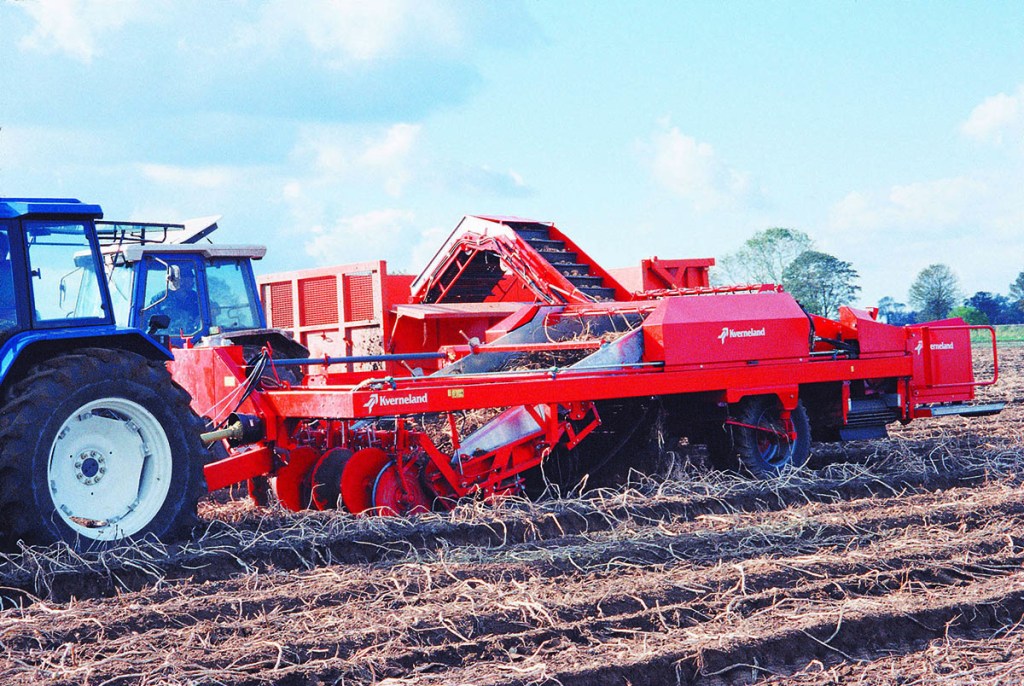
Two years later in 1986, Underhaugs Fabrikk in Nærbø, Norway, was added to the business.
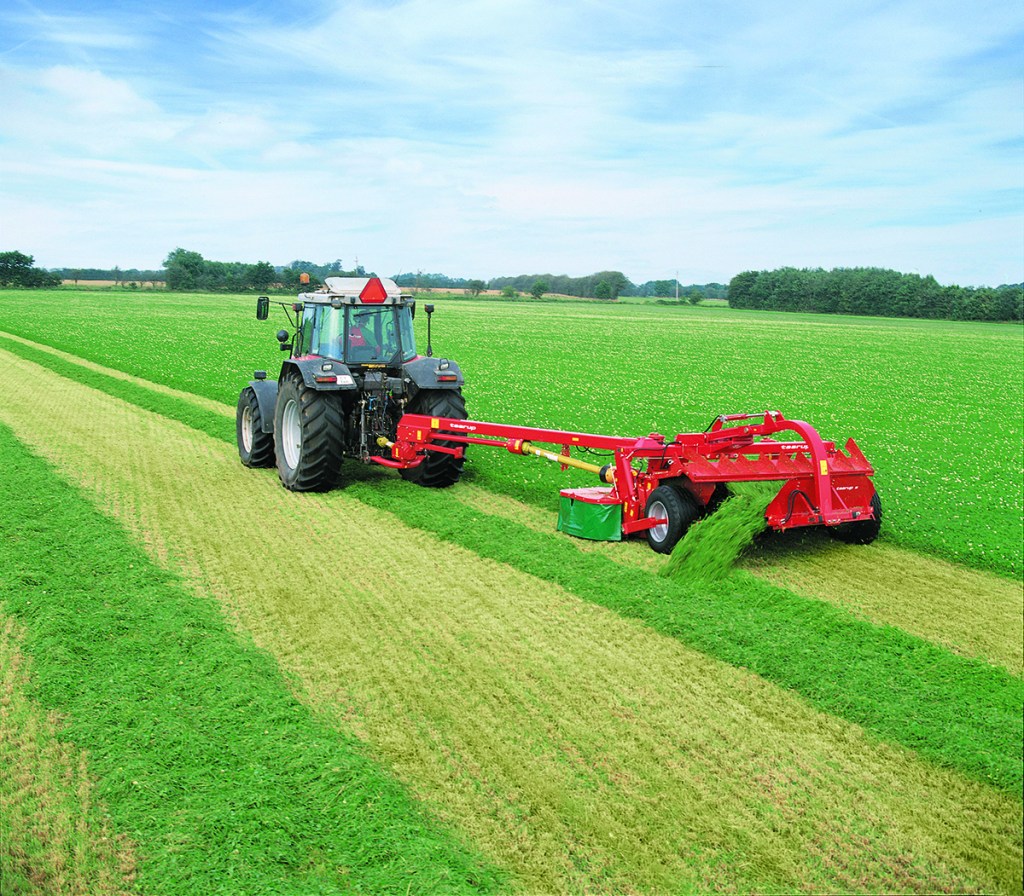
The 1990’s marked the beginning of a rapid period of growth for Kverneland ASA. In 1993 the company acquired Maskinfabriken Taarup in Kerteminde, Denmark, which also included the UK-based Kidd factory.
Over the next three years, additional European implement manufacturers were purchased by the Group. Machine Agricole Maletti in Modena, Italy, was bought in 1995, Accord Landmaschinen, Söest, Germany followed in 1996 and finally the German distribution company, Silo-Wolff, Lauenförde, entered the fold in 1997.
In 1998 the Kverneland Group saw the peak of its expansion – a year when the Group acquired two major companies and cemented its position as an industry leader. In the middle of 1998, the Netherlands-based Greenland Group was acquired and this incorporated the Vicon brand name into the family.
Later that year, the second major acquisition was made with RAU being added to the Group, brining high-tech sprayers plus cultivators. These two acquisitions doubled the Group’s turnover in just over two years, achieving almost NOK 4 billion along with 3,800 employees.
At this point, Kverneland Group was now the world’s largest manufacturer of farm equipment.
In 2000 the Kverneland Group diversified further and ventured into viticulture by acquiring the world’s leading producer of grape harvesters – Grégoire SA. Further acquisitions with Lagarde and UR Machinery (Vinestar) saw the Group become the largest producer and supplier of mechanised vineyard maintenance equipment in the World.
In 2005, Kverneland sales offices were established in Russia and China, and in 2006, the Group merged its two spare parts warehouses in Giessen, Germany and Orléans, France, into one new central warehouse in Metz, France – a process that took three years to complete. This 15,000 sq/m operation was upgraded again 12 years later, moving to nearby Thionville in Metz, with a building almost twice the size.
By 2006, the firm had entered into a marketing agreement with Siloking Mayer Maschinenbau, and the first machines arrived badged as Taarup Siloking. This agreement is still going strong in the UK, with a range of trailed and self-propelled models viewed as a key part of the Kverneland portfolio.
In 2007, the Group separated its vineyard operation so it could focus on its core business areas within grass and arable sectors.
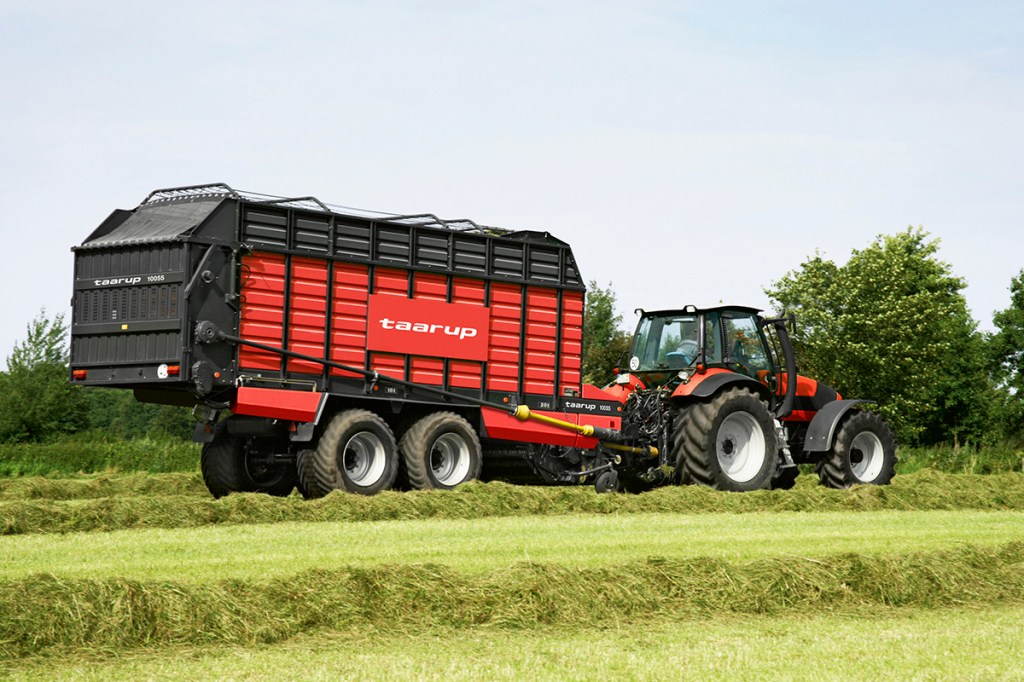
By 2009, Veenhuis’ forage wagon division was acquired, and the following year it started a long-term joint venture with Gallignani, to introduce a new range of fixed and variable chamber round balers, eventually taking full control of the baler business by 2012.
That same year saw Kubota Corporation acquire the Kverneland Group, which also paved the way for a range of Kubota-branded implements to be supplied to the Kubota dealer network, with products that are matched to available power from the M-series tractors, which peaks at 175hp.
ROC mergers followed in 2022, and more recently, the acquisition of BC Technique has given the company a range of inter-row cultivators, rotary hoes, guidance interfaces and tine harrows.
Profi International would like to thank the following for their help with this feature: George Randles, Alan Jones, Richard Bennett, Mike Howell and Dan Crowe.
Factory locations
Klepp, Norway: Ploughs
Kerteminde, Denmark: Mowers, rakes, tedders, bale choppers
Ravenna, Italy: Balers, wrappers, flail choppers
Soest, Germany: Seed drills, precision drills, power harrows
Niew-Vennep, Netherlands: Electronics, control terminals, sprayers, fertiliser spreaders
Les Landes-Genusson, France: Weeders, cultivators
Rimini, Italy: Mergers
Geoff Ashcroft
For more up-to-date farming news click here and subscribe now to profi and save.