

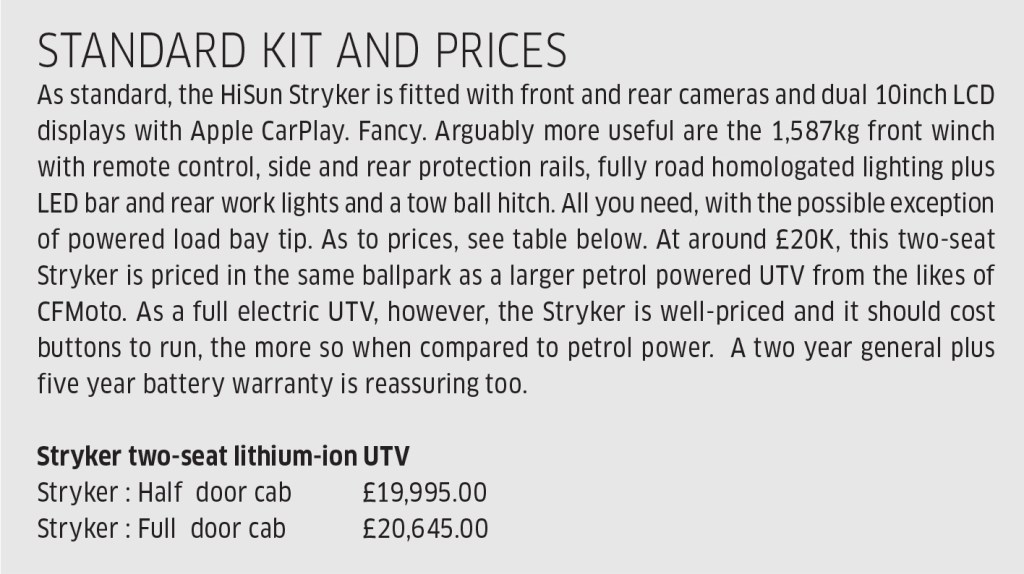
Oxfordshire based Barrus have been importing HiSun electric powered UTVs for over five years, with its latest Stryker EV models coming in two- and four-seat variants. Drawing energy from a 7.6kWh lithium battery, both are powered by a 15kW motor. But are they ready for the everyday rigours of life on the farm? We try a two-seater to find out.
KEEPING IT BRIEF
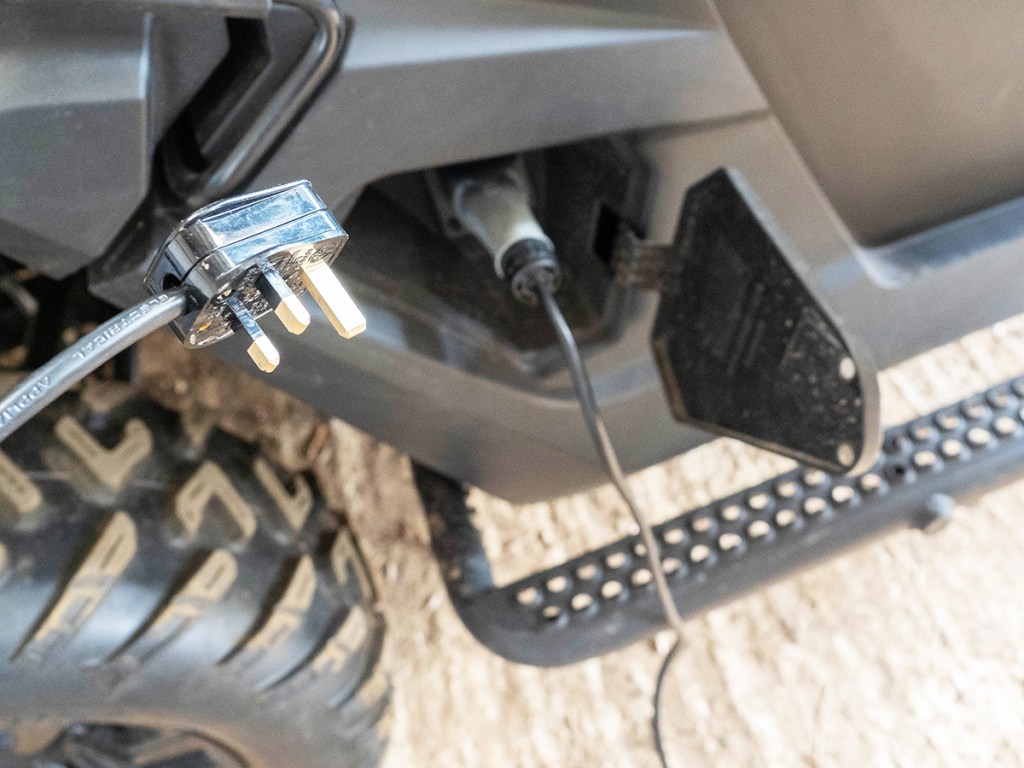
- Charging is via a three-pin plug
- From flat to full, an overnight battery charge will deliver a theoretical range of 50km
- Automotive features include Apple Car Play connectivity and keyless go
- Full or half cab
- Road legal lighting
- Quiet running
- Two year general and five year battery warranty
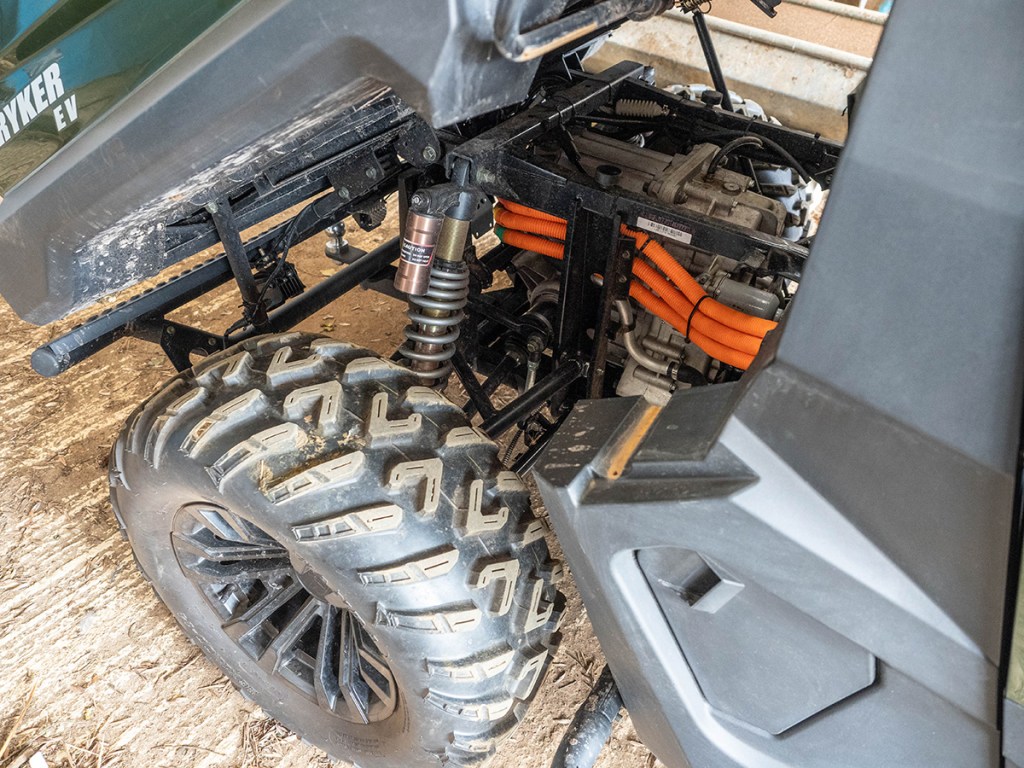
Early morning stock check. Jump into the diesel UTV, turn on the key, wait for the glow plug light to go out and fire up the vocal power unit. Or it is normally. For a couple of days, we had the HiSun Stryker EV for the job. All we needed was the vehicle’s key in a pocket, ensuring the charge cable was unplugged and hop into the cab. Then it was simple press of the steering column mounted start button, holding down the foot brake, nudging the dash mounted selector lever into ‘F’ for forward before blipping the foot throttle and away we went, the parking brake releasing automatically.
Travelling around in the hushed confines of the Stryker cab was a world away from the noisy ride we are used to. The little UTV had plenty of oomph too, with our routine steep inclines dismissed with ease. We got from A to B in double quick time.
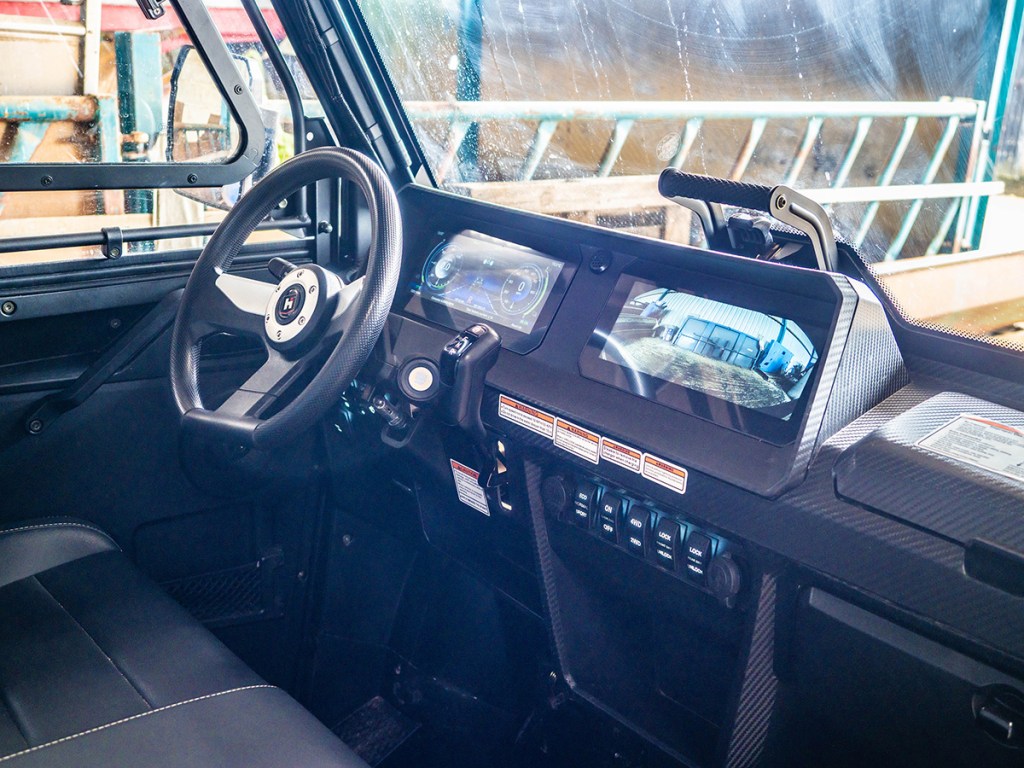
Automotive features
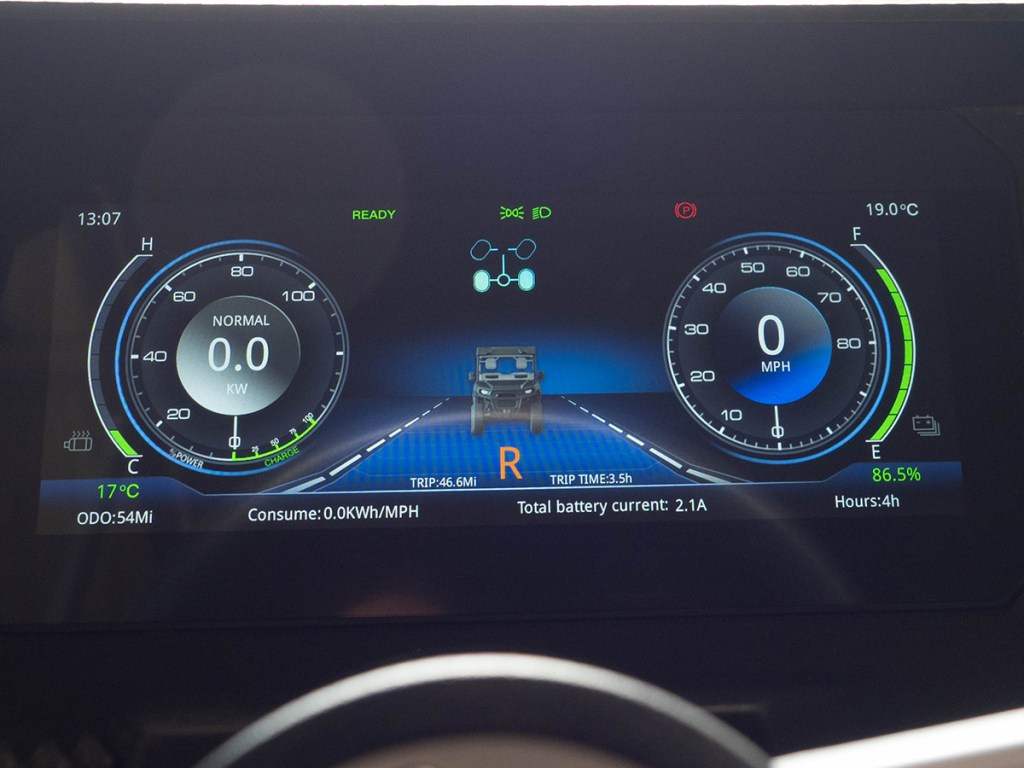
The initially interesting pair of 10in LCD displays, with the easy to read speedo and battery power gobble meter, were soon ignored but they did offer a degree of automotive sophistication. The second central 10in display can be scrolled through to show the vehicle’s operating menu. It also allows an Apple user to synch up CarPlay as well as providing easy access to a comprehensive radio and ‘media’ set up. As these ‘luxuries’ are not part of our stock check routine, we didn’t really delve into what was on offer, preferring instead to revel in the quiet confines of the cab. Of course, this did mean we could hear every rattle and thump from the suspension but there were no alarming signs of the UTV not having been screwed together properly. The whole package felt reassuringly solid for a UTV.
Whilst the ride in the Stryker was just fine, overall comfort was more of a mixed bag. This was largely down to the stitched faux leather look seats. Although they look plush, they are strangely shaped, with a deep seat pan for both the driver and passenger perches. No doubt the seats will soften over time, but everyone who settled into the seats found them not particularly comfortable. Similarly, the seat pan positioning forces both driver and passenger to sit close to the doors, with little elbow room. This makes the cab feel cramped although it is a decent size for two.
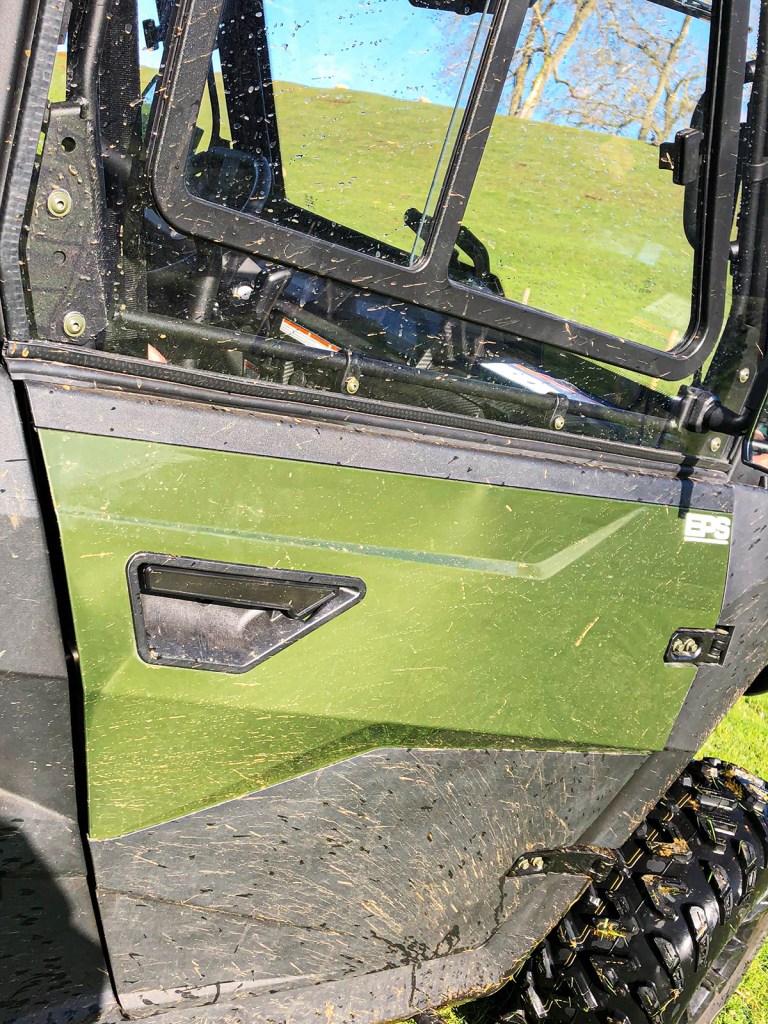
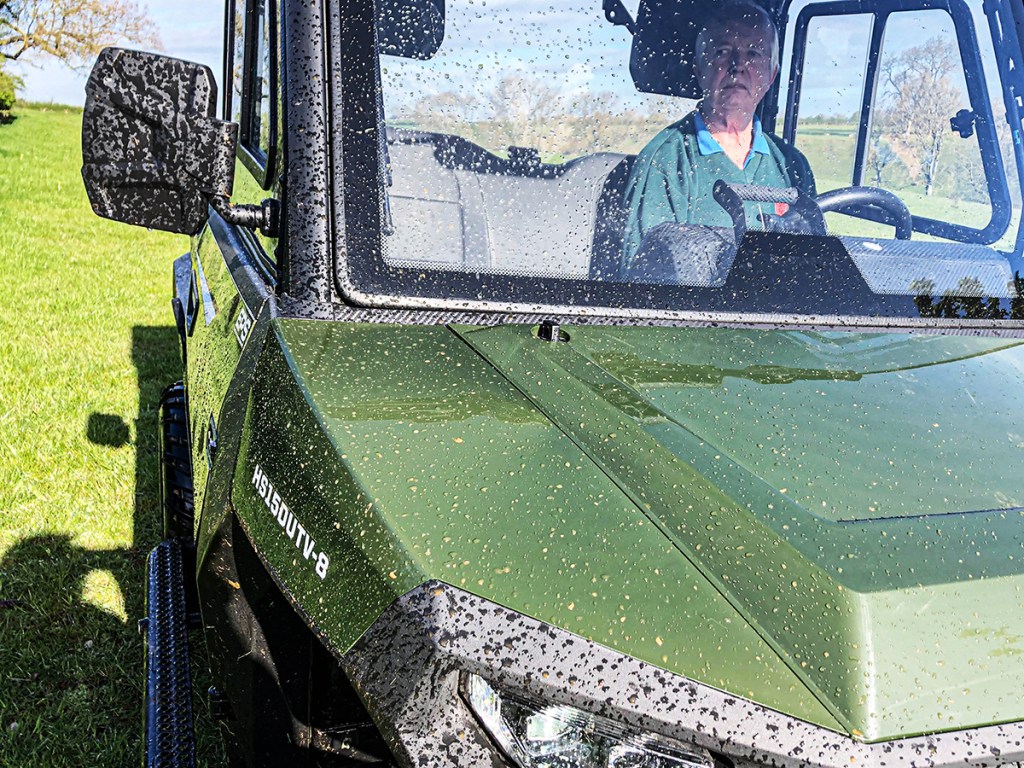
The full cab version we tried has sliding glass top door panels. These are designed to be easily fitted or removed and are the main difference between full- and half-cab models, the latter doing without. Taking off the top panels would free up some elbow space but perhaps a flat bench seat would be better as it would not force you to sit so close to the door.
As the cab has no need to be sound insulated or sealed to keep out engine noise, it does mean it looks unfinished inside. There are also gaps, such as around the adjustable steering column, that allow in a draught. No problem in good weather, but chilly when taking an early morning run on a cold spring day.
All the spec you need?
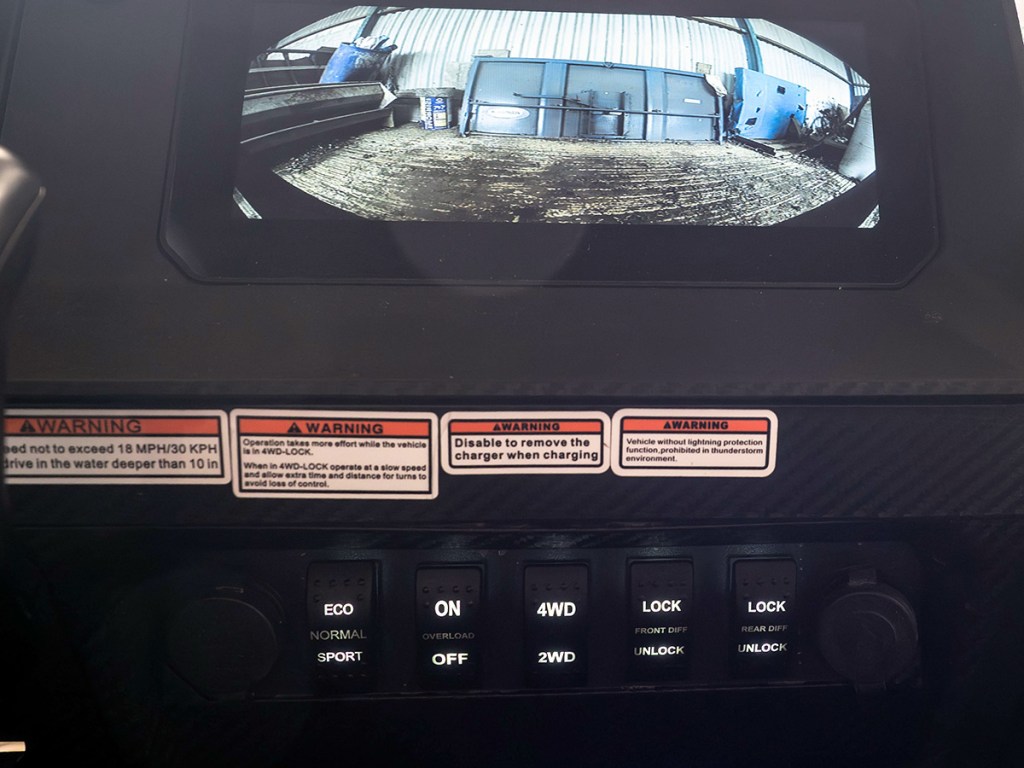
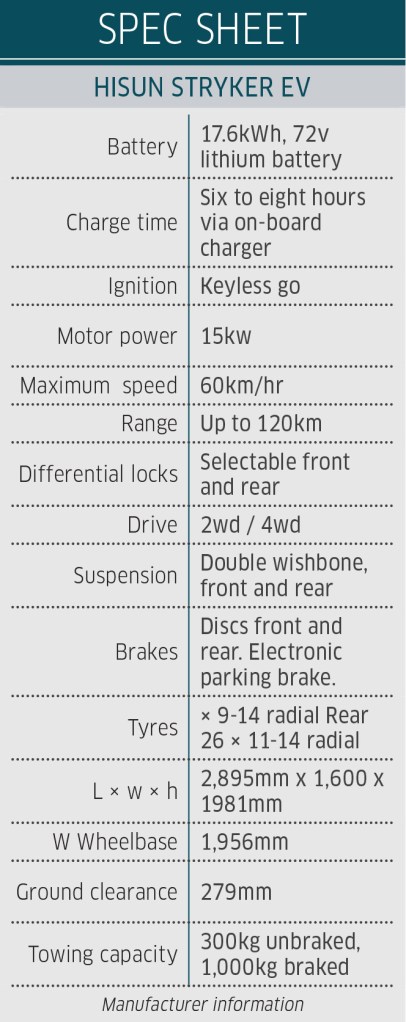
As outlined in the picture captions, the Stryker has all the UTV features you would expect, with selectable all-wheel drive and differential locks for optimised traction. There is also a rocker switch to engage one of three drive ‘modes’, Eco, Normal and Sport. For routine work, Eco proved the everyday setting, with Normal adding a bit of pep. As to Sport, this shovels in some extra torque but reduces the top speed and would perhaps be better labelled as Power.
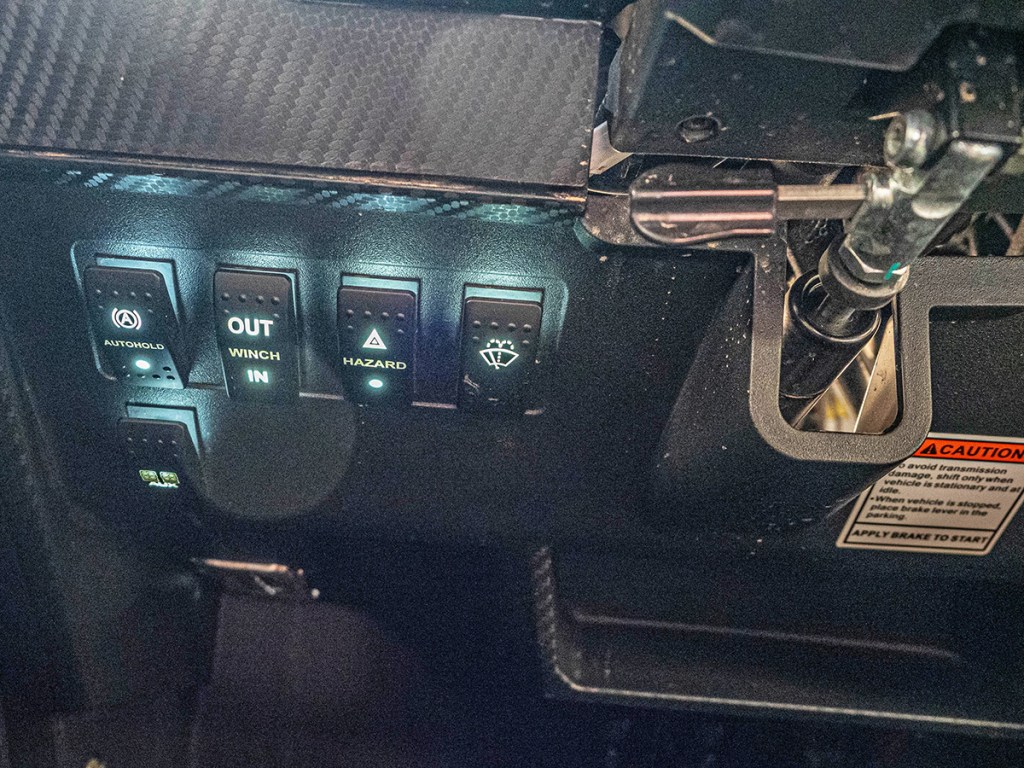
No doubt this setting is best used when scaling steep slopes with a trailed load. That said, there is a further rocker marked Overload that pegs speed to around 30km/hr but is claimed to double the available torque. We did not put towing to the test but feel the rated towing capacity of 300kg will be met easily enough. A rated braked towing load of 1,000kg, however, is something we suggest would be a bit optimistic in hilly terrain.
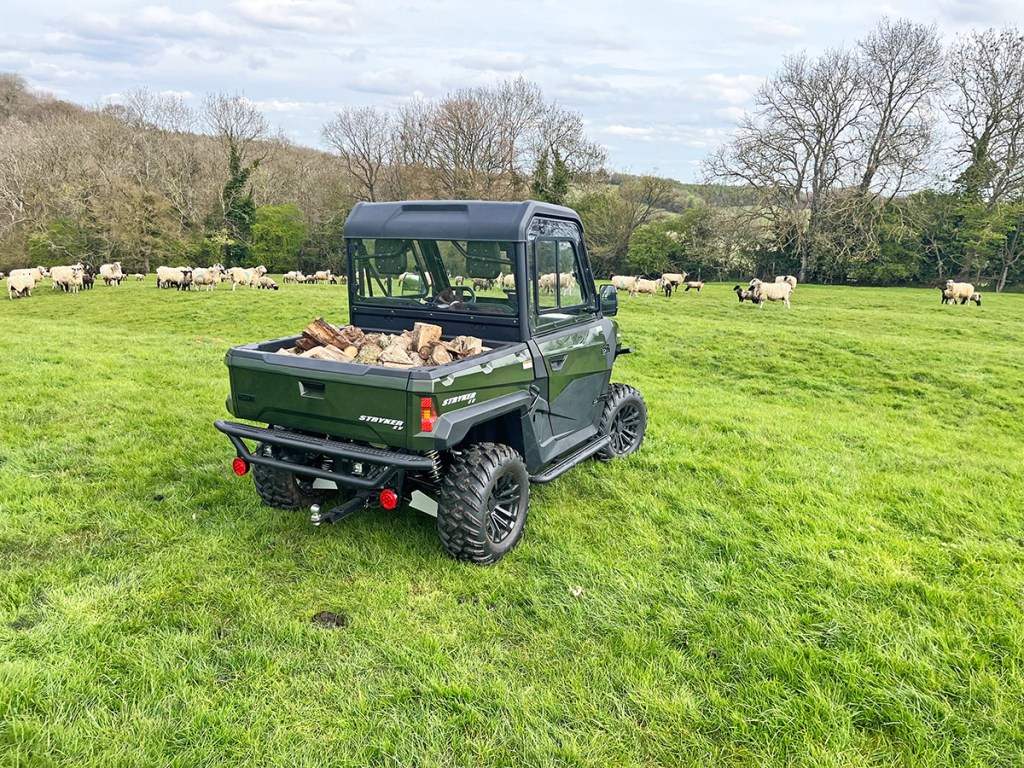
Powerful lights, with a roof mounted light bar, come as standard with the vehicle ready to be set up for on road use. We managed to get the UTV up to around 40km/hr across the fields, although the UTV is rated to 60km/hr.
The steering lock proved extremely tight, the turn radius measuring around 3.75m on hard ground in 2WD. At low speed, the electric power steering had a slightly notched and weighty feel to it but, as speed was ramped up, the steering lightened and tightened for a more neutral feel.
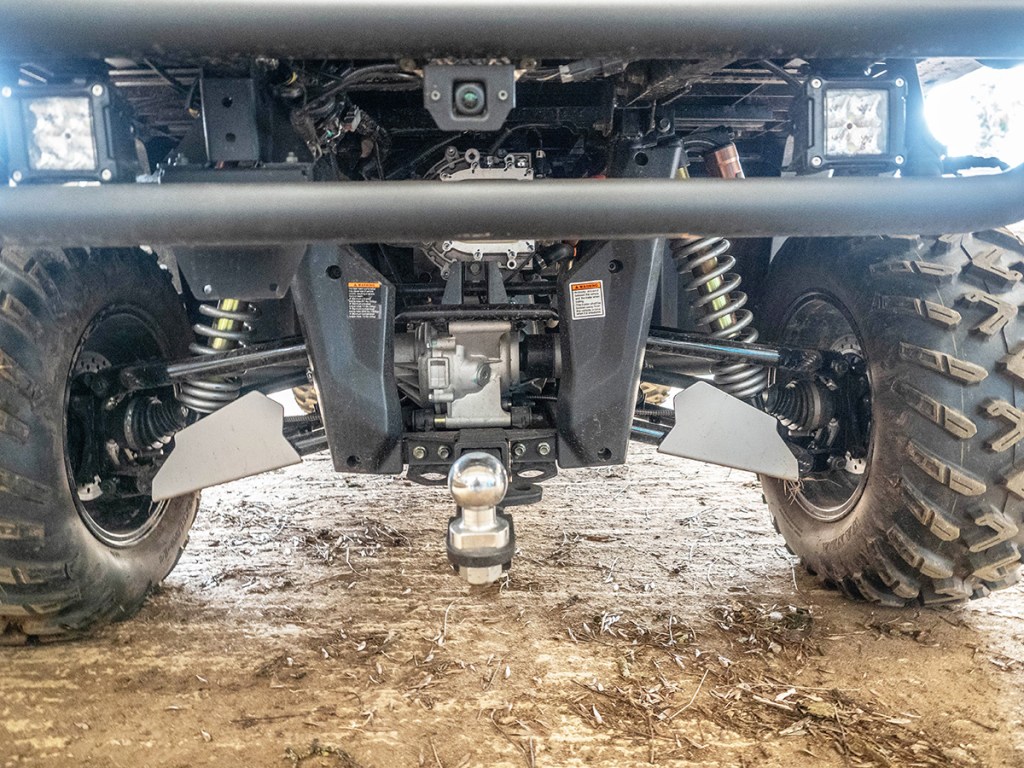
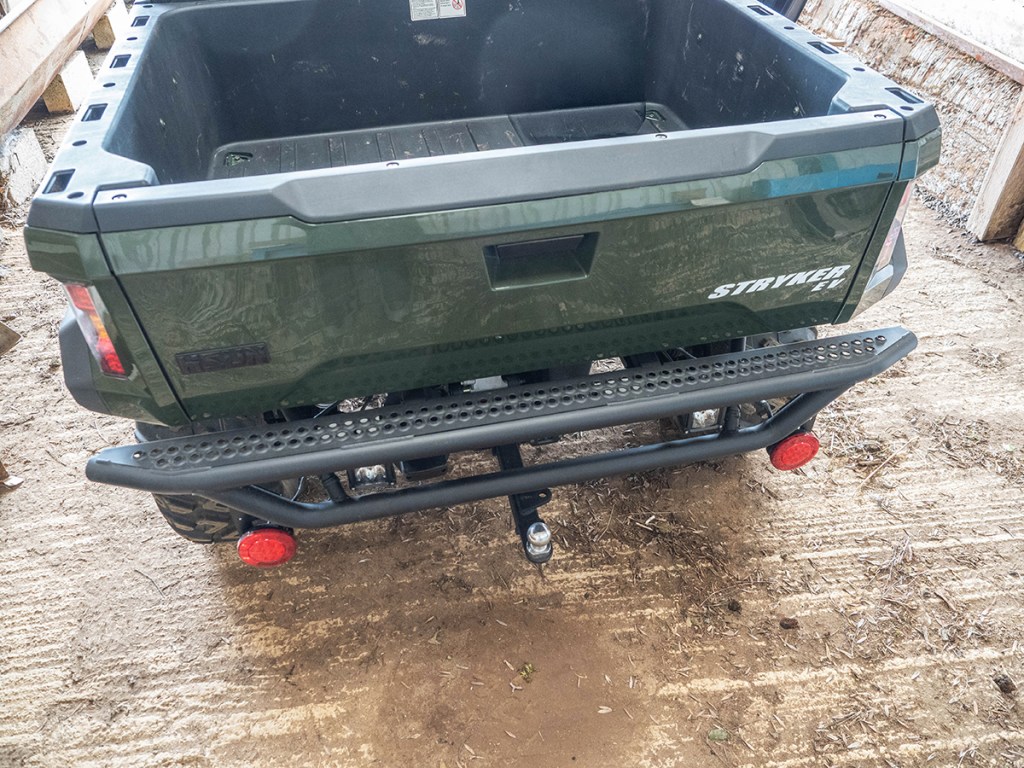
The rear load bay is a lined plastic clad unit with a shape that needs the tailgate lowering to properly load with small bales. As is the case with most UTV models, the load height is a healthy 775mm from the ground. Heaving a heavy load into the back of the UTV is not much fun. That said, you can easily hitch up to a nice low livestock trailer instead. As to other loads, we carried a slightly heavier than recommended 250kg of logs in the back and the Stryker romped along as if there was nothing in it. We also found the platform gas strut had enough push to make tipping out the logs a breeze. There is no electric tip option offered.
Summary
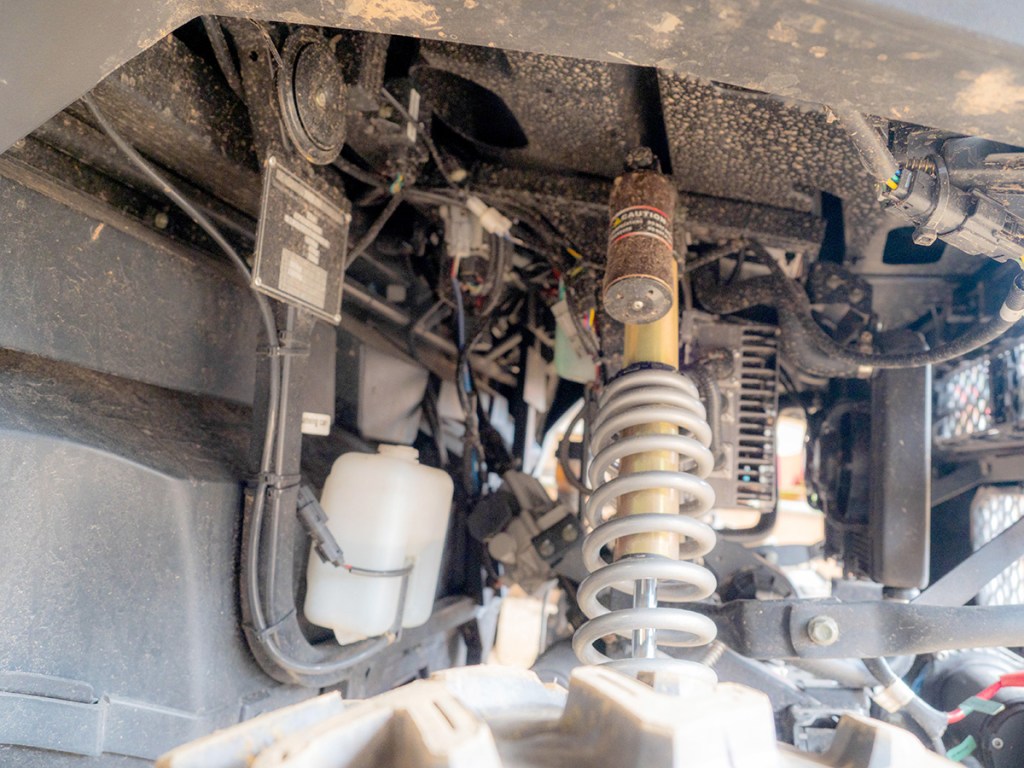
If HiSun fitted the cab with a squishy front bench seat, to allow the driver to sit further away from the door, seal up some of the gaps in the cab and add some under body shields to keep muck and pressure washer water away from the electrics, we think it would be more farm ready. Even so, the short time with this electric UTV made us realise just how slow and noisy the farm’s diesel UTV is in comparison.
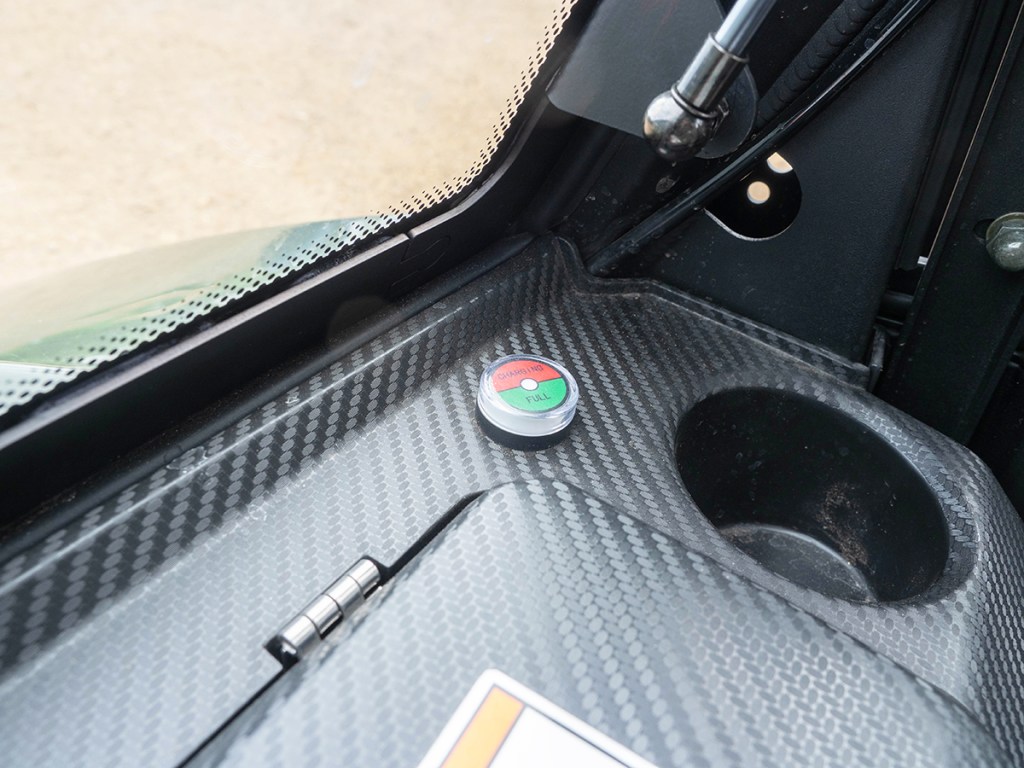
As to how long a Stryker EV will run on a charge that is something only an end user can determine. If your daily routine is periods of short use that will allow a quick periodic plug in charge you have little fear of ever running out of juice. Got a long track into the moors and you want to be sure of having the power to get back again on a cold wintery morning? Well perhaps this model’s 17.6kWh battery may prove wanting. As we said, everything hinges upon how the UTV is going to be used. We actually didn’t need to charge the Stryker during its two day stay with us.
As to the drive, electric power beats petrol or diesel power for instant shove, low noise and smooth running. As to running costs, an EV UTV will cost less in fuel too. The only caveat is we do not have the experience of electric power on farm when it comes to working out vehicle longevity.
James de Havilland
For more up-to-date farming news click here and subscribe now to profi and save.