
KEEPING IT BRIEF
- Joint venture farming businesses managed by Sentry benefit from individual treatment for varied soil types and conditions.
- A return to min-till has seen a rejig of machinery to improve soil health.
- Combine capacity has been increased to offer resilience against climate change.
Windmill Downs Farm and Newton Valence Farm are part of a Joint Venture farming business with Sentry Farming, where manager James Richardson is looking to utilise the latest technology and the support of the Sentry organisation to improve efficiency.
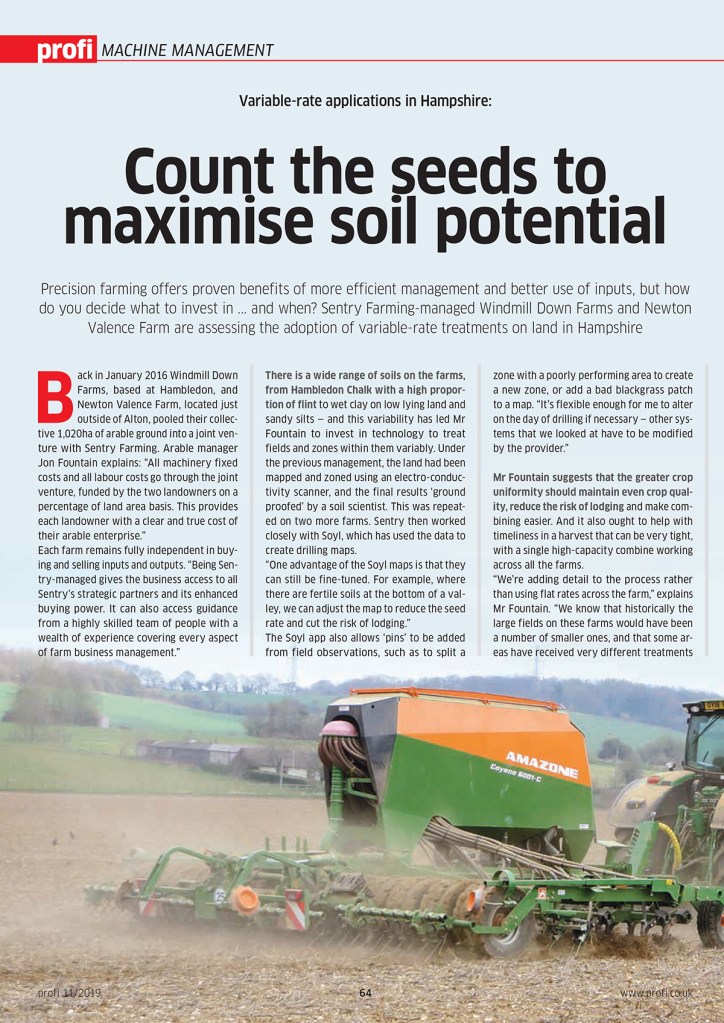
When profi last visited the business in 2019, investment in precision farming services and equipment was beginning to offer clues on how to manage the highly variable soils across farm sites at Hambledon, Alton and Petersfield. This process has developed, with new machinery added which can take advantage of the data and precise positioning now on offer.
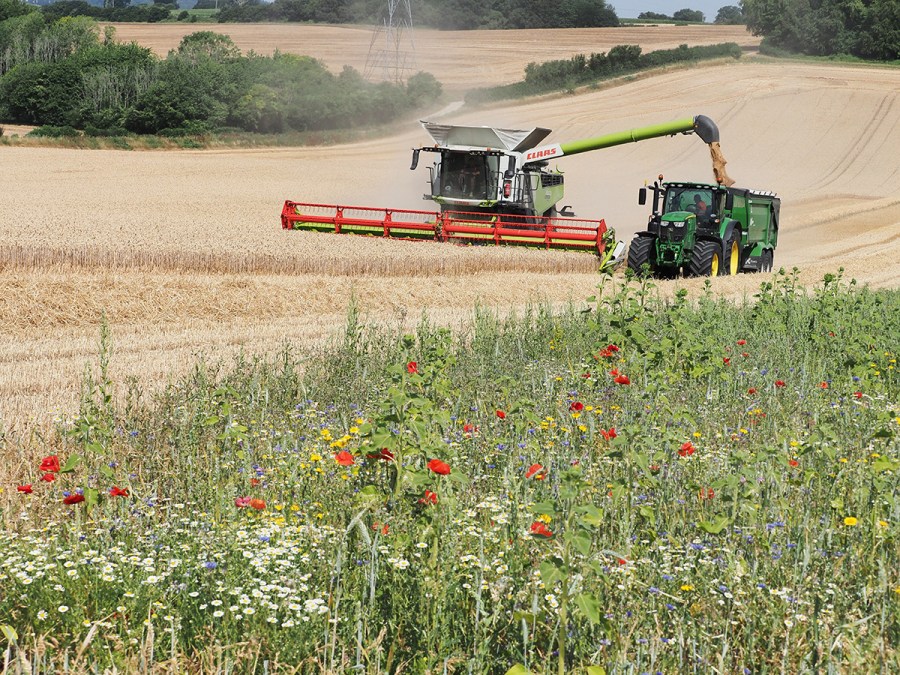
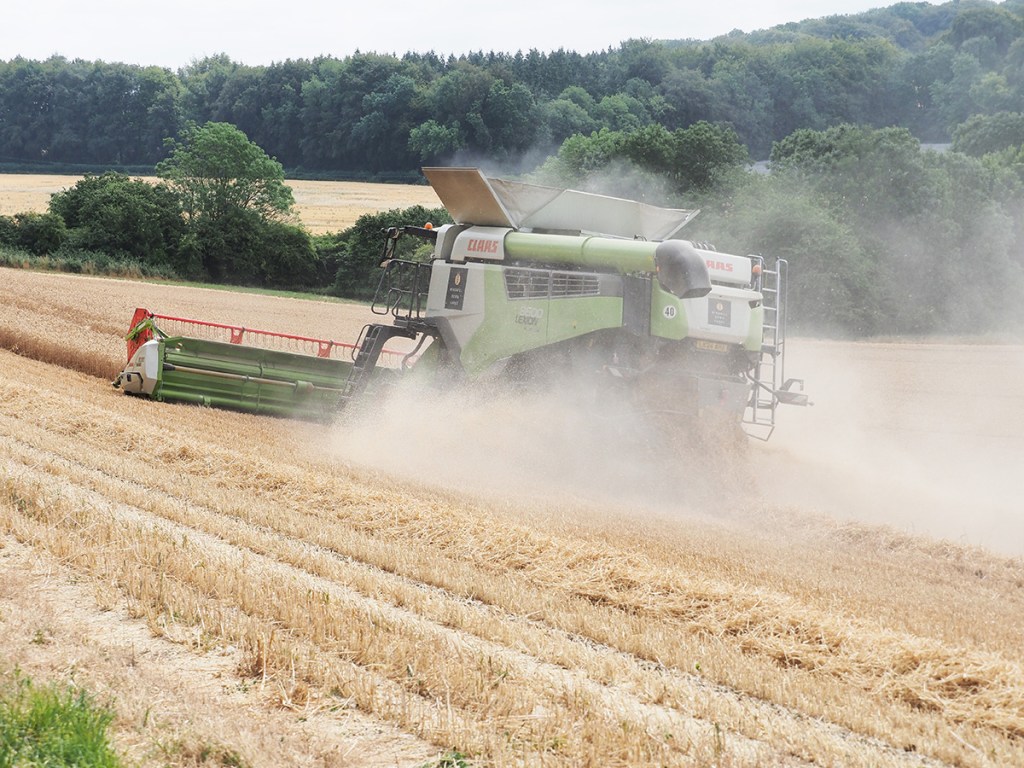
We caught up with the team in the middle of the early and condensed harvest, when the Claas Lexion 8700 was making light work of the winter wheat. It’s an upgrade in terms of capacity from its predecessor but the same brand despite demoing the competitors, operator Tristan Newens comments.
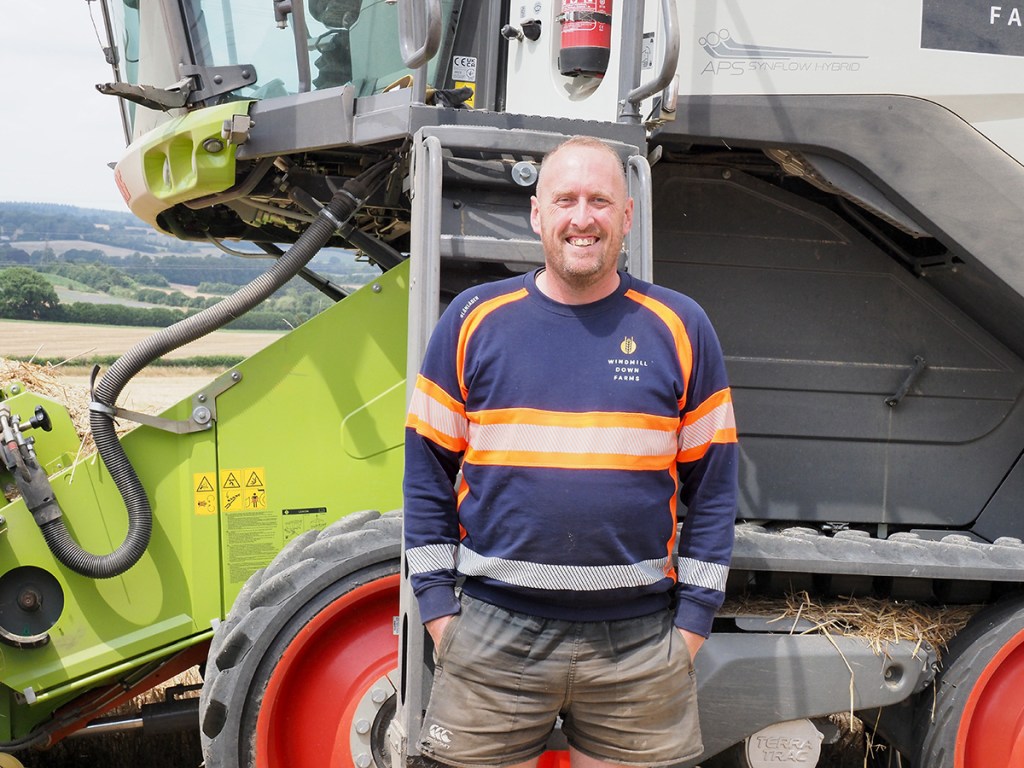
“We looked at another brand of a similar size but it couldn’t touch the Lexion, so why change when we’ve got a formula that works well?”
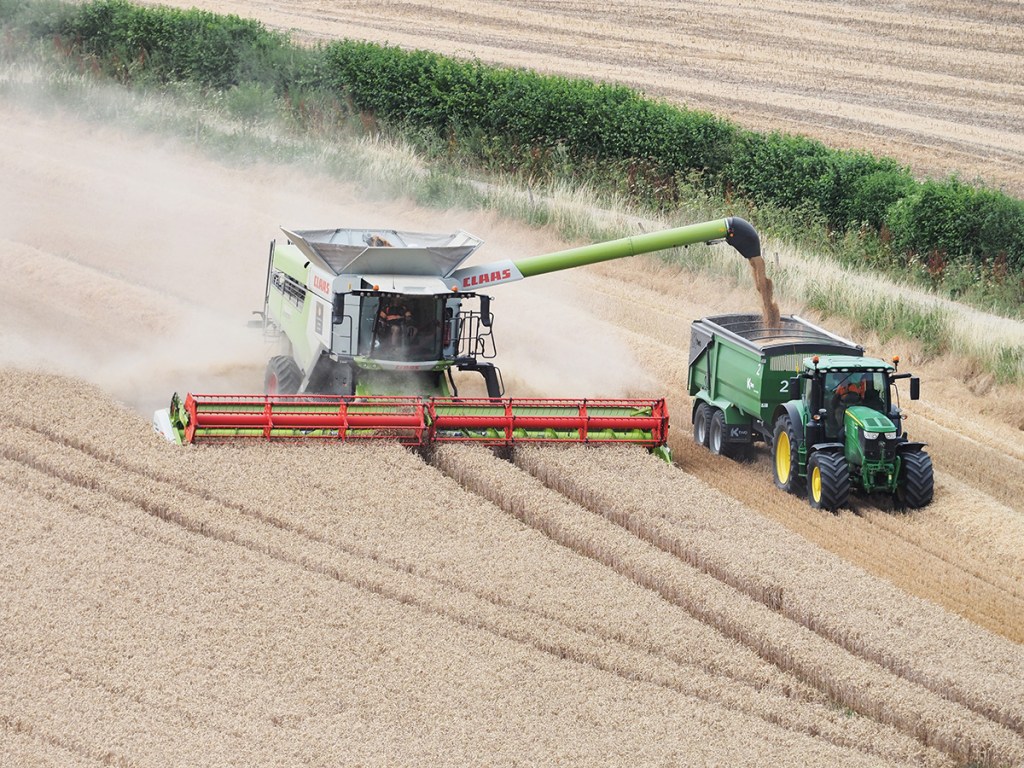
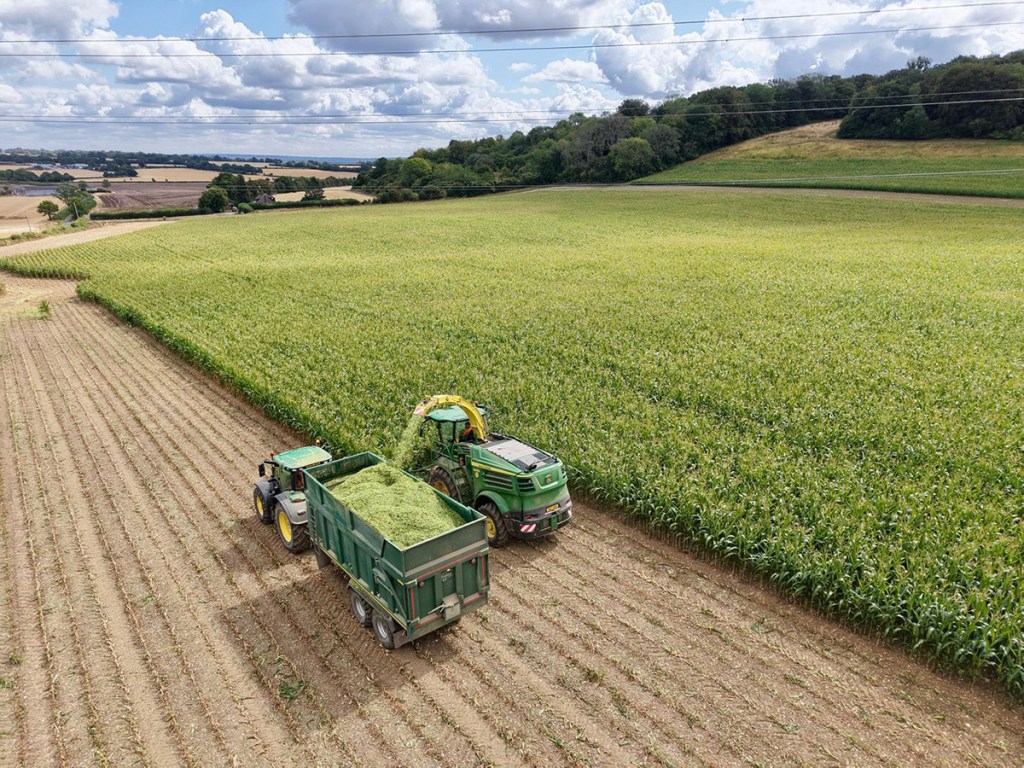
James suggests that the combine is probably over-capacity for the 750ha that goes through it now – 200ha previously farmed at Guildford has been contracted out, and 62ha is down to maize – but is mindful of climate unpredictability.
“We’ve had two easy harvests but what if it goes the other way? There have been years when plenty of capacity is essential due to the limited number of days on which you can travel in the field.”
In touch with tech
Telematics means that James and Tristan can work closely together during harvest – while James gets on with cultivations or cover crop drilling, he’s up to speed with where the combine is and can stop to load grain lorries as they arrive or to take a turn in the Lexion seat.
Grain storage capacity has been a particular headache as the crops rolled in much quicker than usual and demand for haulage outstripped supply; it will doubtless be a topic for post-harvest review.
Each farm has its own rotation and the soils’ variability brings natural progression through establishment and harvest, he explains.
“But there’s a lot of travelling and we can’t block crop so we may need to go to that farm two or three times.”
Drilling decisions
The land has been mapped and zoned, then ground proofed by Soyl so variable rate N as well as P and K can be used, along with variable rate drilling to encourage even crop growth and quality.
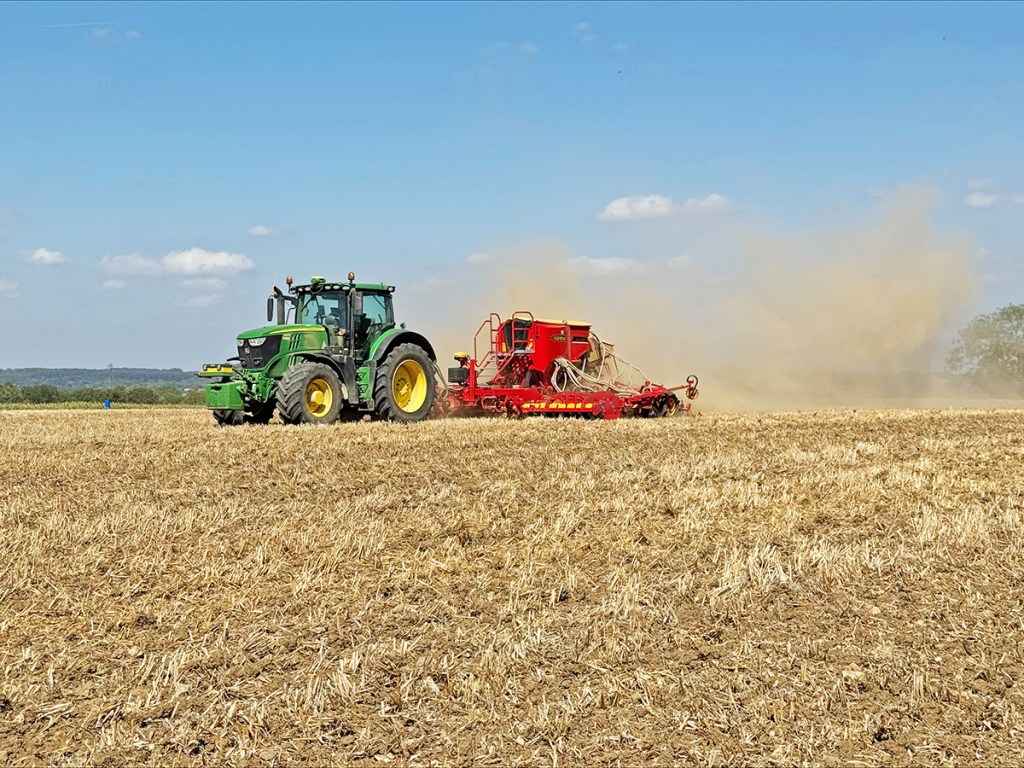
The latter has been a bit of a ‘journey’. A 4.0m Väderstad Rapid had been replaced by a 6.0m Amazone Cayena to offer more capacity and the flexibility to work in a range of conditions, before a focus on direct drilling brought a Dale Eco Drill and then a 6.0m John Deere 750A onto the farm.
“It worked well in places,” comments James. “But the structure of the JV and the different farm systems means that one size doesn’t fit all. We’ve returned to more of a rotational ploughing and min-till approach, so an ex-demo Väderstad Rapid has now been purchased. It has the Seed Eye system for accuracy and a Biodrill applicator for cover crops, so there’s additional versatility. And the System Disc in front means it can direct drill where soils and conditions allow.”
He adds that while the focus is still on improving soil health and quality, he doesn’t believe that the plough is incompatible with that.
“We incorporate manure where necessary, by emptying the sheds at a local turkey farm. Newton Valence Farm historically had a dairy so plenty of muck would have been spread on the adjoining fields, so soil indices are quite high there anyway.”
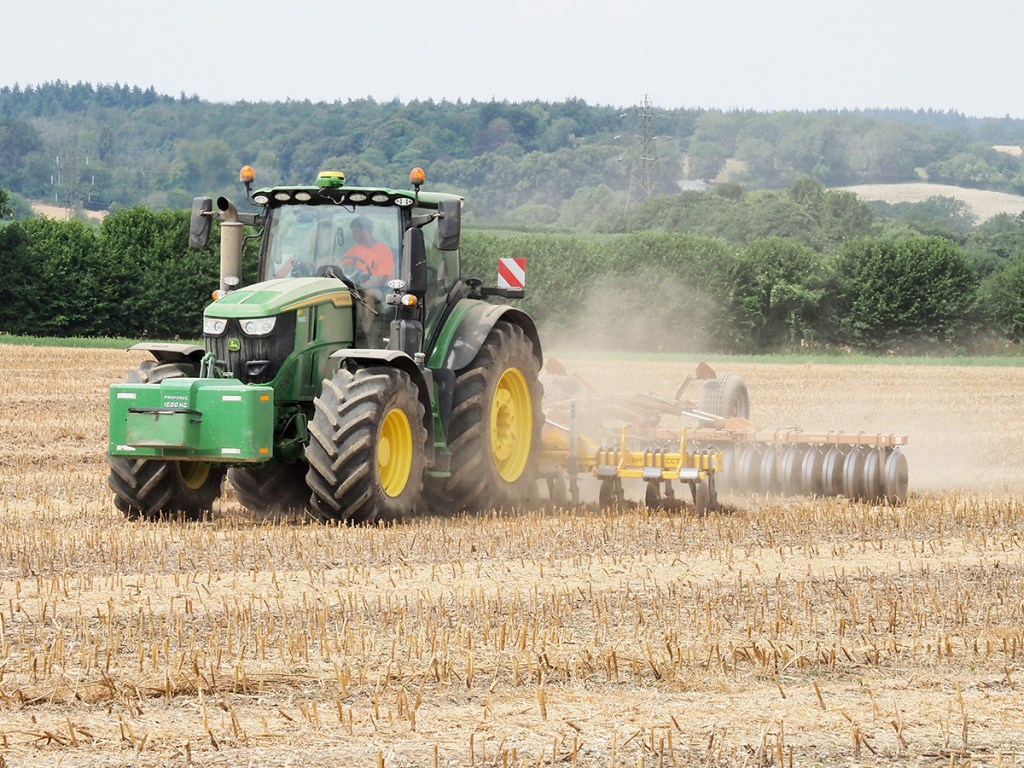
James points out that on some of the wet land, direct drilling had left the soils tight, and moving soil where needed has already reaped benefits. This comes courtesy of a 6.0m wide Grange LDL low disturbance subsoiler purchased last year, he explains.
“It is an implement that can subsoil or can go in at 10-15cm where we don’t need to do as much and make a seedbed for the Rapid in one pass. I found that it was leaving the surface a bit open, and while Grange does offer a packer to give a weatherproof finish, their salesman suggested that a Simba Farmpress was another option. We picked one up from a local dealer and the combination can go to any farm and do a good job.”
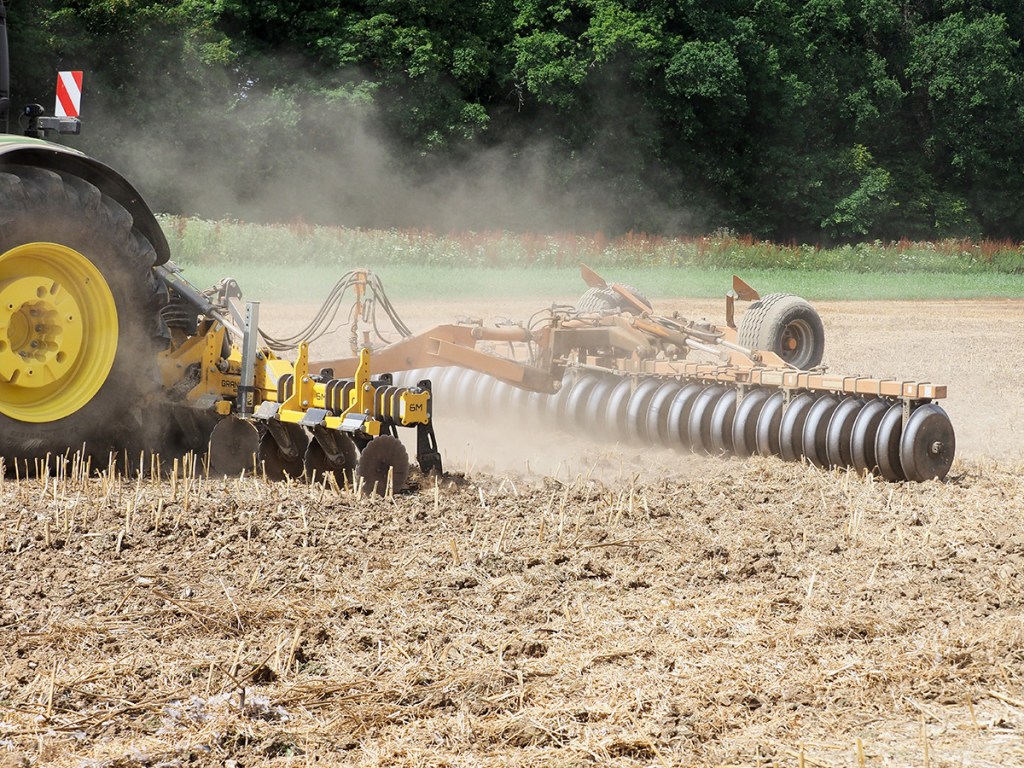
A Köckerling Quadro tine cultivator remains part of the armoury, with importer Samagri close at hand, and the simple robust build finding favour with Tristan for its serviceability.
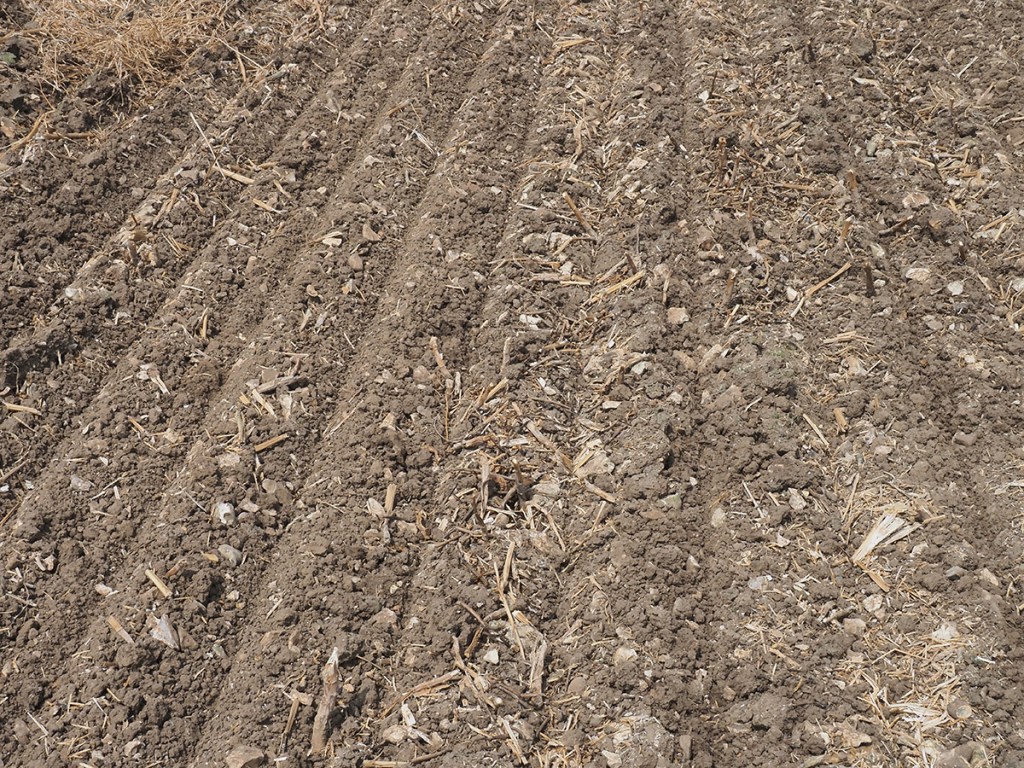
The Rapid and Biodrill outfit gives the option to apply Avadex or to companion crop the oilseed rape.
“We’re also looking at companion cropping linseed with wheat; it’s ok with pre-ems and should help with weed control as well as locking up nutrients which will be released when we spray it off in spring.”
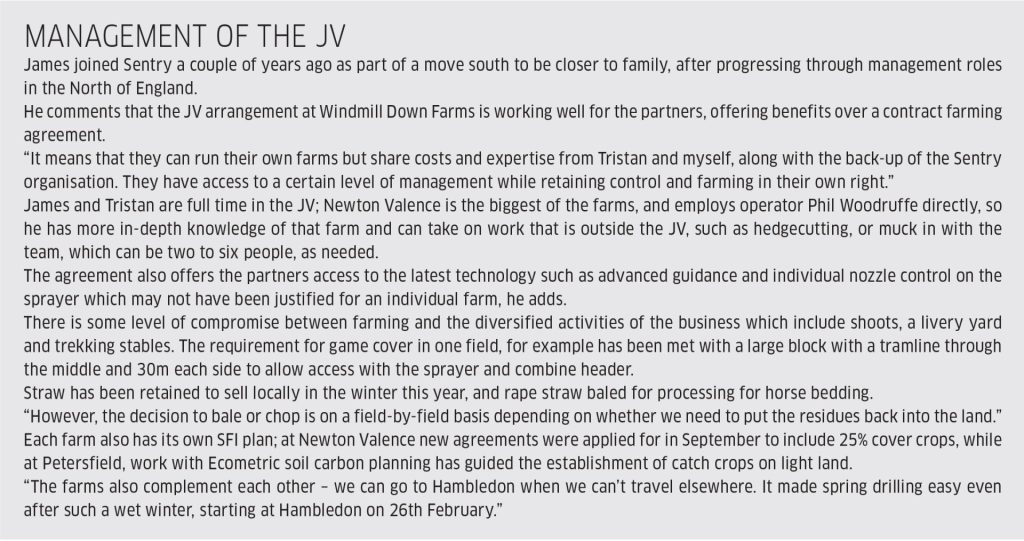
Still green
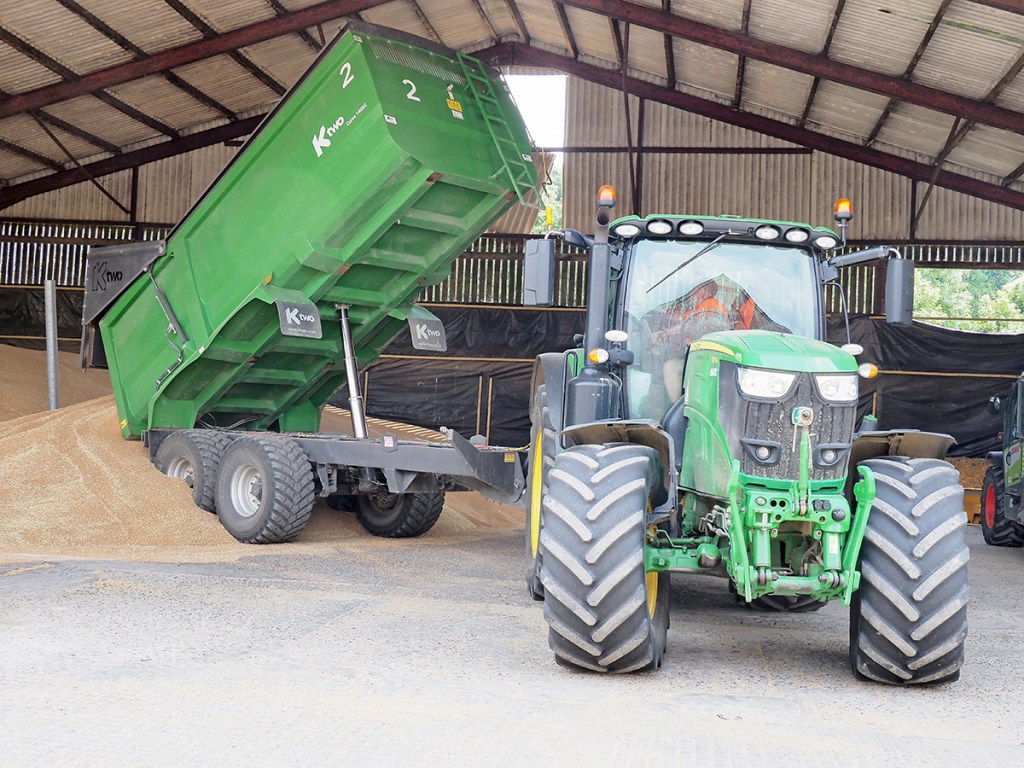
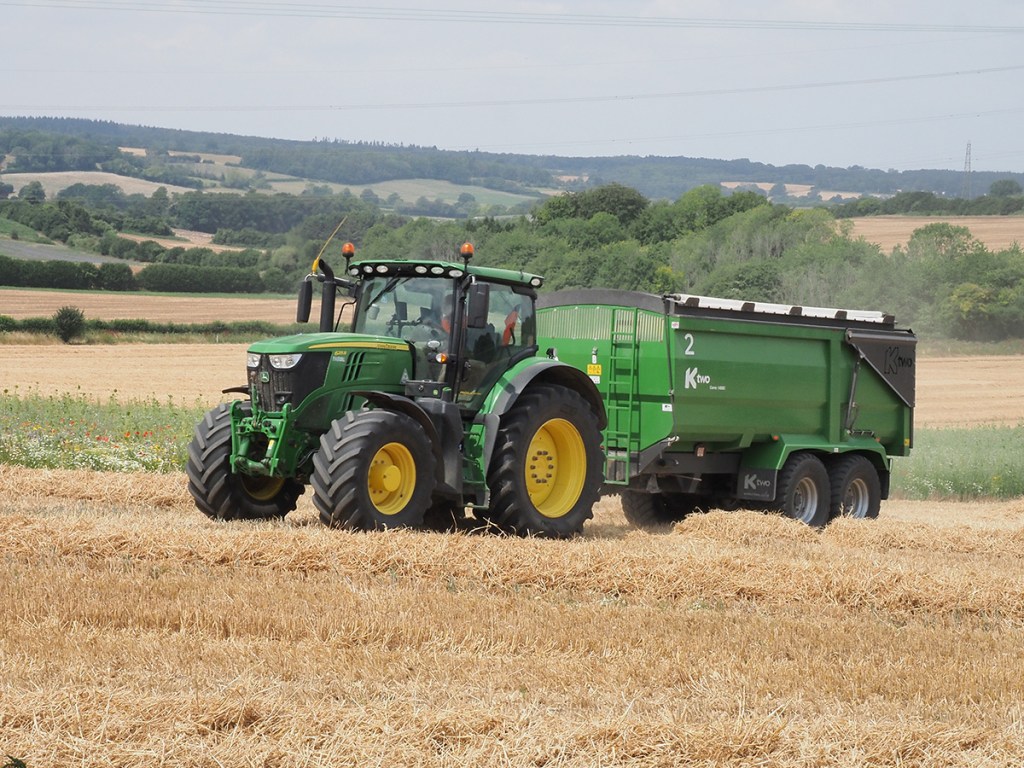
Tractor horsepower is also getting a bit of a revision. Sentry has a supplier agreement with John Deere, and there are currently two 6R215s and a 6R250 on the farm.
“The 2018 6R215 should probably have been replaced but it’s so reliable – apart from needing a transmission pump this year, we’ve not had to do anything to it,” James says. “Last autumn it did 500 hectares of subsoiling with the Grange LDL.”
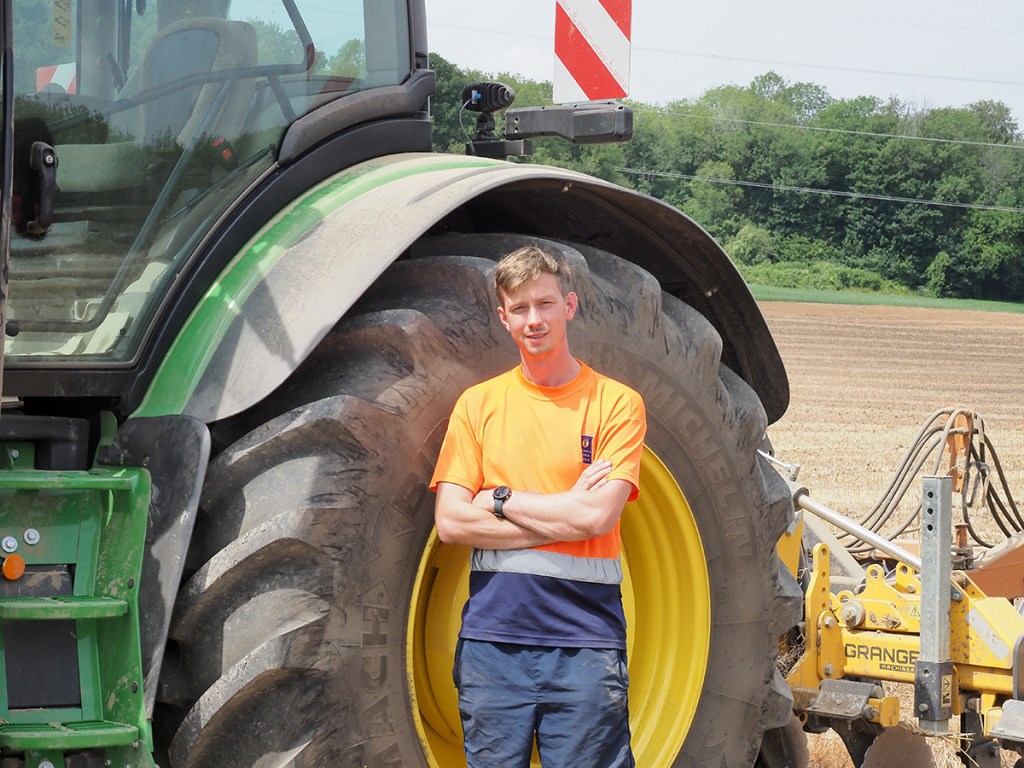
This year it will finally leave the farm, with a trade up to a second 6R250.
“Direct drilling had limited the amount of horsepower needed, but we have a six furrow Kverneland plough coming so the pair of 250hp tractors will be the prime movers, with the remaining 6R215 as our ‘tractor and a half’. It’s capable of pulling the subsoiler as well as grain carting etc.”
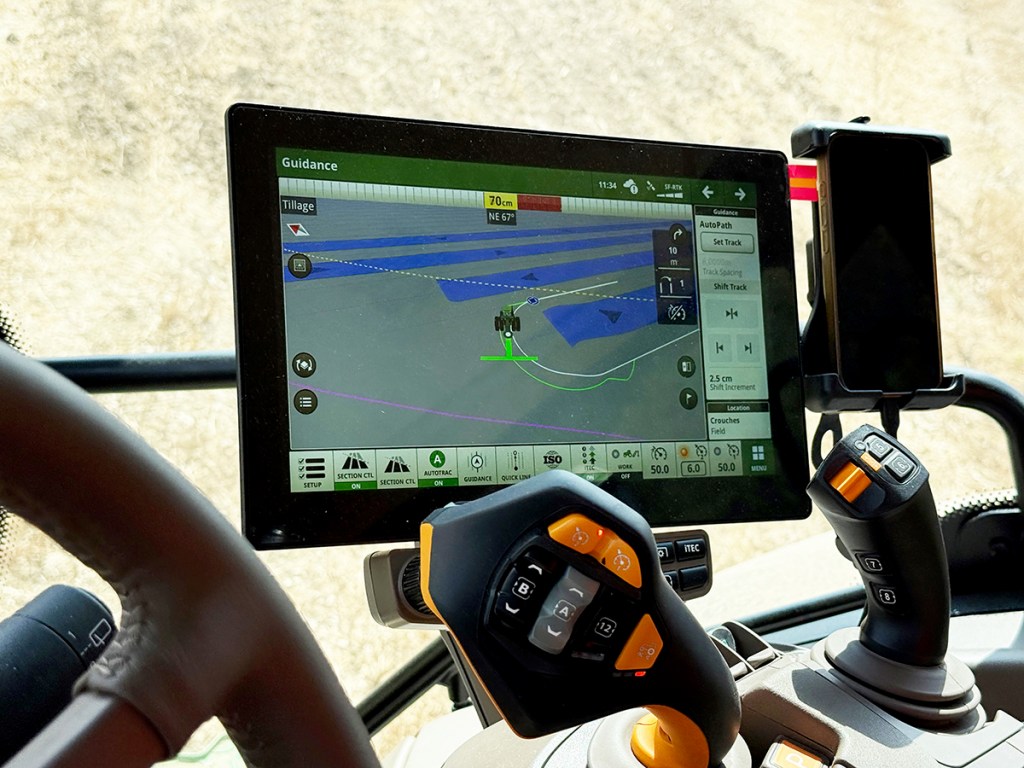
The 6R250 was specified with John Deere’s Advanced Automation package, which offers auto headland turn and active implement guidance via a software licence.
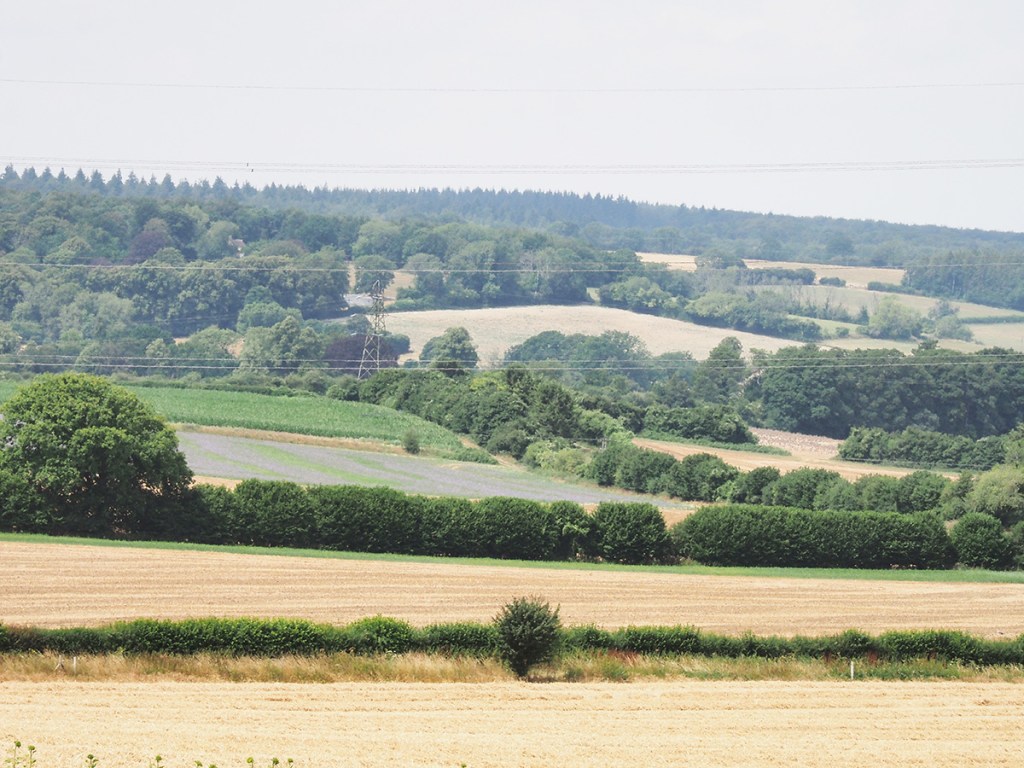
This is significant for both the drill and the farm’s Deere R952i trailed sprayer, both of which have their own receiver domes for more accurate guidance and to avoid the tendency to steer uphill on the steep side slopes.
“We’ve got a close relationship with the Farol product specialists as well as the team at Langar and that’s been important with aspects such as getting the active steering spot on,” James says. “Maintenance wise we do a lot in house and have access to a self-employed fitter who is ex-Farol.”
A demo of a Fendt 728 earlier this year offered food for thought.
“It was very good indeed, but the price is an issue even though the resale value is high,” reflects James. “I actually prefer the John Deere tech, which could be retrofitted to the Fendt but again that’s costly. In the end we decided that the investment in the Rapid drill was more important and appropriate for where we are now.”
One argument against returning to additional cultivation passes and to inversion tillage is fuel and labour costs.
“It’s hard to compare costs at the moment as we had to do a lot of subsoiling in 2025 for example. At the same time it’s been a more efficient harvest this year as we’ve been able to put in long cutting days and it was easier going. I expect our costs to go up but it’s not uneconomical, and for the long-term future of the JV costs are not the only factor.”
Jane Carley
For more up-to-date farming news click here and subscribe now to profi and save.