
Could Earth Rover’s CLAWS weeding robot be one of the success stories of British-developed autonomous farming tech? Warwickshire tree supplier J & A Growers has first hand experience to answer that question.
Development of a new farm machinery solution is a process which requires considerable long-term co-operation between manufacturers and the intended market. Where new technologies such as non-chemical weed control and autonomous operation are involved, securing funding and involving other partners who have their own expertise to bring to the table is also key.
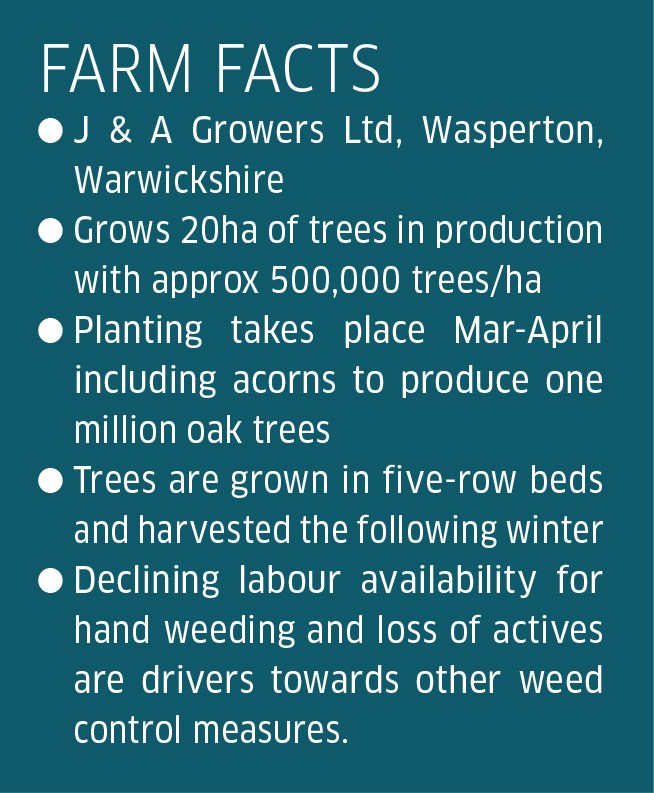
British farm-based company Earth Rover has been working away at this process for its CLAWS weeding robot with Warwickshire tree supplier J & A Growers since 2024. The initial partnership was on a project funded by the Forestry Commission under the Tree Production Innovation Fund (TPIF) to develop the technology for use in tree seedling nurseries.
In 2025, J & A Growers became the first Beta pioneer customer for a CLAWS unit.
J & A Growers managing director Jamie Dewhurst retraces the history of his business’s interest in robotic weeding. “Commercial tree production is a small industry with few players of any scale so it’s hard to represent our interests against European legislation.
We have seen the end of many long-term agreements to use pesticides and have relied on EAMUs; we’re due to lose 15 more active ingredients. A major blow was losing the soil fumigant Basamid, without any alternatives being available.”
Weed control in tree production is heavily reliant on hand weeding plus inter-row spraying – one drawback of the latter is that it can’t target weeds growing in the rows. Jamie adds that he was also aware of the impacts of herbicides on crop growth and with an interest in tech, felt that a modern non-chemical system could work for the business.
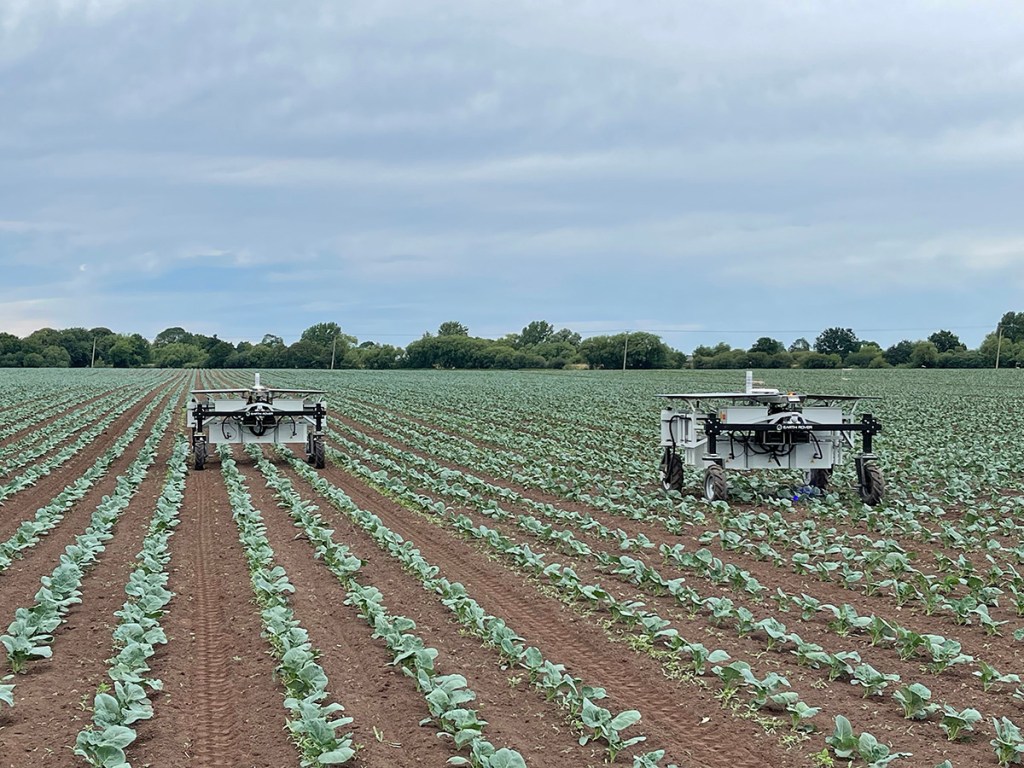
“Earth Rover was very much at the pre-commercial stage with CLAWS, and its trials had focused on treating small weeds in a big crop such as broccoli or lettuce,” he explains. “So we wanted to see what it could do in a tree nursery, and were able to apply for 100% funding for a two-year collaborative project via the Tree Production Innovation Fund.”
From the start
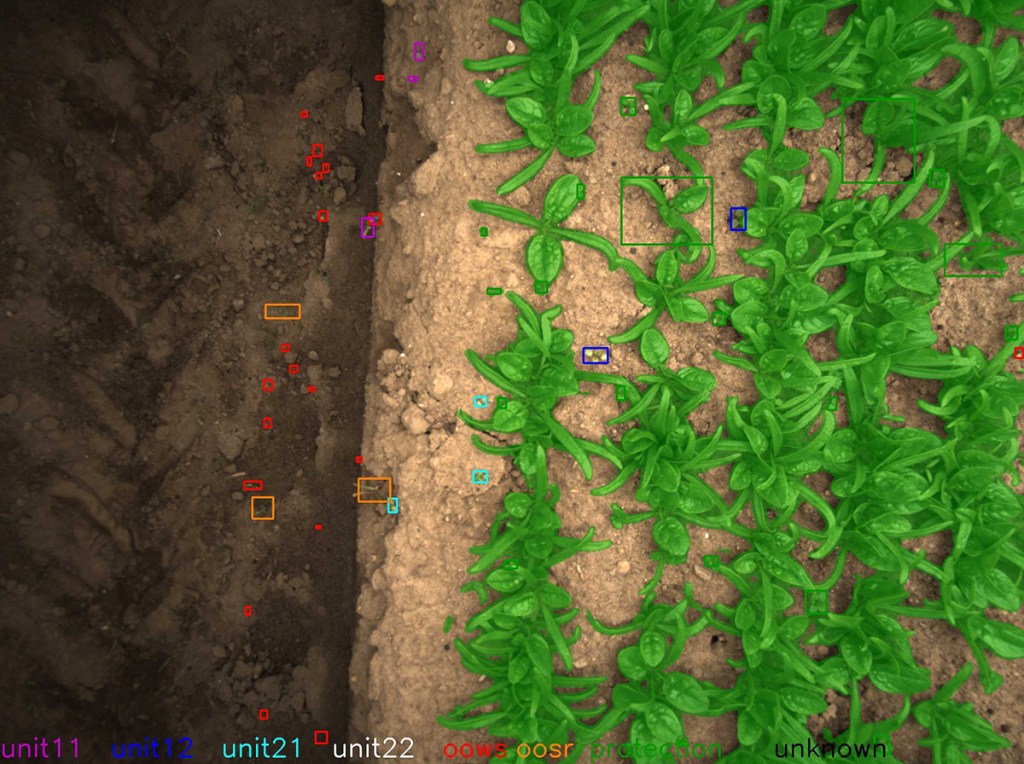
Early stages involved assessing whether CLAWS could successfully identify the emerging crop and not target it as a weed. This enabled the developers to create a ‘protective band’ around the crop and initially offered inter-row weeding.
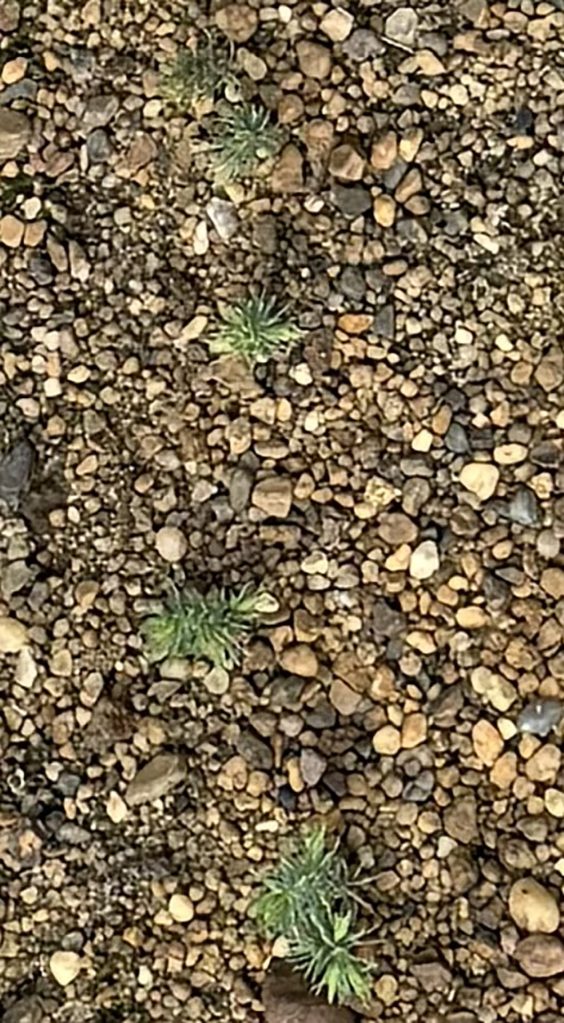
There were other challenges, points out Earth Rover CEO, James Miller, right down to the different growing medium – some trees are established in gravel topped beds.
The first stage was to establish row protection for the different species, which are all grown in 1.5m beds. The initial project plan was to work on three species, however, the progress made in the first season enabled the team to establish row detection algorithms for five species and successfully weed inter-row.
Next came crop segmentation to allow in-row as well as inter-row weeding which extended the capabilities to seven different algorithms for 12 crops.
“They can vary widely from Sitka spruce, which is compact, to the leafy alder,” comments Jamie. “One other issue for identification is that weeds are dicotyledons, but so are tree crops, so the emerging crop looks very much like a weed. We had two years of ironing out problems, or ‘interventions’ as they are correctly known,” he says. “But the BETA II version of CLAWS that we are using now has the algorithms for inter-row and in-row weeding all the different tree crops on the farm and by 2025 we had the capability to run extended hours of operation. Our goal is to cover a 24-hour shift without intervention.”
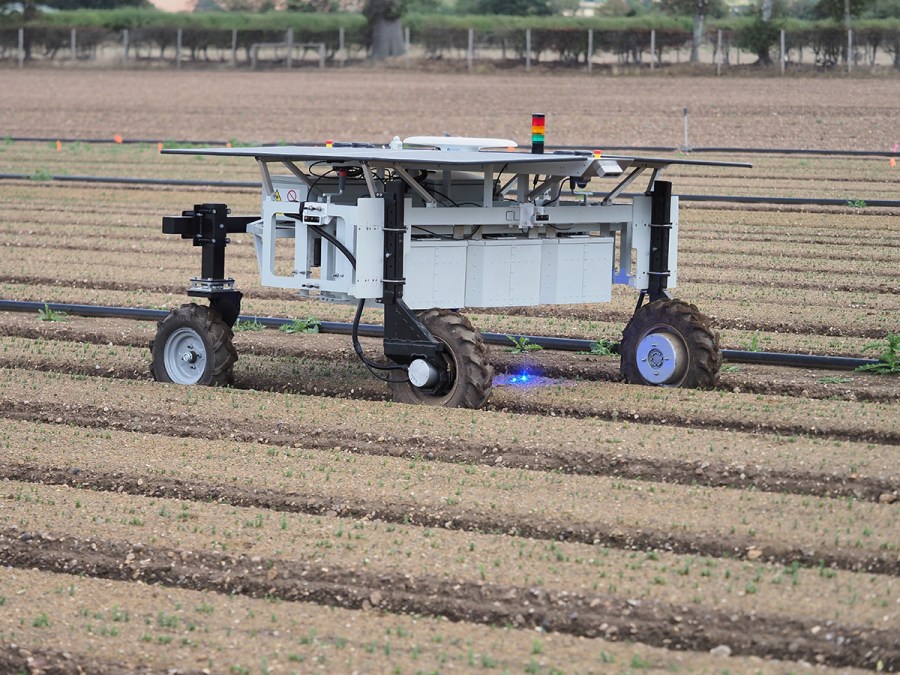
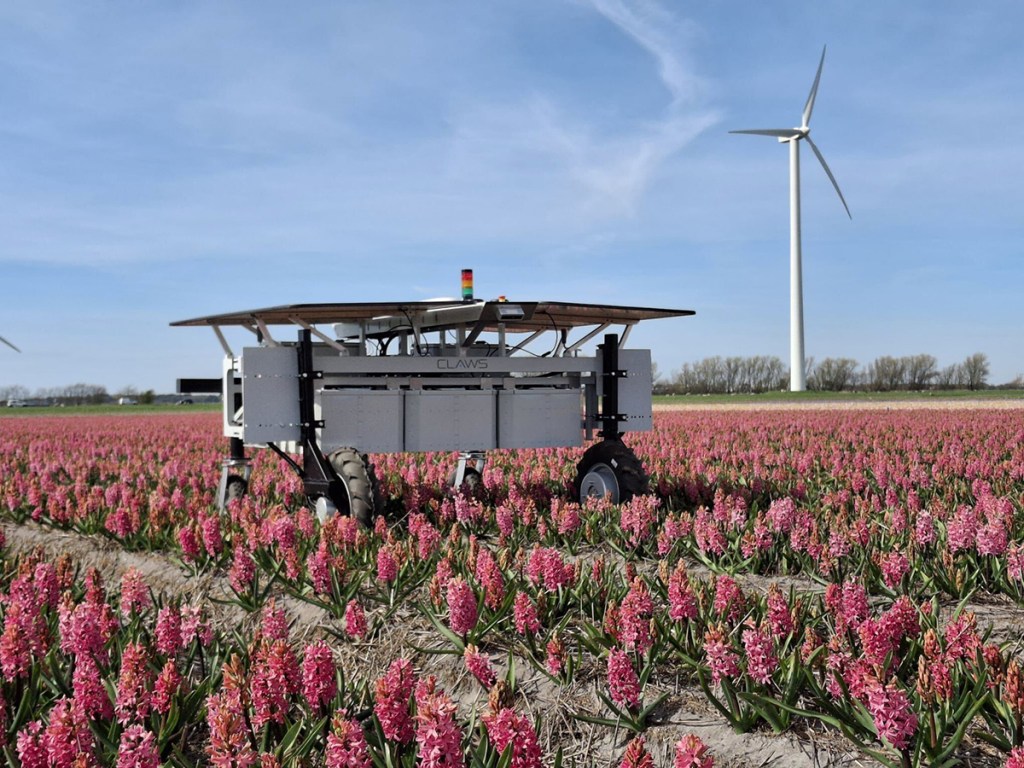
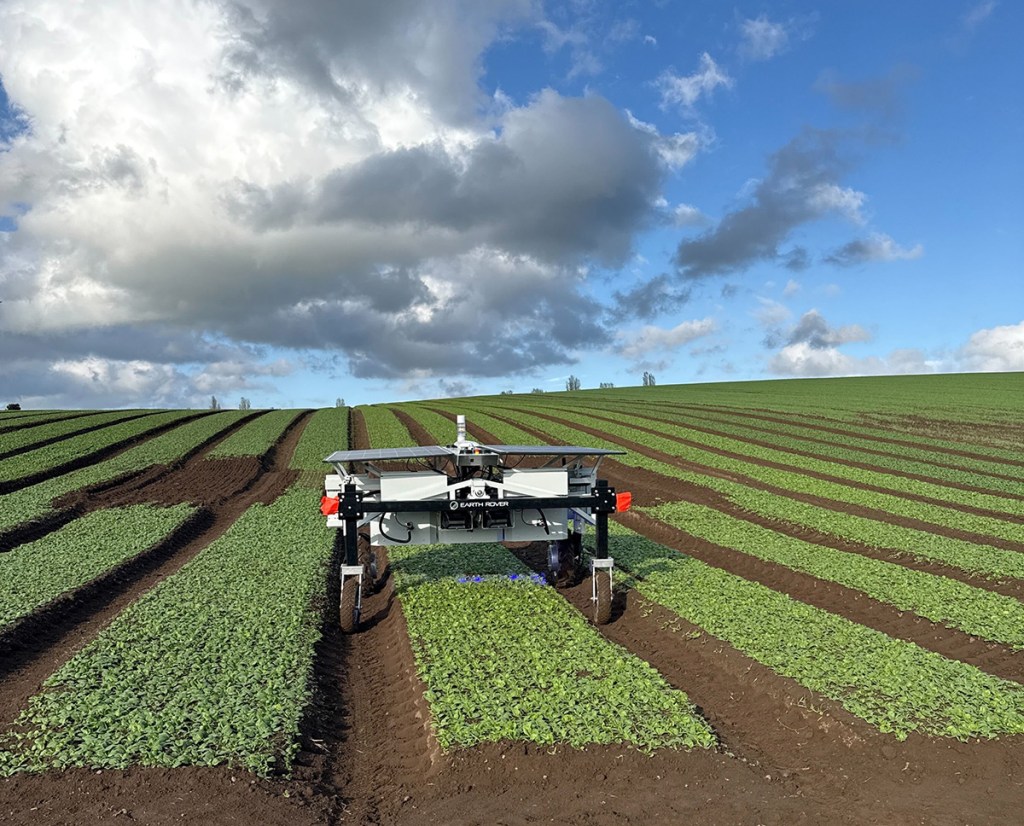
This is a crucial element for autonomous machines, and hinges not only on autonomy but also on power systems. CLAWS is battery powered, topped up by its solar panels.
“The concept is that if you can go into darkness with full batteries, it can work in low weed density such as we have on this farm for eight hours. We have found that with a 10pm start in our main growing season, at 5am when the sun comes up there is still sufficient battery charge remaining.
“We were sceptical of the effectiveness of solar re-generation in the UK climate when we began this process but of course over the past two years it has not been a problem! We have seen charge levels rise from 60% to 95% in an afternoon.”
In work
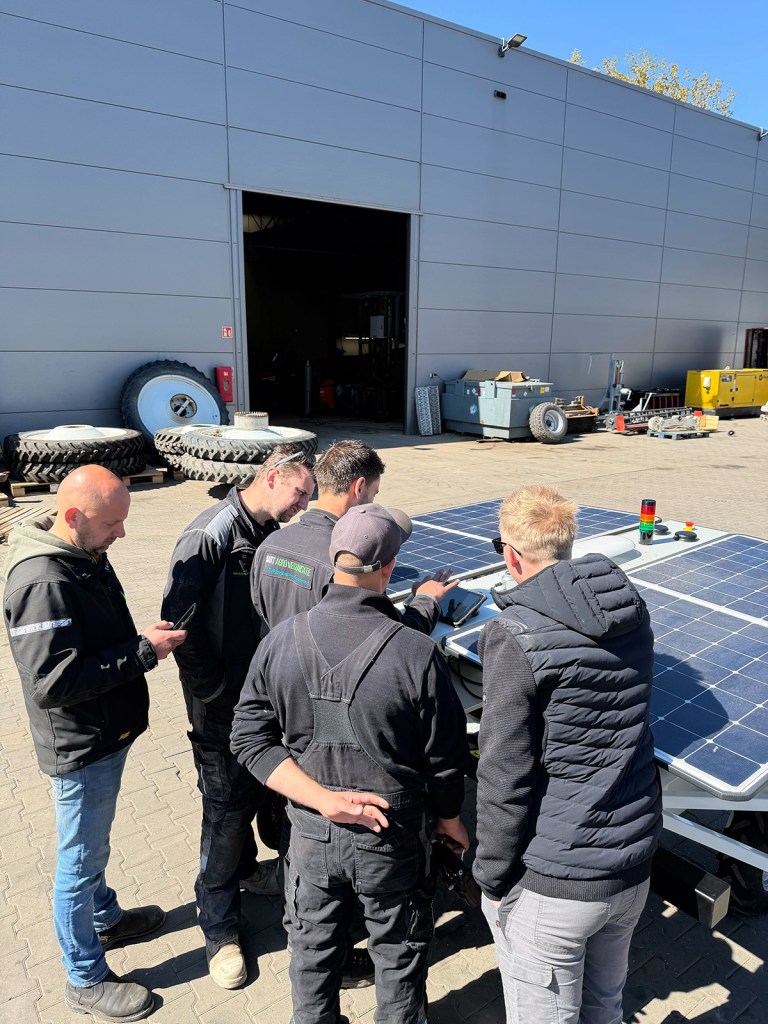
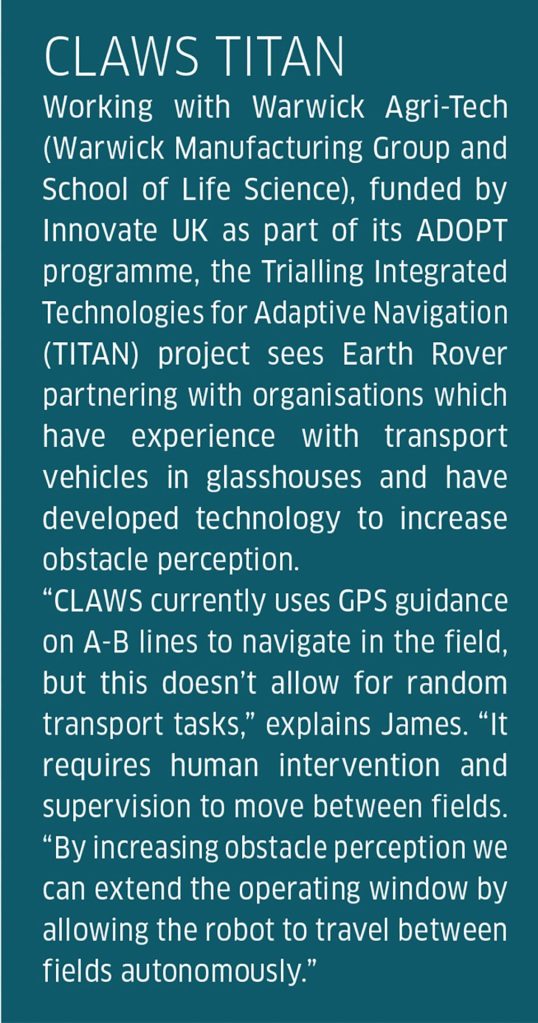
In the field, CLAWS works to a GPS guided path plan on multiple A-B lines, linked to a base station, although Earth Rover is also working with satellite supplier Xona on a positioning solution for use globally without the need for a base station.
The next step to full autonomy is navigation to and between fields – CLAWS is currently transported on a lightweight trailer.
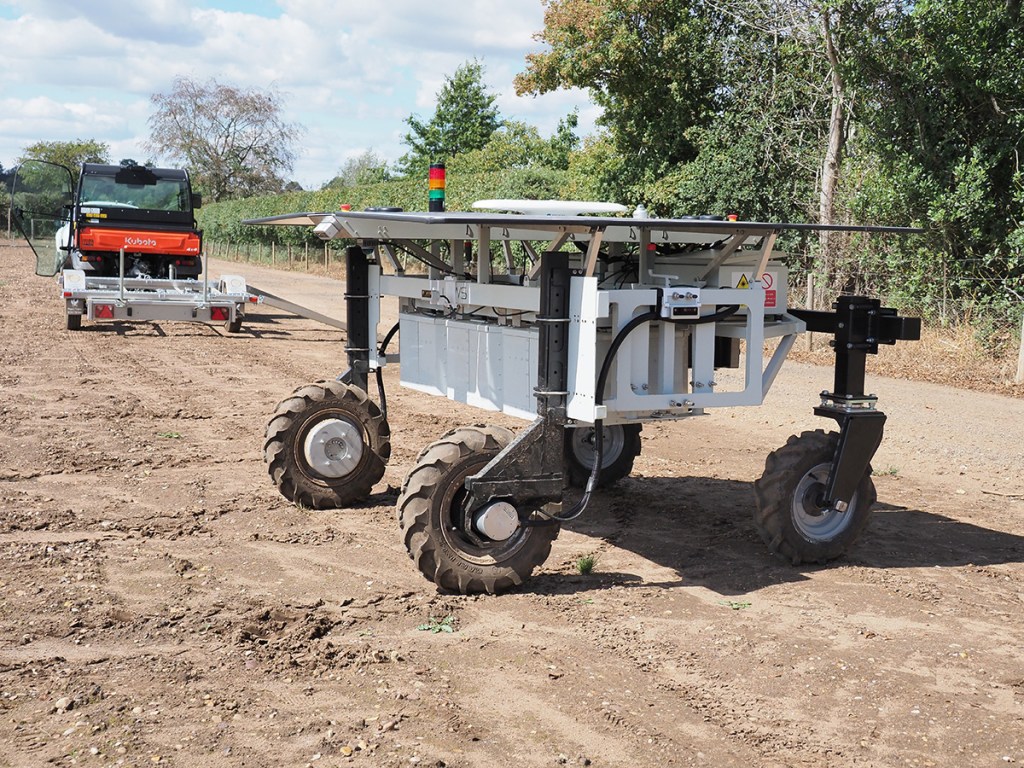
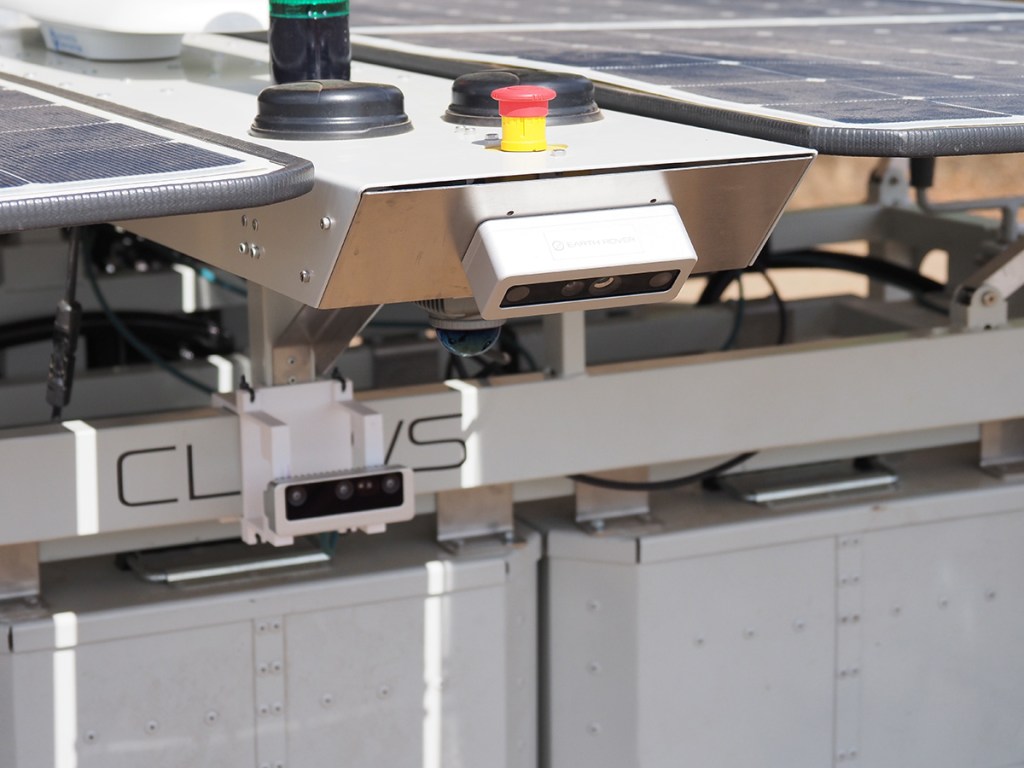
“Via an ADOPT project (see page 74) we have funding with our partner Warwick Manufacturing Group to develop autonomous navigation,” explains James Miller. “We have already successfully navigated CLAWS from the shed to the field, but obstacle avoidance systems are in development so that it can move between fields autonomously. At the moment if it detects an obstacle, it will simply stop; we want it to be able to navigate round a parked tractor or trailer.”
Making best use of the CLAWS technology involves hitting the weeds early in the growth cycle and then continually operating the weeder to keep on top of them – once they become too large to target, they are a problem, Jamie stresses.
This is the subject of a second collaboration, with crop science specialist NIAB.
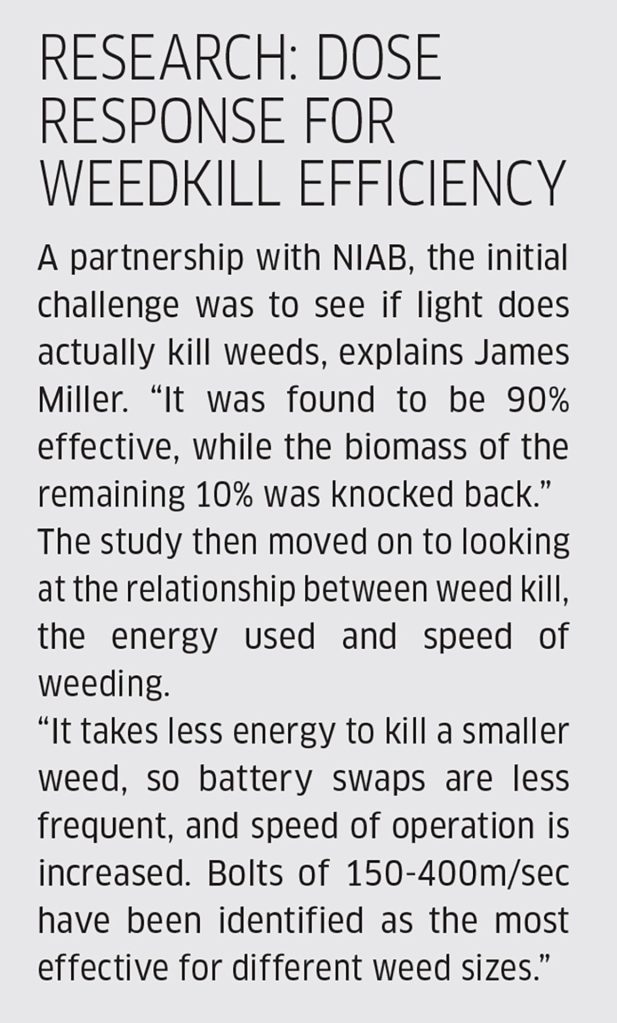
“NIAB’s Dose Response work looks at the relationship between the size of the weed and the amount of light needed to kill it,” explains James Miller.
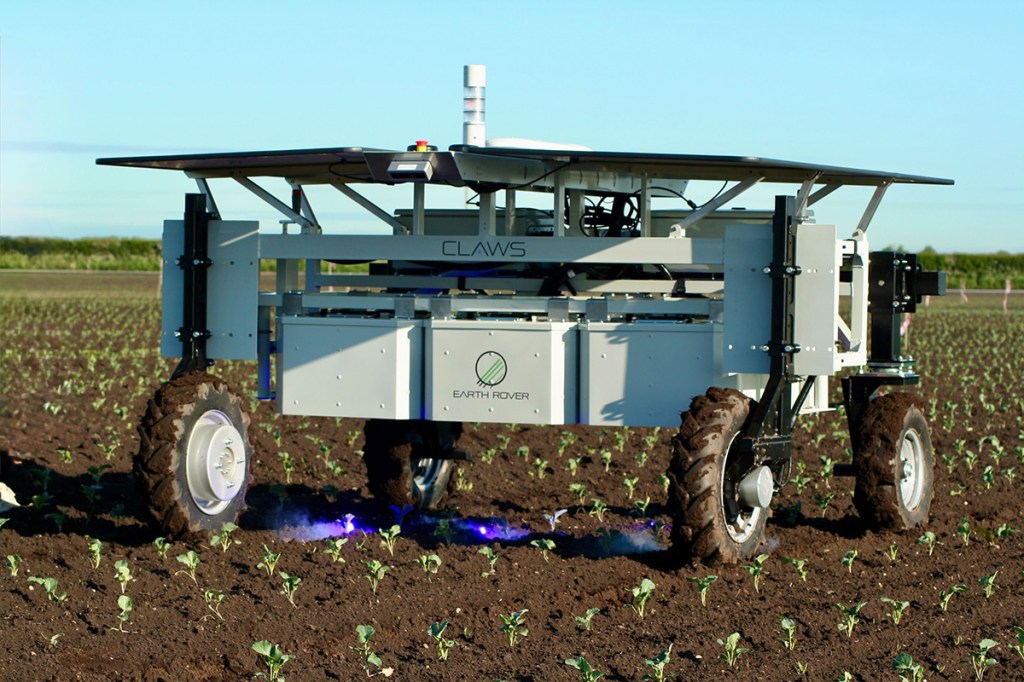
In theory CLAWS can work for 12 months of the year since its ground pressure is equivalent to that of a human footprint. It is largely unaffected by weather conditions experienced in the growing season – after heavy rain or irrigation operation is paused briefly while the ground dries out.
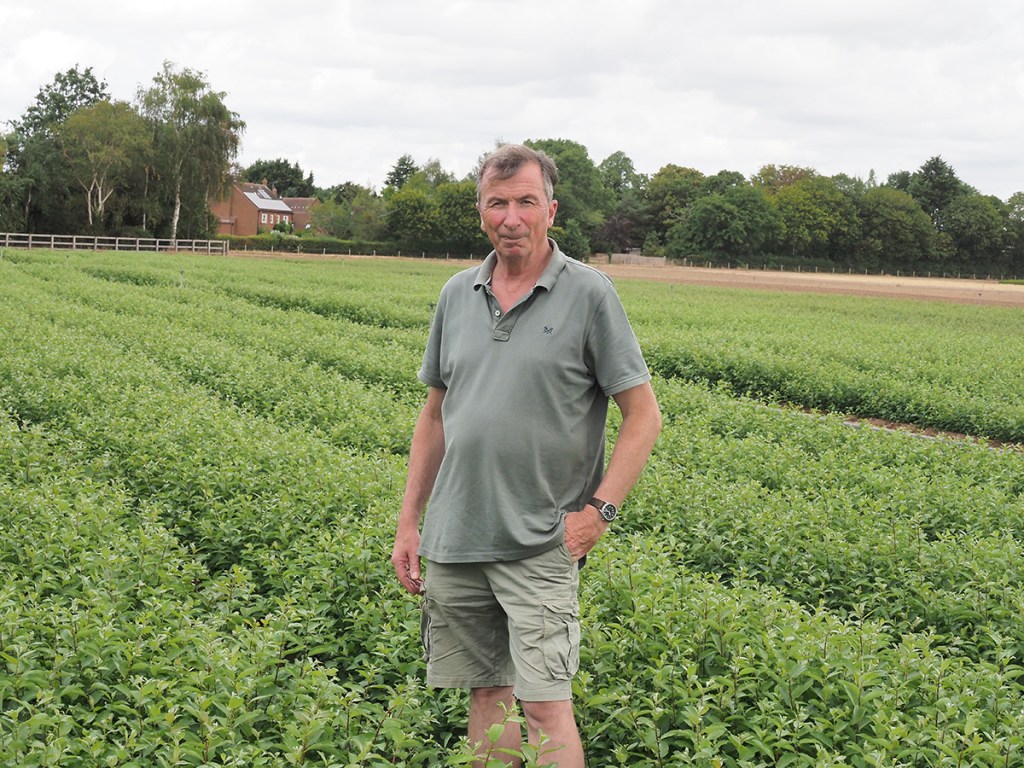
Jamie explains that weeding at J & A Growers usually begins in May up till the full crop canopy is in place, which can vary by species.
Not just weed control
In addition to its weeding capabilities, Earth Rover suggests that data gathered by CLAWS could have applications for growers that go beyond its weed reporting and analysis capabilities.
“We might use the scouting technology for stocktaking, or for early disease detection, such as powdery mildew,” comments Jamie. “But our initial interest has been in developing CLAWS for effective weeding to allow Earth Rover to scale up production.”
James explains that the goal is to continue to reduce the amount of interventions per hectare so that in the end the operator is only needed in the field for stop/start and battery changes.
“You can then aim for true 24 hour working with four batteries on board, giving output of 1ha in eight hours, depending on weed density.”
Development of a monitoring app has been an important part of this process, with the web-based platform displaying all machine data (charging status, alerts etc) plus a recording function for information such weed size and density, percentage targeted, misses due to crop cover etc which can be downloaded and used for management.
Any changes?
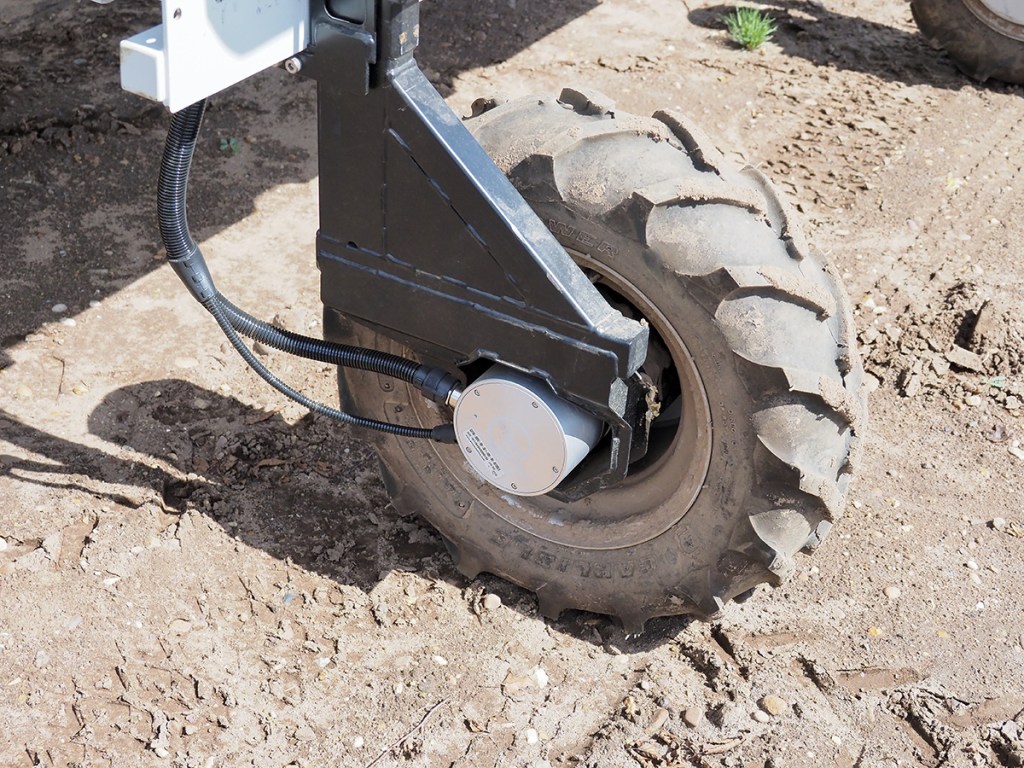
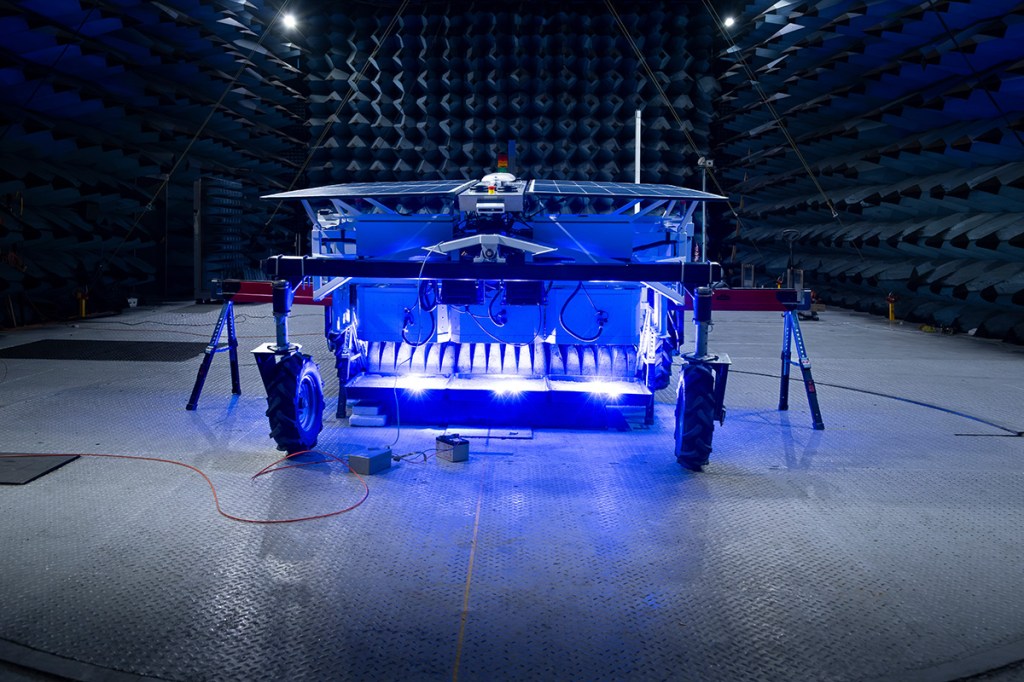
Significant upgrades have been made to CLAWS including a redesigned chassis with upgraded IP-rated wheel motors capable of handling more varied terrain as well as allowing height adjustment for flat fields, beds or deep wheel ruts. It uses a skid steer motion to turn on headlands, offering a turning circle as low as 3.0m.
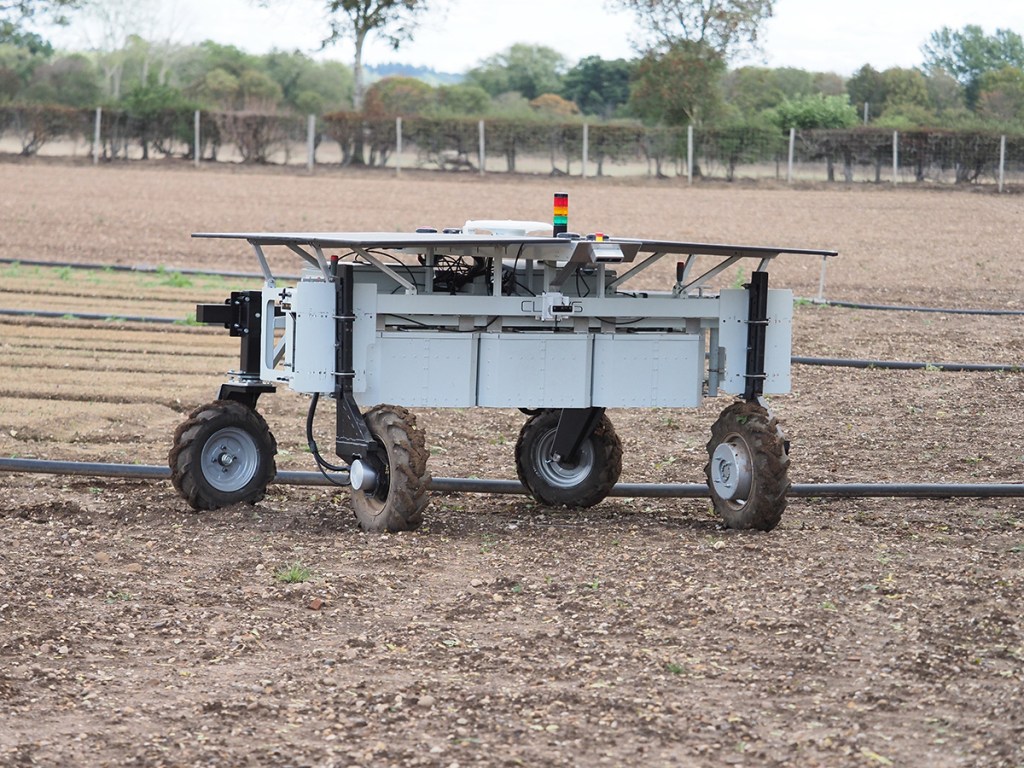
New partner agreements include an agricultural standard wiring harness from Parkinson Harness Tech and MEP batteries topped up by redesigned solar panels. The weeder modules have also been updated, reducing their weight from 40kg to 30kg with more efficient diodes.
Jamie concludes that he remains excited about a weed control product that is made in the UK and is going to be available at a price point that is commercially viable.
“Laser weeding has made great progress, but current solutions require considerable investment and still need a tractor at further cost. The price/ha treated is more realistic for CLAWS and it’s scalable – bigger growers could have several machines for a similar cost to one laser weeder.
I also believe that the attraction of using the latest tech is vital if we are going to attract young people into the industry.”
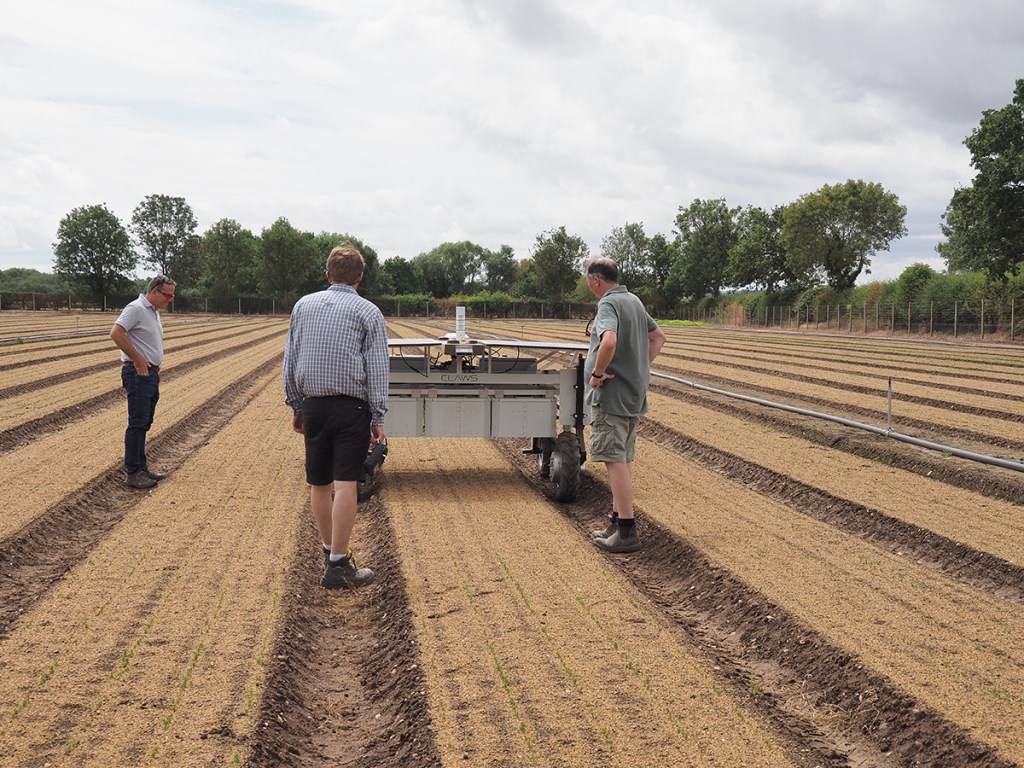
From 2027, J&A Growers will be using CLAWS on a commercial basis, with its operation the responsibility of a newly recruited member of staff, following a handover from Earth Rover field technician Harry Ellis.
Manufacturer support will still be key, James points out. “We have remote access to CLAWS both in the UK and from our technical team in Spain, which also operates a help desk. But we expect customers to grow in confidence when operating the system and need less day-to-day support going forwards.
“We have eight BETA and 10 pre-production pilot machines out in the field, and the amount of support needed naturally varies depending on the nature of the business and people.”
Earth Rover is also looking to develop a dealer network to provide parts back-up. Next development on the list for the company is to extend the range of applications to broad acre crops such as sugar beet.
Jane Carley
For more up-to-date farming news click here and subscribe now to profi and save.