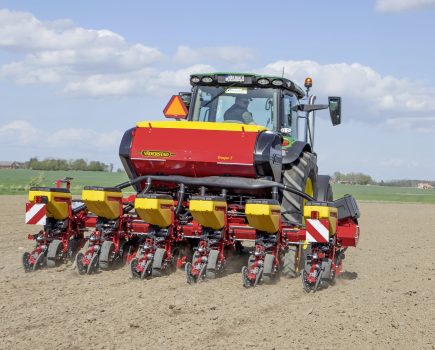

With the price of it, you want to make sure that every bit of fertiliser is used to its full potential. Our readers provide some spreader mod tips.
A spreader’s performance in spring is key for your harvest performance in summer and autumn. So, getting your spreader hitched on and set up correctly is vital, especially with the high cost of the fertiliser product. Here we have some experiences from profi readers who have come up with various ways to make their spreading machines better.
Sebastian Rüther
For more up-to-date farming news click here and subscribe now to profi and save.
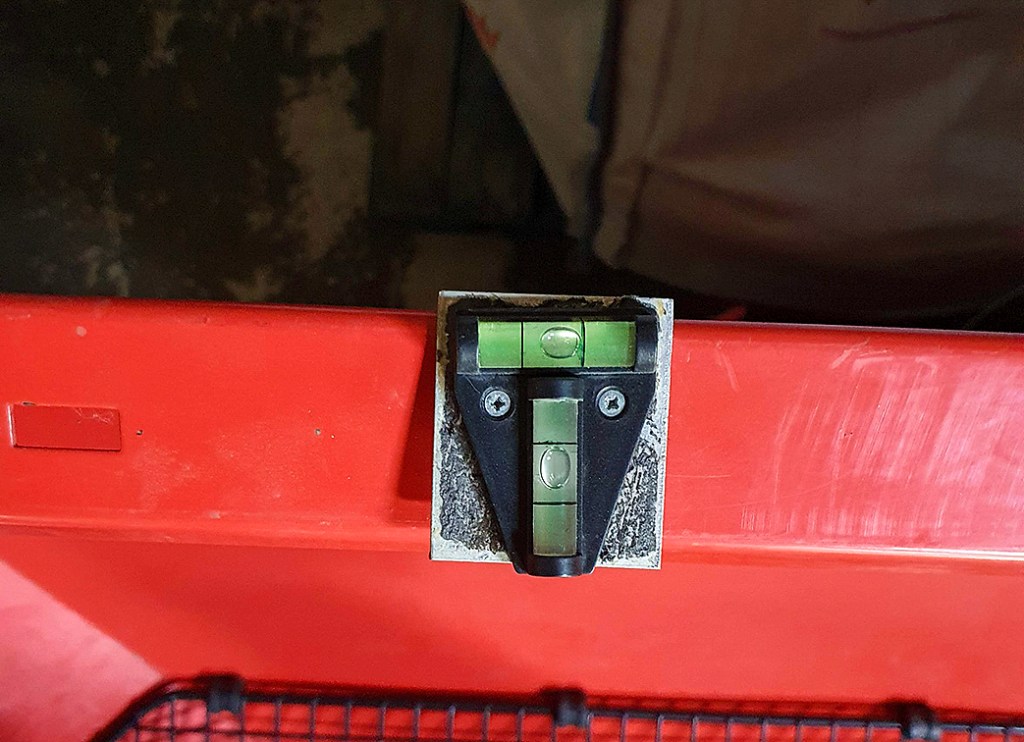
ON THE LEVEL
This reader fitted two spirit levels to the hopper of his fertiliser spreader to more easily check that the top link and lift arms were correctly set. The spirit levels cost less than £6.
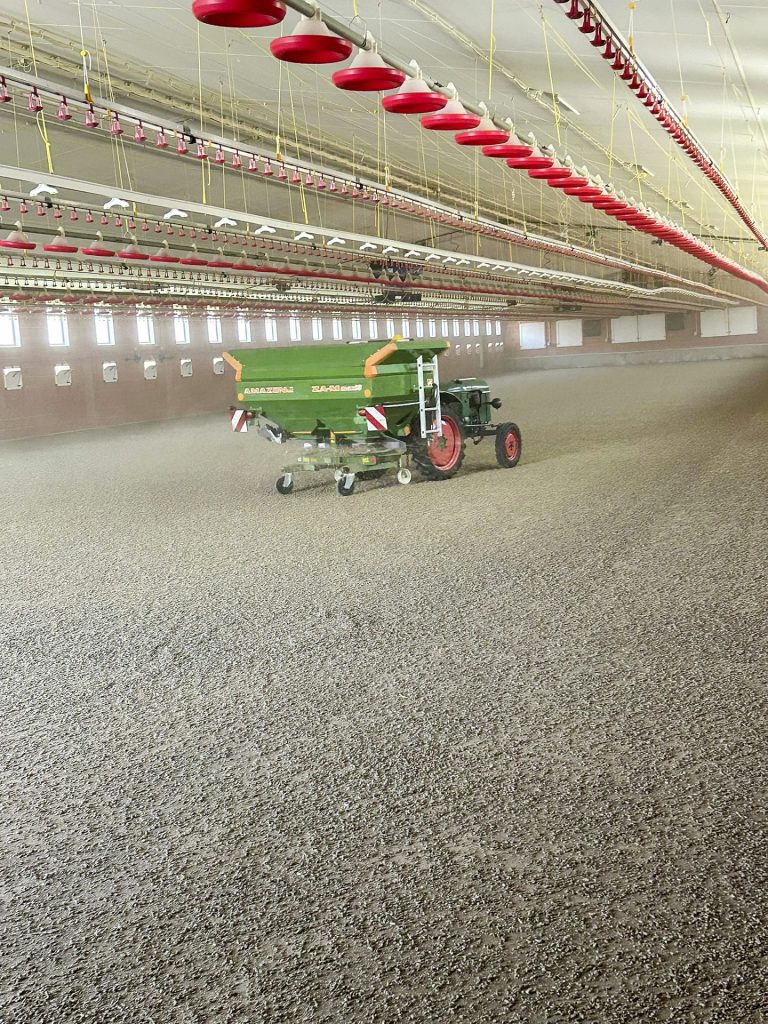
PULLING INSTEAD OF LIFTING
Rather than trading in his old fertiliser spreader, this reader converted it to spread litter in his broiler houses. The spreader was given four heavy-duty castor wheels so the nimble Deutz D15 didn’t have to try to lift it. This allows the farmer to make the most of the hopper’s capacity.
RUBBER STOPPER PROTECTS LIMITER
The folded-up border limiter was hitting the hopper, so a rubber stop was added. This protects both the limiter and the hopper from expensive damage.
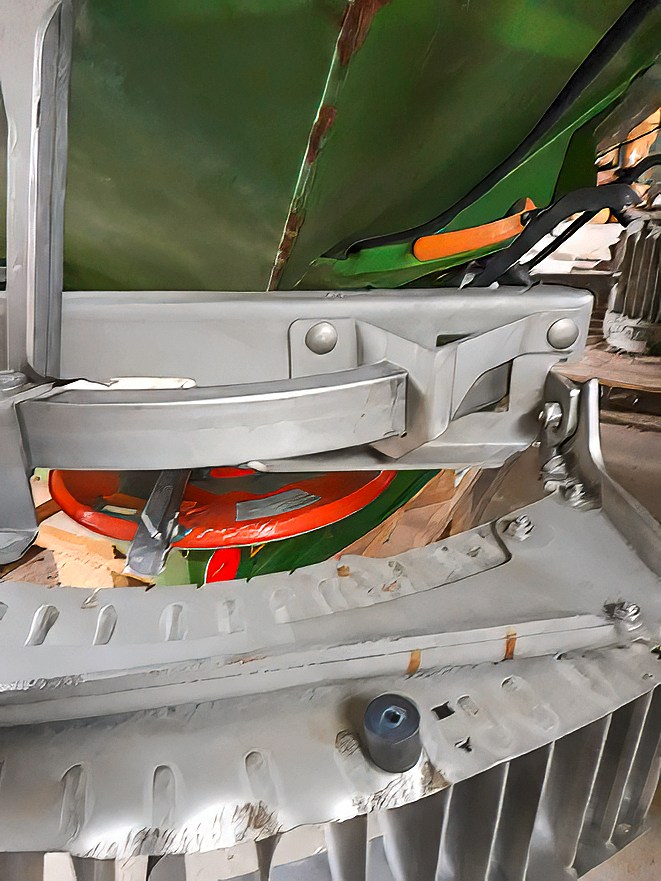
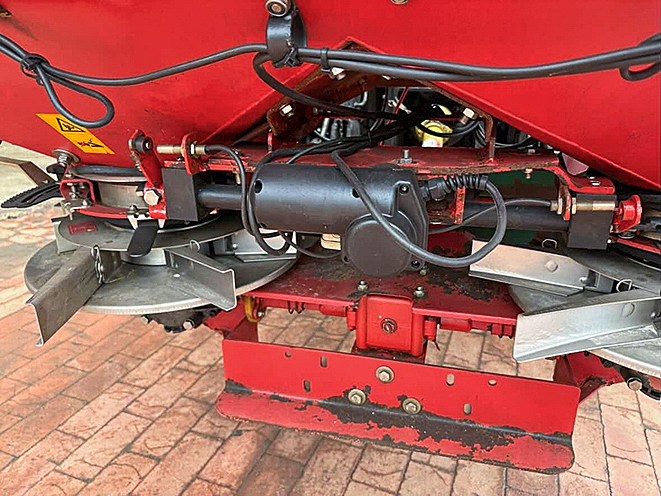
HYDRAULICS REPLACE MECHANICS
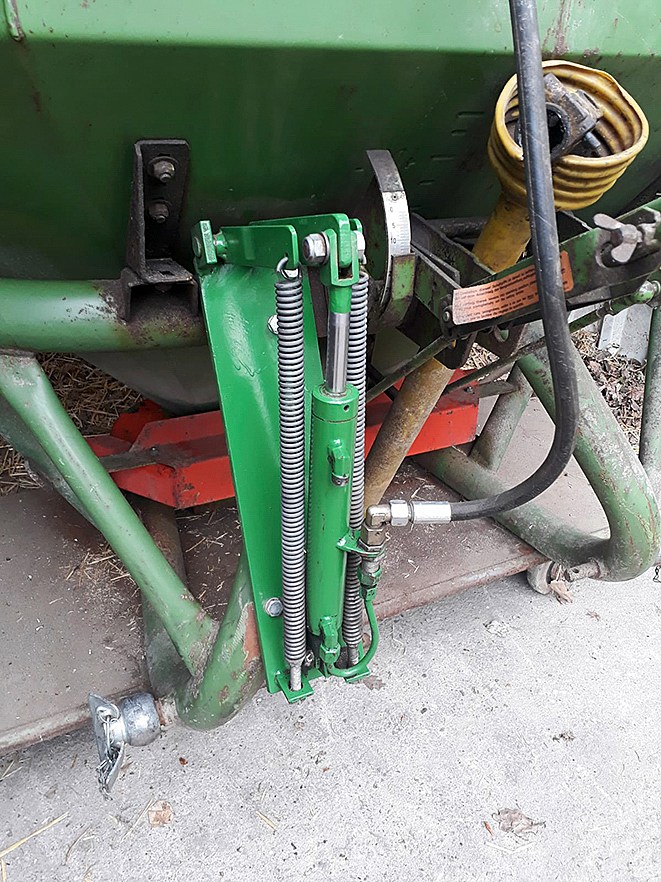
Until now, the spreader’s shutter was operated manually, but it is now done hydraulically. Some scrap bits of steel, two springs and the hydraulic cylinder were needed for the modification.
IN THE KNOW
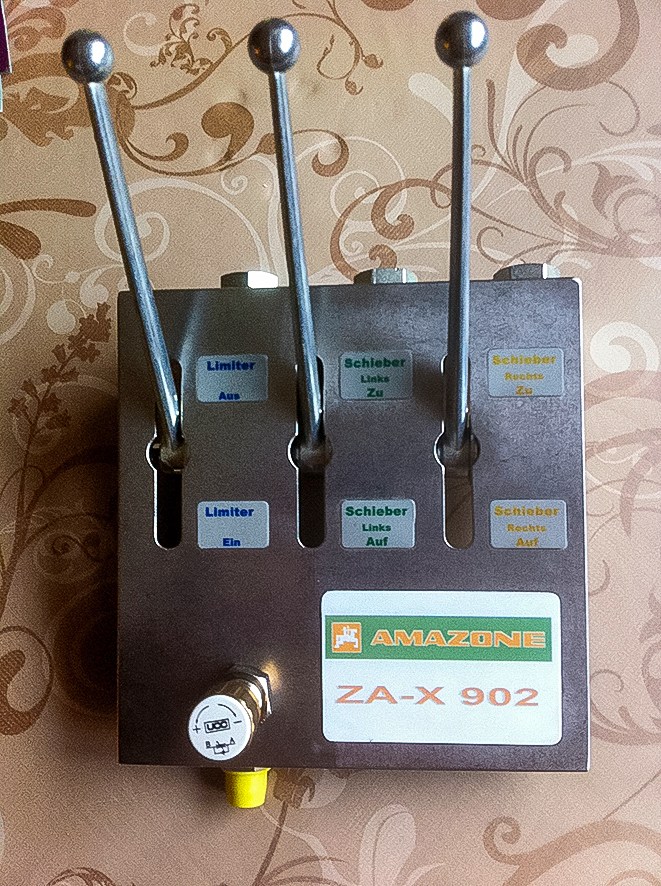
This Amazone ZA-X is equipped with a hydraulic valve block that operates the individual shutters and the border-spreading device. As the three shut-levers were not originally labelled, the owner made a cover from a piece of stainless steel with clear lever identification.
PARKED UP HIGH
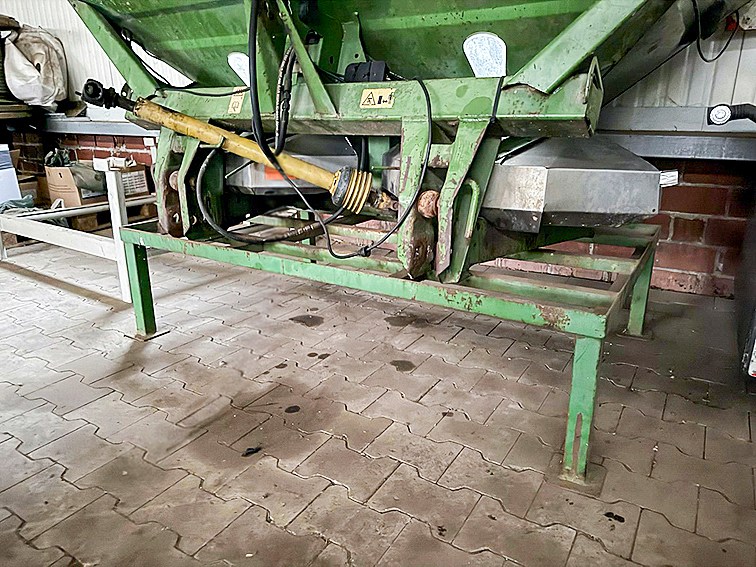
This homemade frame with long legs makes hitching on and off the spreader an easier task. It also means the spreader can easily be manoeuvred into even the tightest parking spaces with a pallet truck.
EXTENSION CUTS LOSSES
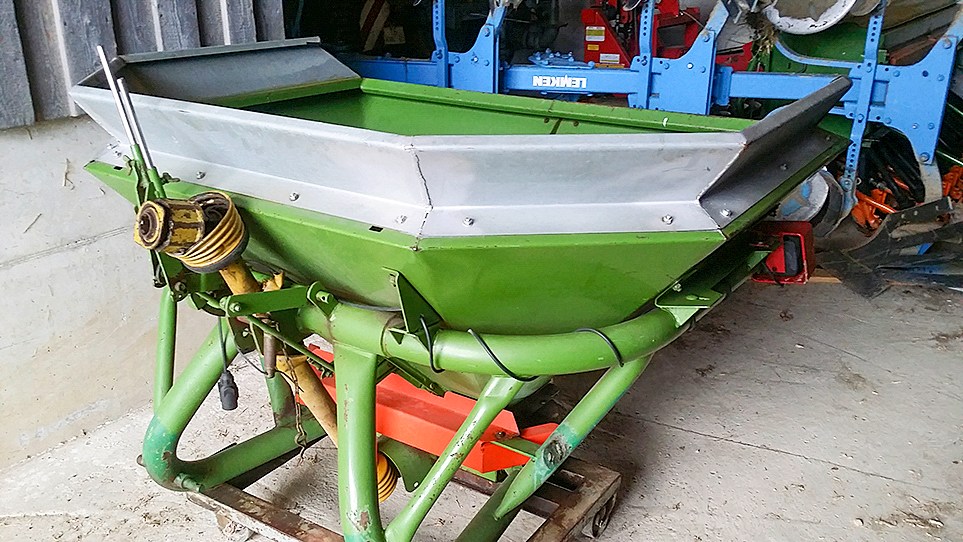
A roughly 20cm-high set of greedy boards made from galvanised steel. It prevents spillages when filling or if the tractor comes to a sudden stop.
IN-FIELD CATERING
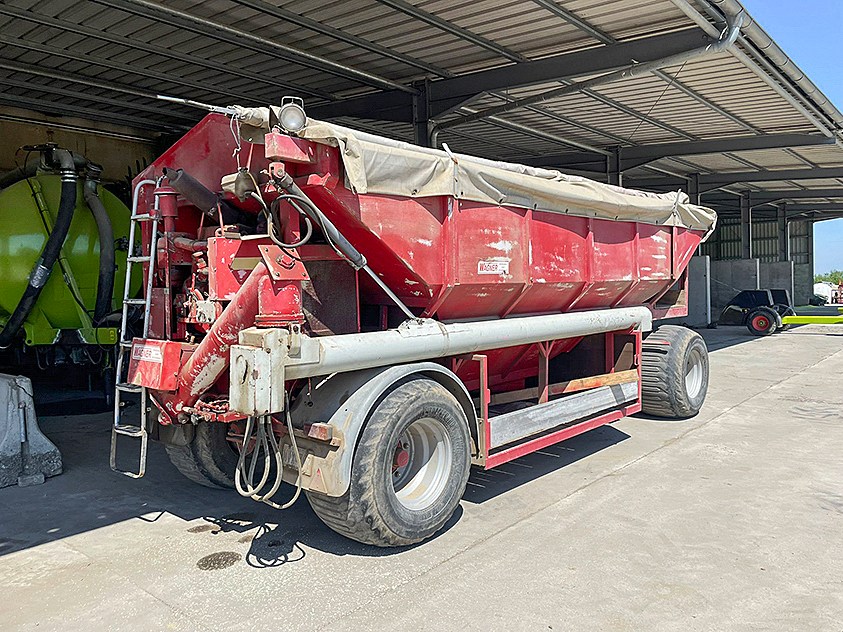
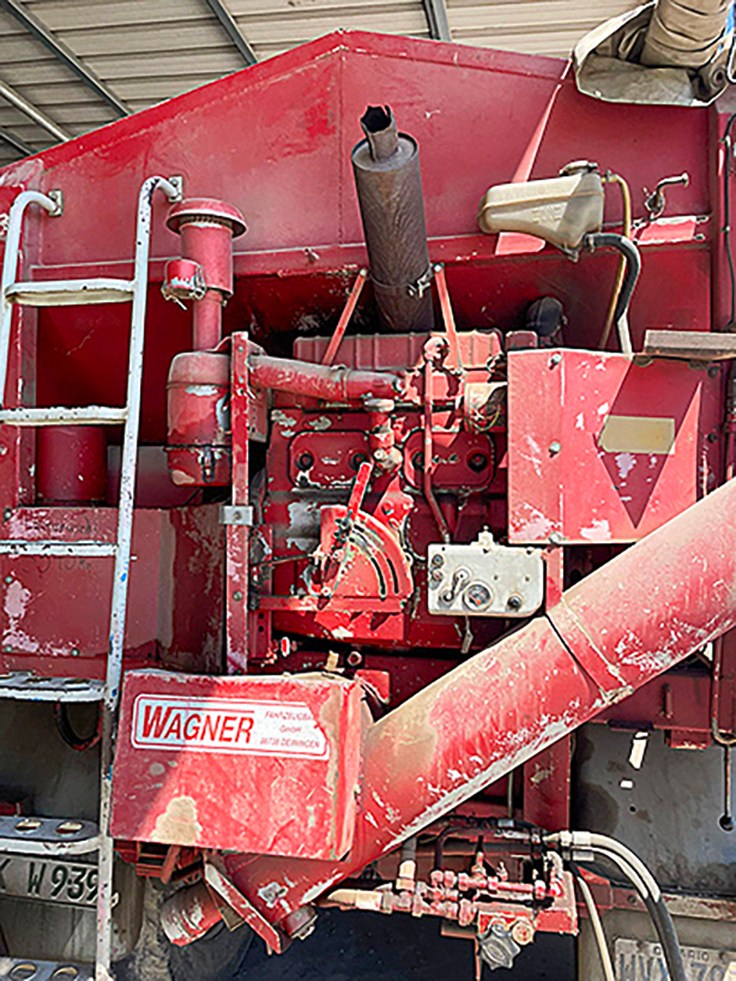
To streamline its fertiliser logistics, Wagner Agrar Services made this standalone chaser bin. Powered by an engine from a retired Claas Europa, it can carry up to 12t of seed or fertiliser, which is then loaded by an auger into the spreader or drill.
HEIGHT AT A GLANCE
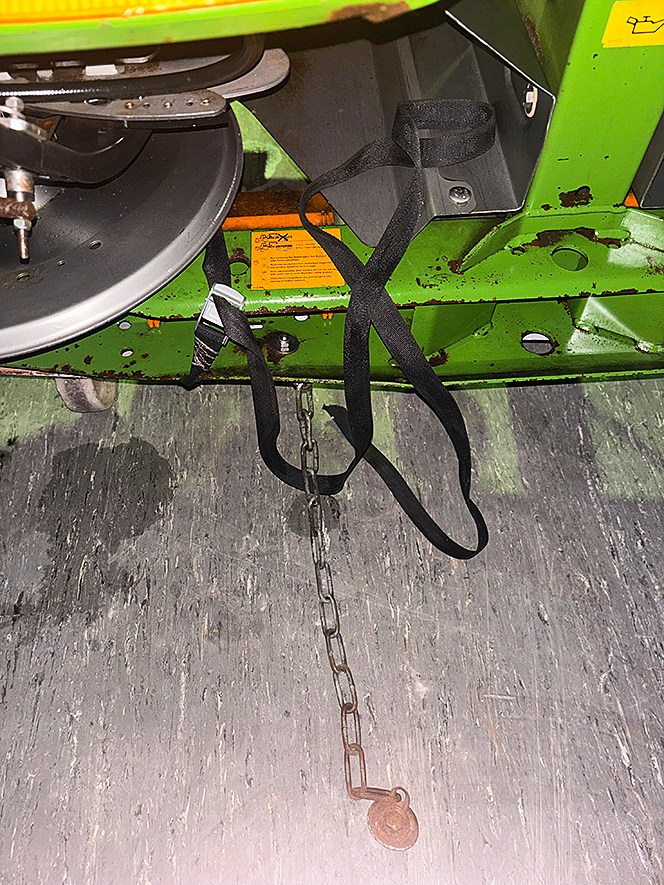
Getting the working height right on a fertiliser spreader is crucial for an even spread pattern. This reader fitted a chain that helps him keep an eye on the current working height during work.
EMPTYING BIG BAGS FASTER
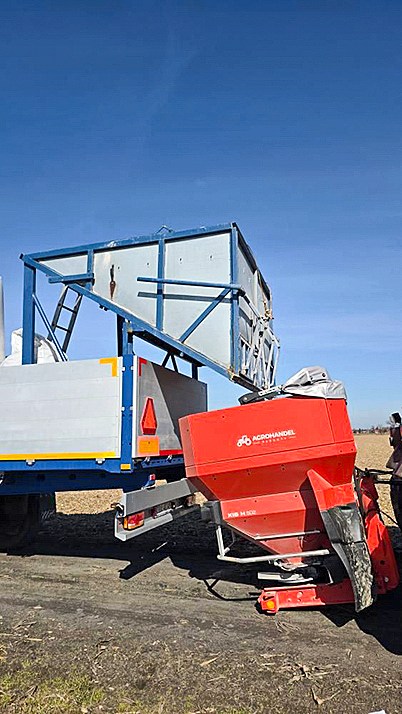
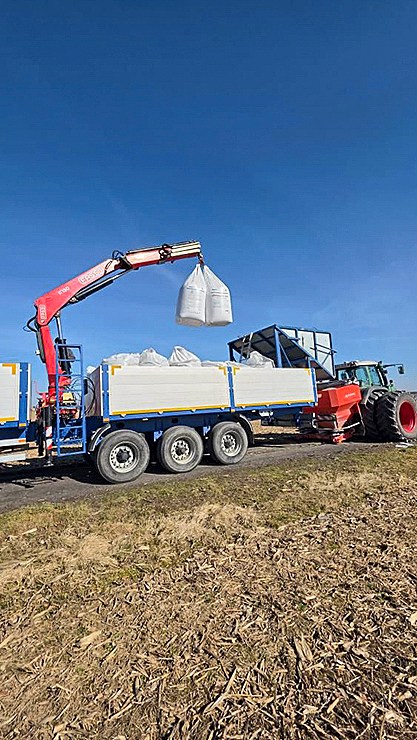
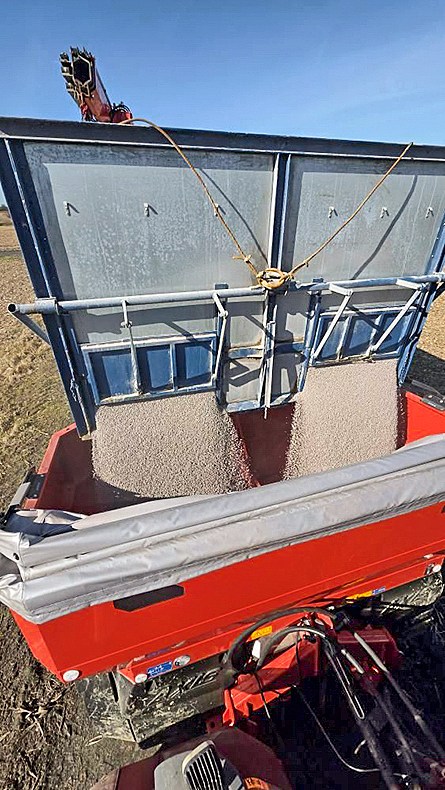
This farmer invested in a HGV trailer complete with crane. He fabricated a large hopper at the rear, for emptying the big bags into while the spreader is out applying fertiliser. Once the spreader is empty, it reverses up to this hopper and is quickly refilled.
NO LIFT BIG SPREADER
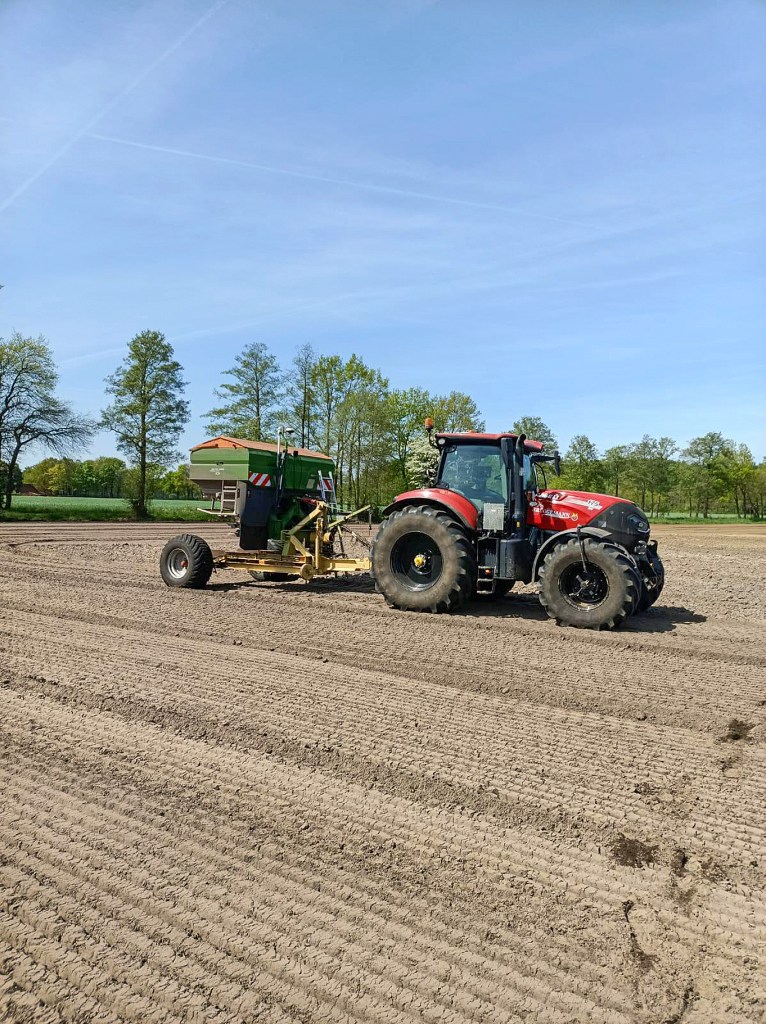
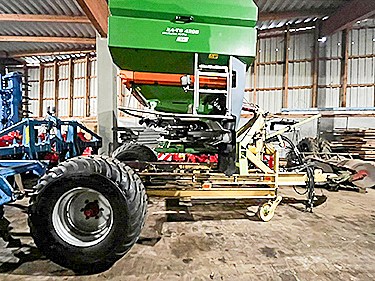
In order to operate their large spreader with small tractors, this farm team built a bogey to convert the mounted spreader into a trailed unit. They mounted a frame with a three-point linkage headstock onto the axle of a scrapped root crop harvester. Even though the farm now runs bigger tractors today, they are still using the bogey.
SENSORS RETROFITTED
Two retrofitted working-position sensors send a signal to the steering system whenever the spreader’s sliders are open, thereby marking the area covered on a map. Both sensors are wired in parallel, so covered area is also marked when only one slide is open.
SAFE LIFTING
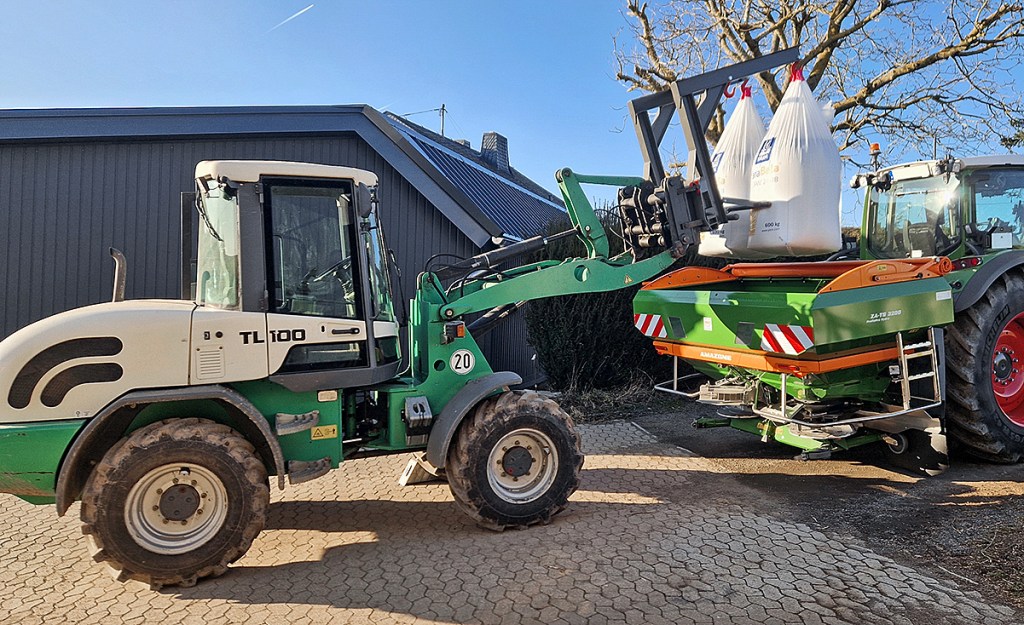
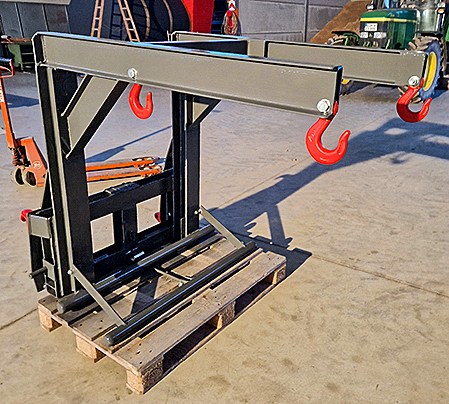
This reader built a frame that can pick up both single-loop and four-loop big bags of seed/ fert. A tube at the bottom of the frame stops the bags from swinging during the transfer. At the same time, the frame increases the loader’s lifting height, so trailers can be loaded, too.