
Kuhn introduced its mounted Megant tine coulter drills back in 2007 in working widths initially spanning 4.0m to 6.0m. Fast forward to 2026, and the Megant evolved into the current three-model 6.00m, 7.20m and 8.00m range. As a used buyer, working width is a starting point, but there are developments to consider.
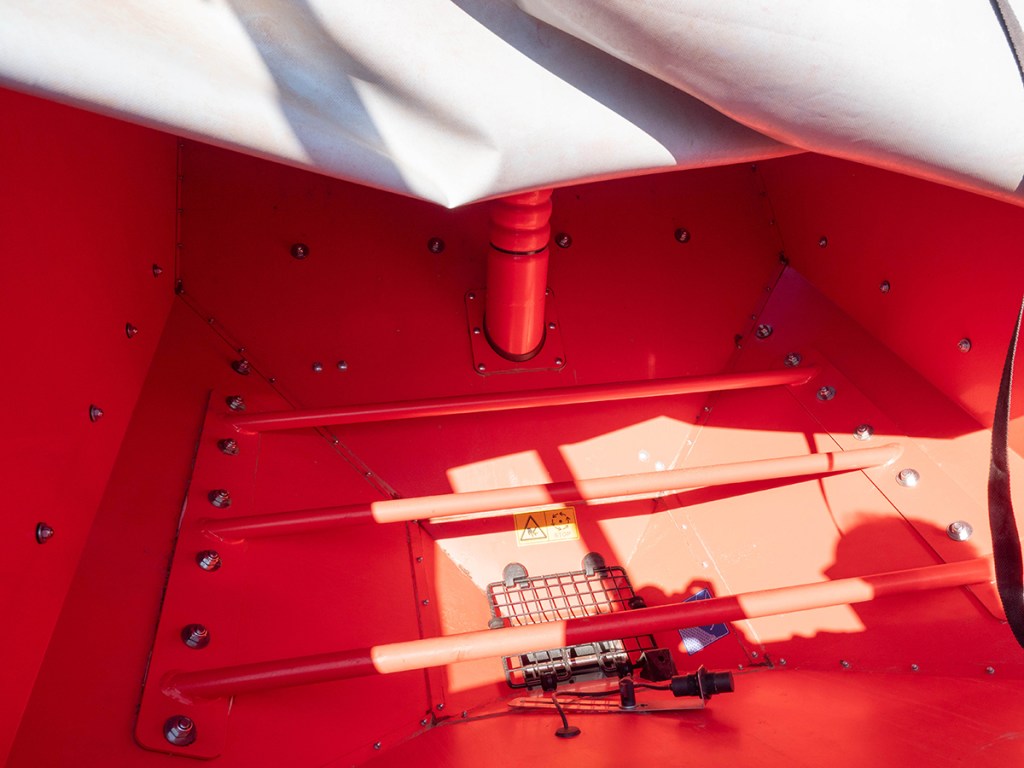
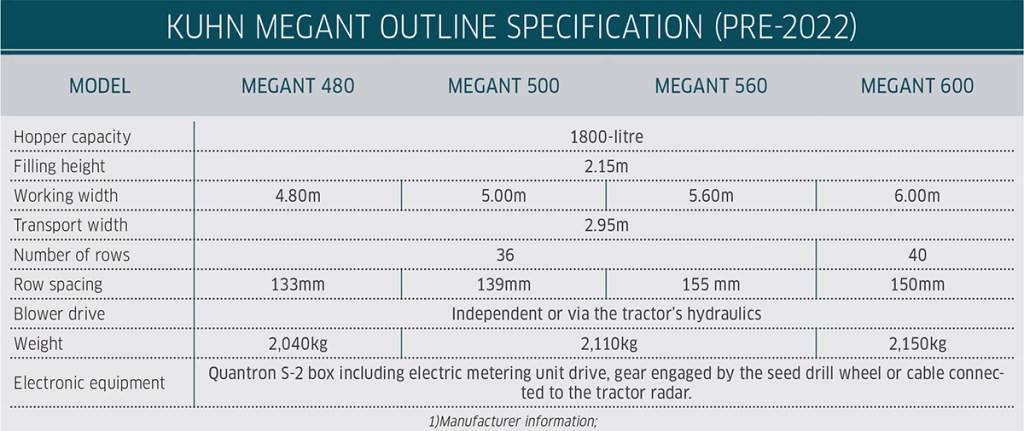
First exhibited at SIMA 2007, the Megant pneumatic tine drill was initially offered in six working widths of 4.00m, 4.50m, 4.80m, 5.00m, 5.60m, and 6.00m. Seed metering was initially the mechanical Venta metering system, with a 1,700-litre hopper as standard across all variants.
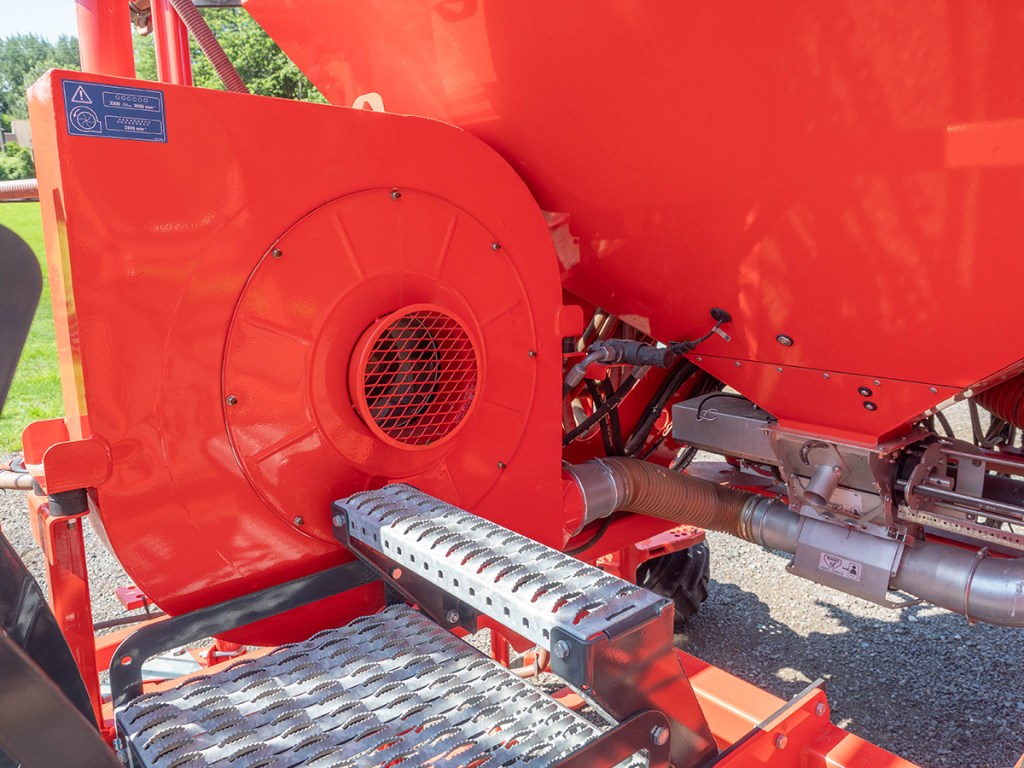
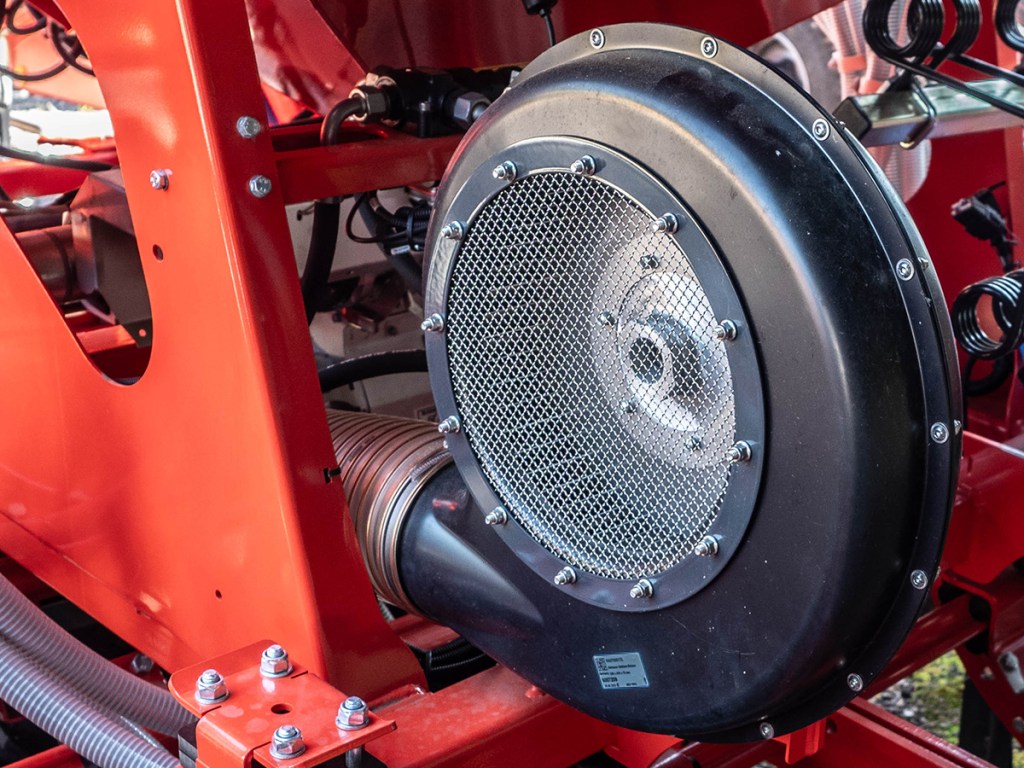
The pneumatic blower was powered either by a Vario-Drive independent hydraulic circuit powered from a pump connected directly to the tractor or by using the tractor’s hydraulics.
A key development was an update to the seed metering unit, with the Venta replaced by the Quantron S fully electronic system in 2010. This essentially replaced land wheel metering control with a forward speed sensor. Overall seeding accuracy with the Quantron S system was improved, with added benefits including seed rate adjustment on the move.
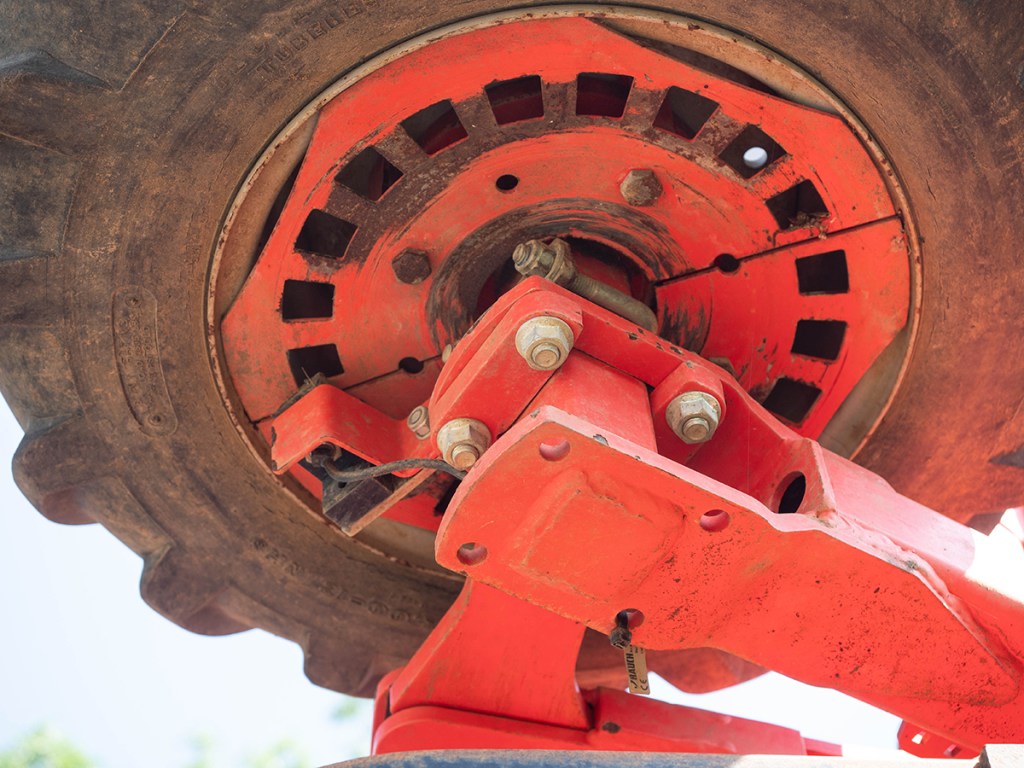
The 4.00m and 4.50m models were dropped for 2015, the now four model Megant range switching to a higher capacity 1,800-litre seed hopper capable of holding up to 1,200 kg of wheat. The key feature of light overall drill weight remained, with Kuhn suggesting a 6.0m drill could be operated by tractors of 150hp and deliver work rates as high as 60 hectares in a good working day.
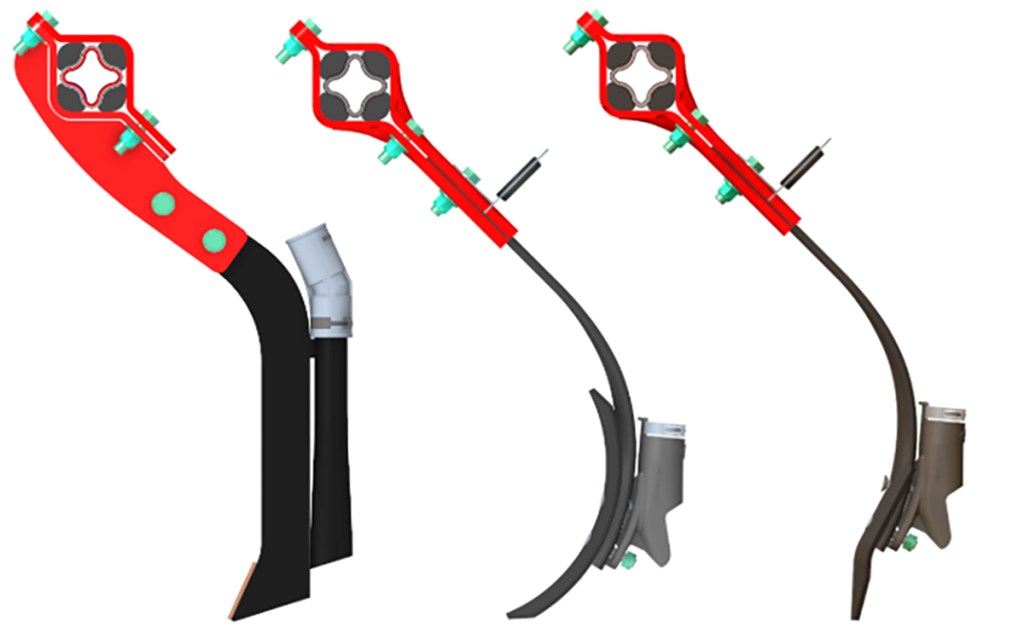
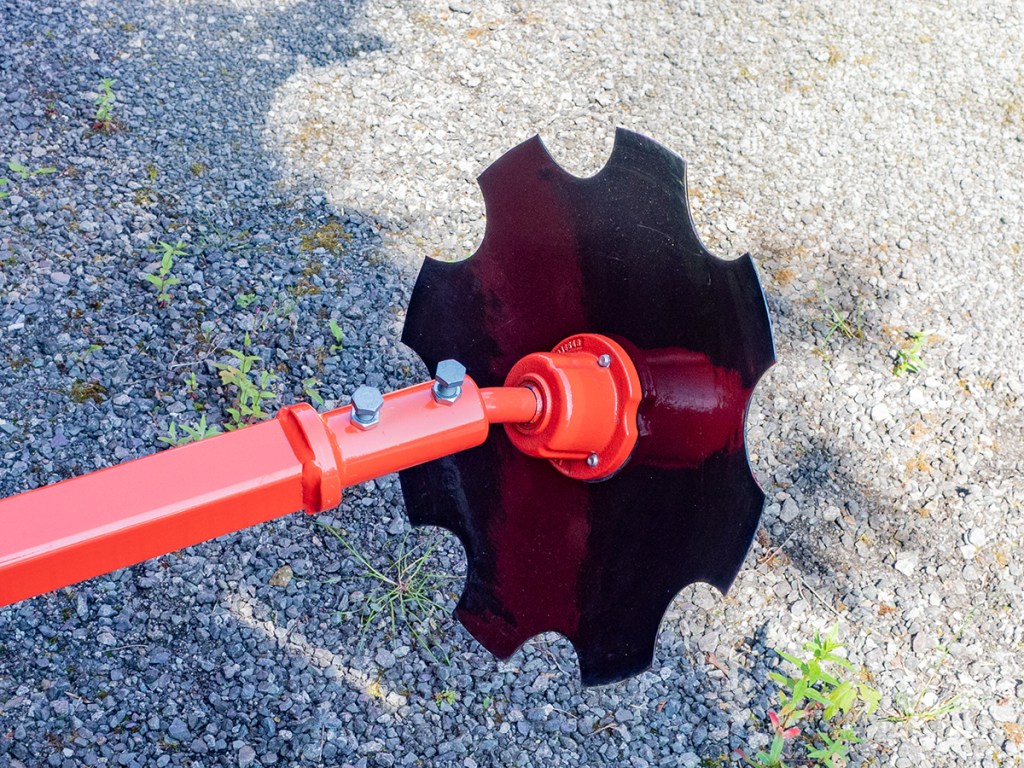
What did not change was the basic design of the four-row tine cultivator system, these featuring simple polyurethane mounting blocks that enables each tine to deflect by up to 150mm vertically. Standard curved tines were offered on all models, with straight tines for use in stony soil as an option.
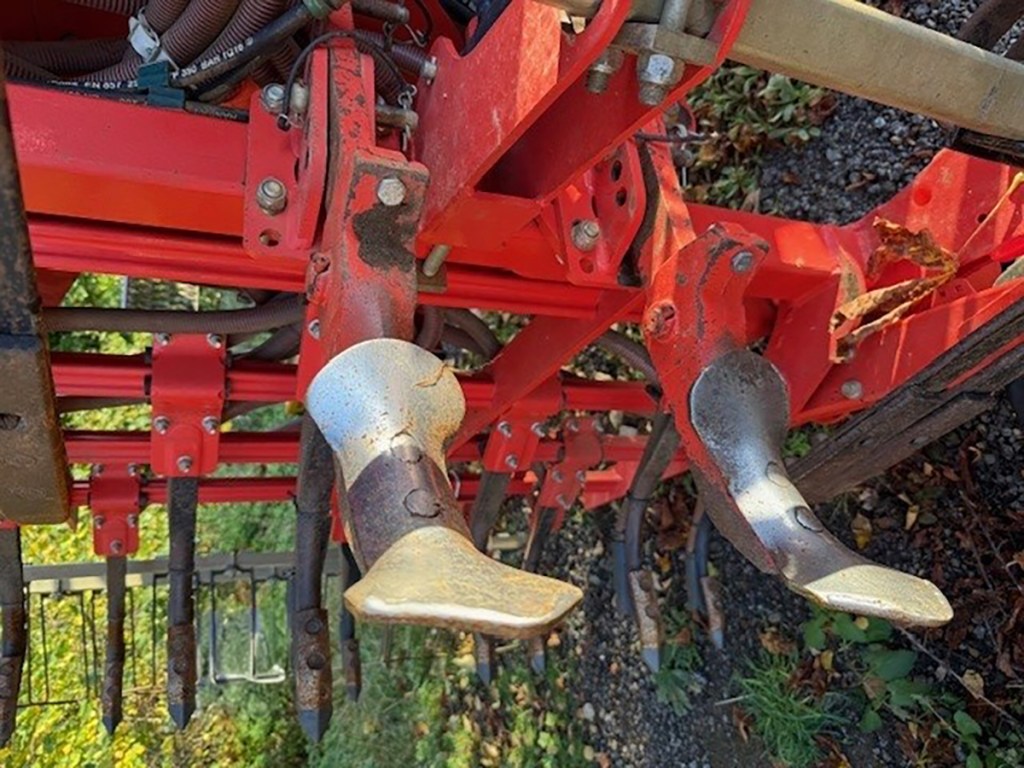
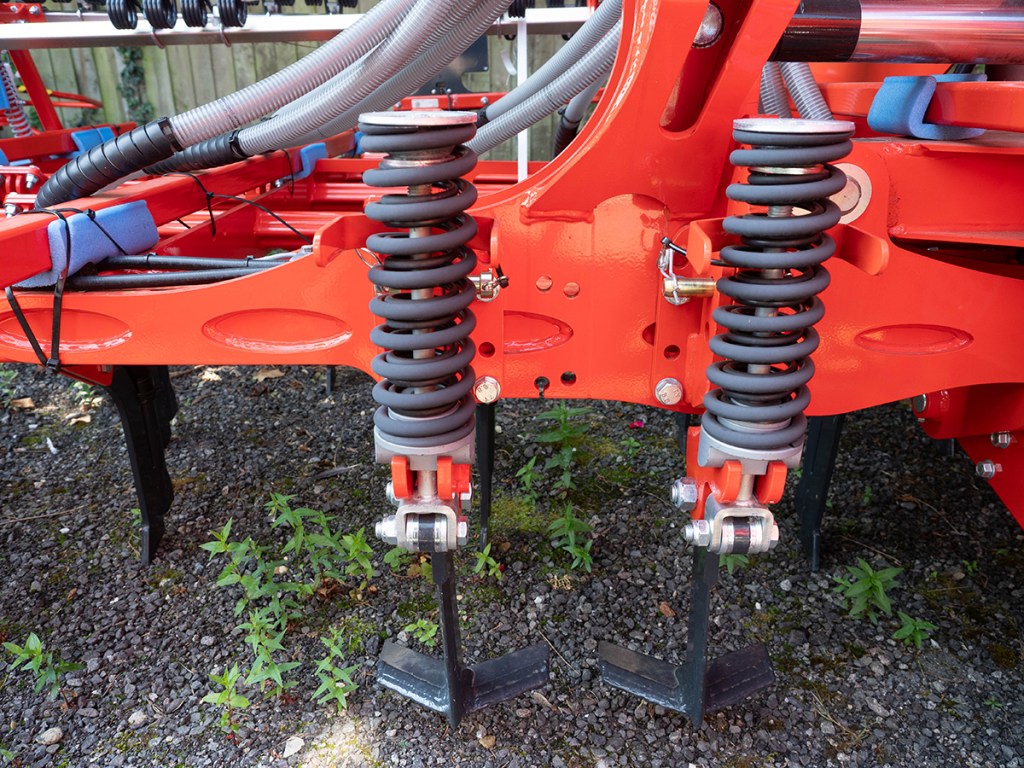
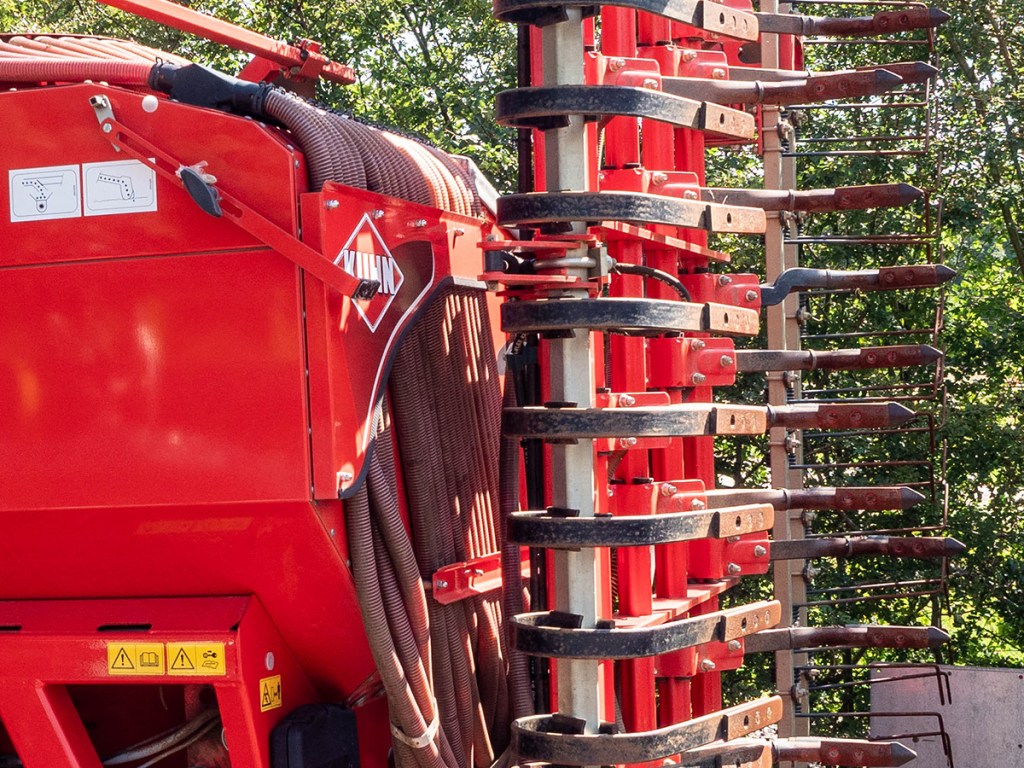
In work, the weight of cultivator is supported on gauge wheels, with twin wheels an option for use on light soils or steep sloping ground. Adjustable bout markers fold to the side and within the width of the cultivator. Adjustable track eradicators with non-stop protection were a standard fit, with options including front levelling bar.
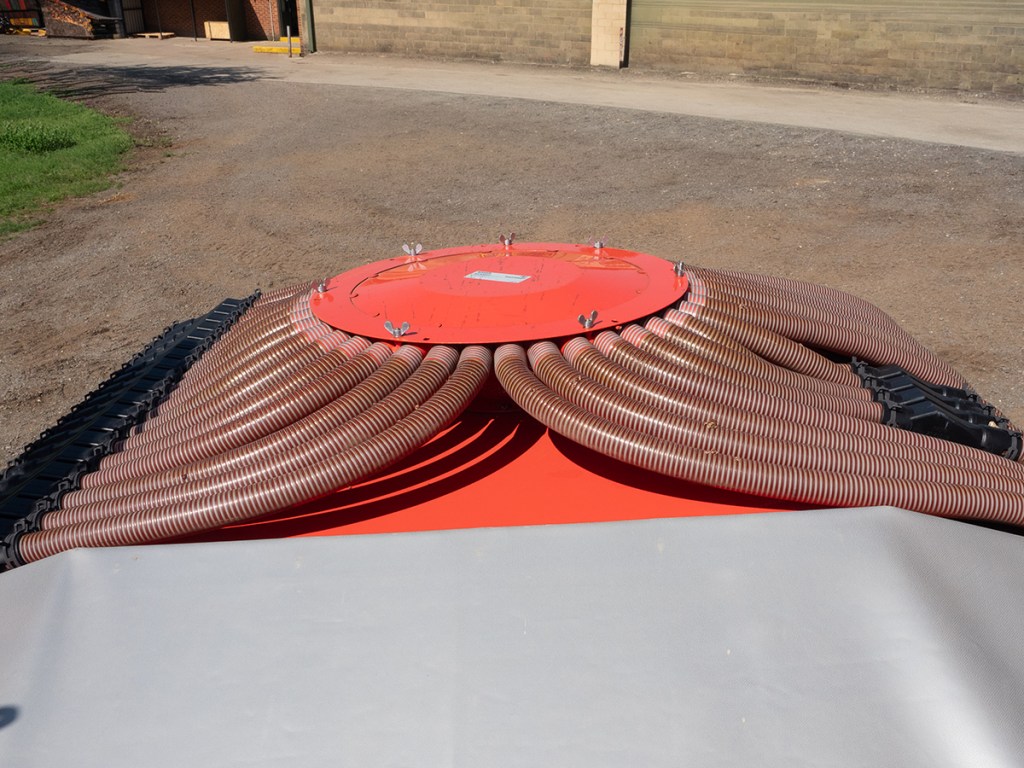
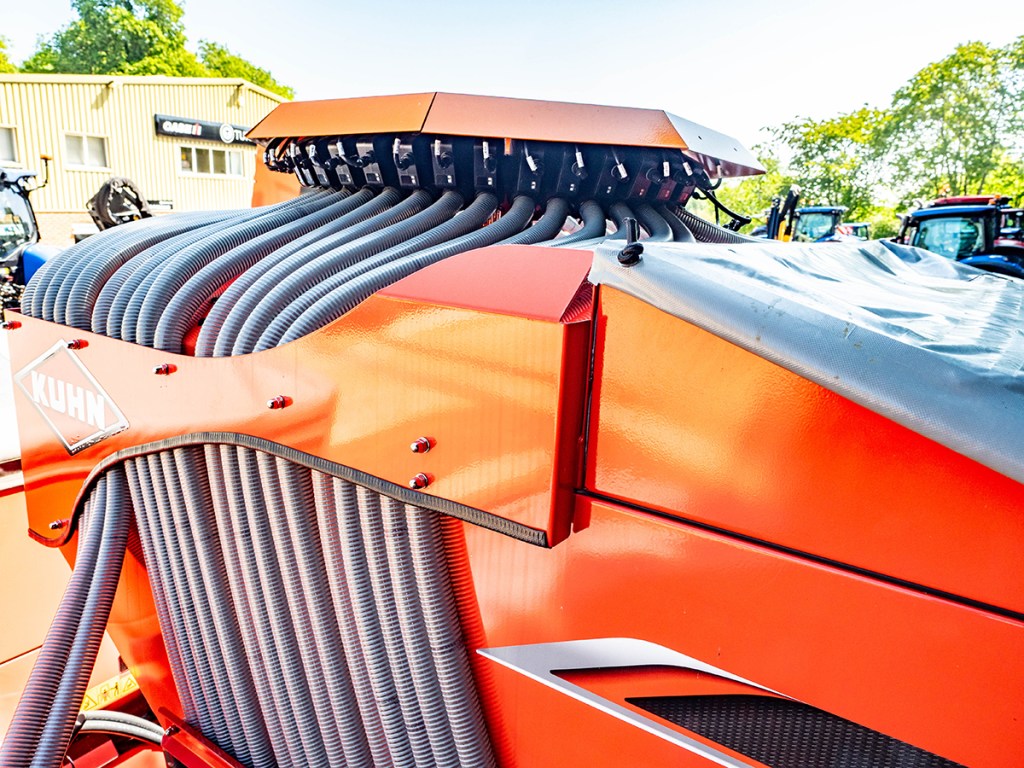
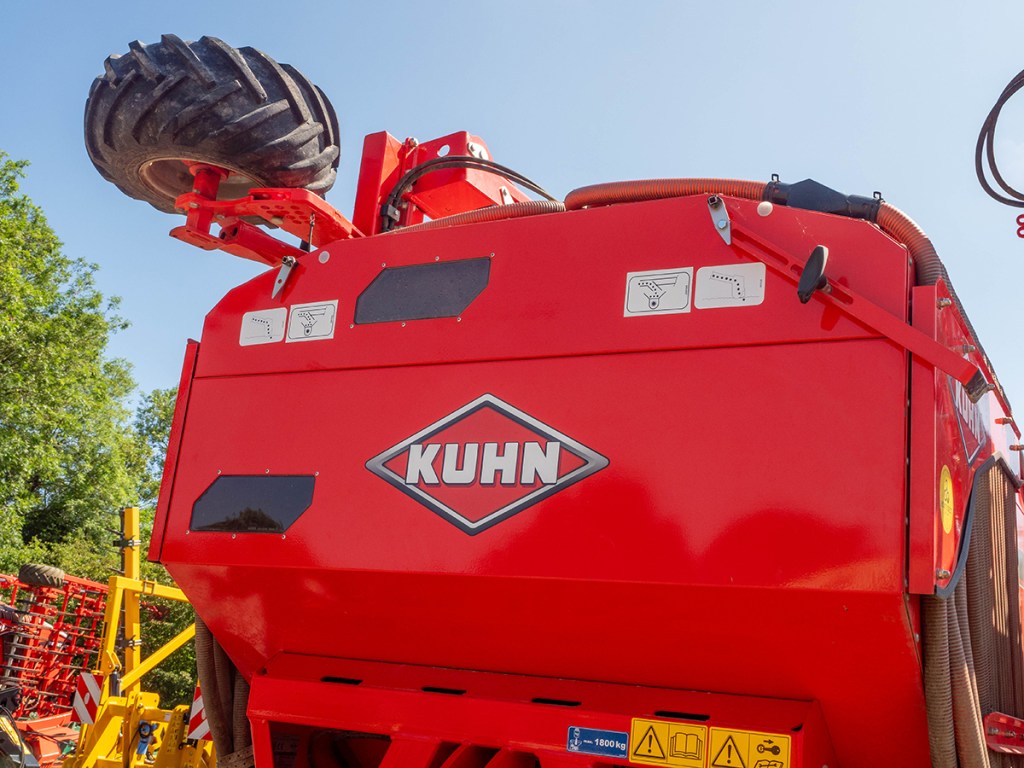
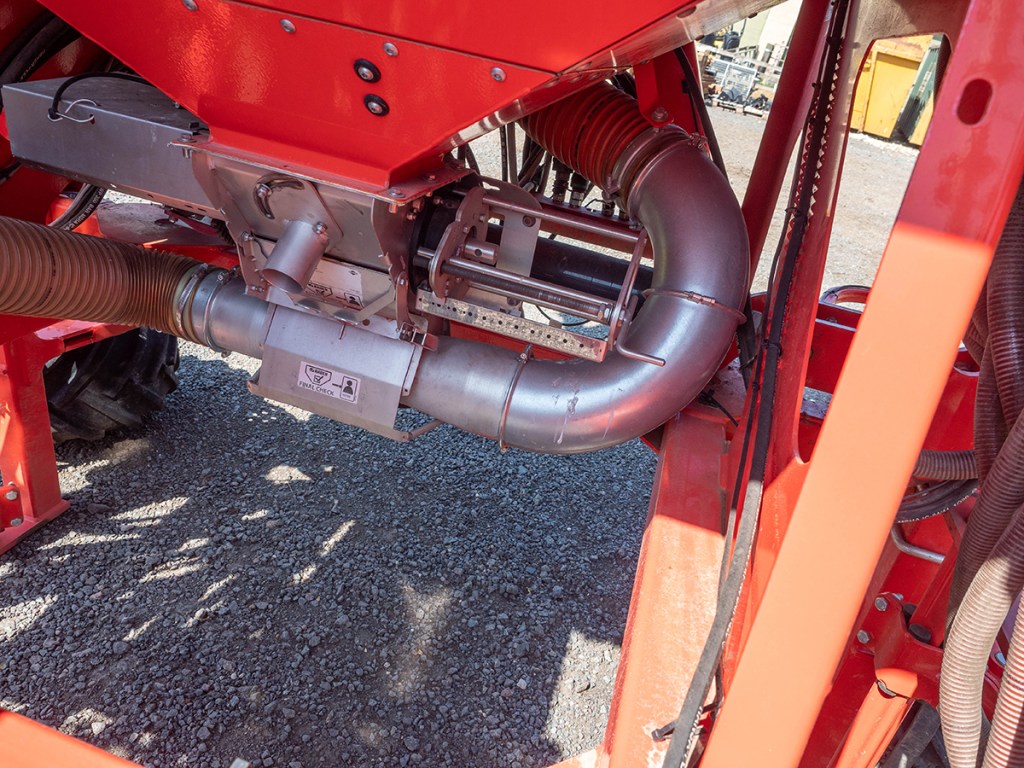
A noticeable Megant feature is the external seed distribution unit mounted on the top of the hopper. Half width shut off was an option.
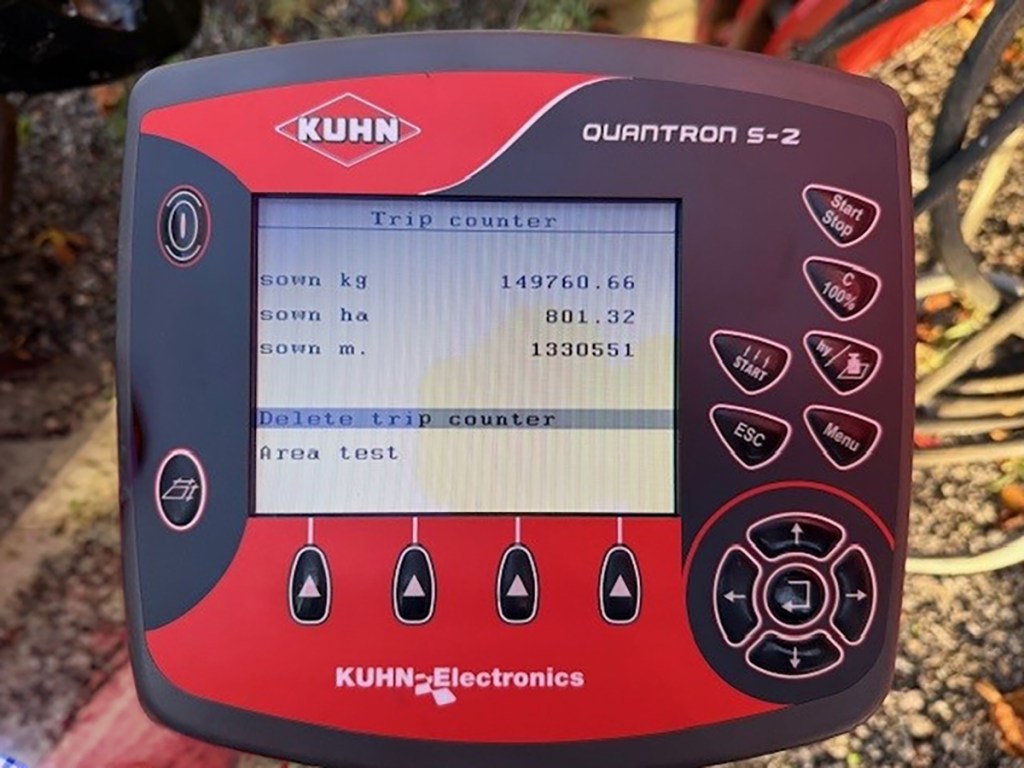
From around 2010, the control box offered would have been the Quantron S-2 electronic system. This can be used to set the blower speed, operate the bout markers and adjust application rate. This controller can store field names and size as well as record seed drilled and application rates and the date of sowing.
Apart from the changes outlined above, the design of Megant drills stuck to the original formula, the most popular model in the UK becoming 6.00m Megant 600, although the 4.00m and 4.80 models also sold well.
Second generation
Kuhn updated the Megant from 2022, with just one model, the 6.00m Megant 602R. In broad outline, this variant is essentially an update of the previous models, with developments including new tine coulter choice, an updated VT 30 terminal option and ISOBus compatibility. An additional SH 1120, 110-litre hopper to enable a companion crop to be established in the same pass and electronic half shut off were also optional.
Tines available included the same reversible and straight tines as before plus a narrow 12mm coulter. Fitted with carbide plated points, this straight tine has a low draft and reduced soil displacement for improved penetration and moisture retention.
An 1800-litre hopper is retained, but with welded seams; existing models have a riveted hopper. Other changes to the hopper include internal steps to improve access to the distribution head with a shut off door to enable the metering to be adjusted when the hopper is full.
Further developments include a revised blower, spring loaded nonstop track eradicators and stronger bout markers. The cultivator frame was also strengthened.
Early in 2026, Kuhn added wider 7.20m Megant 722R and the 8.00m Megant 802R variants. These remain fully-mounted drills and are essentially just wider versions of the 602R. In theory, an 802 R can deliver work rates of up to 8ha/hr, the narrower 7.20m model having been introduced to make it compatible with 36m width sprayers. As to power, the Megant 722R is suited to tractors of around 180hp plus, the 8.00m Megant 802R requiring 200hp.
What to look for in a used buy
Tine drills all have one thing in common. Simplicity. This should make selecting a used Megant a straightforward task but it pays to make a few checks before going to look a machine over. The first is spec with points to check include:
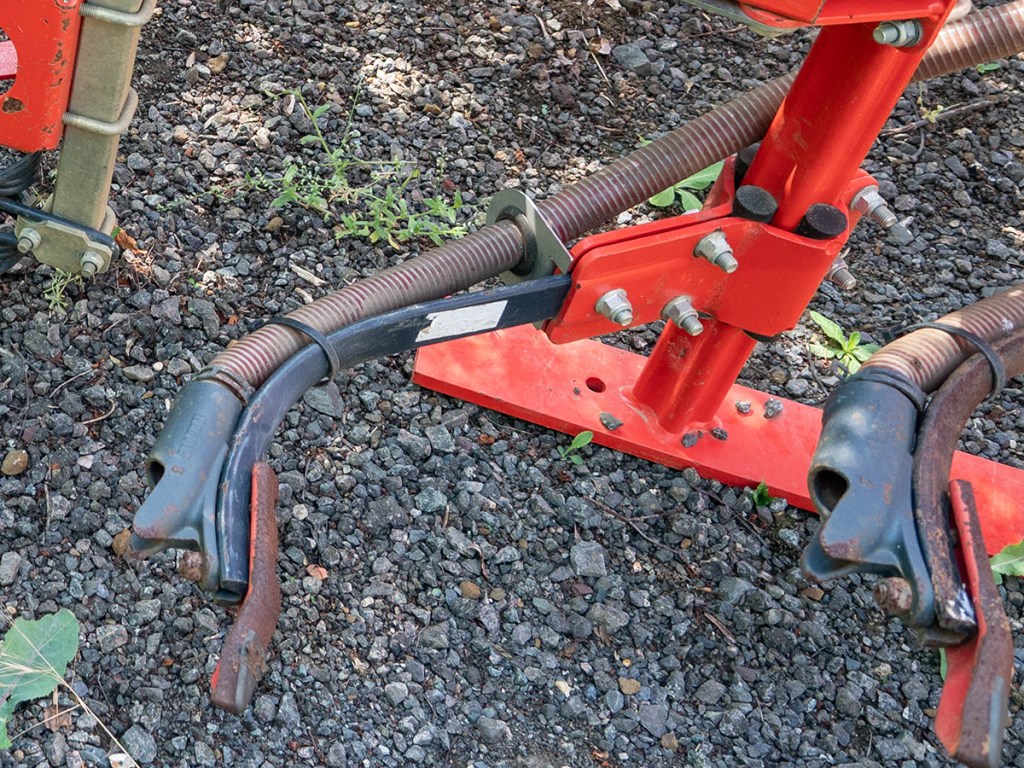
Tines. Reversible forward pointing coulters would have been the default fit on earlier Megant drills working into more heavily cultivated soils, the increasing adoption of minimal tillage seeing later drills commonly fitted with straight coulters (with carbide tips). On the later 602R drill, the 12mm thin tine option has proven popular.
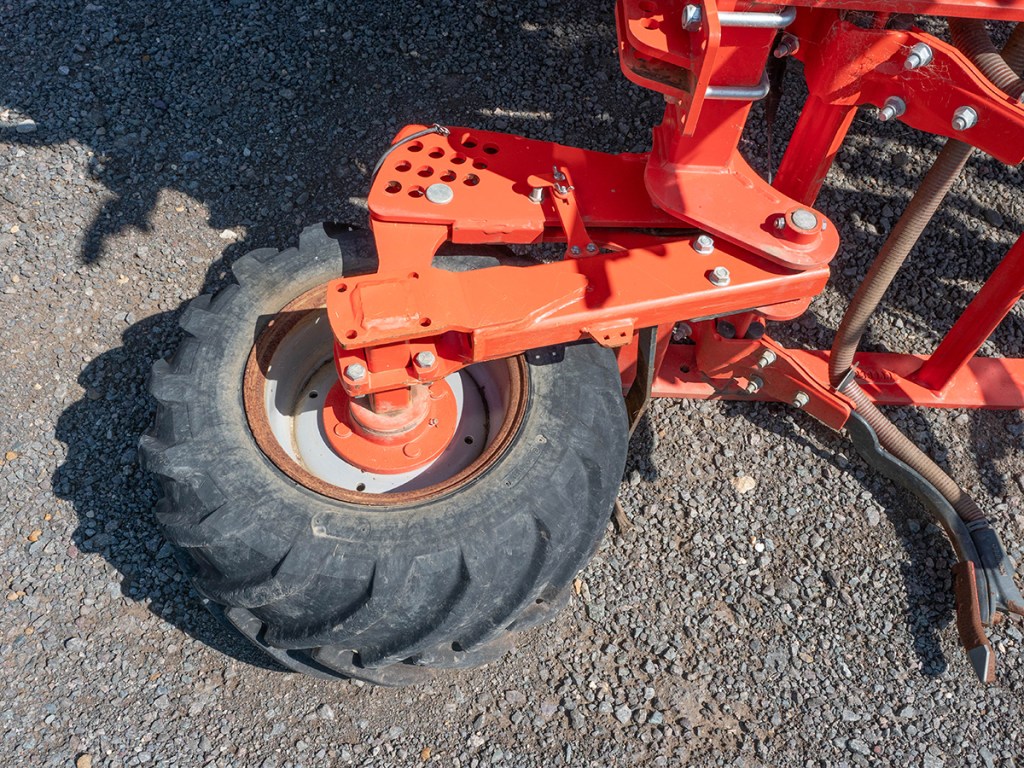
Depth or gauge wheels. Single or twin cleated depth wheels are fitted to the cultivator frame. Twin wheels can provide enhance depth control in certain conditions. There is also the option to add four gauge wheels in the centre of second generation 602R models to help spread the weight of the seed hopper
Front levelling bar. Hydraulically adjustable, a front levelling bar will add improved depth control across the drilling width in light soils as well as helping deal with clods.
Covering harrow. A twin row flexible tine rear covering harrow is a common find on UK drills but a wide-space wheeled rear roller option is available. This is more likely to be combined with single gauge wheels and provides good depth control in lighter soils.
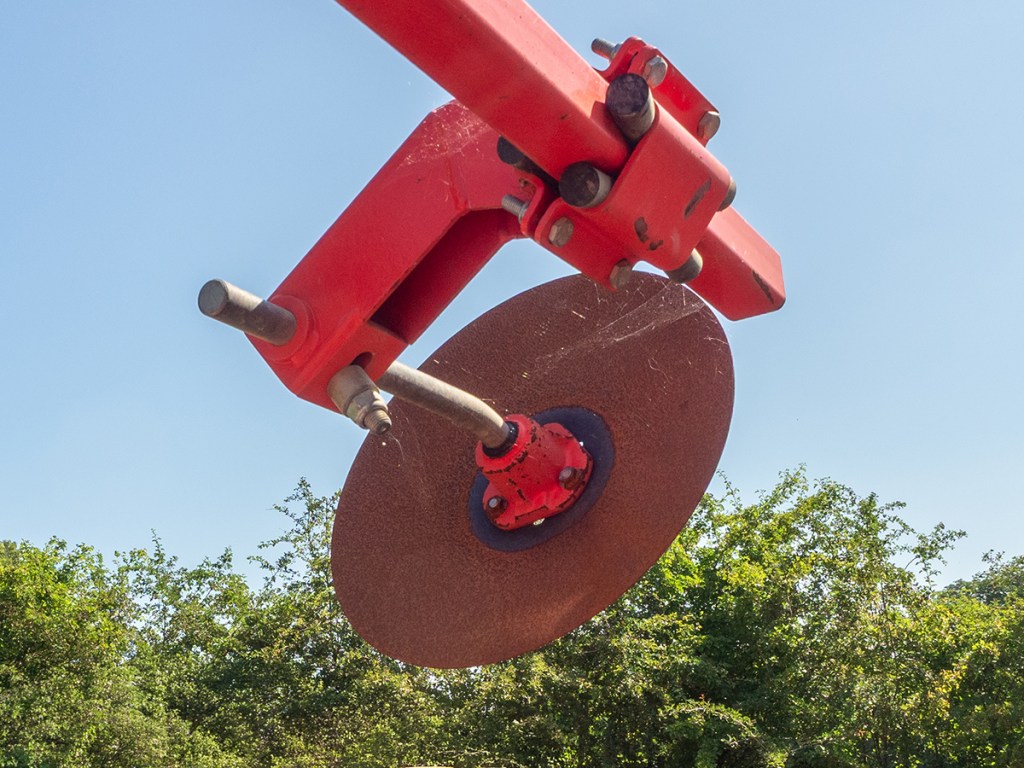
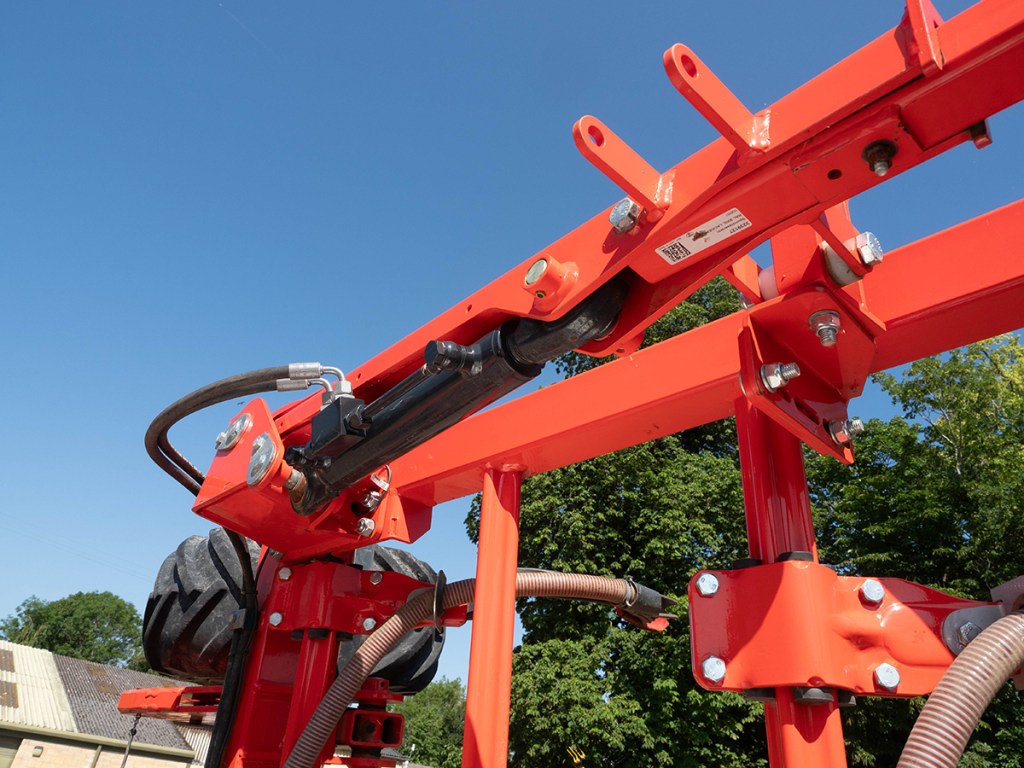
Bout markers. Later drills worked by tractors with guidance may have been specified without bout markers.
It is relatively easy to establish what a used buy will offer in terms of outline specifications, so job two is to look at condition. Again, this is a straightforward job, but key check points should include:
Overall condition
It does not take much to see if a drill is in good shape. Dealer prepared drills should be clean and tidy. Part worn wearing metal will be common. It is best to add in the cost of new metal when buying the drill rather than expect worn metal with life remaining to be replaced.
Stress fractures
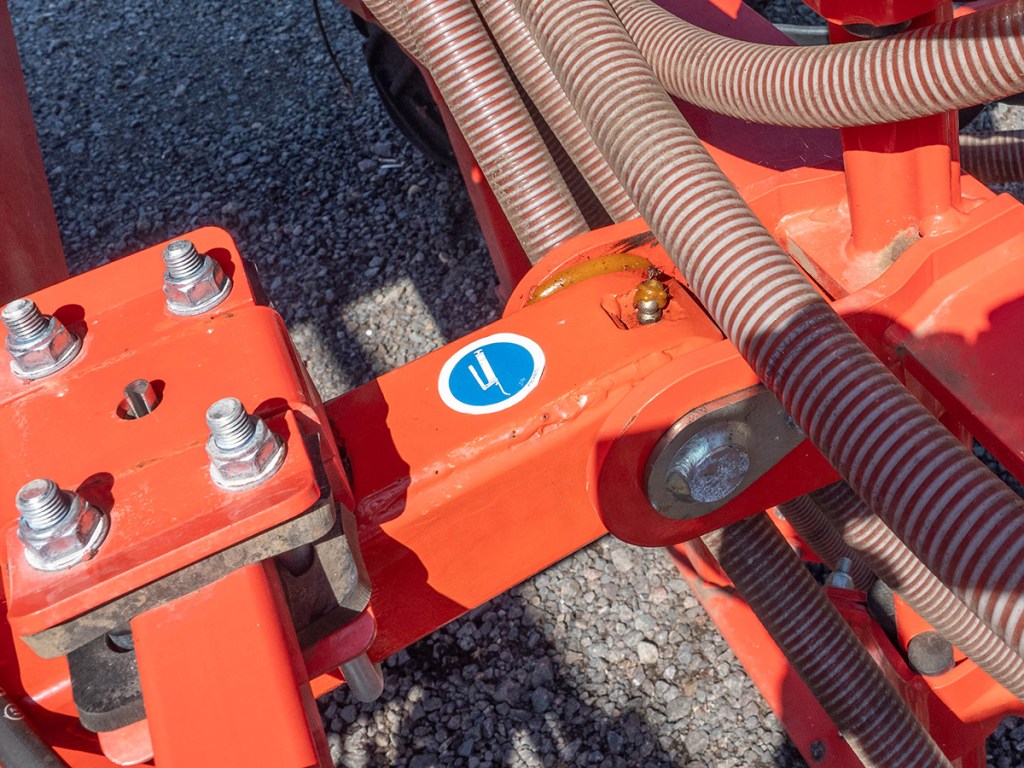
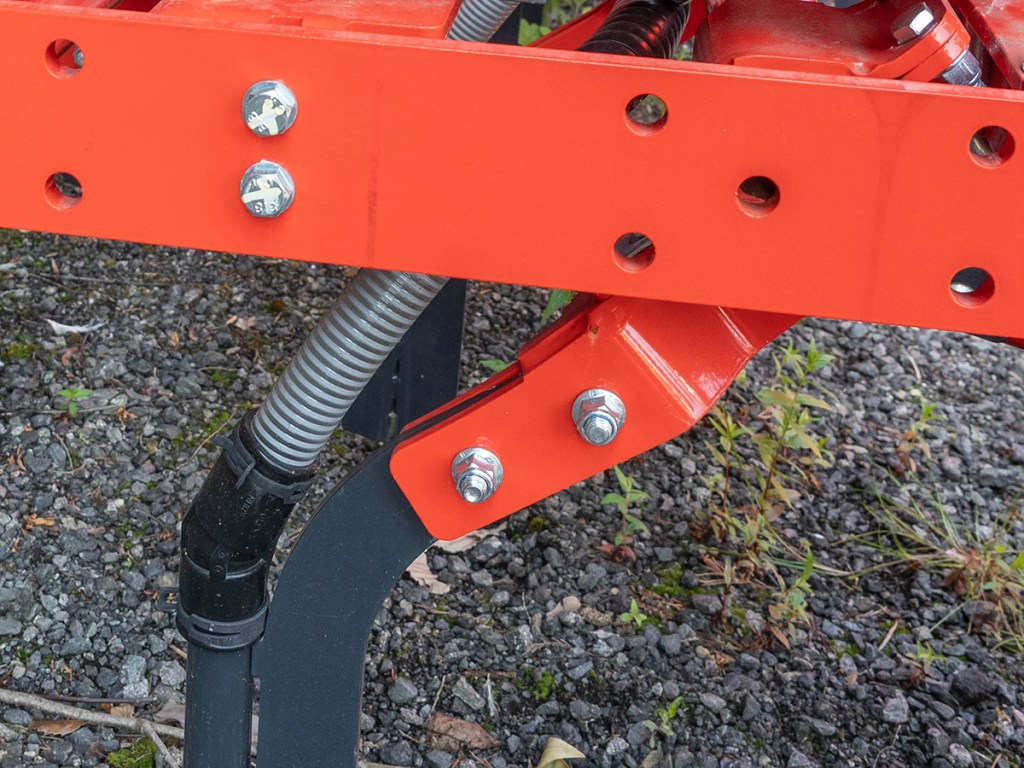
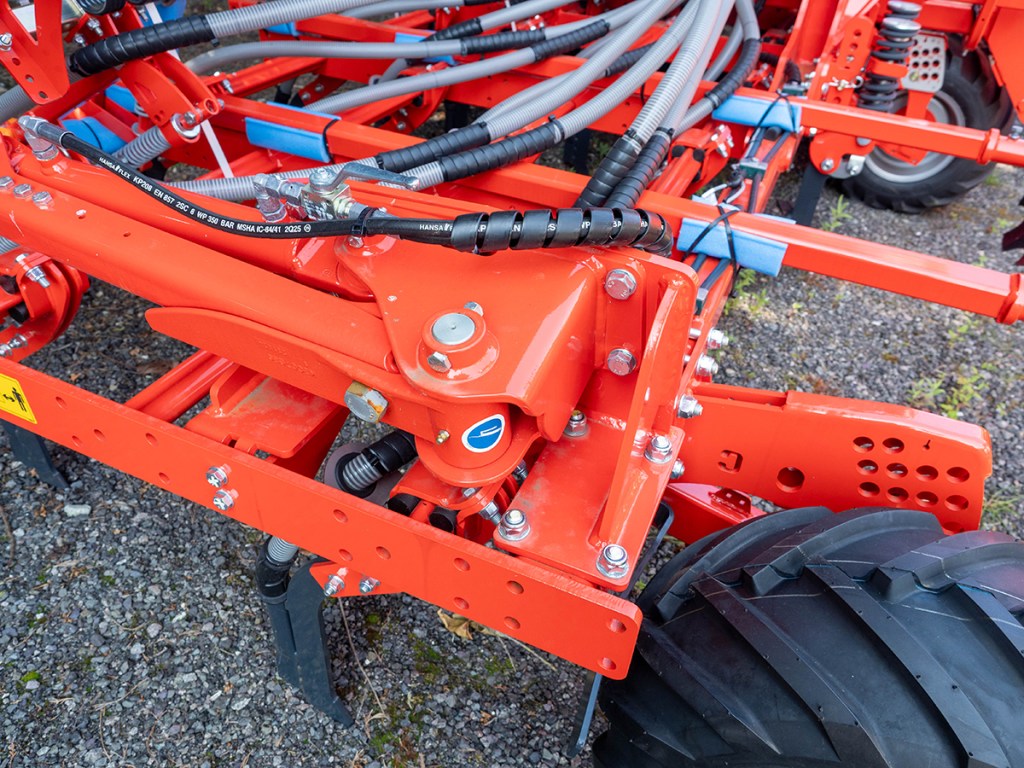
Look for weld repairs and fractures in the cultivator frame. A Megant drill is light but is capable to work into poorly prepared heavy soils and direct into stubble. Further, these drills may have been operated behind a tractor of more power than necessary, with the temptation to work at fast speeds. Used this way, and the cultivator can suffer from fracturing, particularly at the pivot points. Later 602R models are stronger but still check.
Damaged hoses
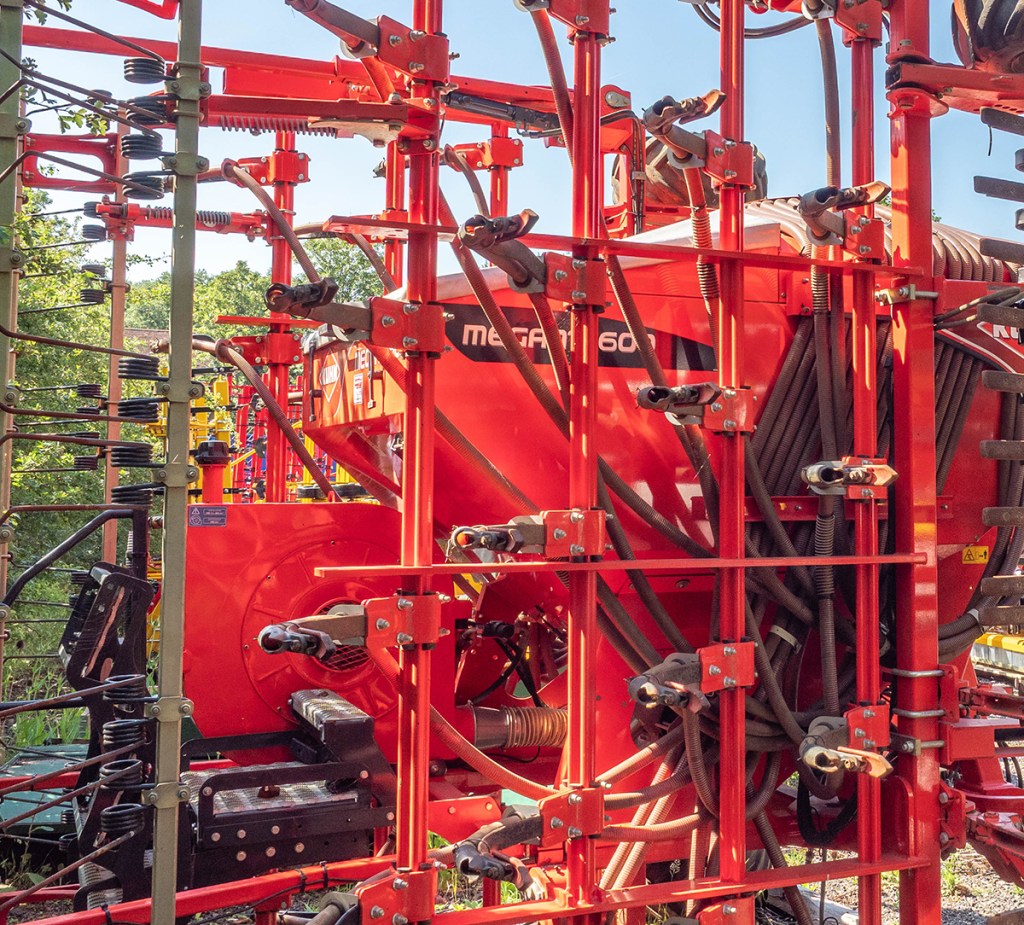
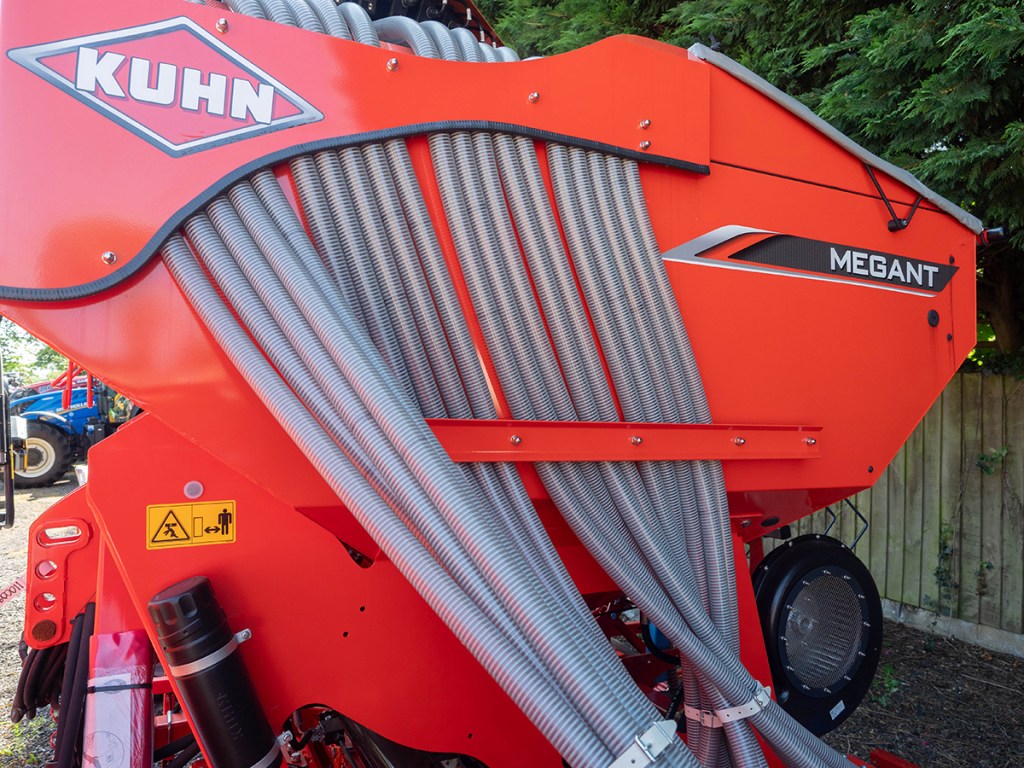
Hoses deteriorate over time with drills stored outside more likely to suffer splits where the hose is subject to folding. If possible, look over the drill when attached to a tractor, checking the hoses are in contact with the coulter boot.
Depth wheels bearings
A possible cause of bearing problems relates more to how the drill is cared for in storage. The wheels rims have drain holes that can block, leaving the bearings to sit in a well of water that in turn can lead to moisture getting into the bearings. Spin the wheels and you will typically be able to hear if the bearing needs attention.
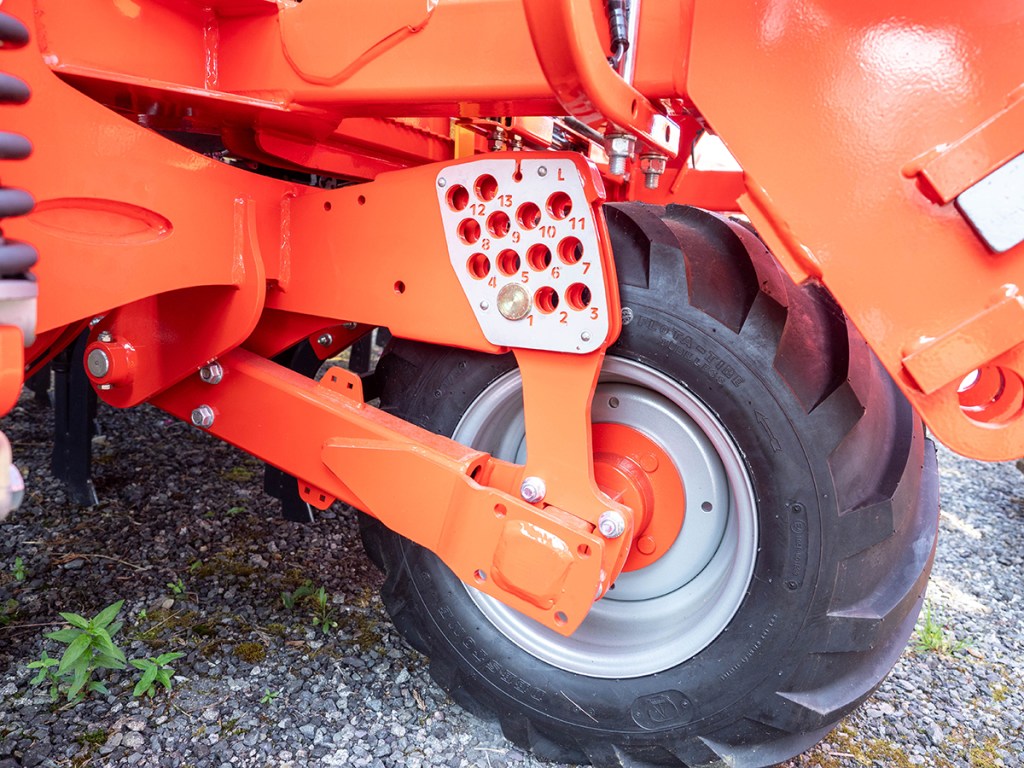
Tine wear
Pretty obvious but do not overlook the cost of fitting new tines, including the covering harrows. Third party tines are available but do a costing against OEM originals before assuming they will be cheaper. Tungsten carbide tips last well.
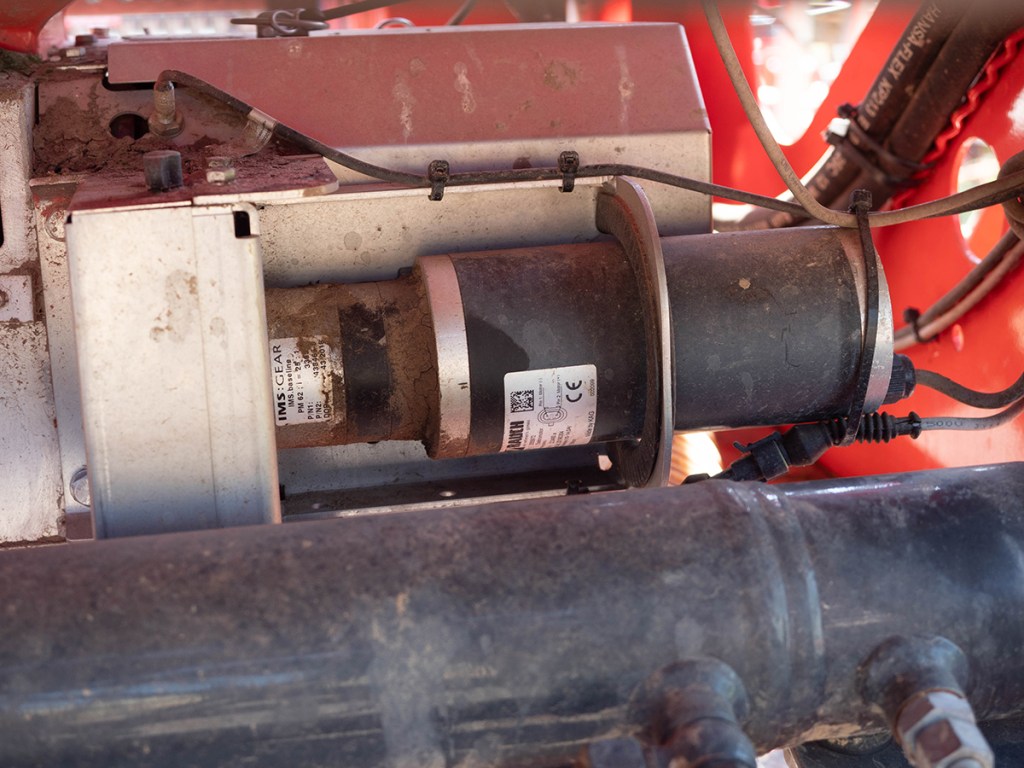
Metering unit
Not a lot to go wrong here but the electric drive motor may need a check on a drill that has done a lot of work. If buying privately, a simple test is to run through the calibration procedure. If the motor gets overly warm it may need looking over. The metring unit itself is not known for problems and is claimed to handle application rates from as low as 1kg/ha through to a claimed
430kg/ha with seeds from rape through to beans with a dedicated bean kit.
Control terminals
Most first generation used buys are likely to come with a Quantron S-2 control box. If possible, hook it up to the drill and connect to a tractor to check basic functionality. Later 602R drills do not come with a controller as standard as most use the tractor’s ISO system. A VT 30 terminal is an option.
Summary
No reason to labour the point. A Megant drill is simple, able to handle a broad range of seeds, be easy to look after and even the oldest models are well supported with
spares. The caveat is that these are a light drill suited to working into well-prepared min tilled land. They can also direct drill but possibly not the best contender for fast working heavy land behind an overly powerful tractor.
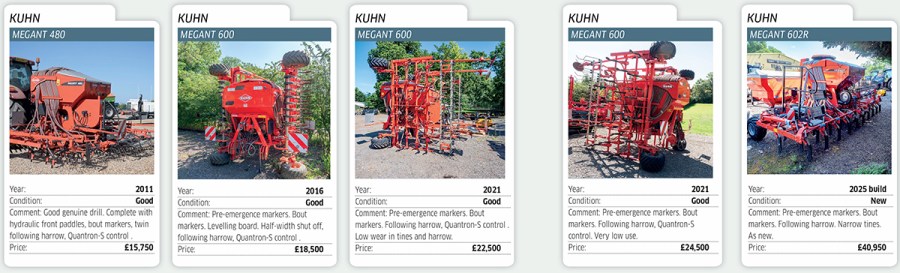
Used Megant prices will vary widely dependent upon condition and working width, with 6.0m models now most sought after. An entry level 4.80m Megant 480 is likely to sell for around £12K from a dealer if it is in good shape, private buys hovering around £10k for a similar drill. Wider 6.0m Megant 600 drills may start from £18,000 from but prices will of course vary according to age, condition and spec. Later Megant 600 drills can sell for £25k plus. Megant 602R drills typical sell from upwards of £30K. from a dealer, with later Megant 602R drills starting from perhaps £25k.
With grateful thanks to Turney Agriculture, Middleton Stoney, Oxfordshire, AMTEC Machinery, Gaydon, Warwickshire and Kuhn UK.
James de Havilland
For more up-to-date farming news click here and subscribe now to profi and save.