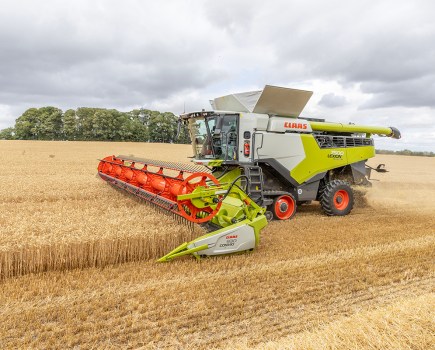

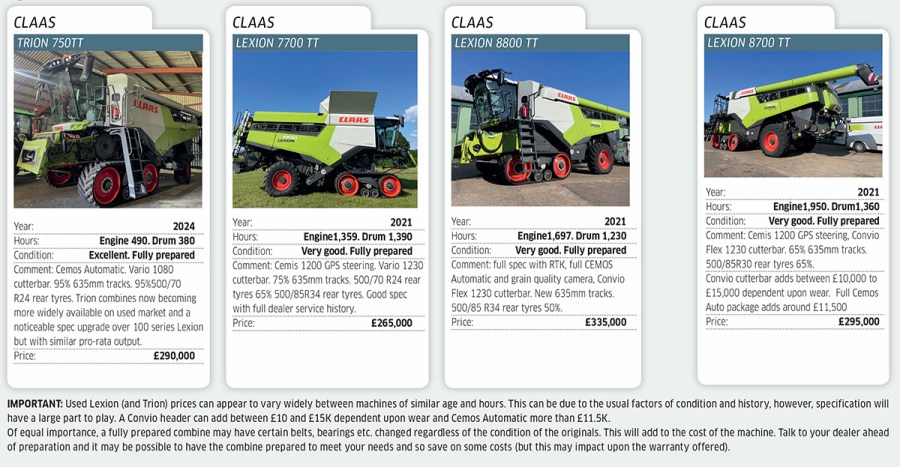
If you home in on a Claas Lexion hybrid as your next used combine choice, take a deep breath. When we last looked at buying a Lexion 700 back in 2017, matters were relatively straightforward. Fast forward to 2026, and the narrow body Lexion 7000 (and wide body 8000) are rather different to their predecessors. Add a broader range of header types, the wide adoption of tracks plus numerous other options and the points to consider may be more involved than you might think.
Sit down and look at the number of new Claas Lexion combine models available on the current UK and Irish market. By the time you consider output, header size and type, tank capacity, tracks versus tyres, guidance, yield monitoring systems and the potential choices can appear mind numbing. Factor in a near decade of Lexion combine development into the mix and selecting the right used Lexion 7000 or 8000 for your business can take time. Which is why it pays to look ahead. What is more, the more popular Lexion models are likely to have a customer lined up before they reach the used retail market.
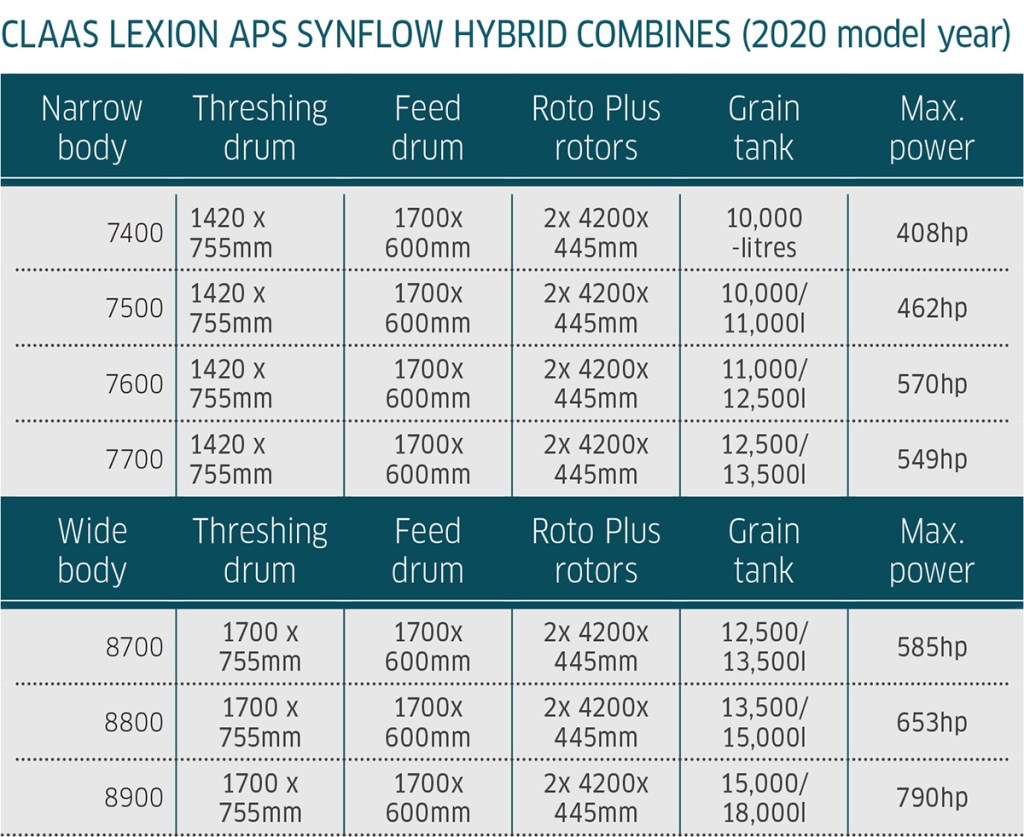
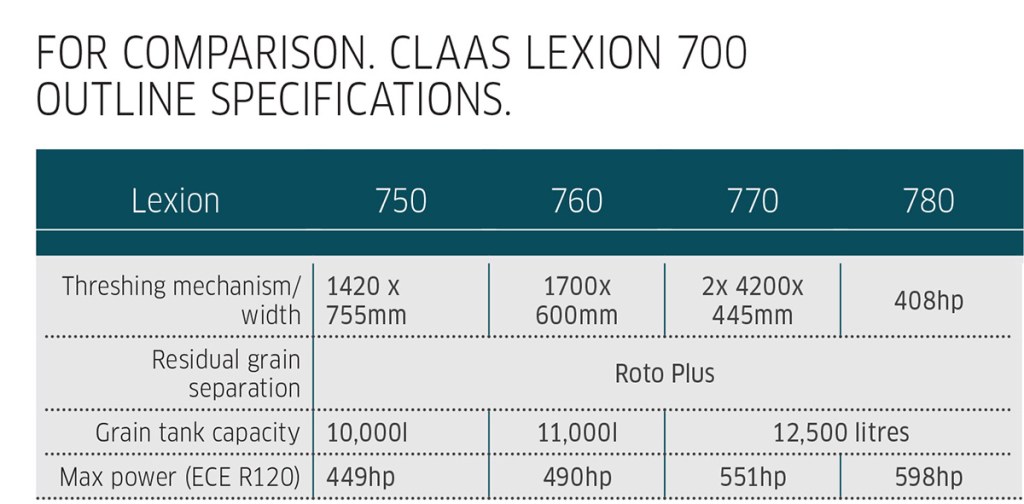
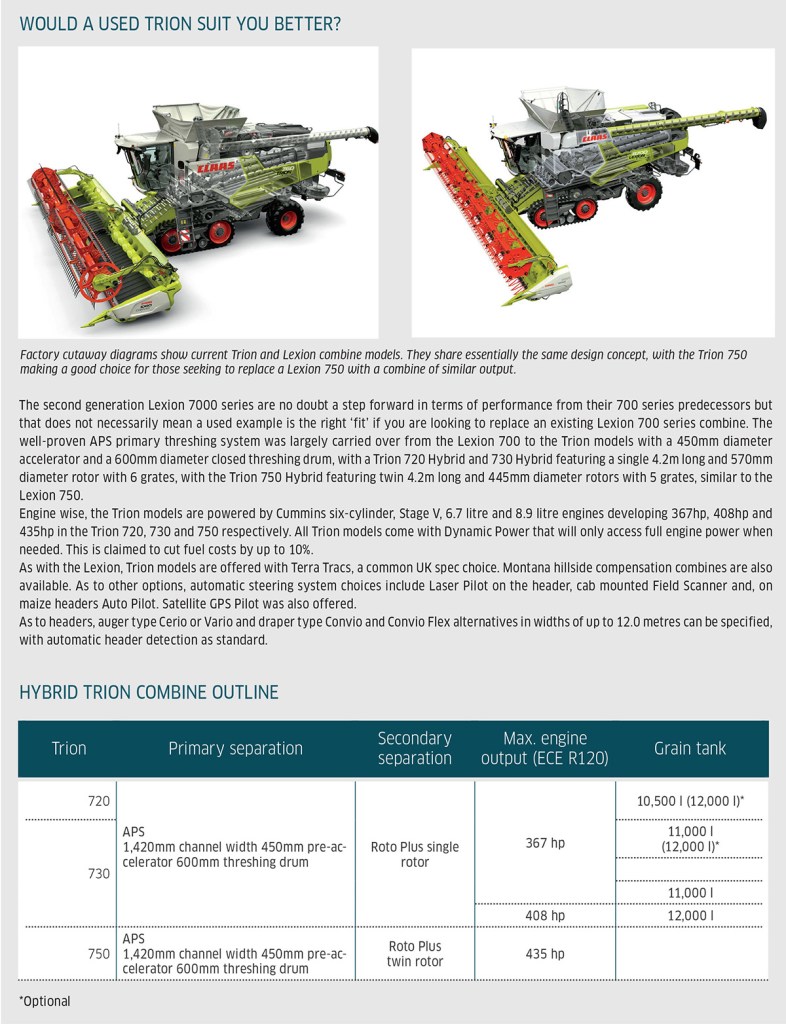
The Lexion range moved from the hybrid 700 series to the ‘second generation’ 7000/8000 APS Synflow Hybrid models from 2019 for the 2020 season. Although on paper it would seem the narrow body Lexion 740, 750 and 760 models were replaced by the Lexion 7400, 7500, 7600 and 7700, the newer models are not like for like in terms of capacity. Around 66% of the ‘hardware’ of a 7000/8000 series is different to the previous 700 combine generation. If you are after a more ‘direct’ Lexion 700 model replacement, particularly at the lower capacity end, a combine from the Trion range may a better fit. An example? A Lexion 750 can readily be replaced with a Trion 750 whereas a Lexion 7500 is likely to deliver in the order 10% greater capacity than either of those. The first Trions hit the market in 2021, so used models are starting to dribble onto the used market.
Long way of saying just adding a zero to the Lexion model number will not be a useful guide to past and current model capacities. At the other end of the performance scale, a wide body 770 and higher capacity 780 are most likely to have been replaced by a model from the wide body 8000 series. Of the latter, the 585hp Lexion 8700 has proven a key seller in the UK. The range topping 790hp Lexion 8900 will be a rare used find. Back in 2019 it was claimed to be the world’s most powerful production combine.
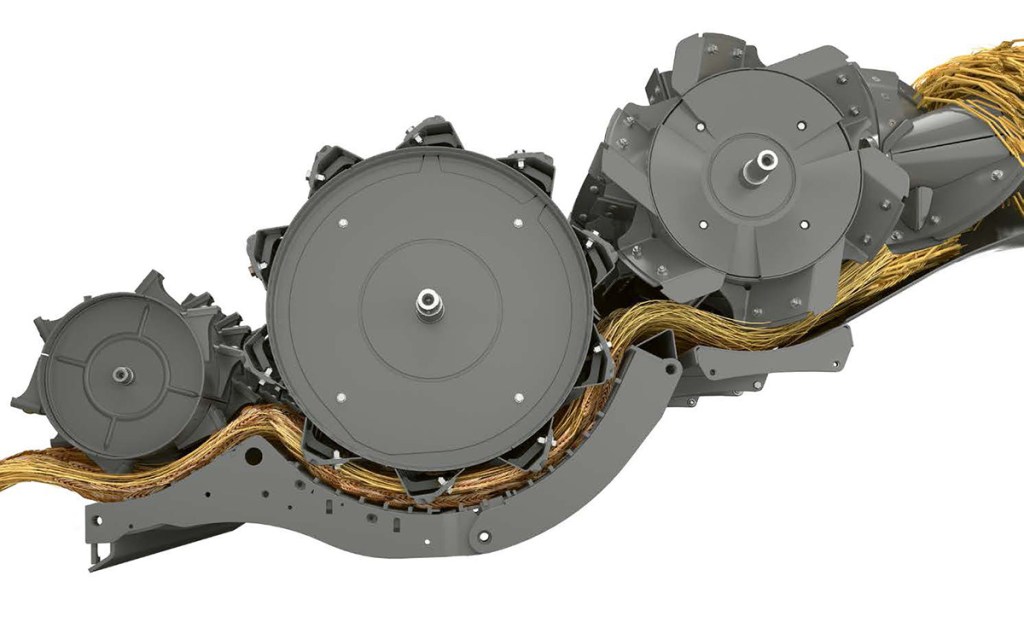
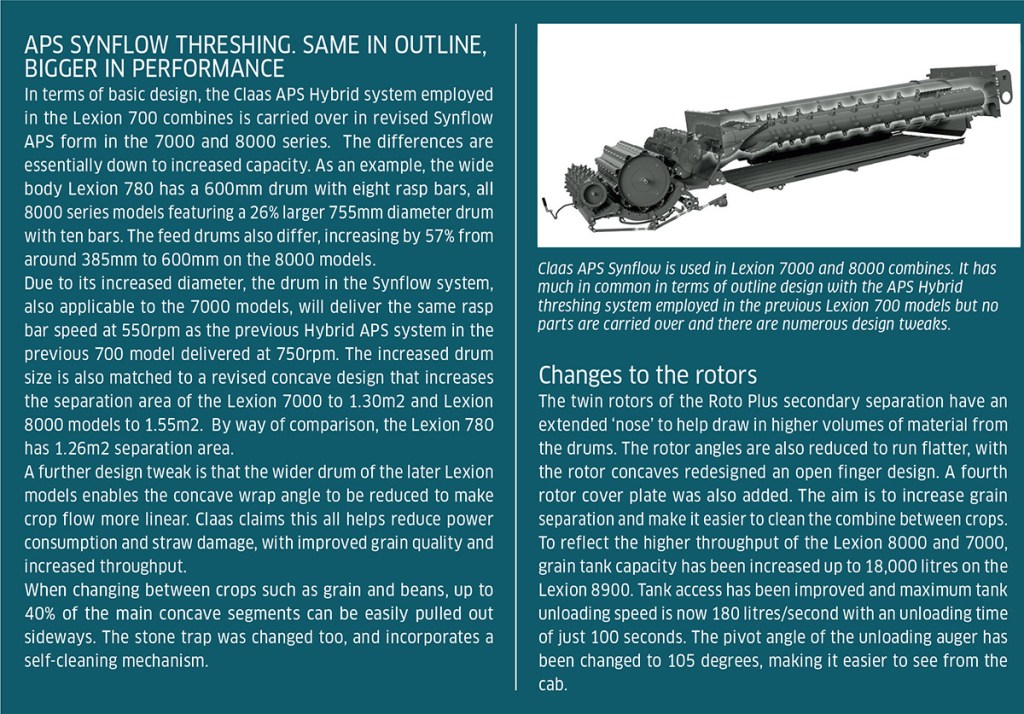
The heart of the Lexion hybrid 700 combines was APS ‘Accelerated Pre-Separation’ threshing. Lexion 7000 and 8000 models use a development on this system, the APS Synflow {See separate panel}. When combined with other changes that includes more powerful engines, bigger grain tanks, larger concaves, greater separation control, a revised drive system and faster unloading, pro-rata outputs of these second generation Lexion models are, as previously mentioned, increased.
Larger cabs, advanced automation
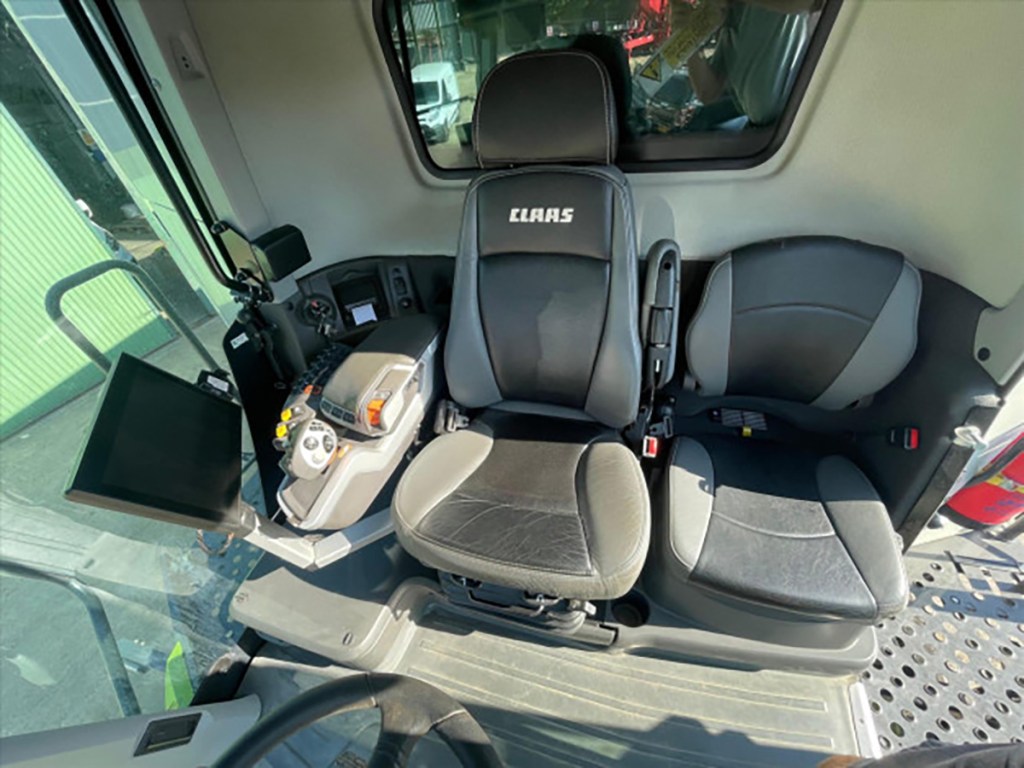
Operators jumping from a Lexion 700 combine and into the cab of a 7000 or 8000 series will notice cab of the newer models does feel more spacious, the seat moving back just that much more to boost legroom. Fire up the engine, and in-cab noise levels and general refinement benefit from improved sound proofing, with a better view into the grain tank.
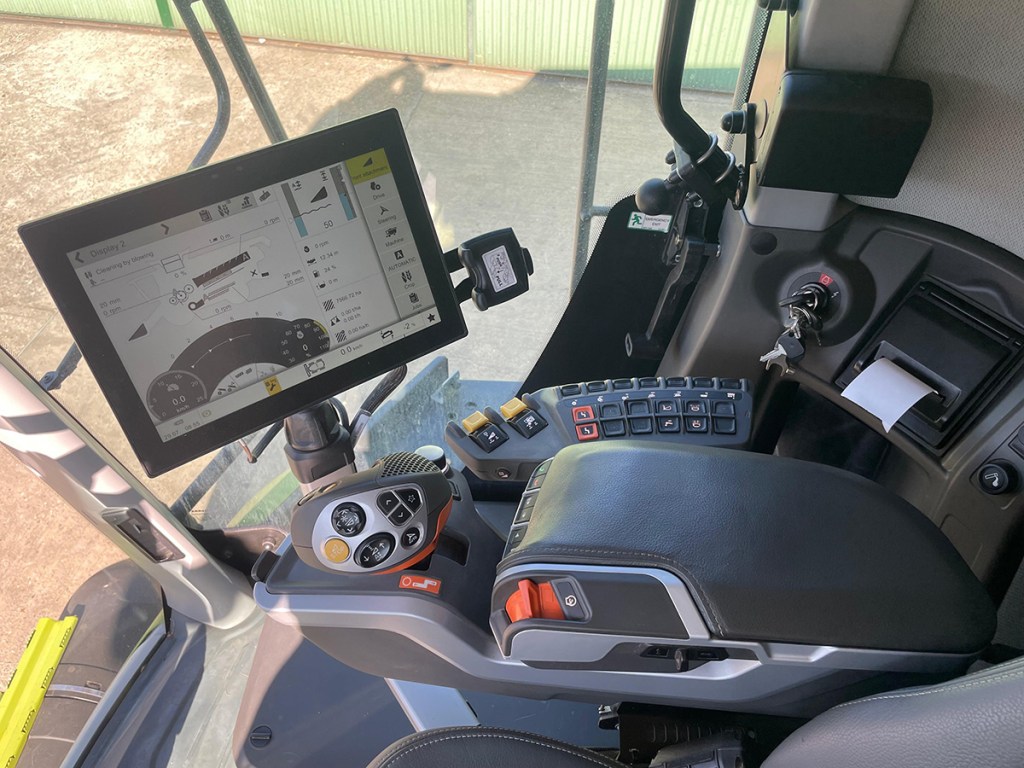
All key functions are controlled using the familiar Cmotion control, with updates to include a favourites management system linked to a revised Cebis touchscreen terminal. The latter can be adjusted independent of the armrest or swung aside completely. The main machine settings can be set in three different ways:
- Using the Cebis Touchscreen
- Via a rotary push switch on the Cebis Control panel
- Using switches on the armrest
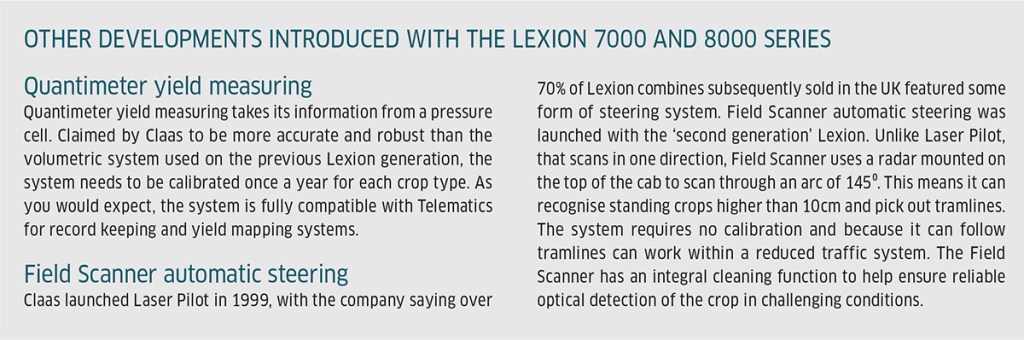
A popular option to look out for is Cemos Automatic. This essentially sets up the combine to suit specific crops and conditions automatically, with the selected settings showing on the Cebis Terminal. These core ‘base’ settings can be tweaked to match specific conditions, but most will just let the combine look after itself.
As a used buyer, it is well worth going through the way in which these later Lexion generations can be set up and operated. There is a lot to get to grips with. Automation took a noticeable step up from the previous Lexion 700.
More power less fuel?
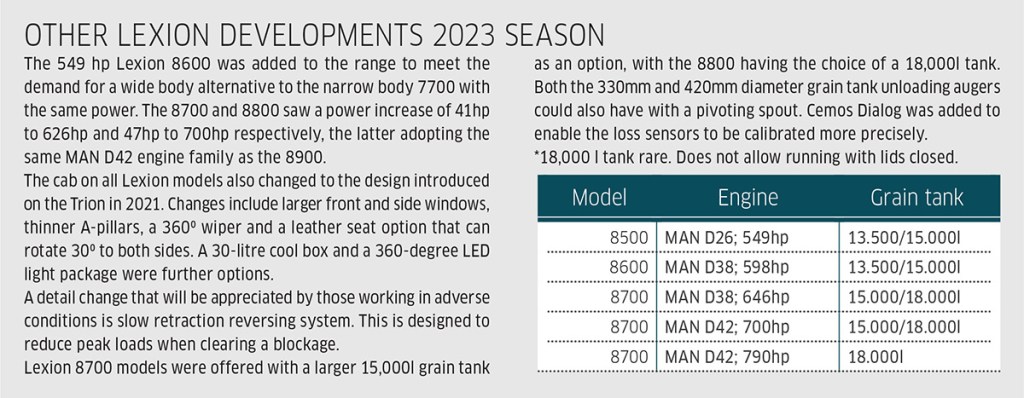
MAN or Mercedes-Benz power unit outputs range from 408hp on the Lexion 7400 to a 790hp for Lexion 8900 (2020 model year), a power span of nigh on 400hp. As a used buyer the more likely used finds will be between these extremes. The ‘headline’ power of a particular model is more a guide to its potential output than how much of that energy is actually used in work.
This is due to all models featuring intelligent engine management that automatically adjusts engine power output relative to load. This is not new but it is fair to say this element of Lexion design has advanced considerably over the past decade and is a key to optimising fuel use.
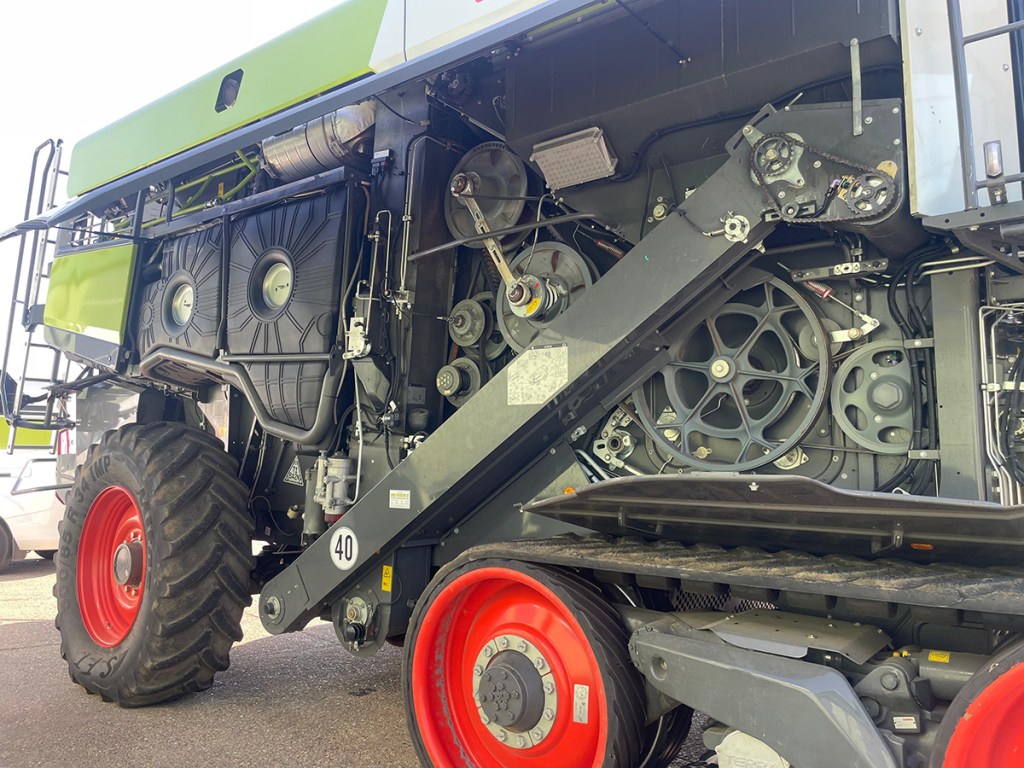
The drive system is also completely revised when compared to the 700 series, with a different clutch system to engage and tension the belts to improve belt life and the drive line has been straightened to reduce power loss. Pro-rata fuel consumption to per tonne of crop should be improved.
Transport speed, wheels and tracks
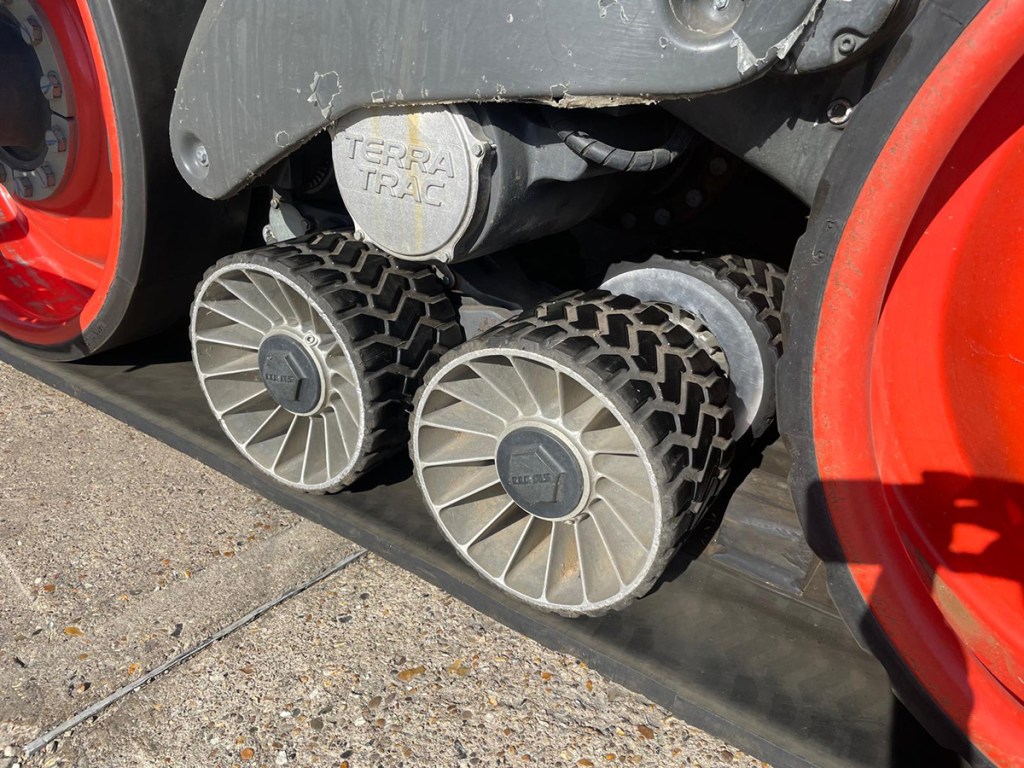
Lexion 8000/7000 models on wheels or now more popular Terra Tracs can reach transport speeds of up to 40km/hr. A point to note is that wheeled models in the UK are likely to be fitted with a front axle differential lock.
Changes out the way, what should you look for?
An obvious starting point is size and performance. As previously outlined, a ‘narrow body’ Lexion 7000 series combine will have a noticeable performance hike over a Lexion 750, with the wide body Lexion 8000 series seeing a further ramp up in performance. As outlined in our previous used buying article on the Lexion 700 (profi 02/2017) there is a lot to consider before you even start looking for a used buy. This has not changed, nor has the advice to start looking as soon as you can for a combine for the coming season.
Next up is sourcing a used buy. To suggest you should only consider buying from a Claas franchised dealer is a bit of a cop out, it is still fair to suggest you are more likely to find a model you are after and with its all-important service history from a franchised outlet. This is not to suggest other sources, such as an auction buy, are to be avoided but more that you really do need to know what you are up to if you go down that buying route.
A Claas dealer will prepare a used buy to a high standard, replacing certain bearings, belts and other service items as a matter of course. This will enable them to offer some form of warranty with a much-reduced risk to them of there being a problem in the field. The downside is you will pay a premium for a fully dealer prepared buy. Do check, incidentally, if the dealer can offer alternatives to full preparation. You may not cover an area that would demand certain items are renewed as ‘insurance’ against failure in service. Talk your needs through with a dealer before a combine is prepared and you may be able to save some money (but you may lose out on a harvest service warranty).
Another point is combine set up. If you are moving from an earlier Lexion model to a more recent 7000 or 8000 you will benefit from some cab time in ensuring developments to guidance and automated set up systems are explained. A Claas dealer will help with set up.
When new, the bulk of Lexion models will have been purchased on a finance scheme typically with a service package and possibly extended warranty as paid for extras. This should mean a used buy coming in from a fully financed package will have been looked after but still check. The service packs on offer can vary, with most tailored to suit customer demands.
It is also worth noting many a used buy will now have in excess seven harvests behind it, with a high tonnage of crop pass through the machine. The past couple of harvests have been kind to combines in some regions, with ‘easy’ harvest conditions reducing wear and tear. Remember, however, that previous harvests may have been more challenging. Take your time to really look the combine over and ask questions if you spot something you think needs attention.
Start with the basics
Normal used combine basics still apply, but it is easy to forget them when presented with what looks to be the ideal machine. Here are some reminders.
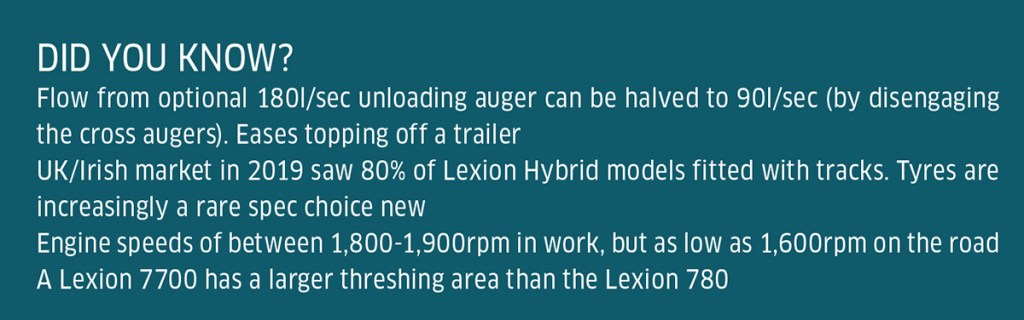
- The amount of material that has passed through the machine that will give an idea of how much work it has done. A combine that has over 40,000 tonnes of grain through it will obviously be more worn than one with similar engine hours but less crop handling.
- Despite the above, a lower tonnage figure may be misleading. The nature of the harvested crop will have a bearing upon how hard it has worked. Has the combine harvested just cereals or a mix to include peas and beans?
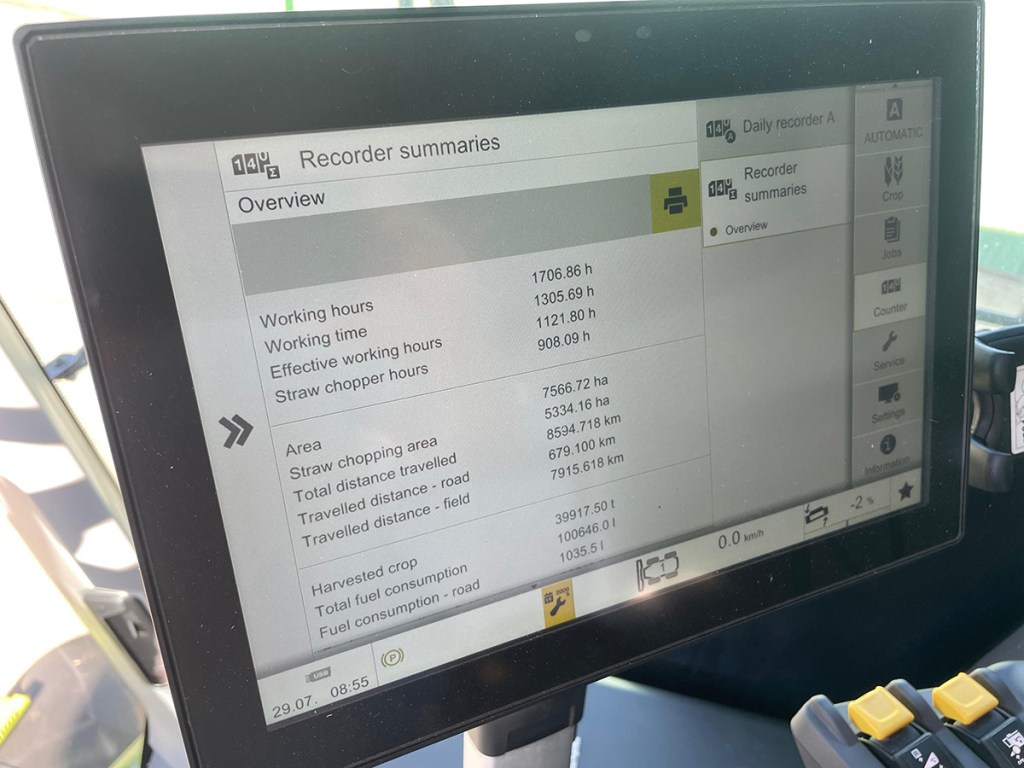
- Service and usage history. This is easier to check on a used buy by running through the combines menus
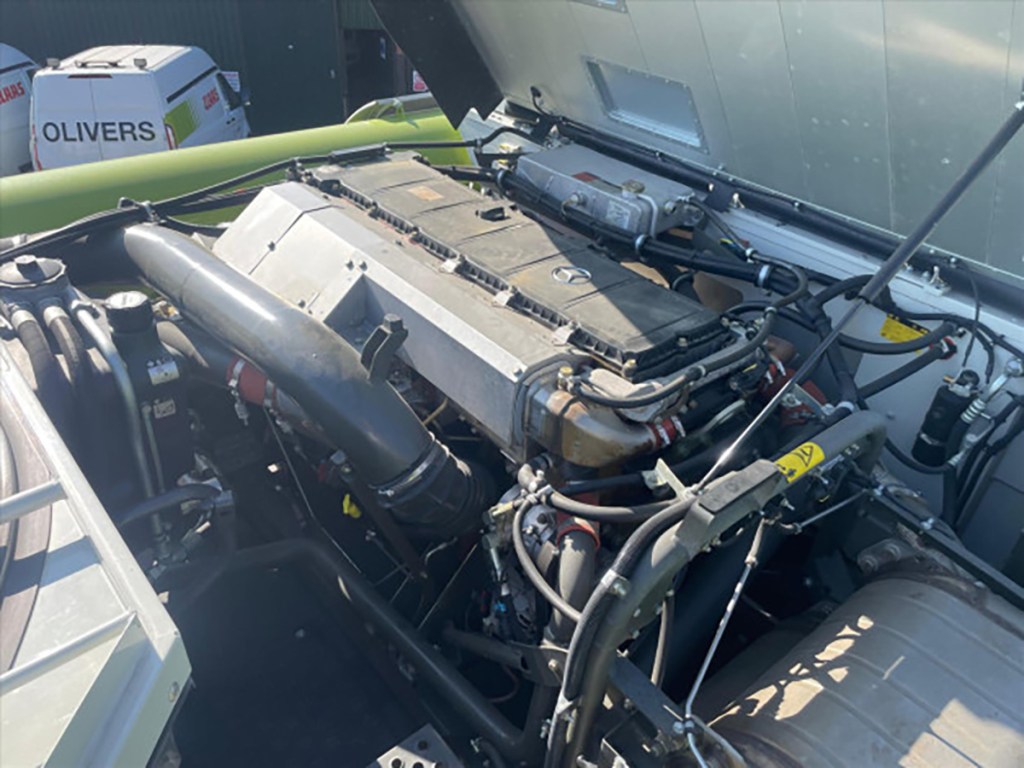
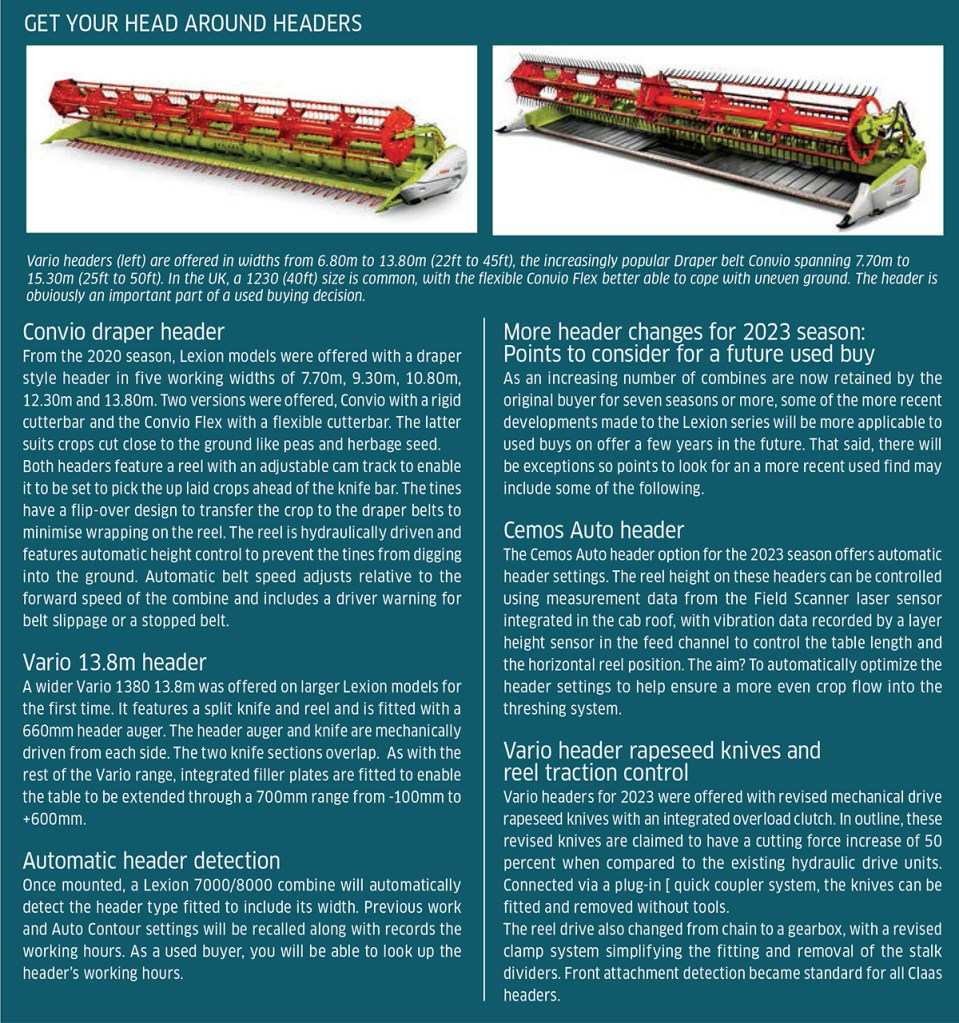
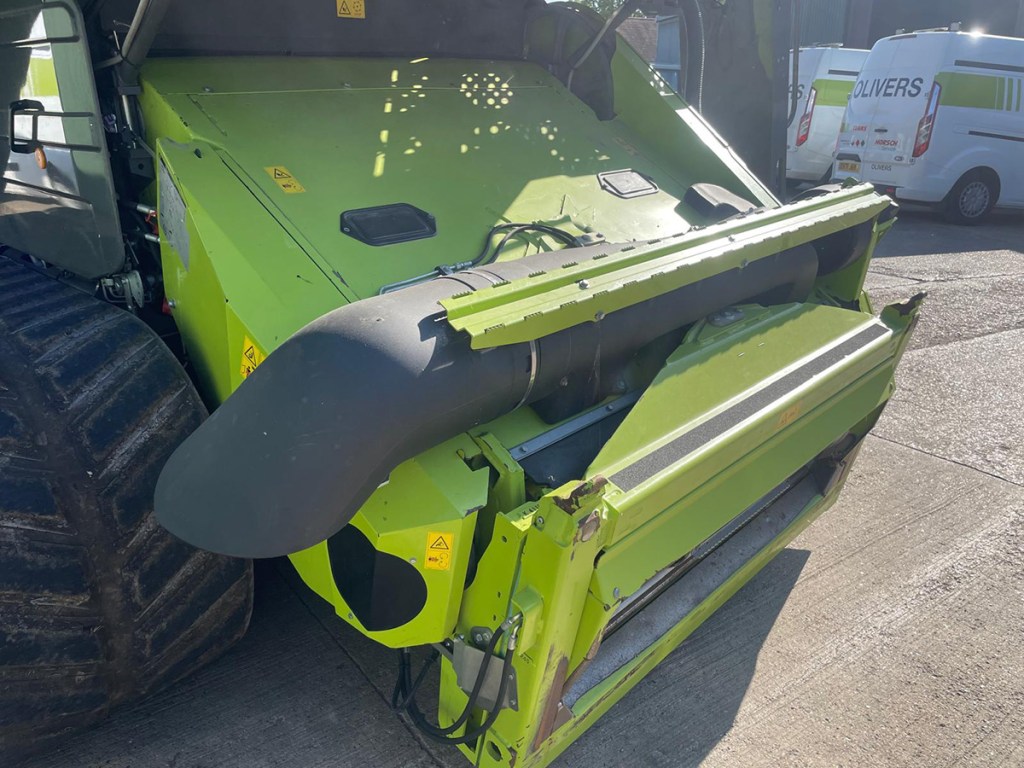
As to closer inspection, a dealer prepared machine should present in good order. If you look the machine over in much the same way you would when setting it up for work, then that is a good start. Start from the header and work back; don’t forget to look over its trailer too. Damage repairs can cost a lot more than you think. Wear in the cutterbar, reel and auger are of course to be expected so be realistic. If you are concerned that the header is more worn than you expect, ask questions or look at another machine. Do not forget to look at the spare knife.
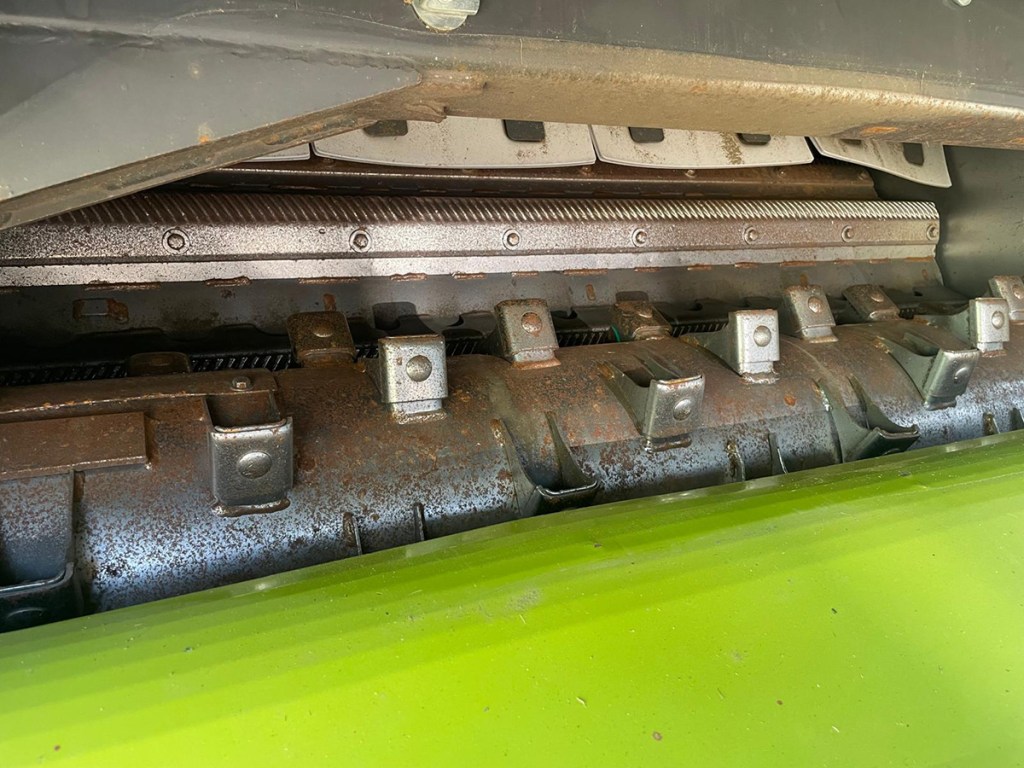
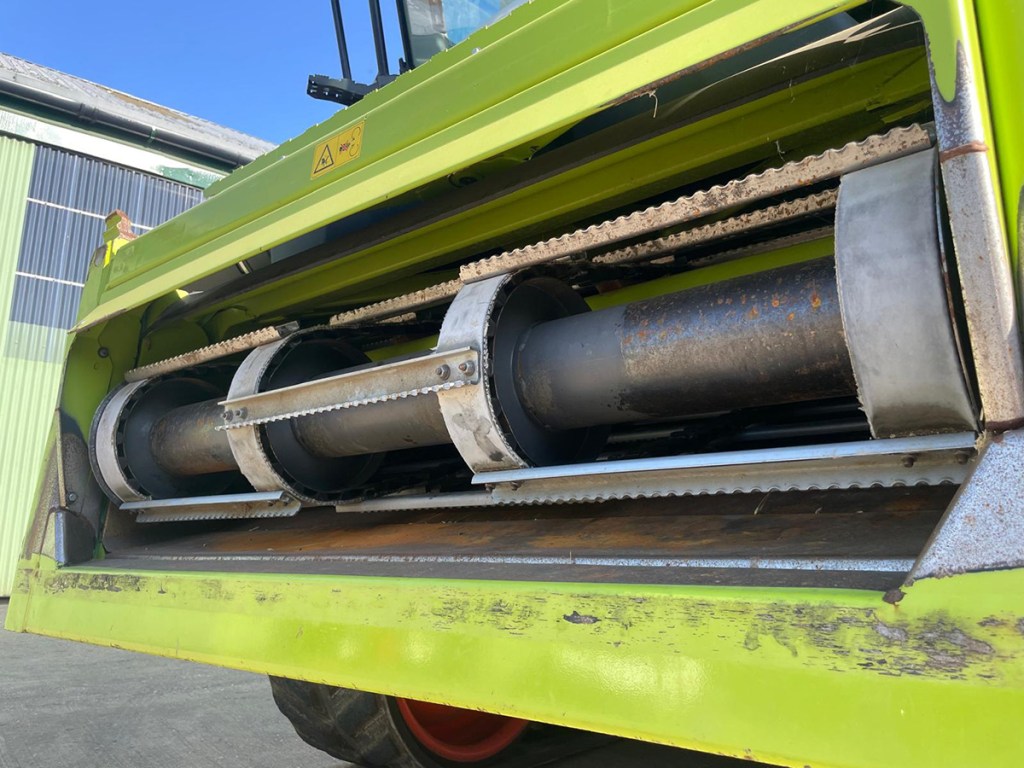
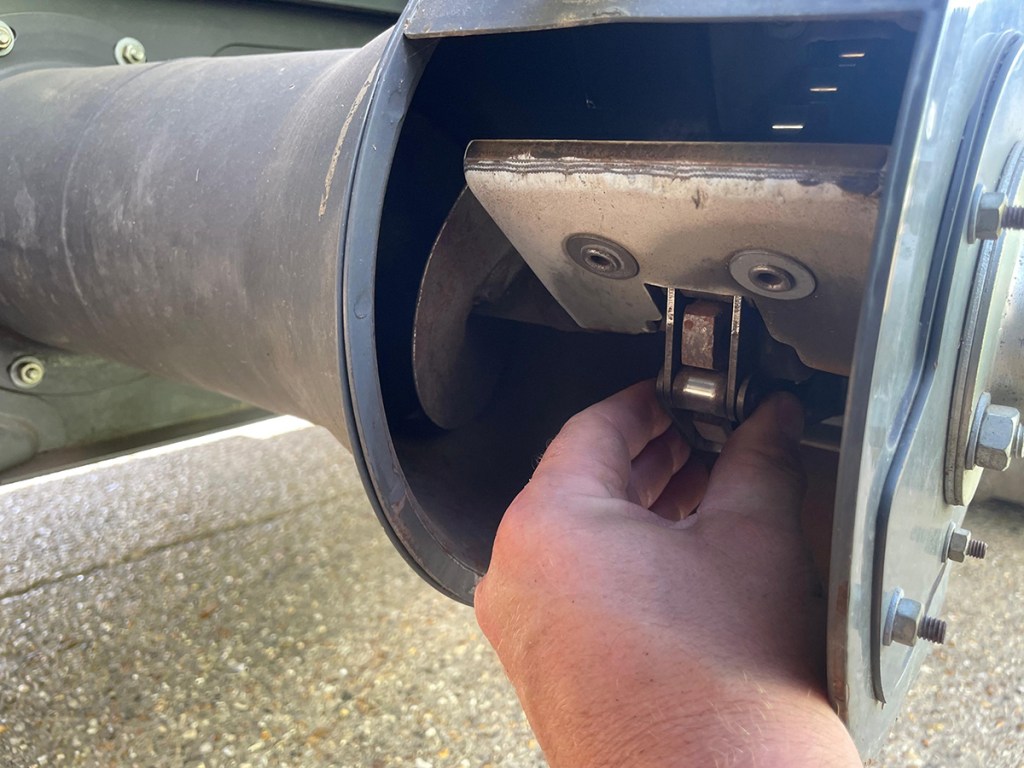
Moving to the front elevator, chain (or belt) and slats can suffer physical wear and damage, with the same applying to the drums at the start of the threshing system. The longitudinal rotors will need the odd panel removed to take a closer look.
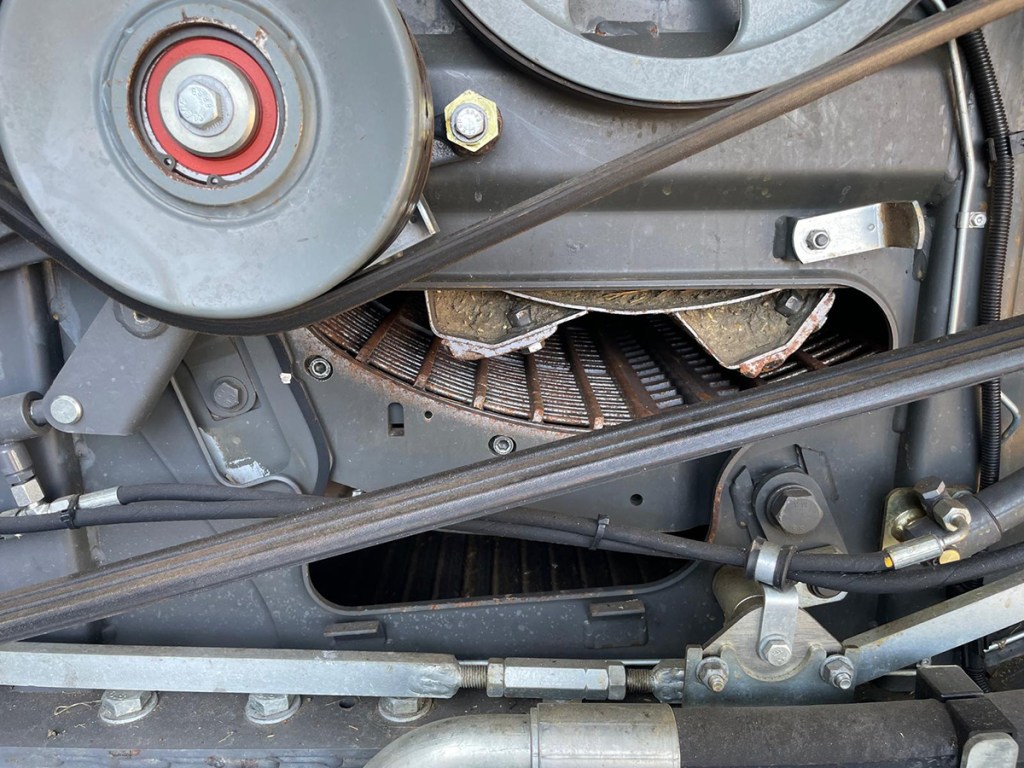
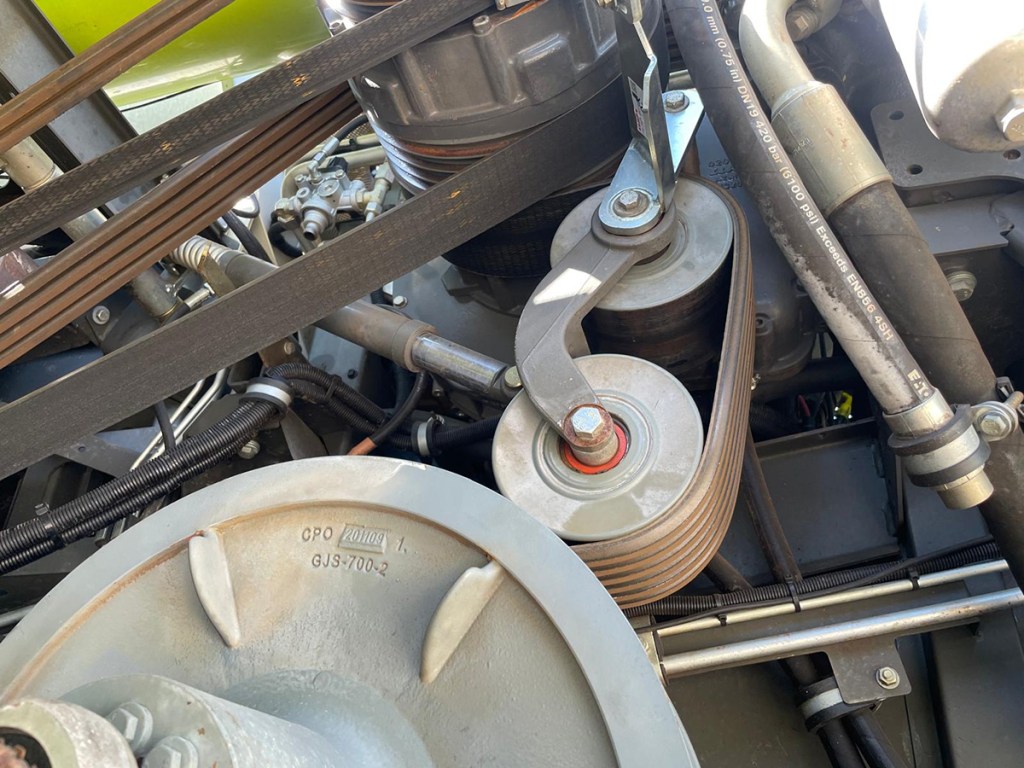
You can also check all belts and pulley surfaces and spend time inspecting the sieves and straw chopper.
In the cab, take time to work through all key functions and scroll though the screen menu. A dealer prepared combine should be clean, serviced and ready to go. It is down to you to look for wear and tear and ask questions (see photo captions for a few more key checks on pages 32-33).
What should you pay?
Used combine prices have hardened in line with new prices having seen steep increases. To some extent, a sticker price is a guide to what you may have to pay if buying on finance. The bottom line is to think ahead and to the cost to change from your used buy some three to five seasons down the line.
Summary
Buying a used combine is harder than specifying a new machine for a whole host of reasons to include matching the machine to your needs and investing in a machine that has the right balance of saving over new to future residual values. Further, dealers may have access to new machine finance packages. These make it important to compare new and used offers side by side. Buying used may offer the savings up front but what about actual running costs to include servicing and maintenance?
Back to the more obvious. The best time to investigate buying a used combine is well ahead of the coming season. Buying a combine takes lot of thought and represents a big investment. The job is eased if you allow time to really think through your options and tap into the advice a good dealer can offer.
With grateful thanks to William Helliwell of Claas dealers Oliver Agriculture Ltd, Luton and Claas UK
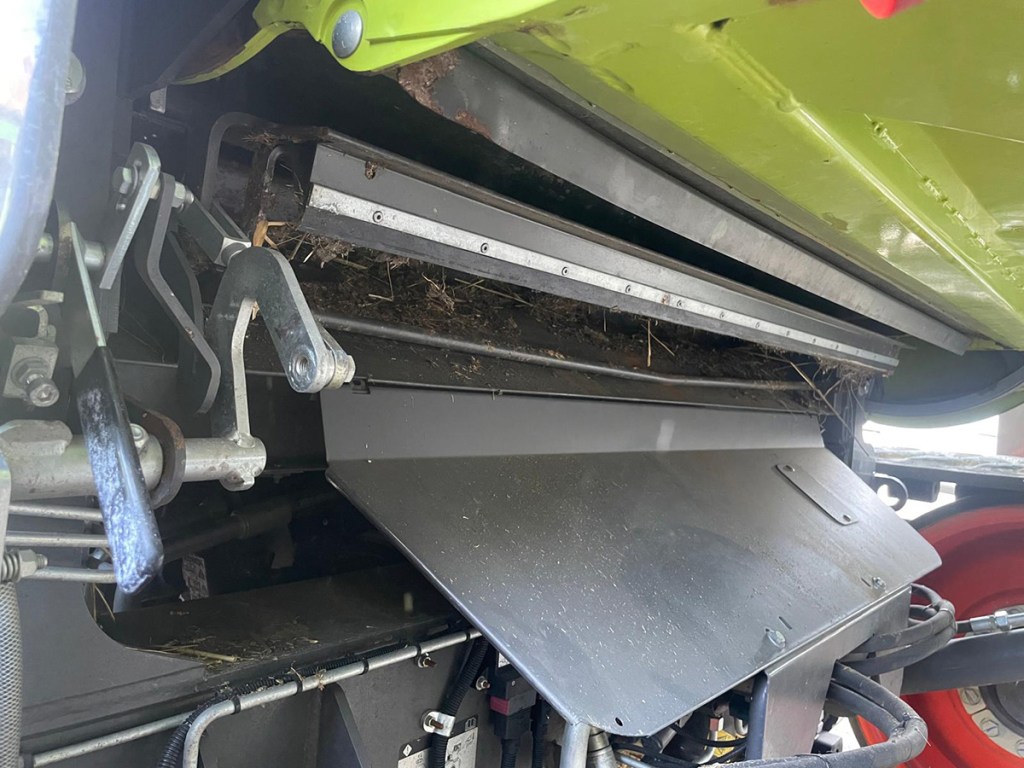
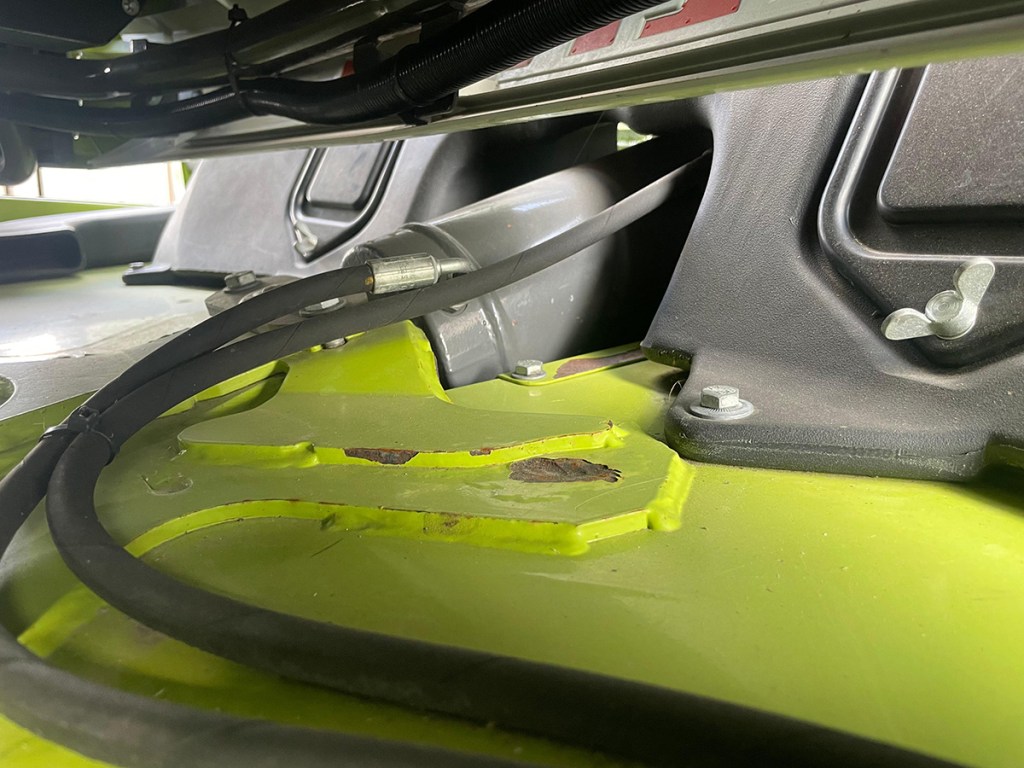
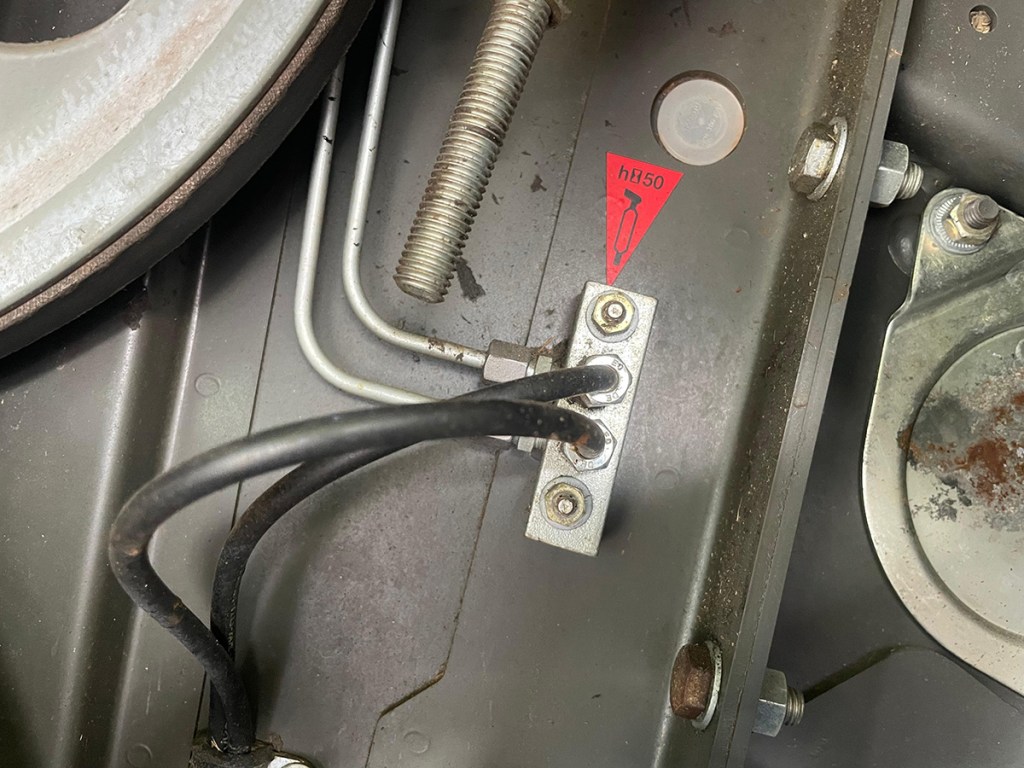
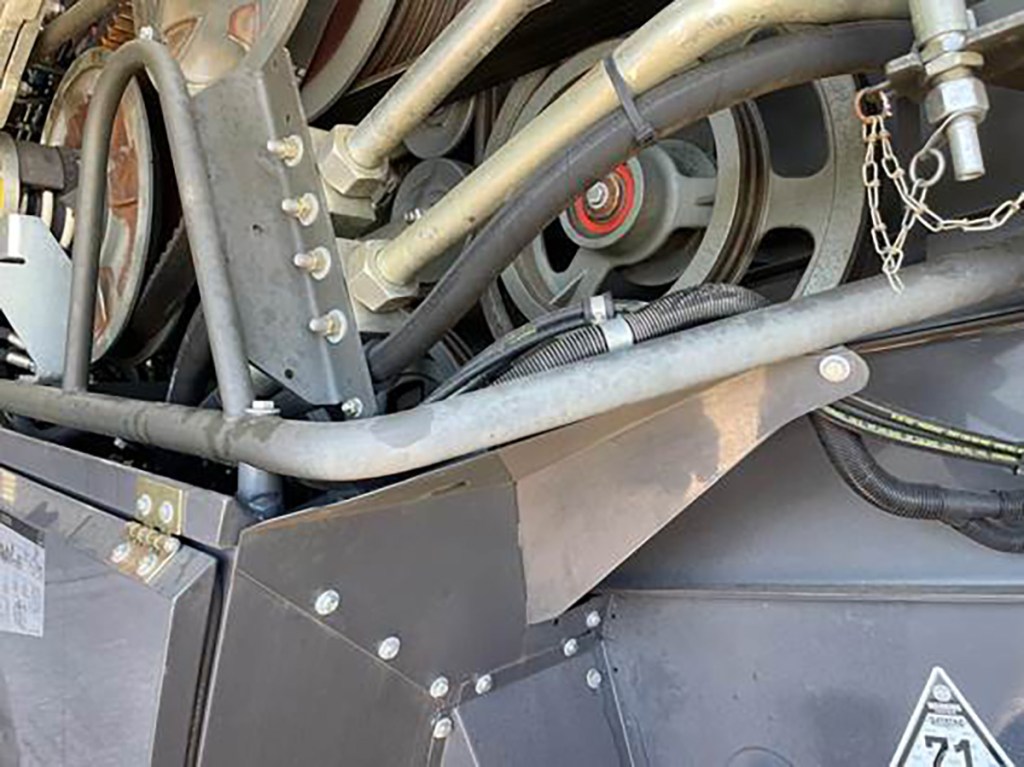
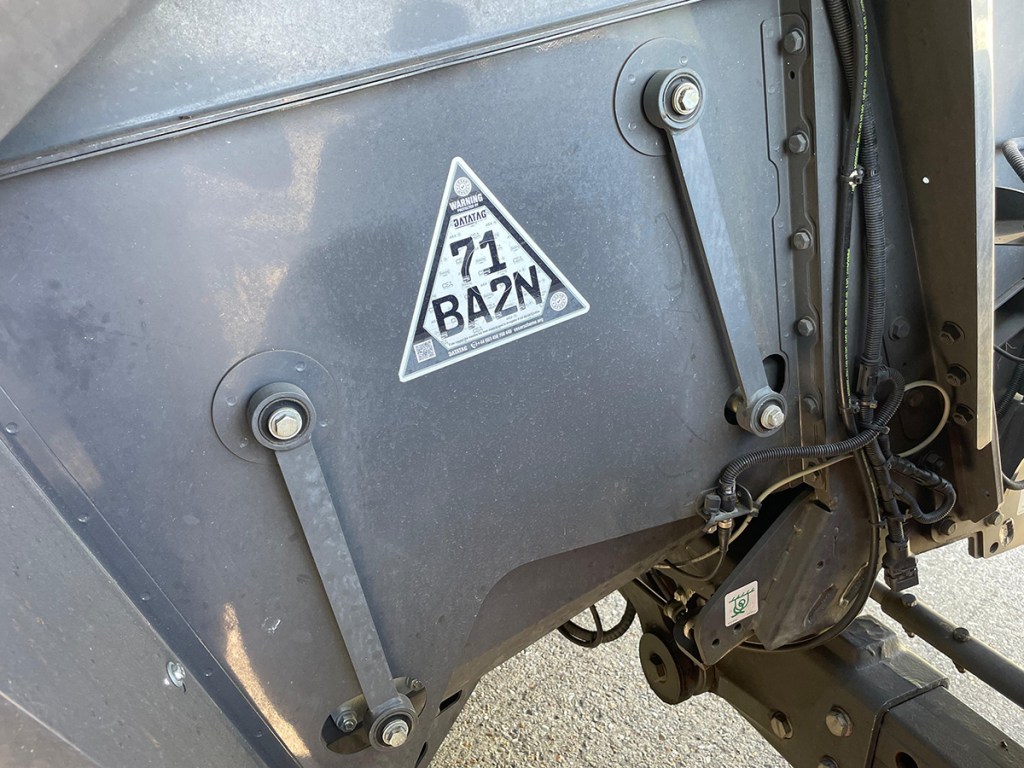
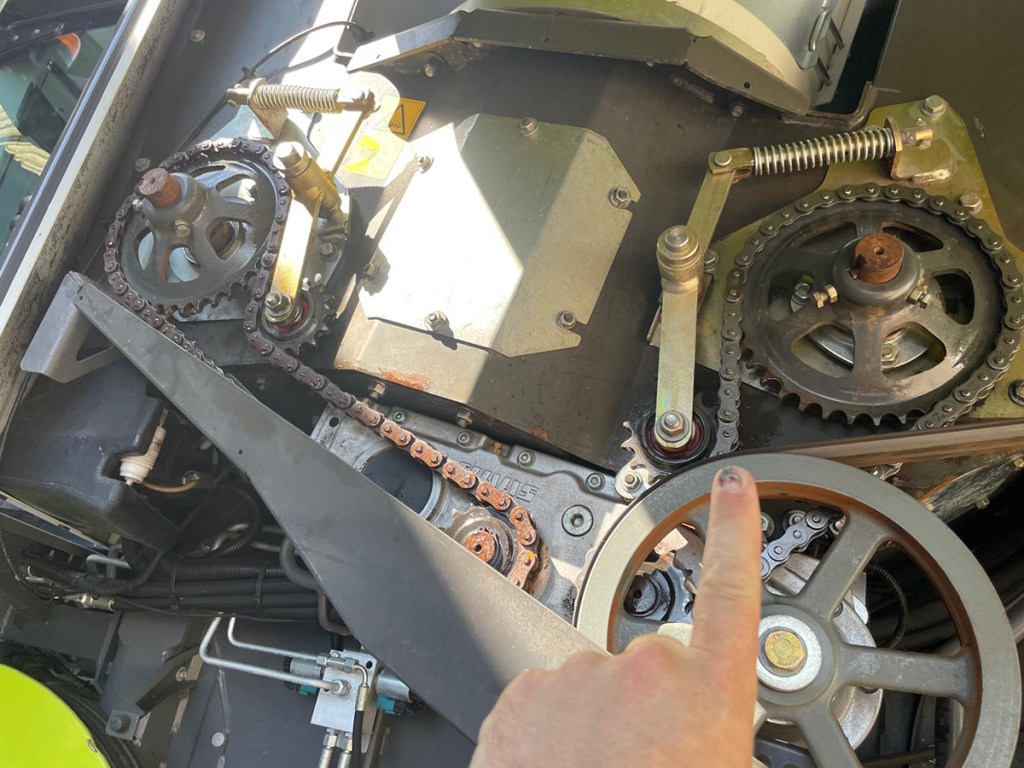
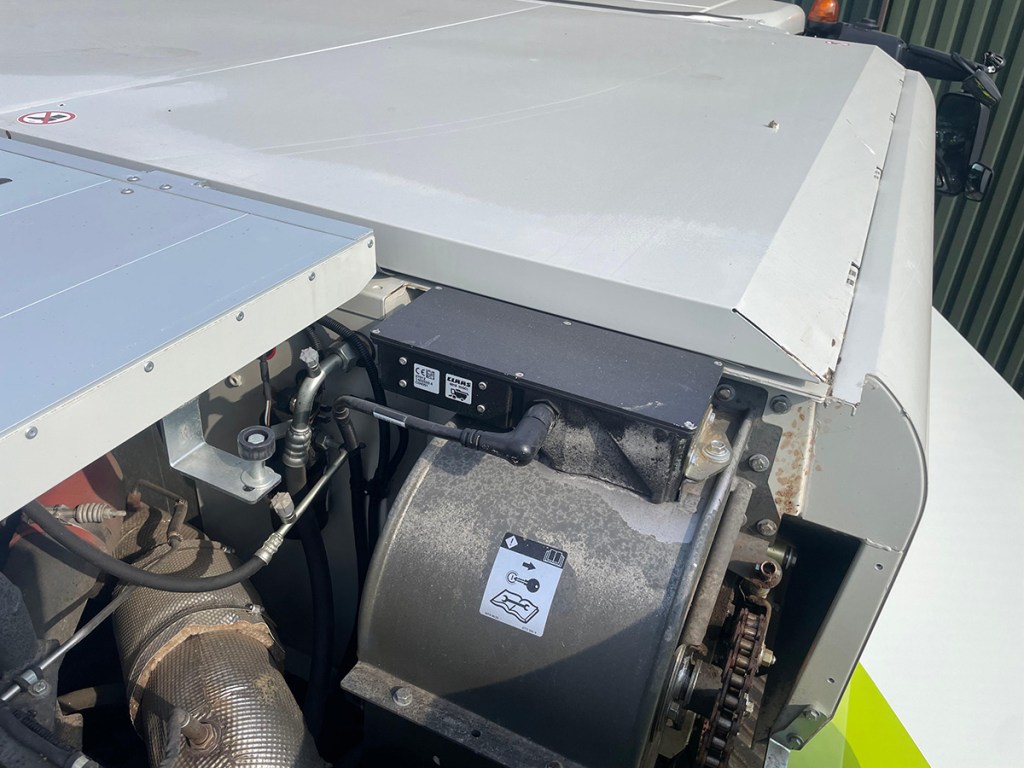
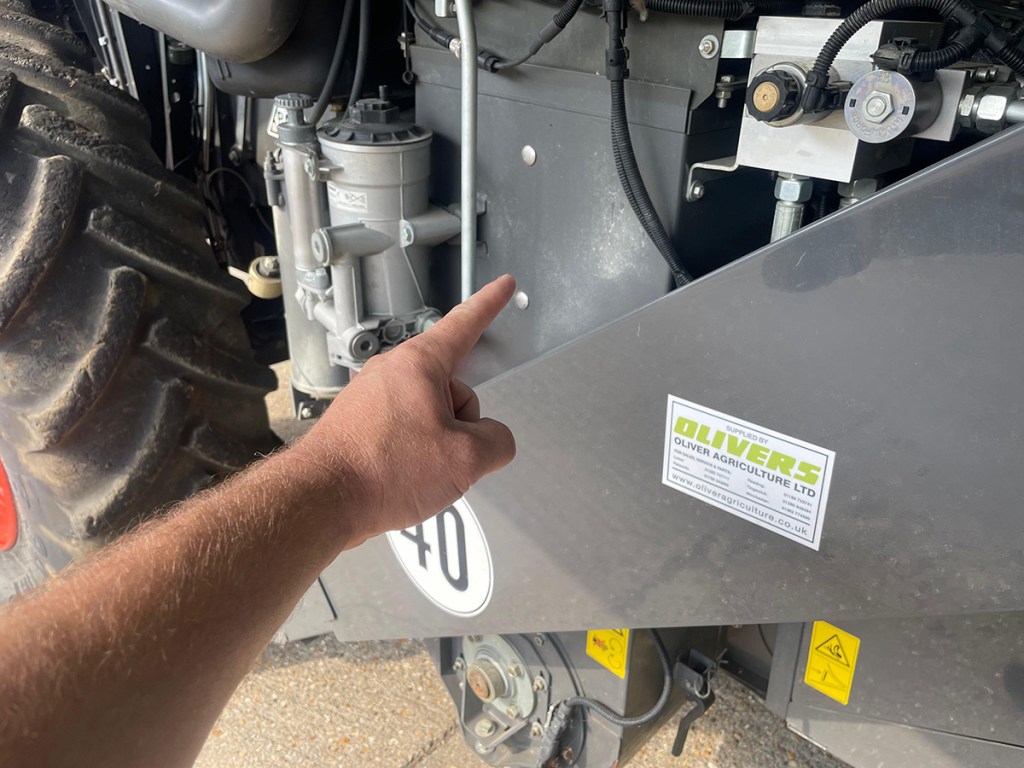
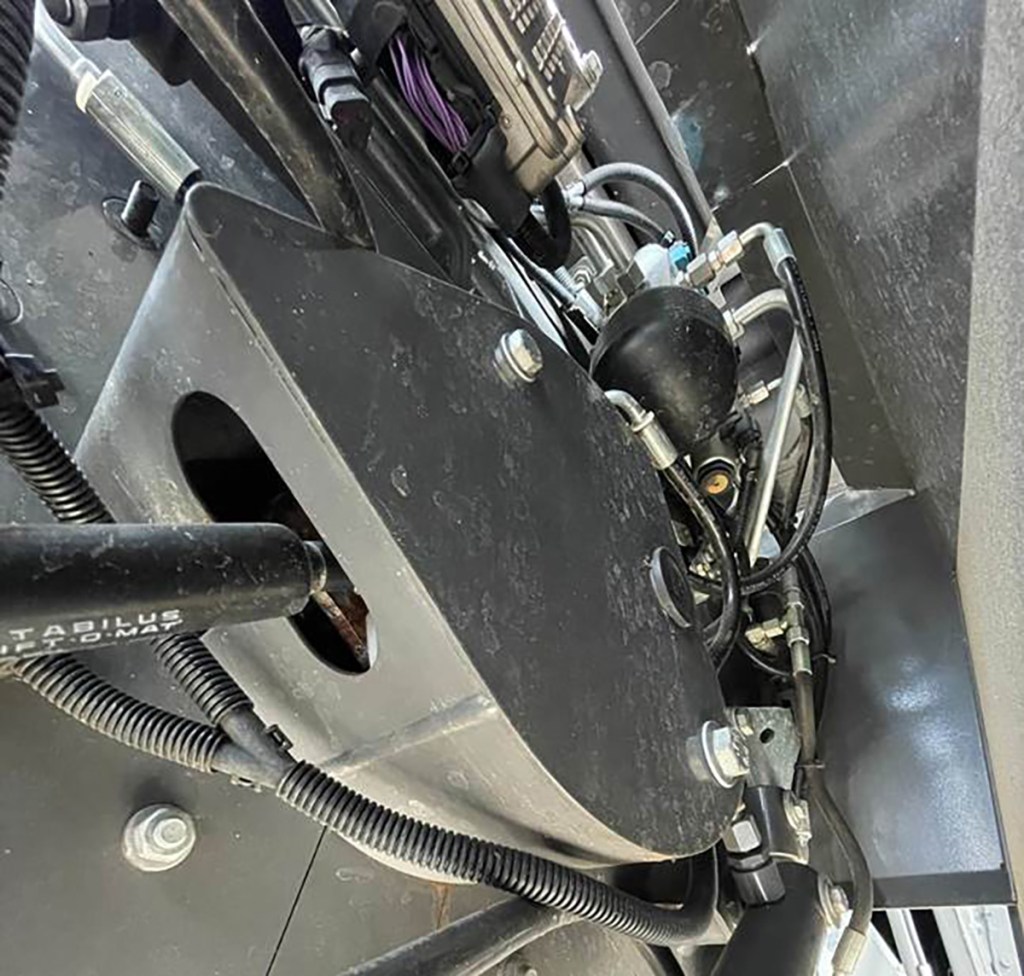
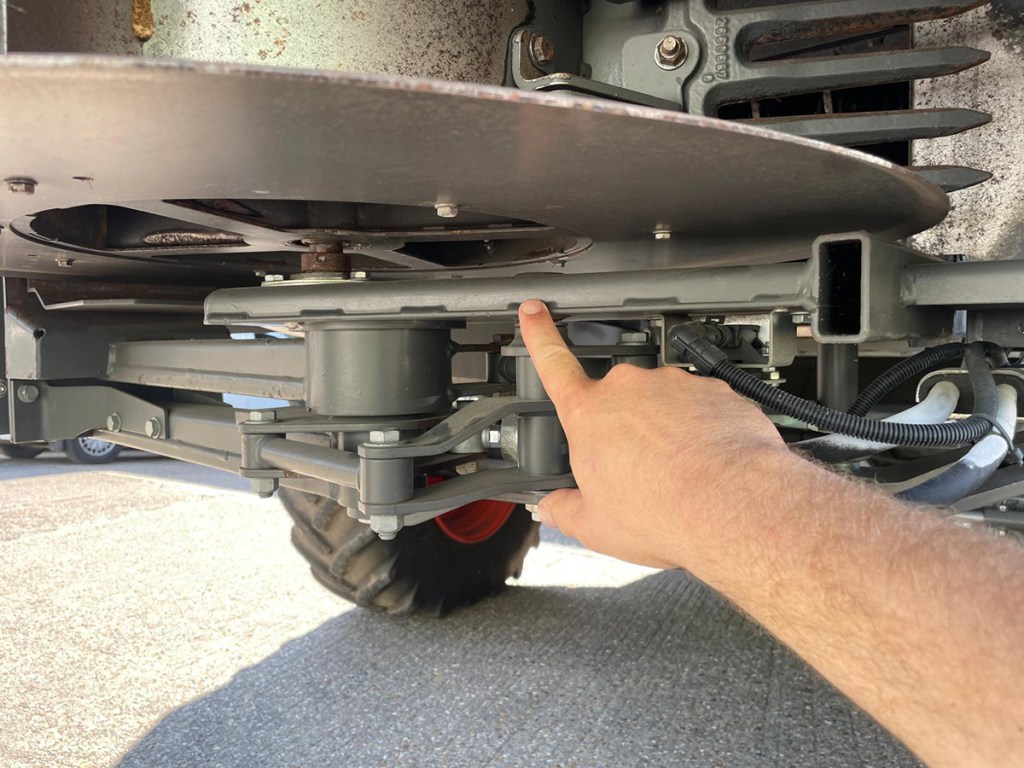
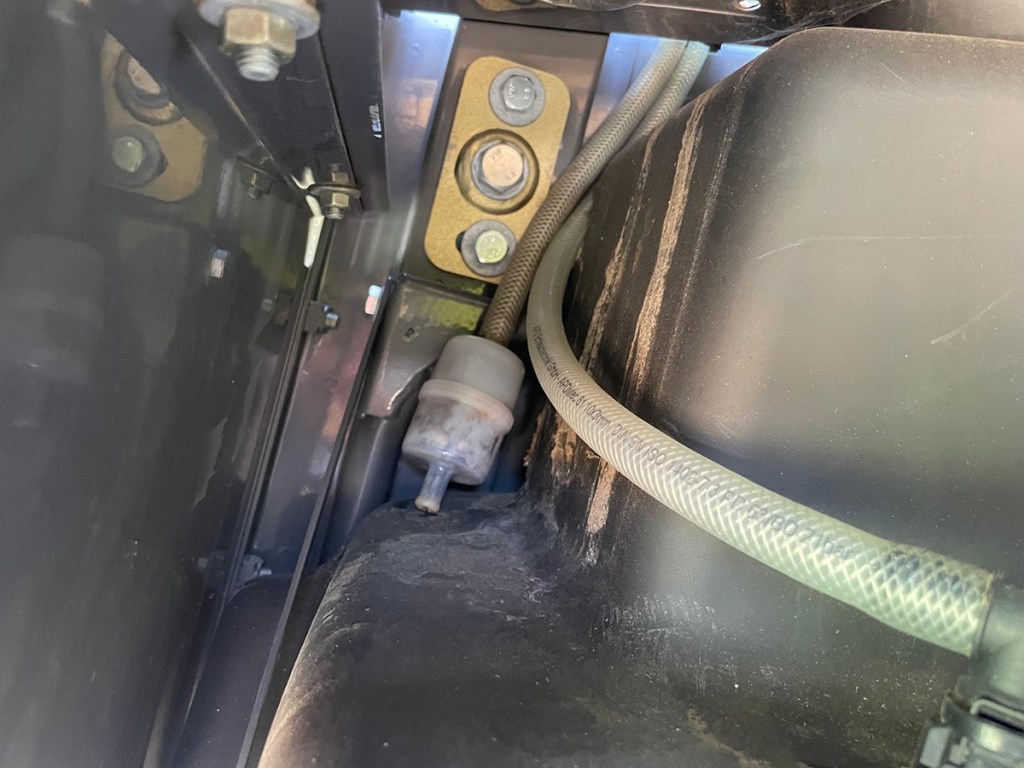
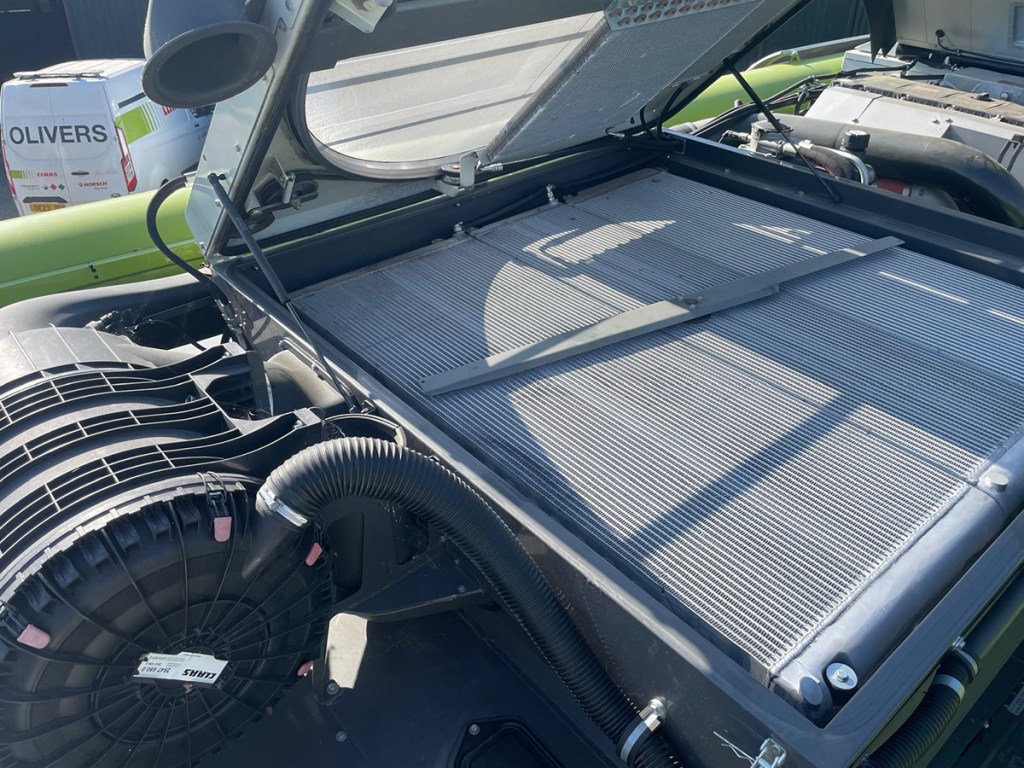
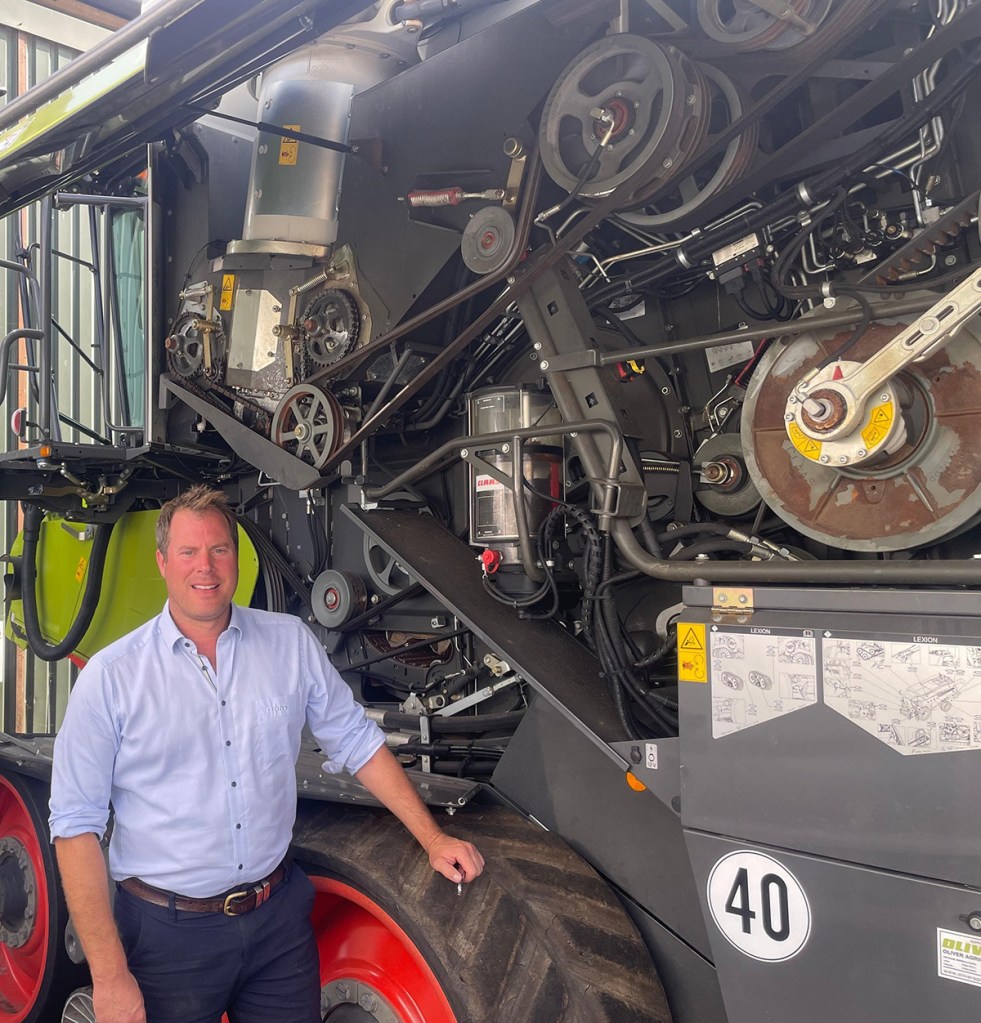
KEY CHECKS IN PICTURES
As with any machine, keeping on top of daily maintenance and cleanliness is key to keeping a combine in good working order. Claas 7000 and 8000 series combines are generally considered reliable but that is not the same as suggesting they can deliver without the same TLC that will benefit any make or model. The following pictures and captions are some of the key areas to check.

James de Havilland
For more up-to-date farming news click here and subscribe now to profi and save.