
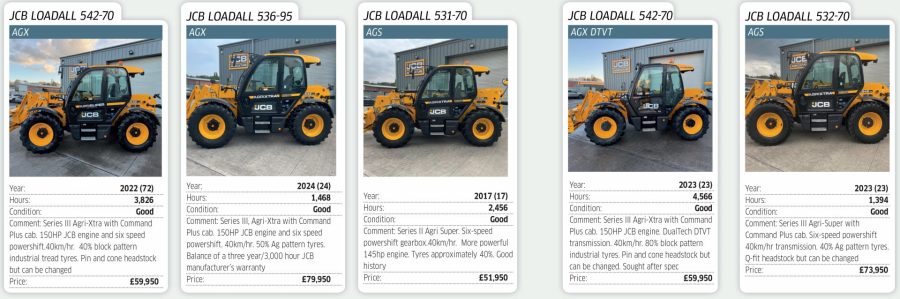
JCB launched its first 520 Loadall back in 1977, moving to side engine designs from 1997. Fast forward to 2019 , and JCB launched its Series III Loadall fitted with the Command Plus cab. Was this all that changed from the previous Series II models first introduced back in 2004?
Compare a late 2018 ‘Series II’ and 2019 Series III Loadall and the key difference is the later models benefit from a superior Command Plus cab. Simple. Re-read our used machinery article on 531 and 541 models (that were never officially labelled Series II) and apply it to the 532 and 542 Series III that replaced them in 2019, and you are good to go. Right? In broad outline yes. JCB’s Loadall design ‘template’ has not altered markedly since the first side-engine models were launched 1997. But JCB has made numerous power and performance changes, plus countless updates and refinements, so although the basics may be similar, safety, performance and operator comfort has evolved to meet both changes in regulations and end user expectations.
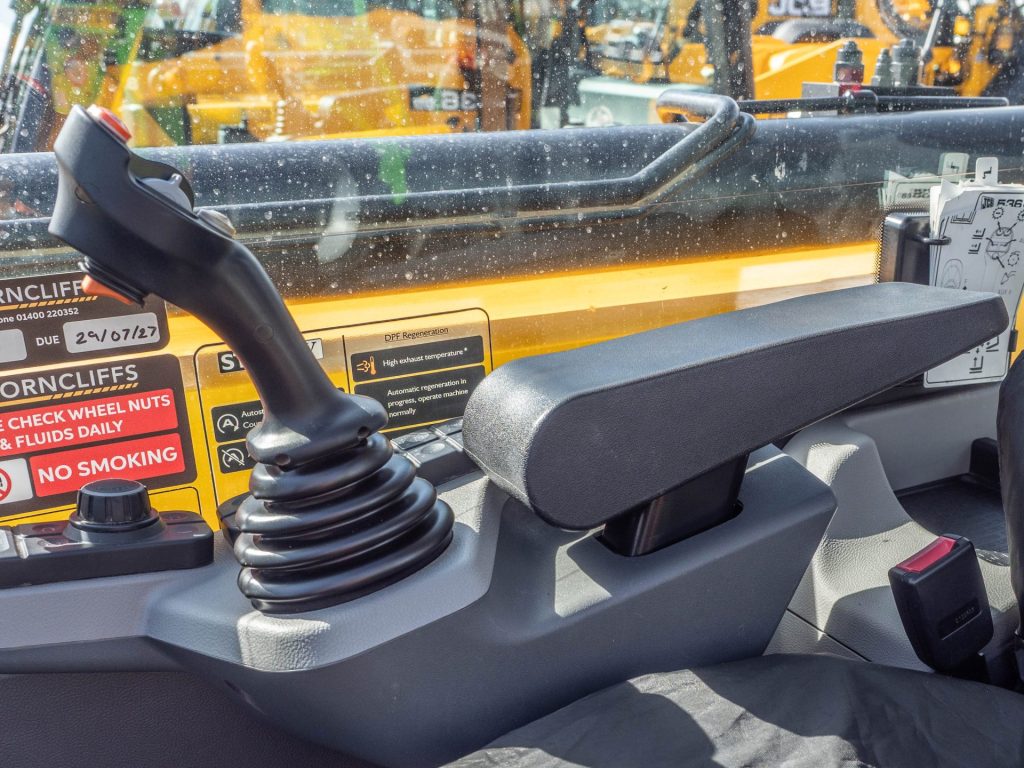
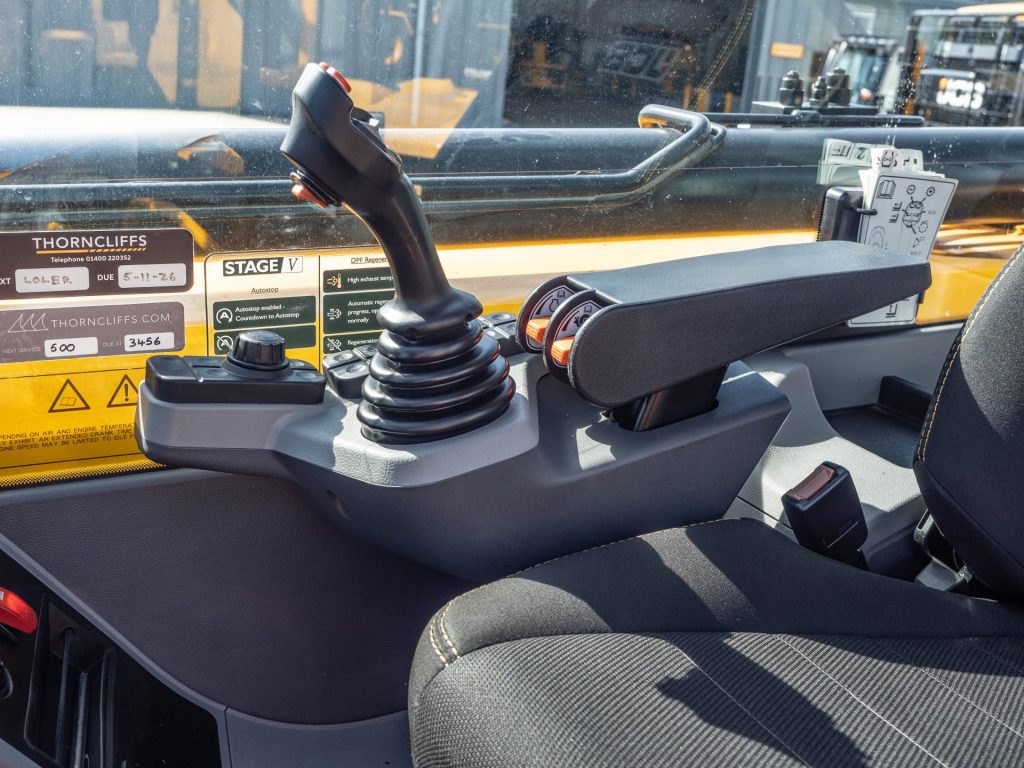
The key Series III development is the Command Plus cab. At launch, JCB suggested this new cab architecture was 50% quieter, offered more space for both operator and storage plus featuring a neater control layout than its predecessor. Step from an older Series II and into a Series III you will also notice another key development; improved overall visibility to the front thanks to a lower dash panel. The view of a load as it is raised is better too due to the widescreen curving in a single piece to the roof, with no cross member to get in the way (see panel for more on the Command Plus cab).
This Command Plus cab outline is the easy bit. Other Series III developments at launch included:
- New colour schemes with revised Loadall and JCB branding
- A 200kg increase in lift for the 6.0m 538-60, 7.0m 532-70, 7.0m 542-70 and the 9.5m 536-95
- Hydraulic front axle levelling as an option on some models
- In-cab and external AUX pressure relief for attachment change-over
- Models powered by the 81kW/109hp engine offered with 40km/hr TorqueLock 4 powershift transmission
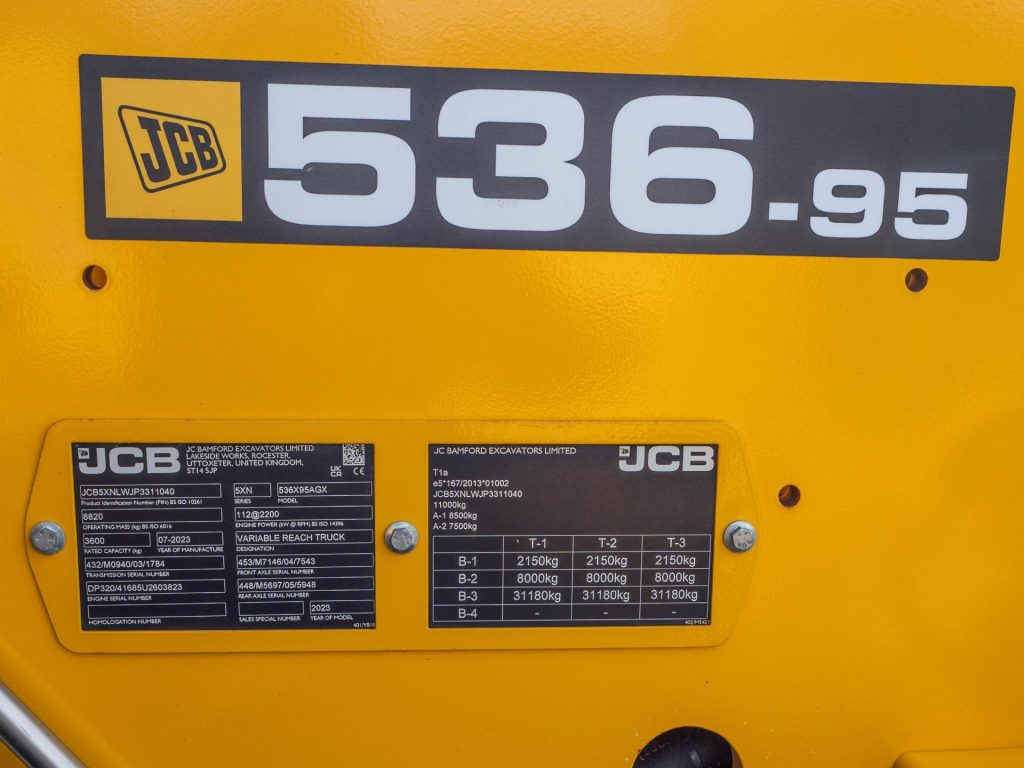
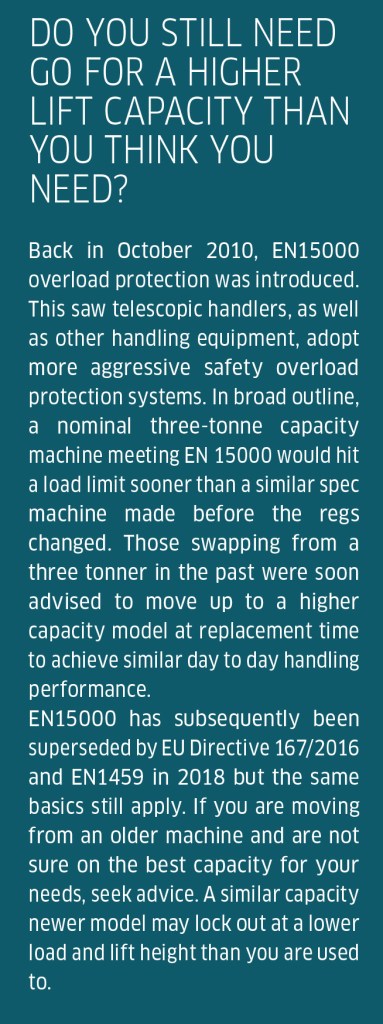
With reference to engines, the initial Stage IV units in the first Series III models are the same as used in late Series II models and include both 4.4 litre and 4.8 litre JCB EcoMax engines. These develop 55kW/75hp (4.4litre), 81kW/109hp, 93kW/125hp and 108kW/145hp (4.8 litre), dependent upon model and spec. The six-speed Torque Lock auto powershift and DualTech VT hydrostatic/powershift transmissions, both capable of 40km/hr, were also carried over unchanged.
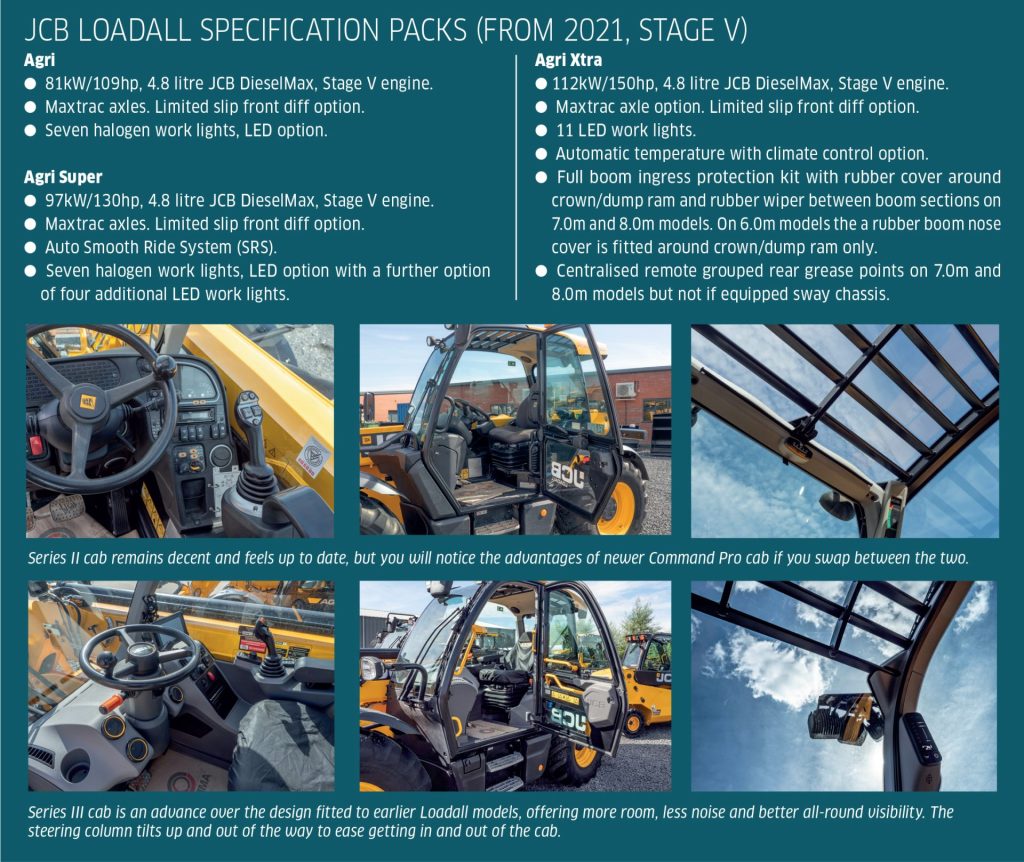
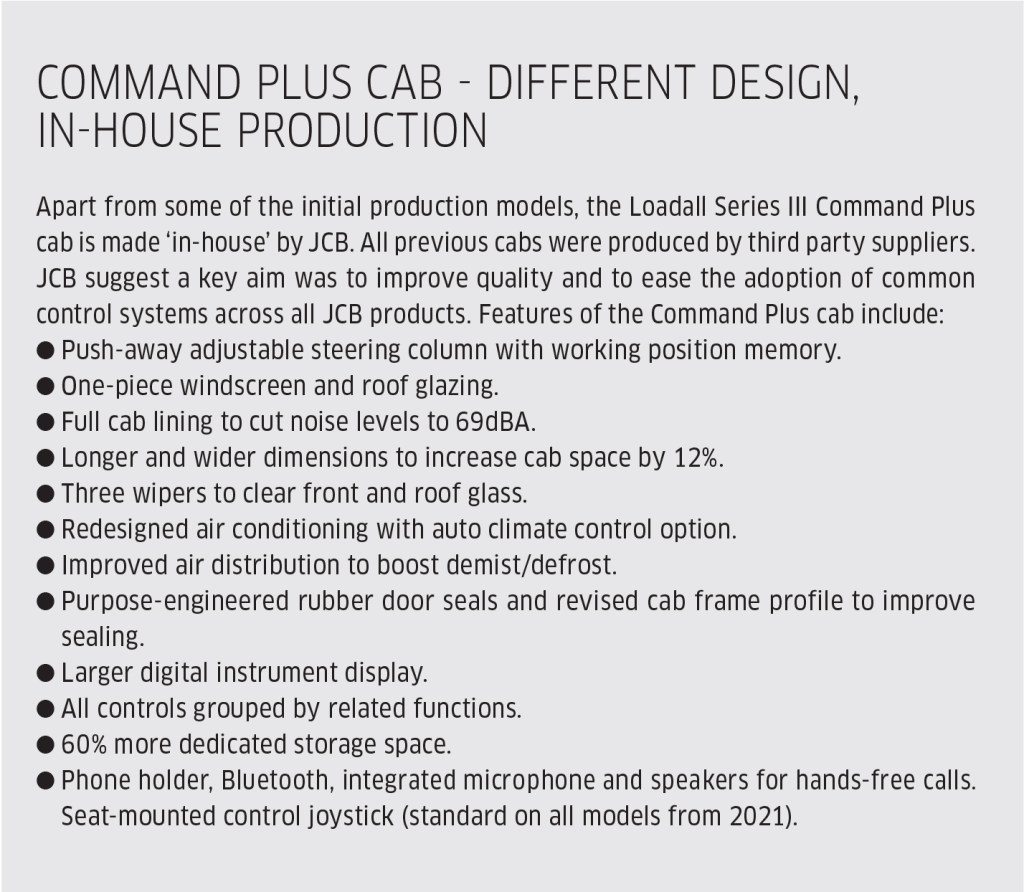
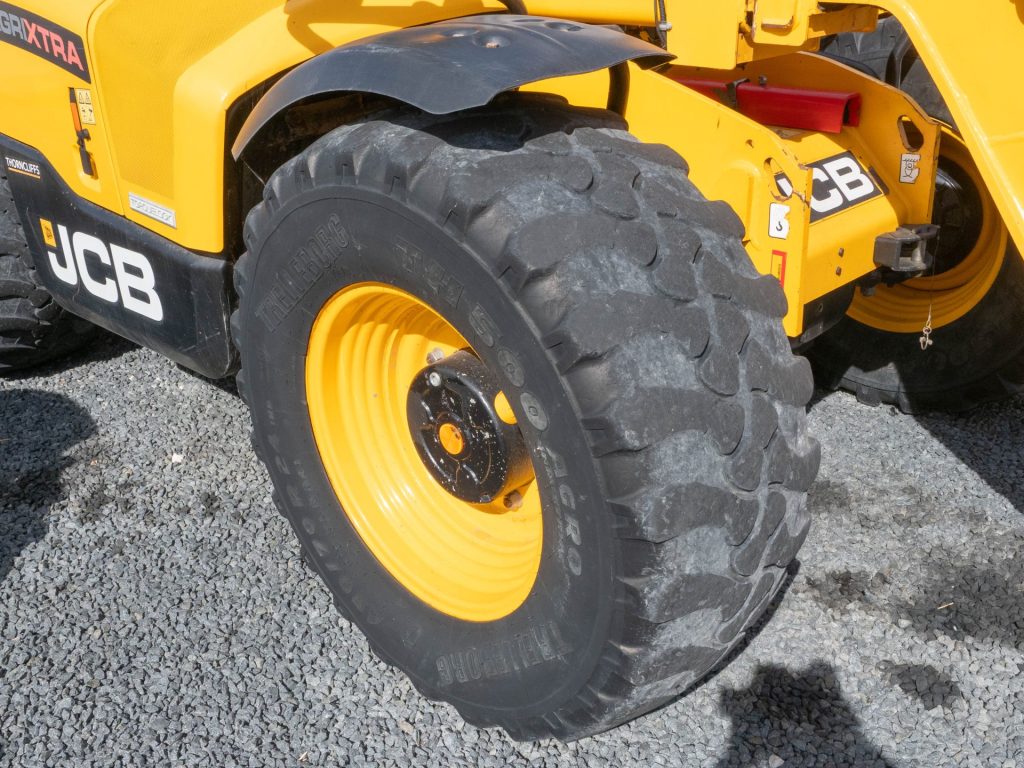
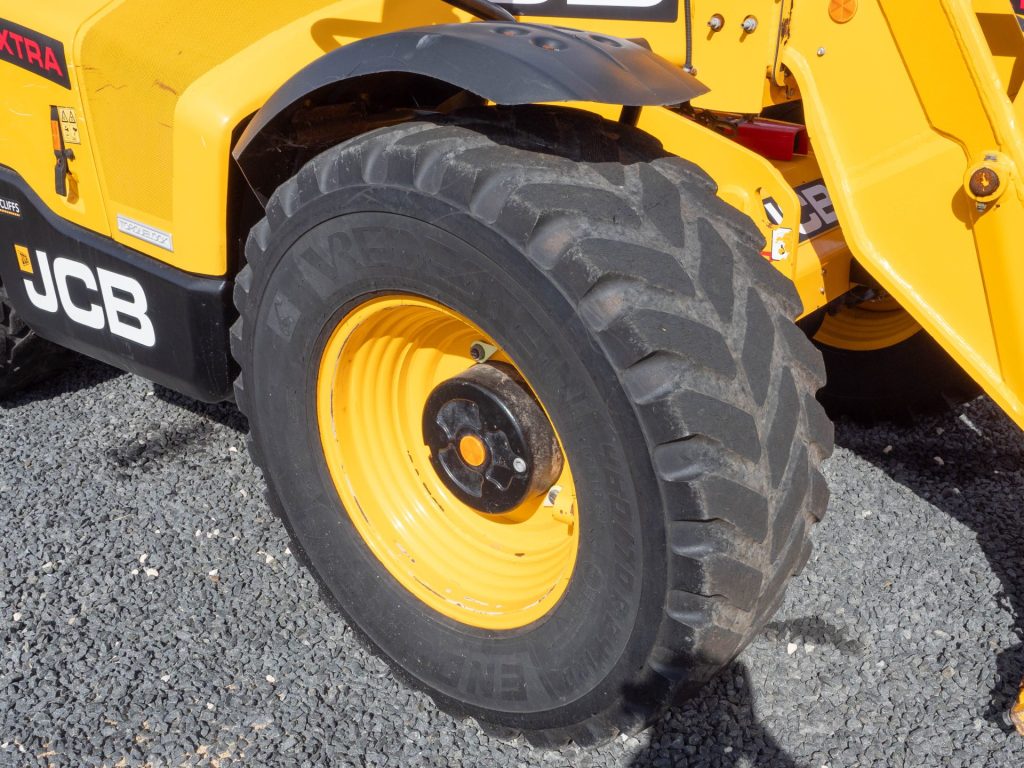
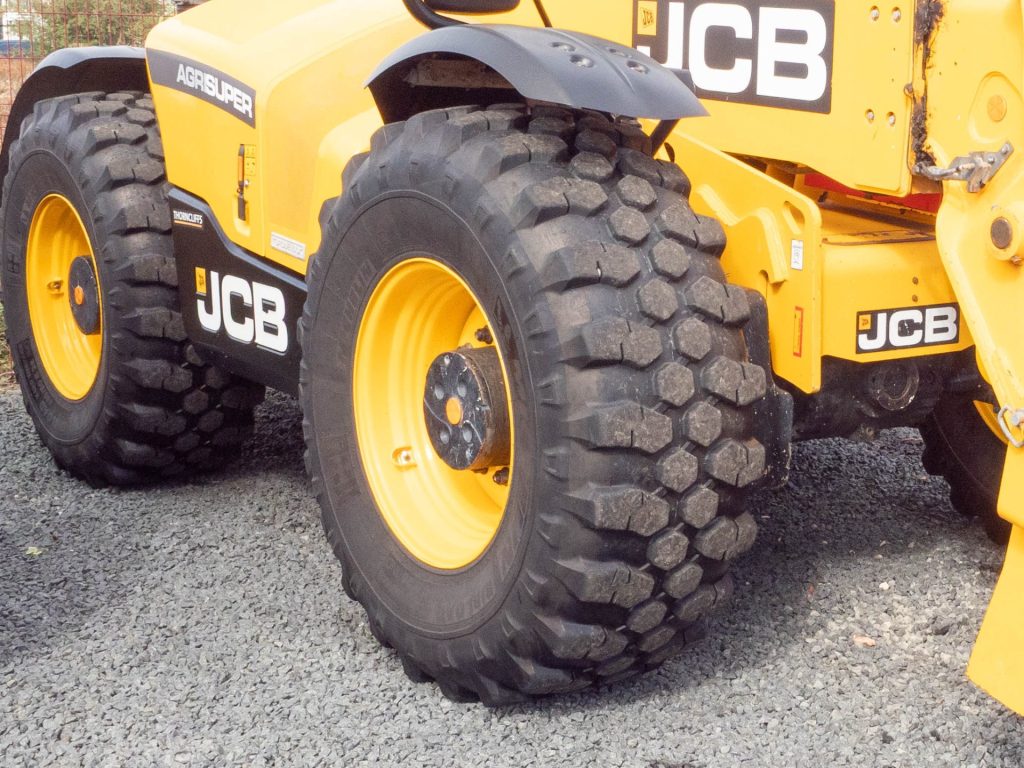
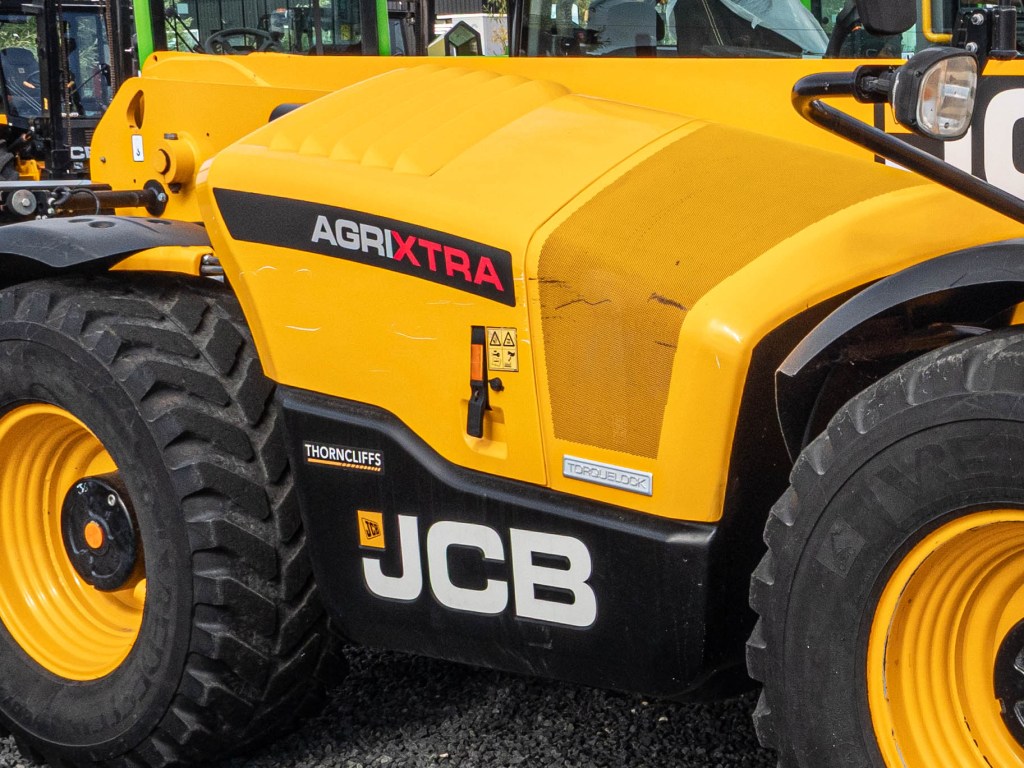
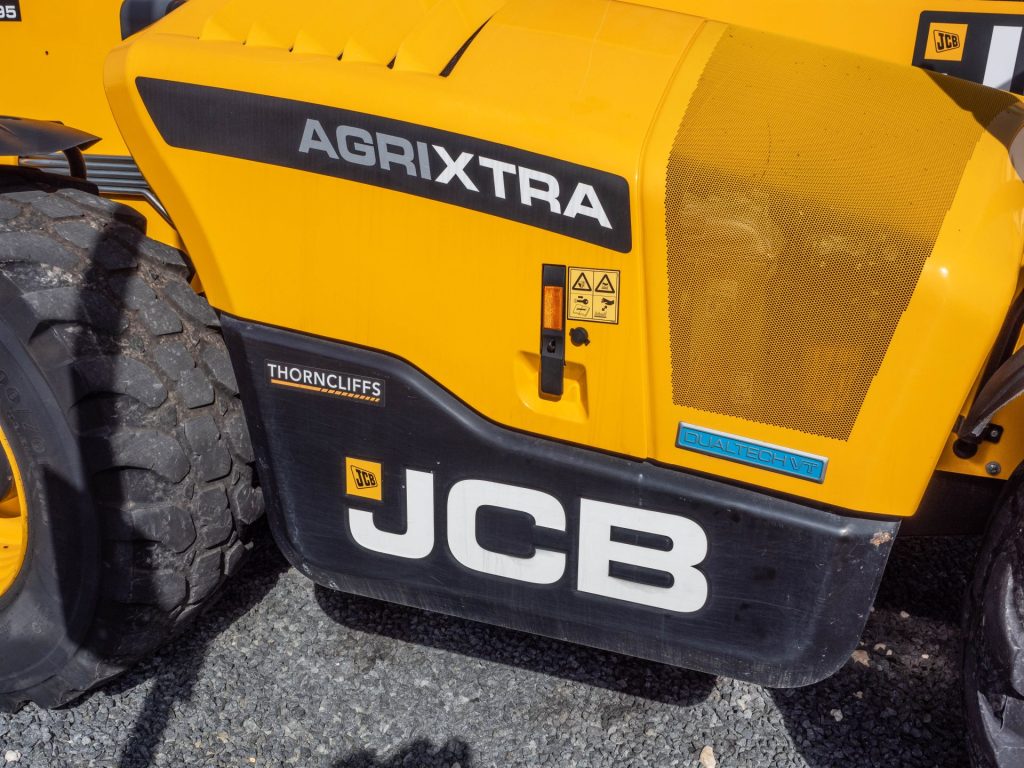
JCB spec packs continued but how they are written was changed from Agri, Agri Plus, Agri Super, Agri Pro to Agri, AgriSuper and AgriXtra and AgriPro. It is easy to get tripped up as these various spec packs evolved between Stage IV and subsequent Stage V engine models, with both Agri Plus and Agri Super models dropped in 2021 but reappearing in current model line-up. As the latter will be more numerous, we stick to latter Stage V when outlining transmissions on offer (see Stage V Transmission choices). As a used buyer, you will need to dig deeper and not assume a model spec package will have certain features as standard.
NOTE: Not all models in the Loadall 2019 range got the Series III treatment either. The heavy-lift, 6 tonne 8.0m bulk handling 560-80 and low profile cab 536-70 LP remained unchanged and the 6.0m Loadall 532-60 Agri had to wait until 2020 to get the Command Plus cab.
Stage V compliance
In mid-2021, the 4.8-litre 448 DieselMax engines were made standard and updated to Stage V emission standards. The power output on Loadall Agri spec models was unchanged at 81kW/109hp and 516Nm torque, but AgriSuper versions saw power increased from 125hp to 97kW/130hp with 550Nm of torque, AgriXtra models also getting a boost from 145hp to 112kW/150hp with a 7% increase in peak torque to 600Nm. Despite meeting stringent EU particulate matter and NOx level reductions, Stage V engines eliminate EGR exhaust gas recirculation and a variable geometry turbocharger and were switched to a simpler electronically controlled wastegate turbo. In brief:
- Stage V 4.8 litre JCB DieselMax engines (all models)
- Auto Engine Stop
- Seat mounted, servo controlled, joystick integrated into the right-hand side arm rest and control pod (previously only standard on Agri Super and Agri Pro models, optional for the outgoing Agri and Agri Plus models).
- All specifications top speed of 40km/hr (bar one of the 560-80s)
Stage V transmission choices
- Spec packs and transmission choices changed. In brief:
- 532-60 Agri with 109hp engine transmission changed to 40km/hr four-speed TorqueLock 4 powershift transmission
- 532-60 AgriSuper 130hp fitted with DualTech VT hydro-mechanical transmission as standard
- 560-80 AgriSuper fitted with four-speed powershift
- 560-80 AgriXtra with 150hp engine offered with the choice of a six-speed AutoShift or DualTech VT transmission.
- 538-60, 532-70, 542-70 and 536-95 with Agri 109hp specification fitted with a TorqueLock 4 transmission.
- 538-60, 532-70, 542-70 and 536-95 with Agri Super 130hp spec fitted with choice of four-speed Powershift, six-speed AutoShift or DualTech VT
- 538-60, 532-70, 542-70 and 536-95 in Agri Xtra package combine the 150hp engine with six-speed AutoShift or DualTech VT
- 542-70 and 536-95 Agri Super and Agri Xtra with AutoShift available with ‘sway’ hydraulic chassis levelling.
NOTE: AgriSuper adds Auto Smooth Ride boom suspension. AgriXtra specification adds a limited slip differential front axle, dirt and dust covers between boom sections, and centralised rear grease points on 7.0m and 8.0m models.
2021: Mid-range 538-70 and top spec 542-70 Agri Pro
With 3,800kg lift and 7.01m, the 538-70 was launched to slot between the 532-70 and 542-70 models. This variant has 3,000kg to 3,800kg lift performance in the 4.0m to 6.0m loading-at-height zone to suit bulk loading of grain into trucks and silage into diet feeders. Agri variants are fitted with a Torque Lock 4 transmission and 109hp engine, AgriSuper has 130hp and four-speed Powershift. AgriXtra variants have 150hp and the option of a six-speed Autoshift with automatic and manual shifting modes. The AgriSuper and AgriXtra can also be fitted with the DualTech VT transmission.
Most powerful Loadall
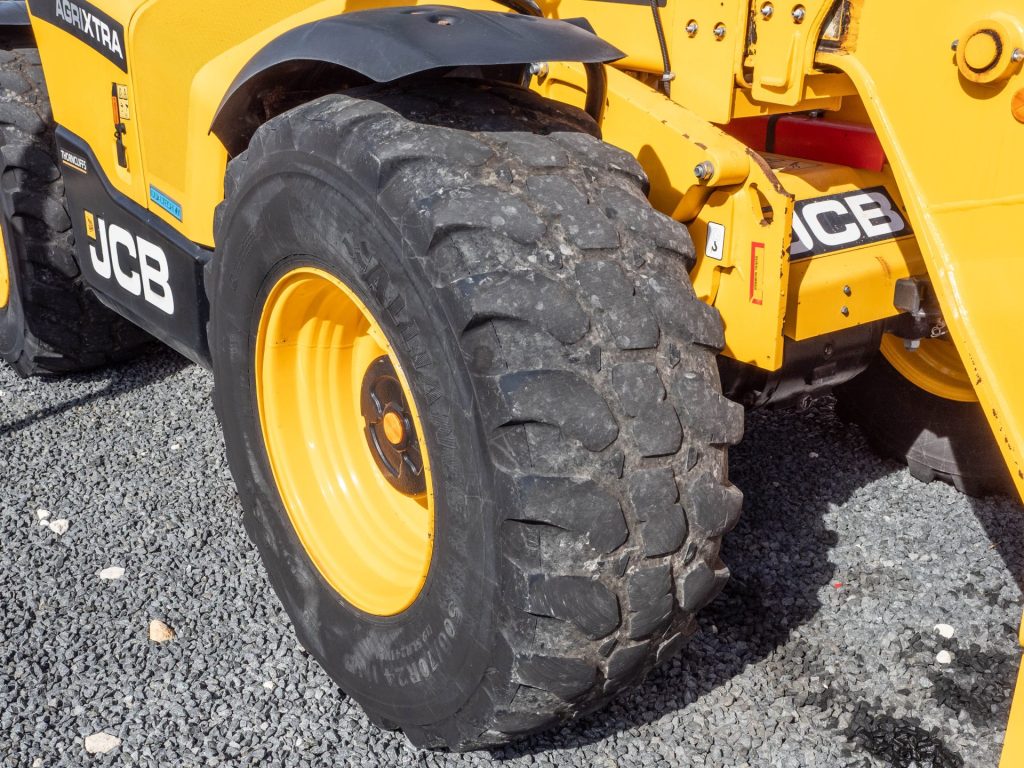
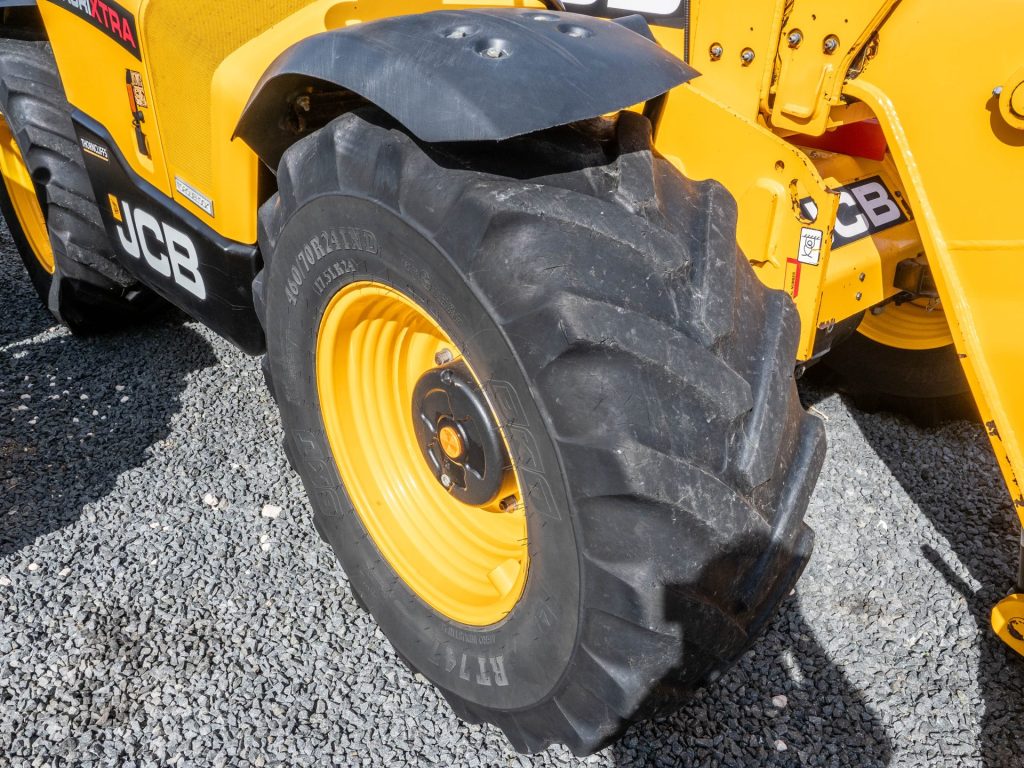
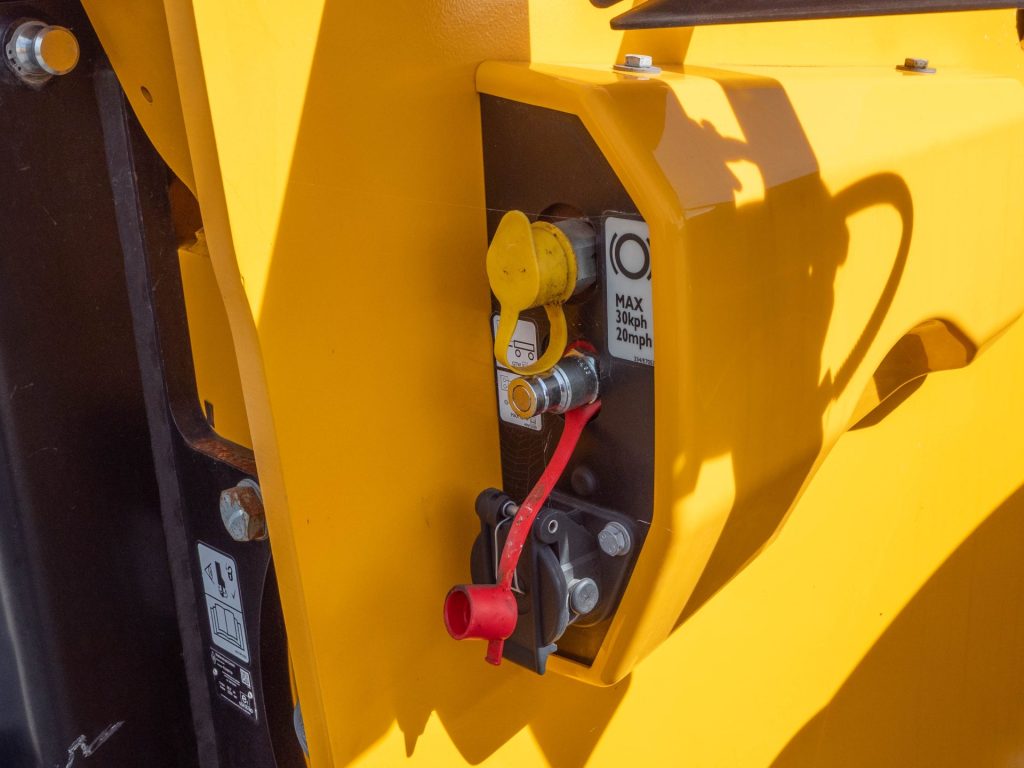
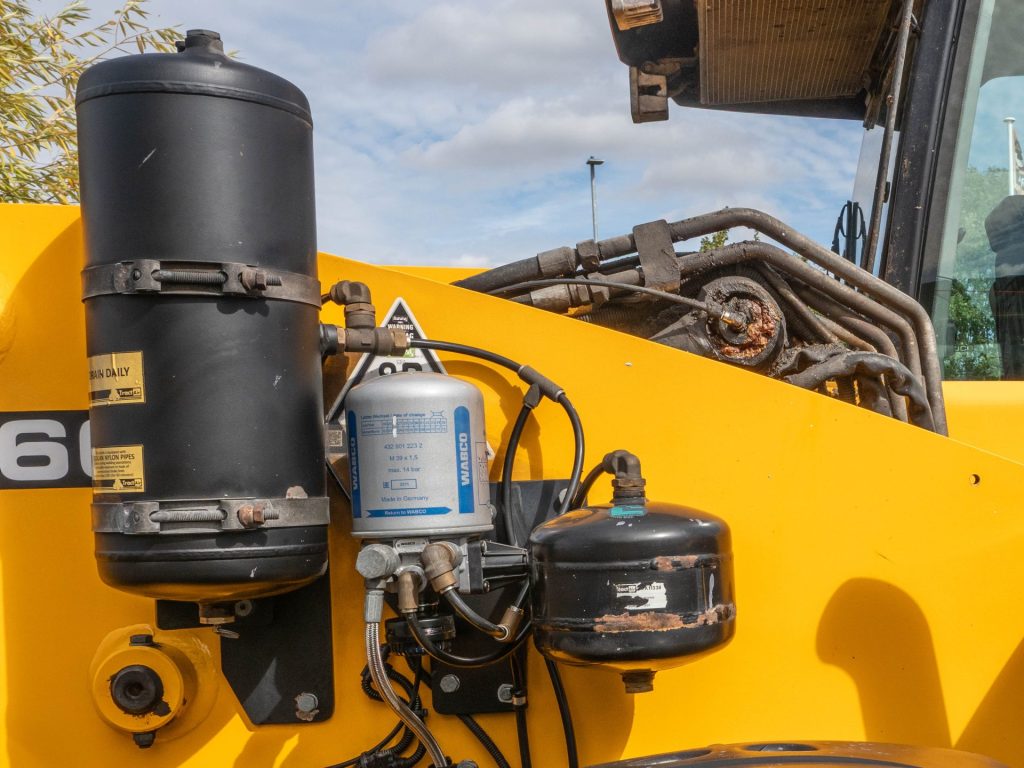
The 129kW/173hp, 690Nm, DualTech VT 50km/hr 542-70 AgriPro is the standout Loadall model. This variant has a maximum lift capacity of 4.2 tonnes and a full-height lift of 2.75 tonnes to 7.01m. It also meets European T1b tractor homologation for road-going agricultural vehicles, with air trailer brakes a factory-installed option. Said to offer a 22% increase in dynamic tractive effort and an uplift of up to 25% in road travel productivity, the 542-70 AgriPro is a beast of a telehandler but will be a rare used find.
Other 542-70 AgriPro features include heavy-duty JCB axles with 10-stud hubs and 500mm-wide tyres on stronger rims, twin axle hydraulic power braking system and auto four-wheel drive engagement. The hydraulics got a boost too, thanks to the fitment of a 72cc piston pump capable of delivering up to 160-litre/min. A point to note is the cab is fitted with uprated rubber spring cab mounts for better vibration and shock isolation, a welcome upgrade at a potential 50km/hr.
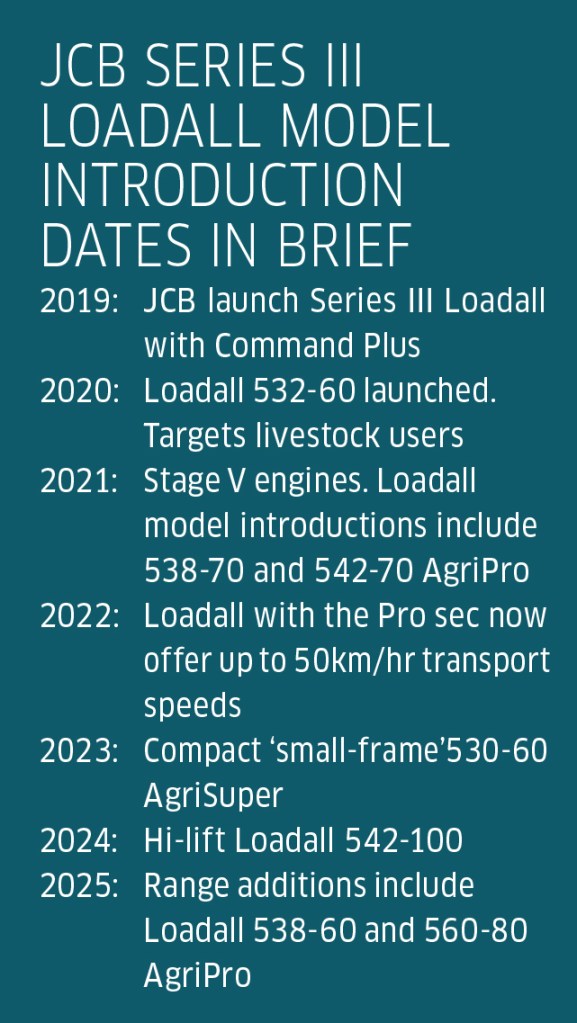
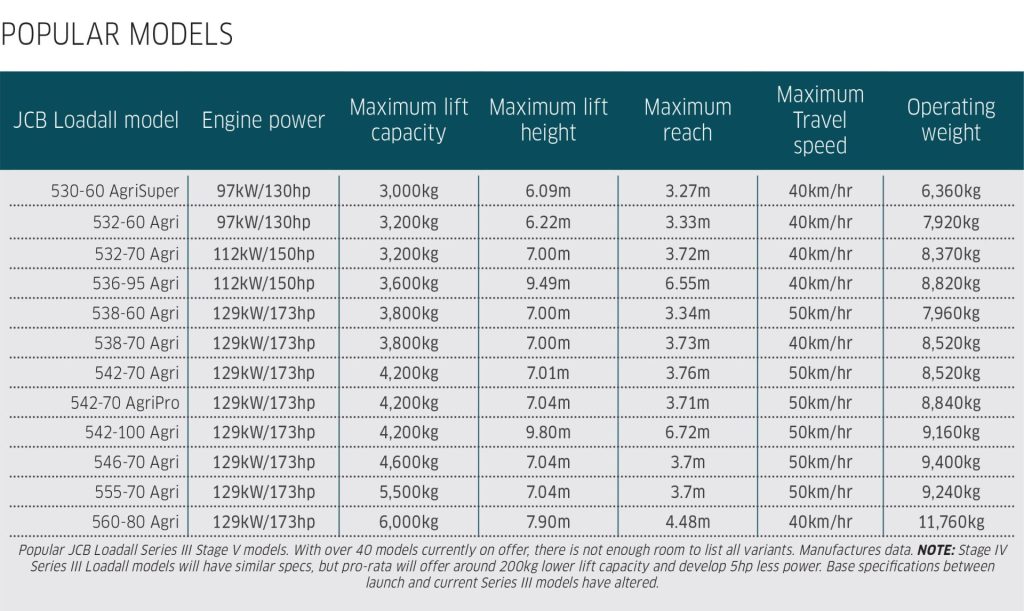
Although this brief outline does not bring all Series III models introductions up to date, it will cover the now more likely used finds (See brief model outline).
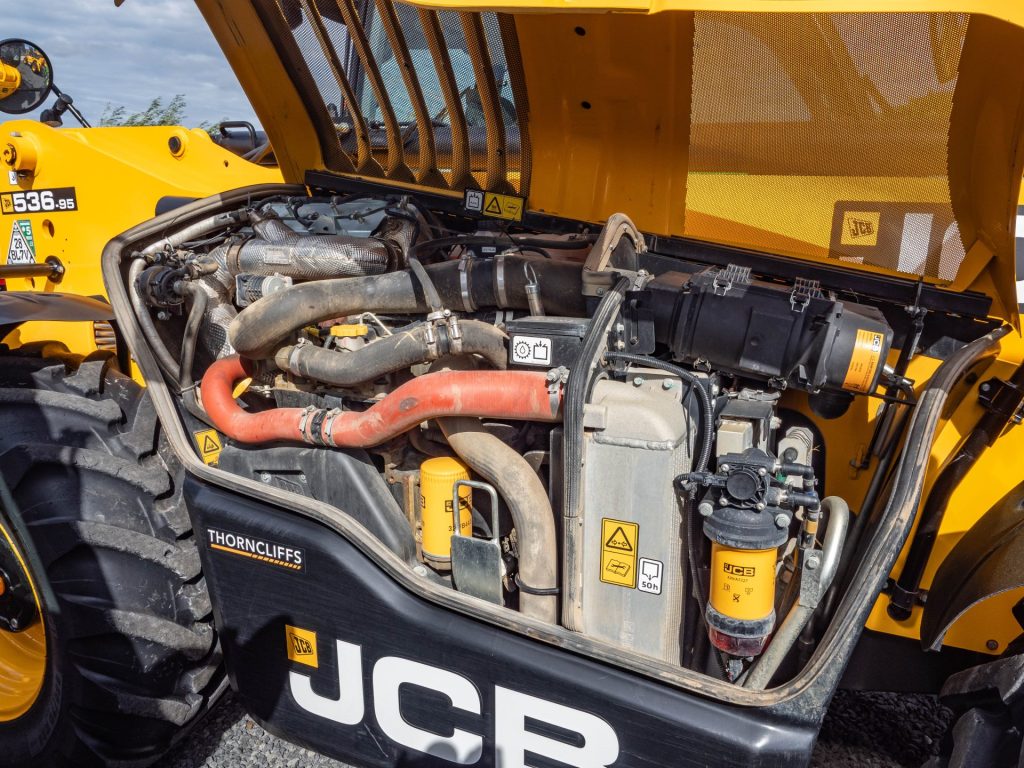
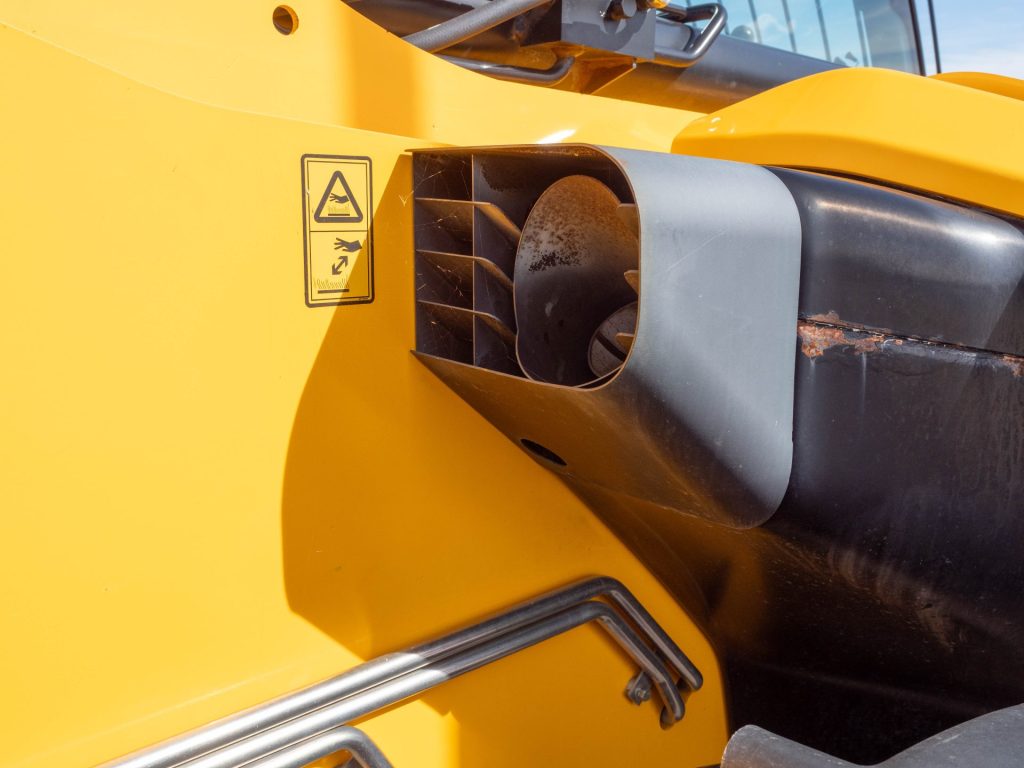
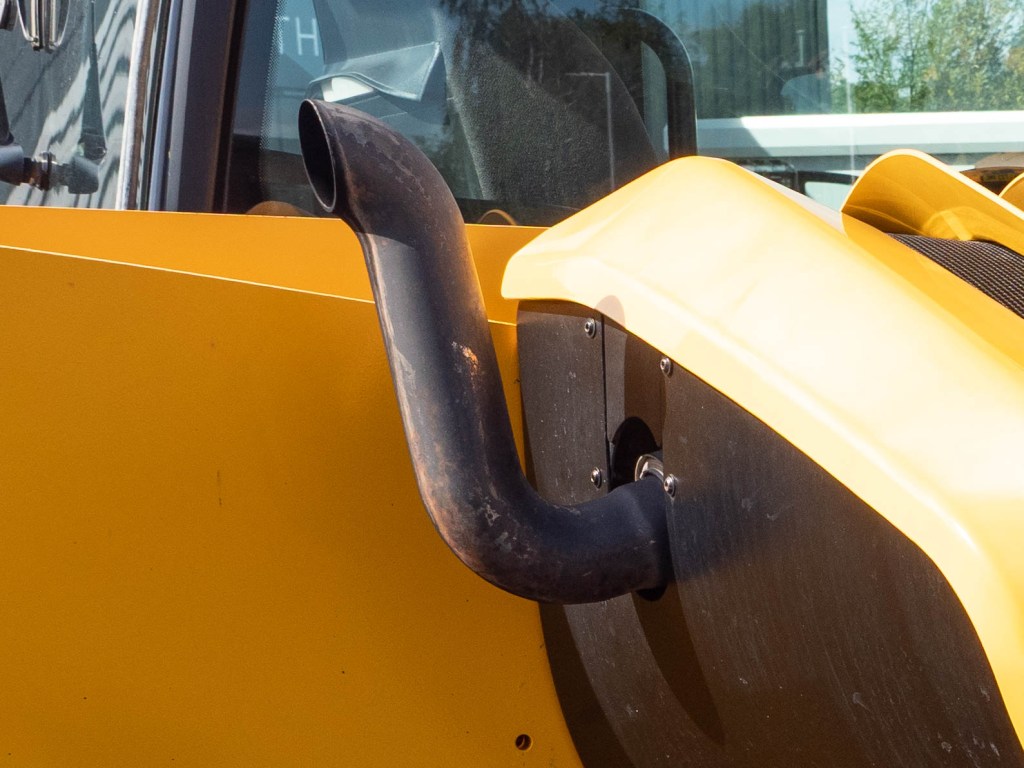
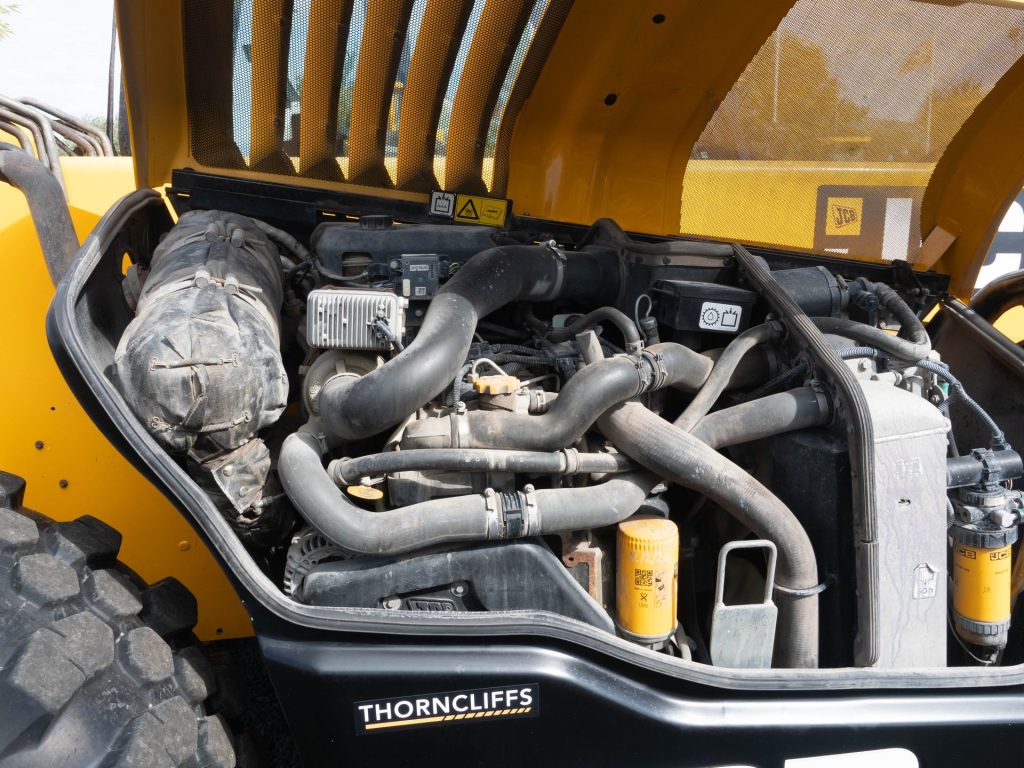
To try and precis all changes and models in the Series III model line-up can become a little complicated, JCB having such a broad choice that listing all variants would be more than a little confusing. The key with a used buy is to start with the must have core needs of lift capacity, reach, engine power and transmission type. With reference to the latter, the DualTech VT, which combines hydrostatic drive and a mechanical powershift, is increasingly sought after. Launched in the Series II Loadall range back in 2016, DualTech VT has proven reliable and not known for problems. It is also liked by those who use a Loadall not just for ease of handling but for transport too. The hydrostat element helps boost transmission braking and so reduce overall wear in the axle brakes (see profi 09/20 Long Term Test). On lower power Loadalll models, the TorqueLock 4 powershift transmission is also well-liked as it has direct drive with no torque converter slip in transport. This can help reduce fuel use.
What to look for
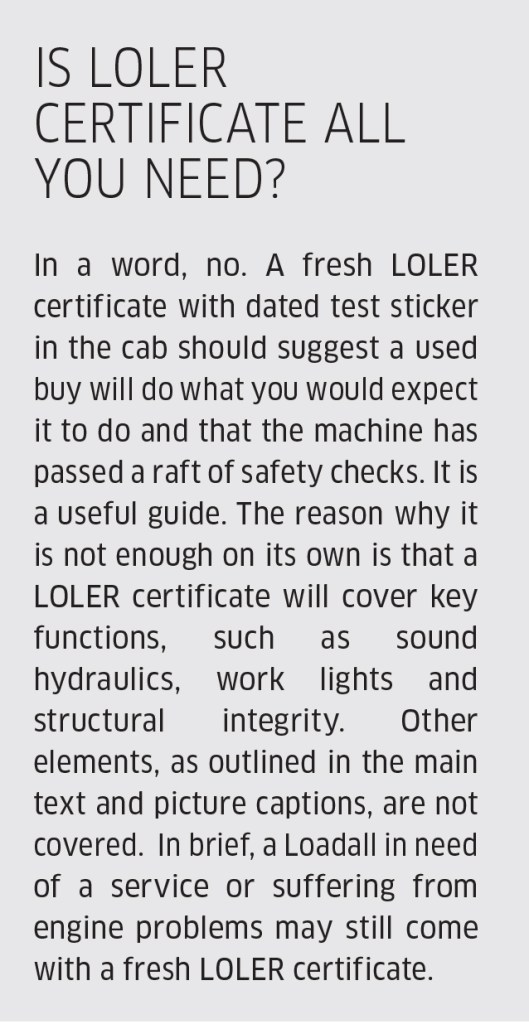
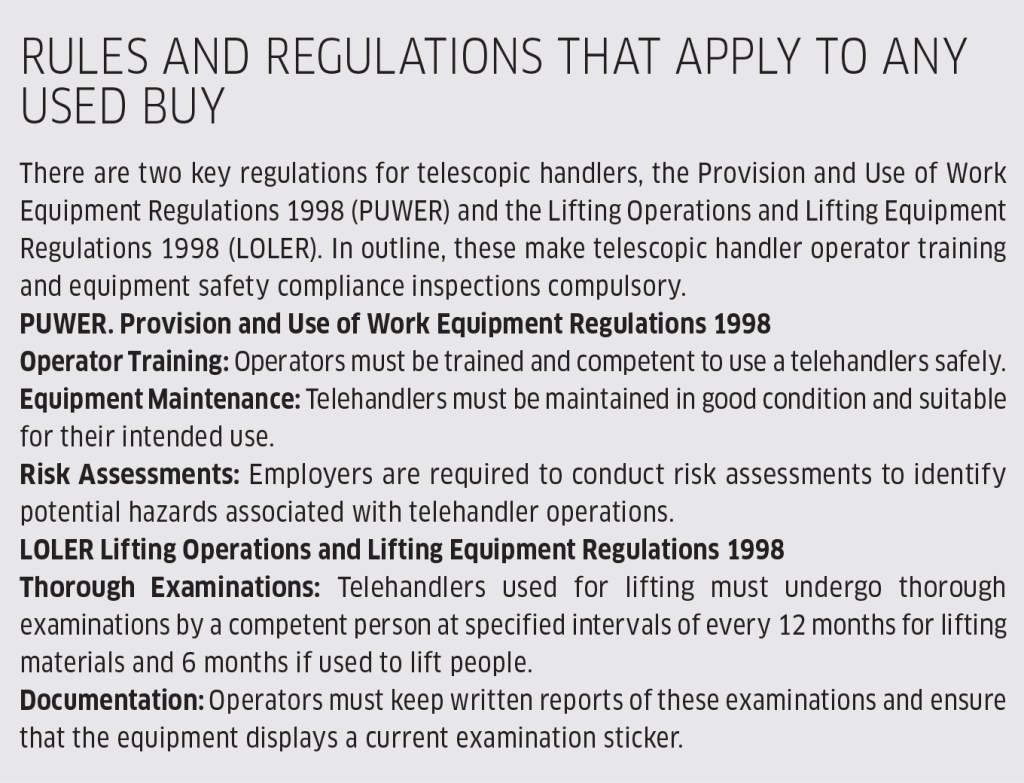
Job one is to ensure a used buy has a LOLER test certificate (see separate panels). This should ensure the core basics of the handler are sound and that it is ready for work. Next, you need to check the handler’s history. Loadall models come up for sale from a broad range of sources and some are more ‘reliable’ than others. If you cannot check a loaders past use and ownership be careful. As is always the case with used kit, the more costly it is to buy the better it is to work through a trusted telehandler dealer. Also be careful at auction. You can, after fees and transport costs, end up paying more for a machine than sourcing through a JCB dealer.
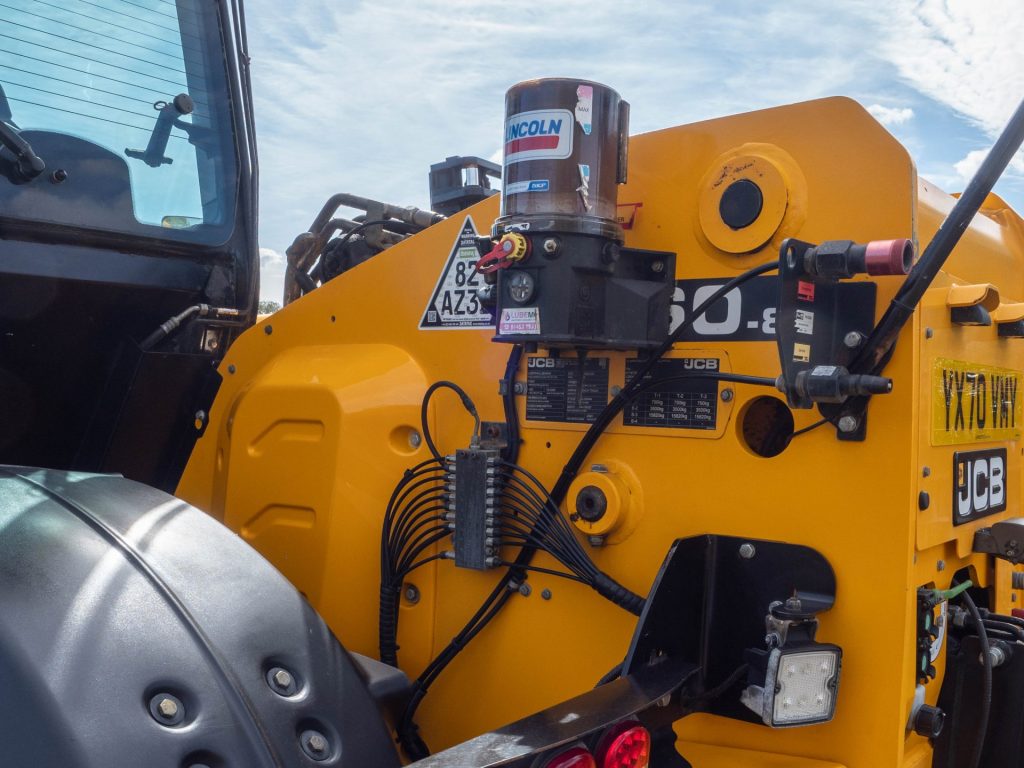
A fresh LOLER certificate (compare engine hours on the dash to the certificate hours) will typically mean you can concentrate more upon the machine’s overall condition, specification and all important tyres. Used buys from a dealer may be priced in as seen condition. If the cosmetics need attention and the tyres could do with renewing, then you may have to add more to the advertised price. You need to manage your expectations in other words. A used buy will not present in as new condition, and a dealer will typically not invest time in smartening up a Loadall that is in good shape and ready for work unless the buyer is prepared to pay extra for cosmetic TLC. The key focus will be to ensure the machine is ready for work.
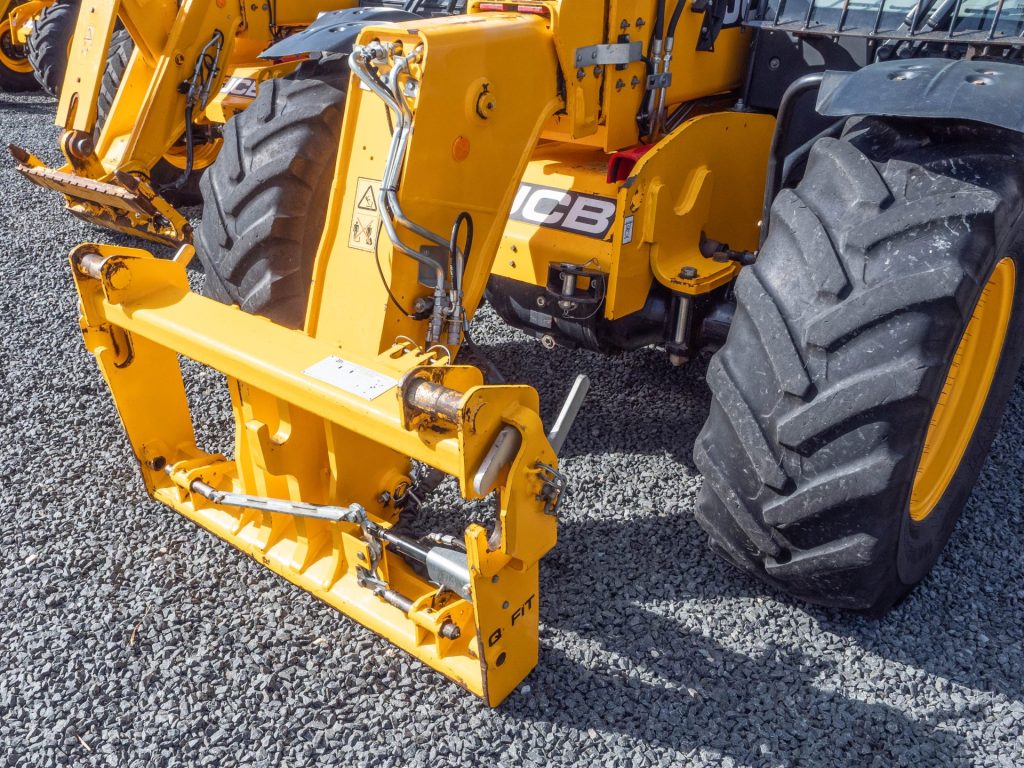
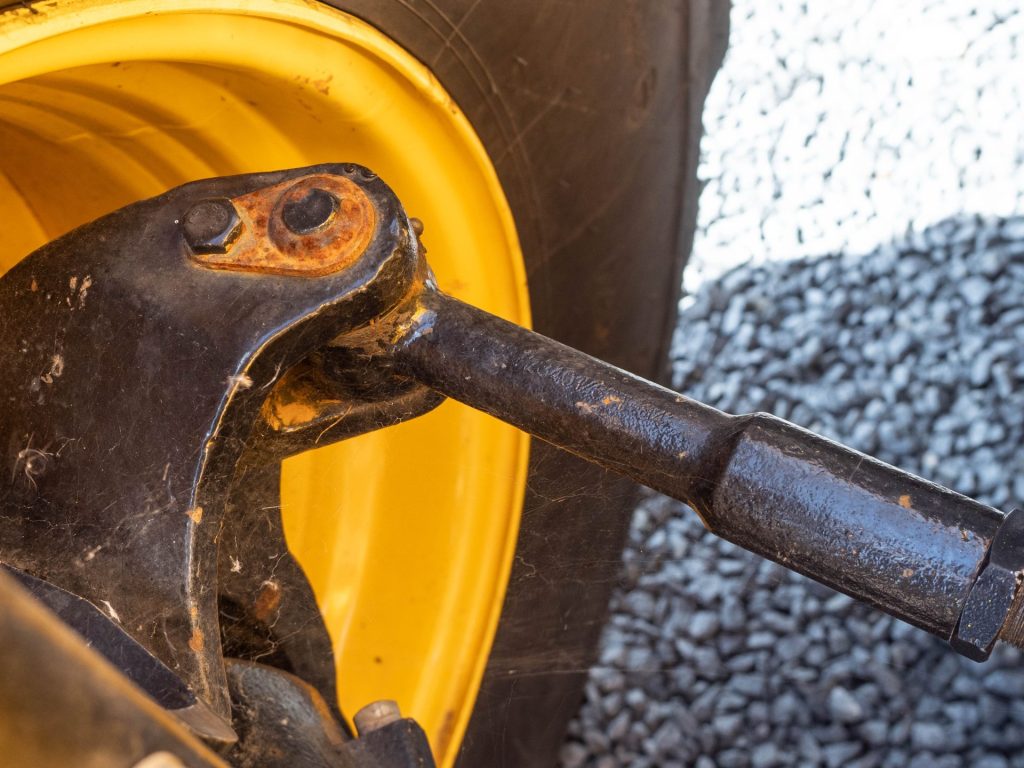
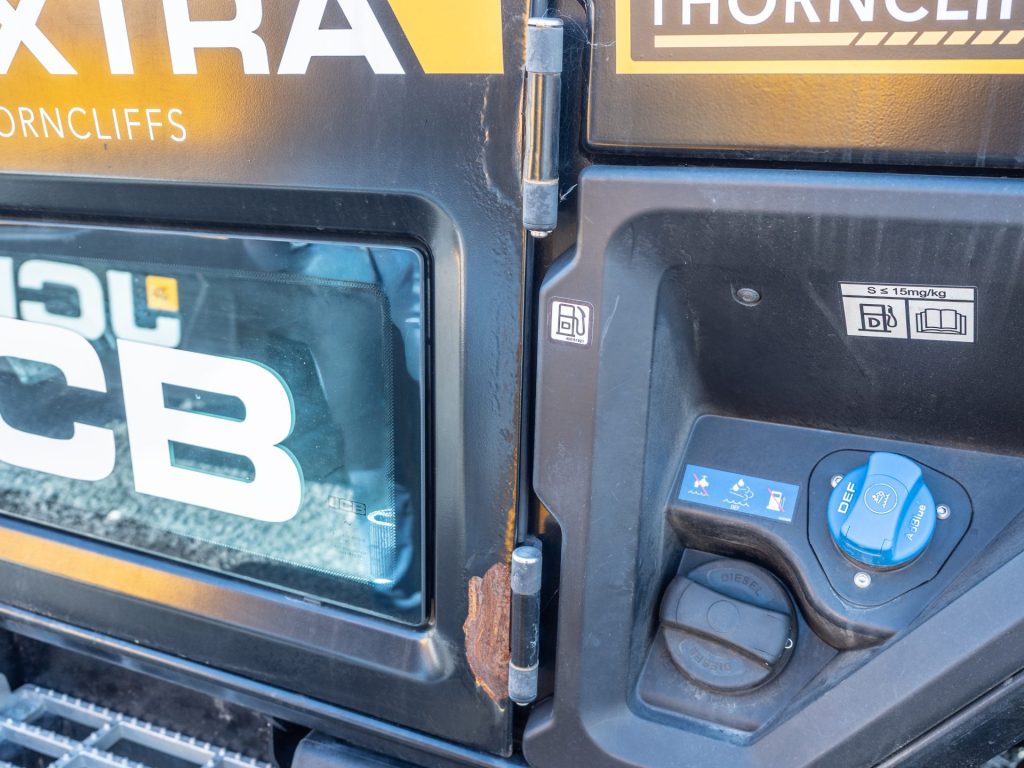
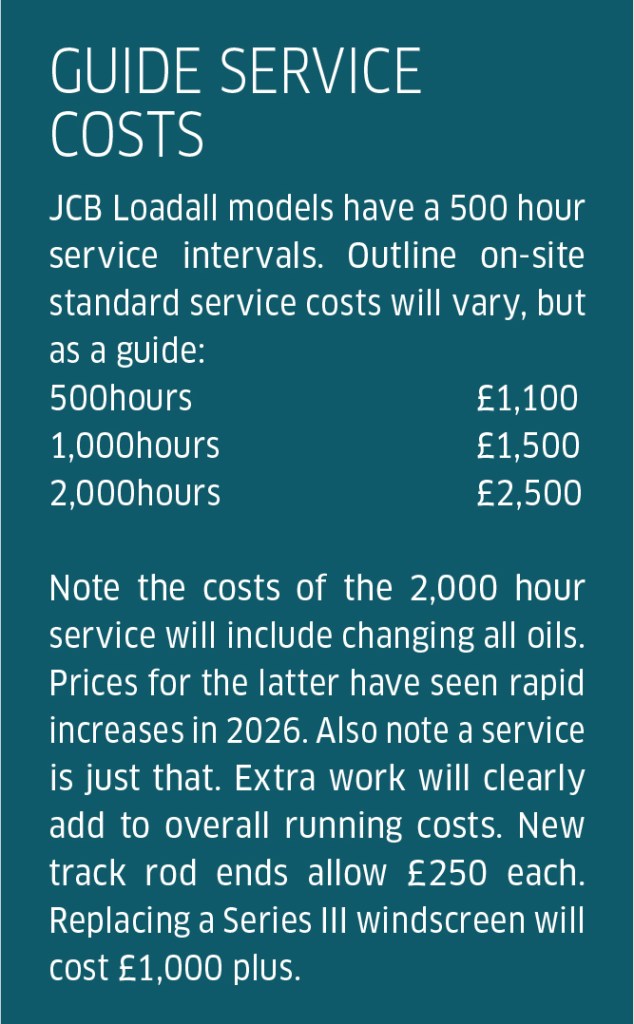
A good dealer will typically make some extra checks over and above the demands of a LOLER test. As an example, all fluid levels will be checked and a service, if due, will be carried out. Other tests to ensure the battery is in good order and examining the cooling system is clean and there are no signs of damage or leaks will also be carried out. The air conditioning system will be looked over, any serious corrosion attended to, wear in the pick-up hitch noted and, well, the list goes on.
As to what you should look for, the main points are to ensure you know what you are getting in terms of specification and to match the machine not just to your needs but also perhaps what your used buy will be worth further down the line. If you are a low hour user, you can invest in a newer but high hour machine safe in the knowledge that some three or four years in the future the handlers’ hours will have evened out. Buy a three-year old model with 4,500 hours on the clock and then only put perhaps 500 hours on it over three years and it will be a relatively modest 6,000-hour machine if you then choose to trade it in.
This also brings up the question of whether it is better to buy a late low hour Series II or a similar Series III at a higher price. Our thinking is that if you are planning to hold on to the handler for an extended period and are not overly bothered by the better cab of the Series III, then a Series II can be a good choice. These variants have an earlier set of electronics, the Series III moving to a newer CANBus system that cannot be worked upon without specific JCB software. A Series II is arguably the ‘last’ man with a van fixable Loadall. There is, however, no doubt that the Command Plus cab is superior to its predecessor and that a Series III Loadall is noticeably more user friendly too. With reference to residual values, a sound Series III is likely to hold onto its value better.
Summary
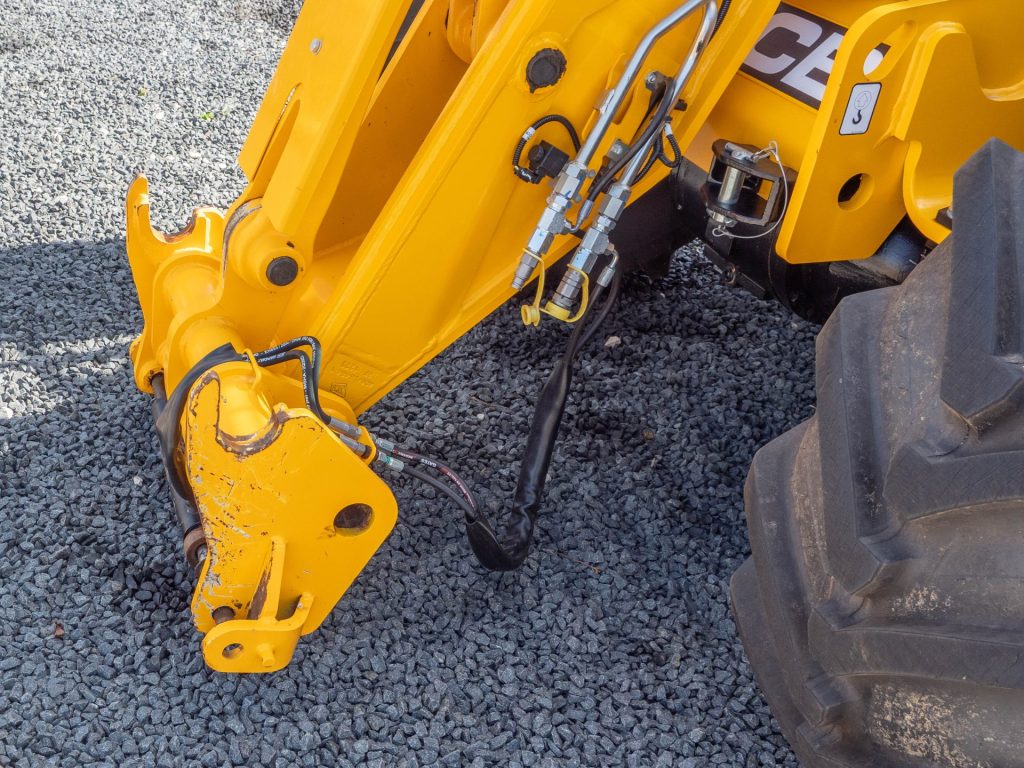
There is a trend that sees arable spec Loadall models migrating west to livestock areas, largely due to the fact that these machines tend to be perceived to have led an easier life. A good number of arable machines will have done a fair amount of bale transport work, so ensure the axle brakes are in good order. A clue to a life with a trailer frequently in tow is to look at the hydraulic trailer brake fittings to see if they show signs of use. Air trailer braking is a more obvious clue to the handlers past life.
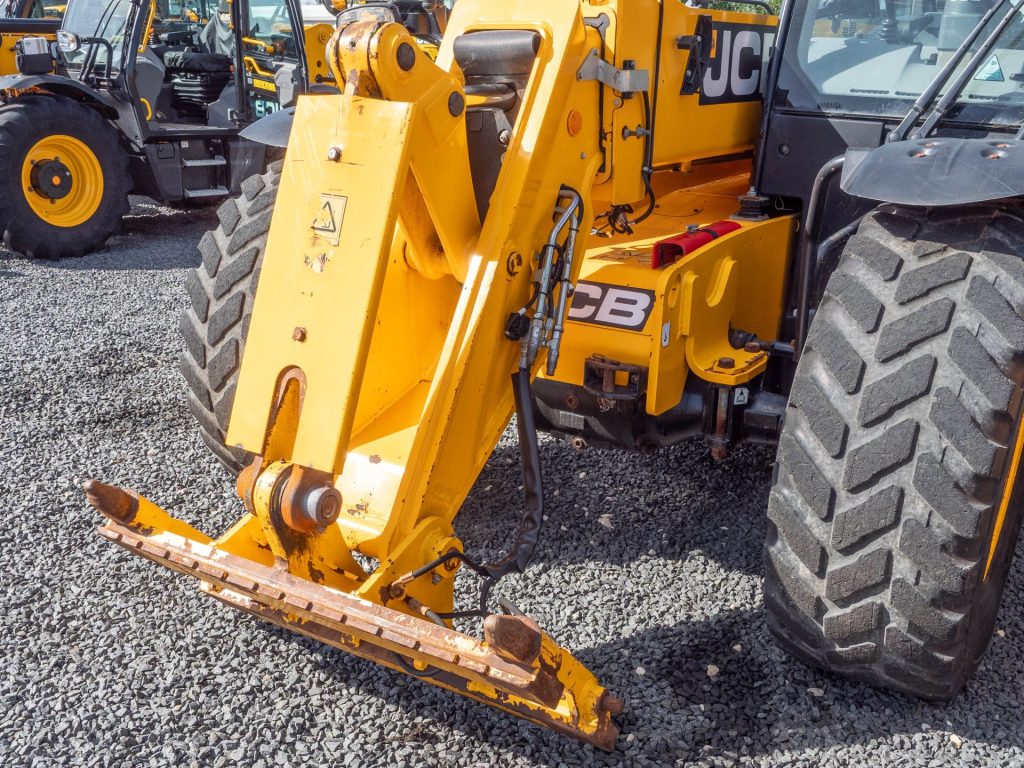
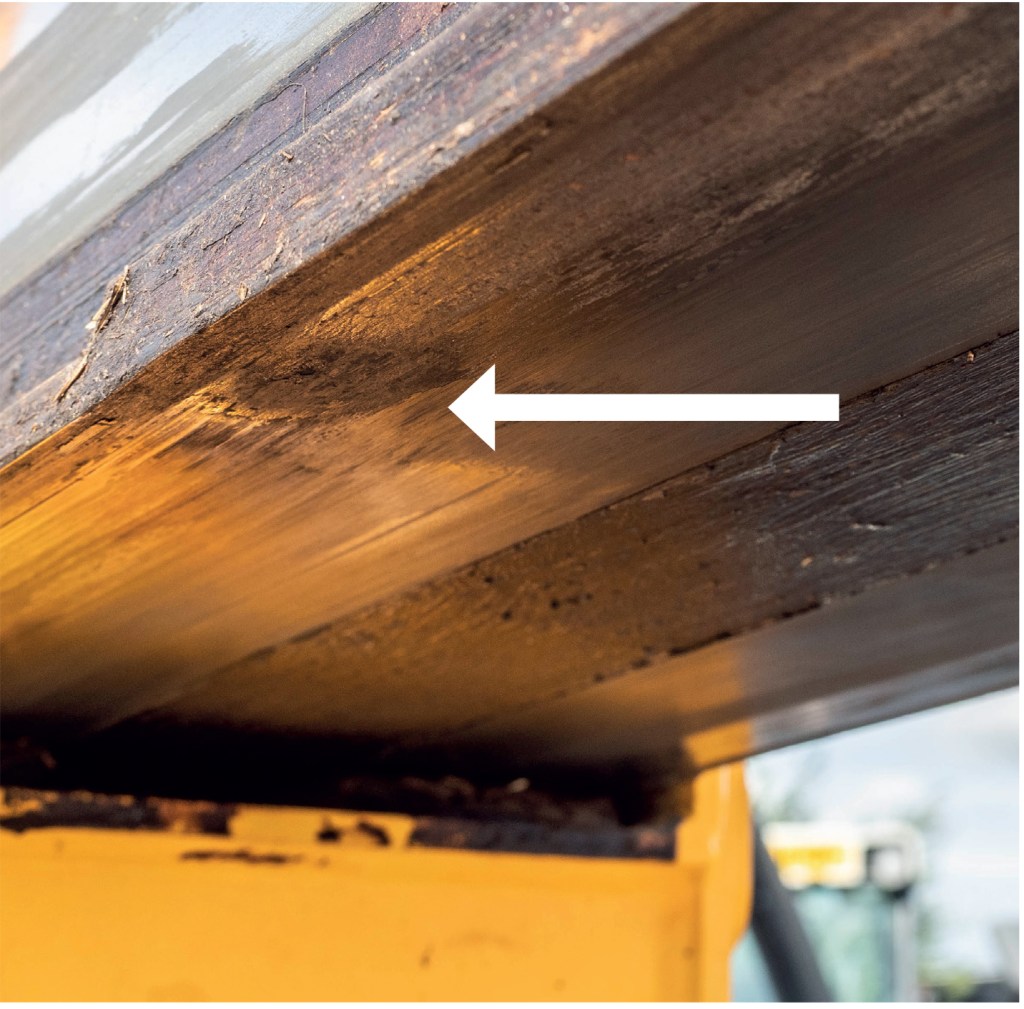
A Loadall used on a livestock farm to handle muck and silage is more likely to have corrosion and wear in the headstock, plus the cabs can see more wear and the lower door seals may also need renewing. A different level of checks are needed in other words. Also note that models like the extremely popular 532-60 are more likely to be found in livestock regions.
With grateful thanks to Edward Roach and James Wetton, Thorncliffs, Sleaford, Lincs.
James de Havilland
For more up-to-date farming news click here and subscribe now to profi and save.