

The invasive sedge weed, yellow nutsedge, is a big problem in parts of Germany. Contractor Dennis Niemann is tackling the plant, head on.
KEEPING IT BRIEF
- Weeds like nutsedge can be controlled with electricity.
- The complete eradication of the weed takes three treatments per year, for three years.
- Today’s machines require a slow and costly pass.
- Because the electric current destroys the plant, it is superior to other treatments.
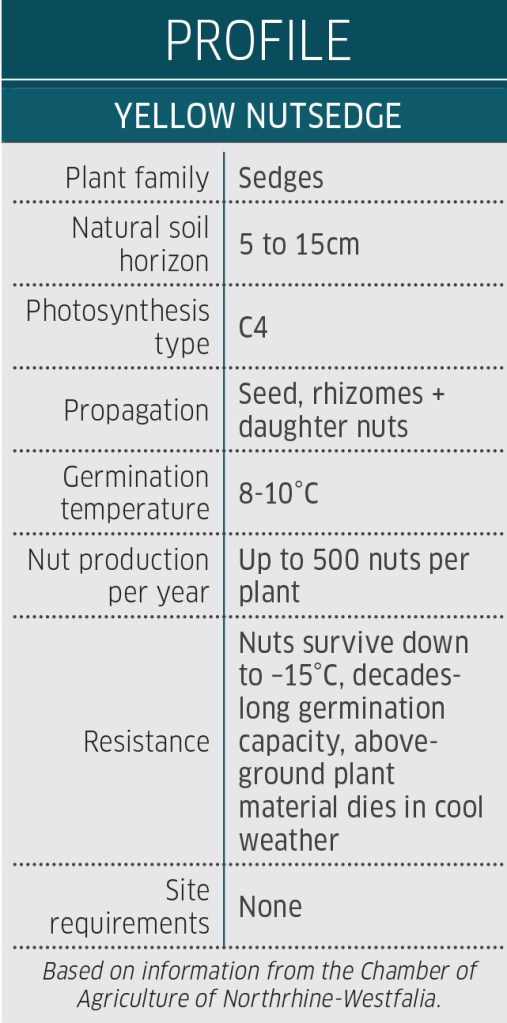
Although yellow nutsedge was first spotted in Germany over 40 years ago, this invasive sedge weed has spread rapidly over the past ten years. One of the biggest reasons for this dramatic increase is farm machinery: the tiny seeds, (often referred to as tiger nuts or almonds) that get hidden in the soil on the back of a cultivator tine or cling to a disc harrow, which has been incorporating slurry, then drop off in the next field, where each seed can produce up to 500 new seeds per year.
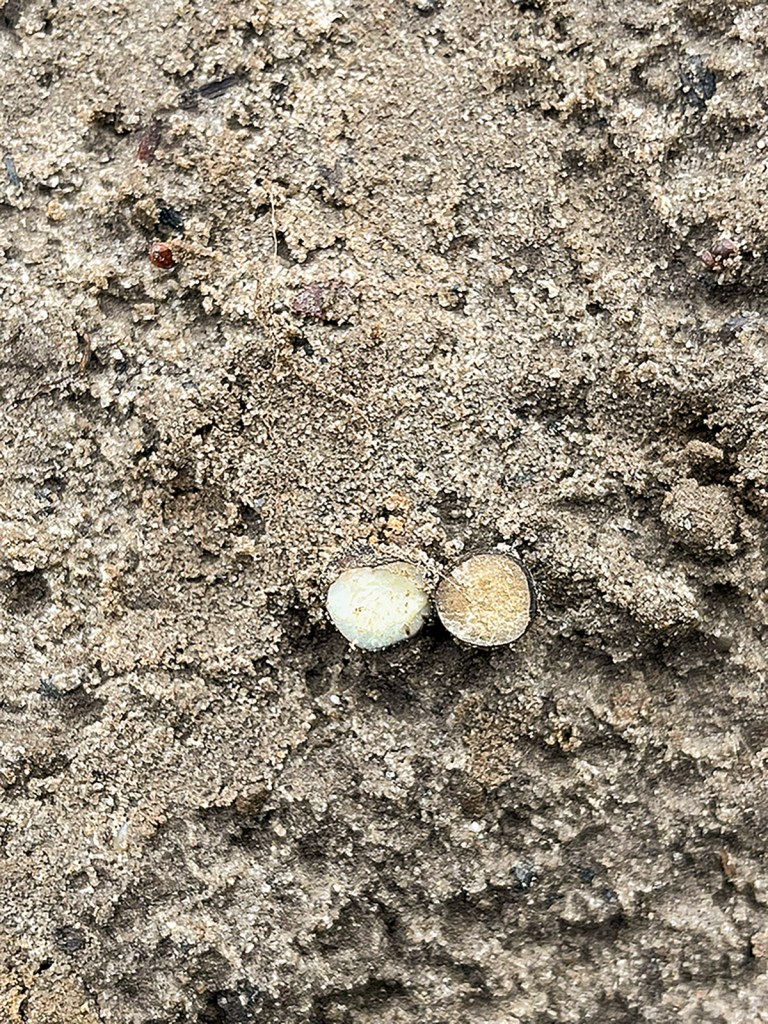
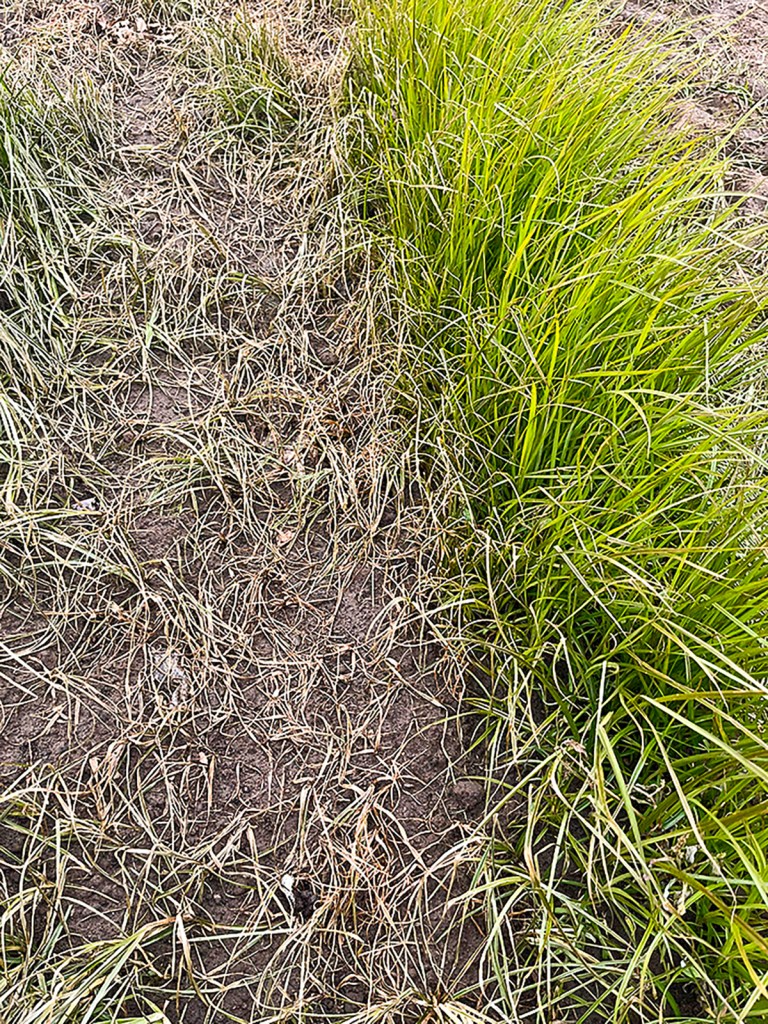
If you take that figure at face value, there’d be more than 15 trillion plants growing in that field in just five years — a huge threat. Current herbicides only have limited impact on nutsedge, and even mechanical control is difficult.
Electricity as the answer
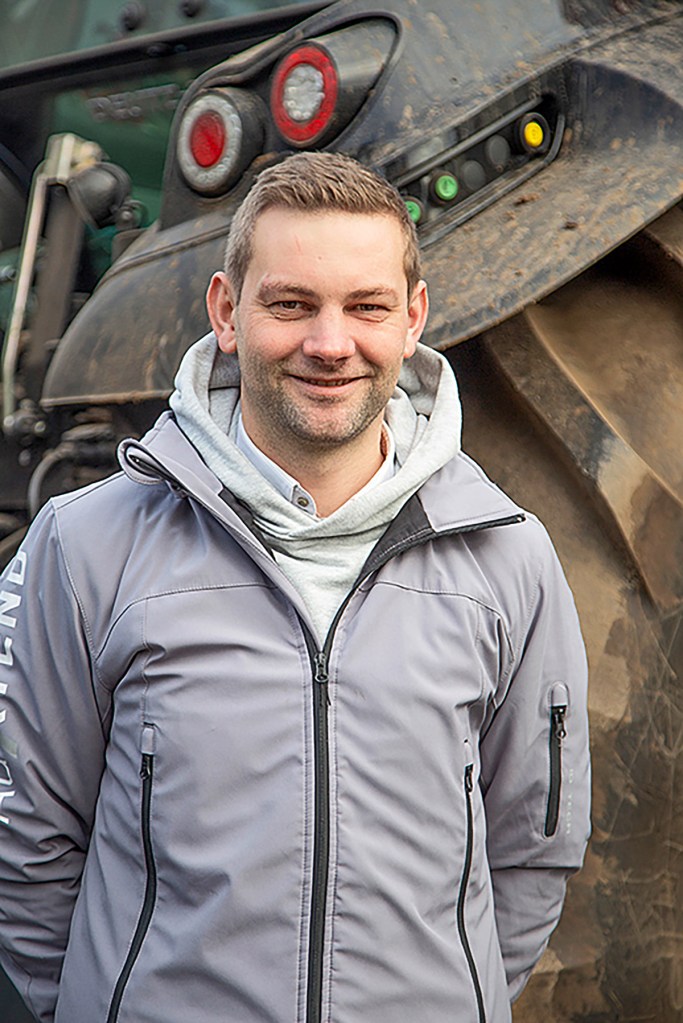
Over the past few years, Dennis Niemann from Vechta has identified a possible solution for the problem. Trained as an agricultural services specialist, he was then employed by a local farm machinery dealer where he encountered Zasso’s Electroherb.
“We sold the machines to municipalities but also to a few arable farmers,” explains the 36-year-old.
Dennis followed various trials as well as farm contractors in the Netherlands that were using the electricity producing machine to kill weeds.
“All of the results showed that electricity is one of the few approaches that is capable of destroying the almonds.”
Even the herbicide Permit (halosulfuron-methyl) only had a limited impact in maize. “I know of field trials where the product only worked on the soil surface. In the end, the almonds seem to get even more resilient. The treated plants go into winter dormancy around four weeks later than untreated ones and germinate again the following year.”
Setting up a contracting business
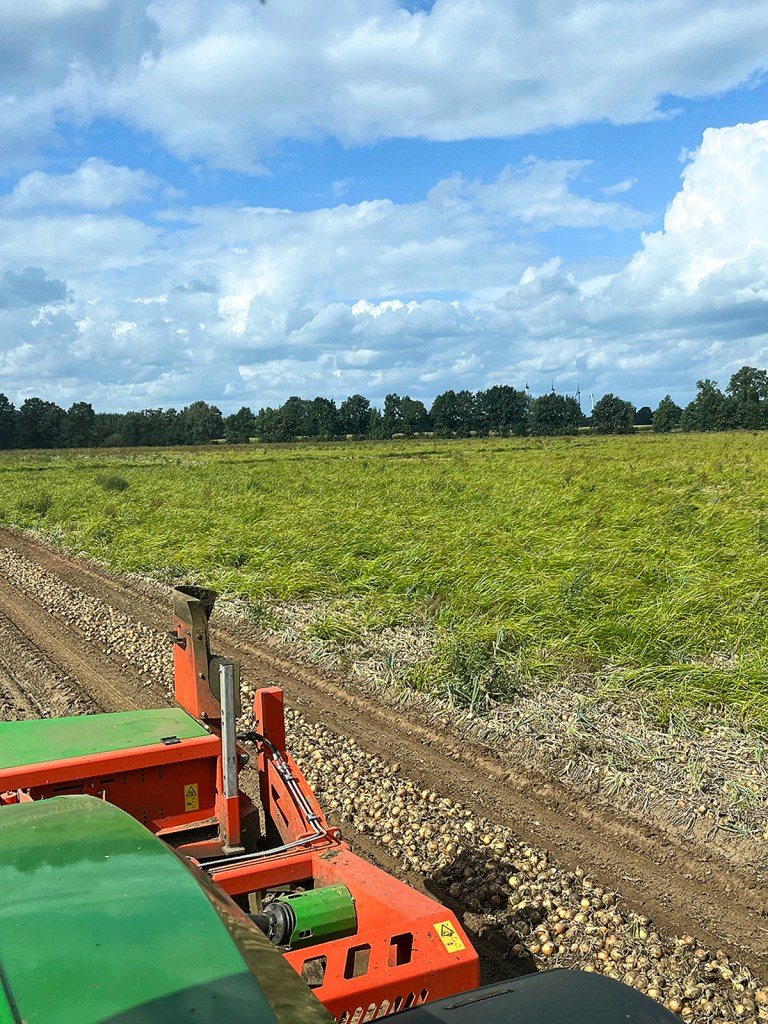
As yellow nutsedge pressure increased in his area, where root crops are very popular, Dennis saw an opportunity to set up his own business. In this home region of Northern Germany, a lot of field work for livestock farms is carried out by contractors, with farmers regularly leasing fields for growing potatoes.
Used kit
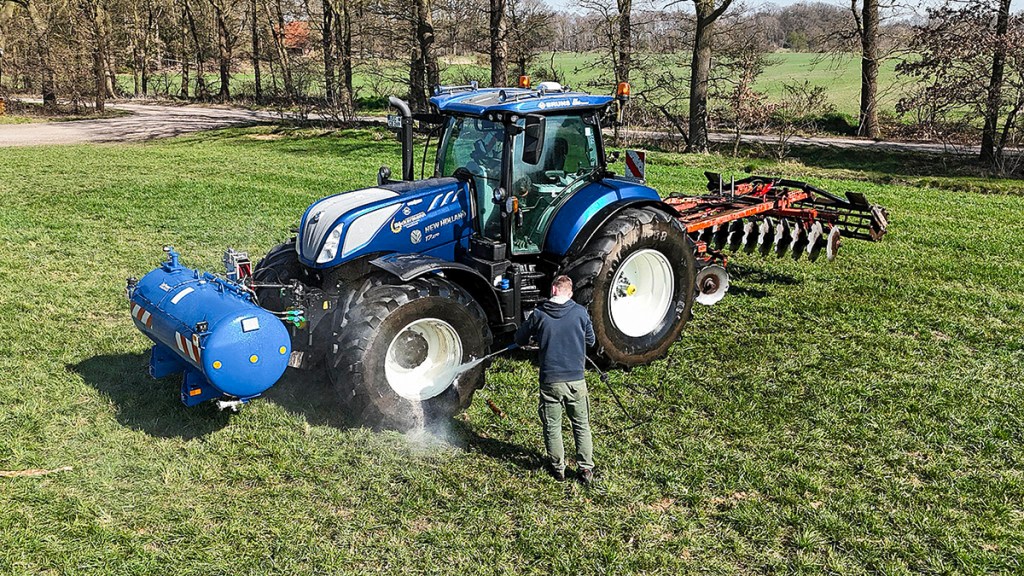
With his first-hand experience, Dennis knew what to look for when buying a second-hand Zasso machine. He found a suitable used Electroherb in the Netherlands. All that he needed now was a tractor, which he hired. The 3.0m wide Electroherb requires about 180hp and a front linkage.
“I learned a lot in my first season, met some interesting experts and haven’t regretted the decision,” Dennis tells us. So far, he has treated fields within a 250km radius of his base in Vechta. “In total I’ve been working from the North Sea coast to the Netherlands,” he says.
Technical set-up
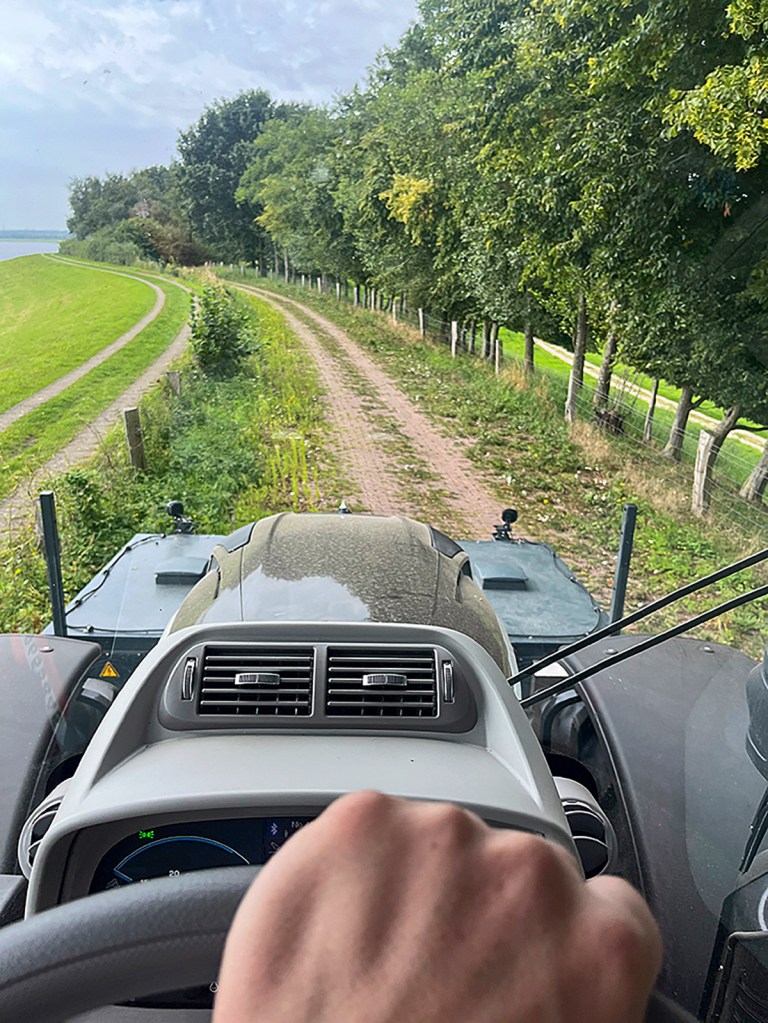
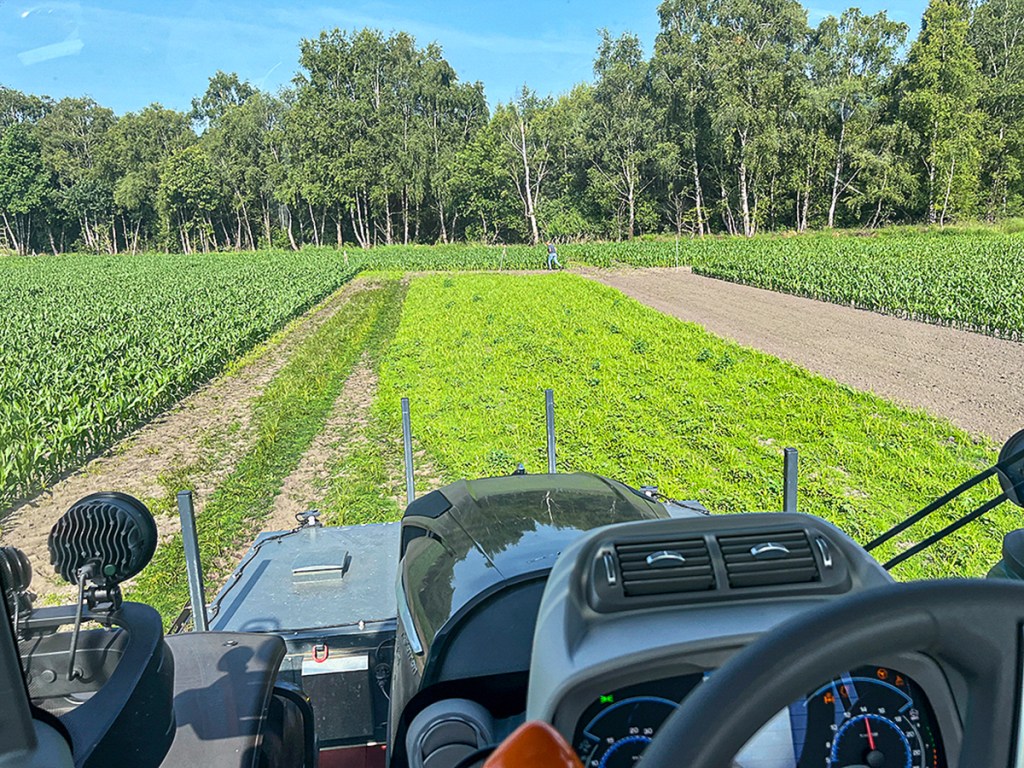
Dennis explains how the system operates: “There’s a pto-powered generator mounted on the rear linkage. This generates 400 volts using alternating current. On the tractor’s front linkage, there are a total of 24 high-voltage units that convert the alternating current into 8,000-volt direct current.”
Underneath the high-voltage units, there are two sliding rails arranged one behind the other. These apply the current to the soil. The leading elements are positively charged, the rear ones negative.
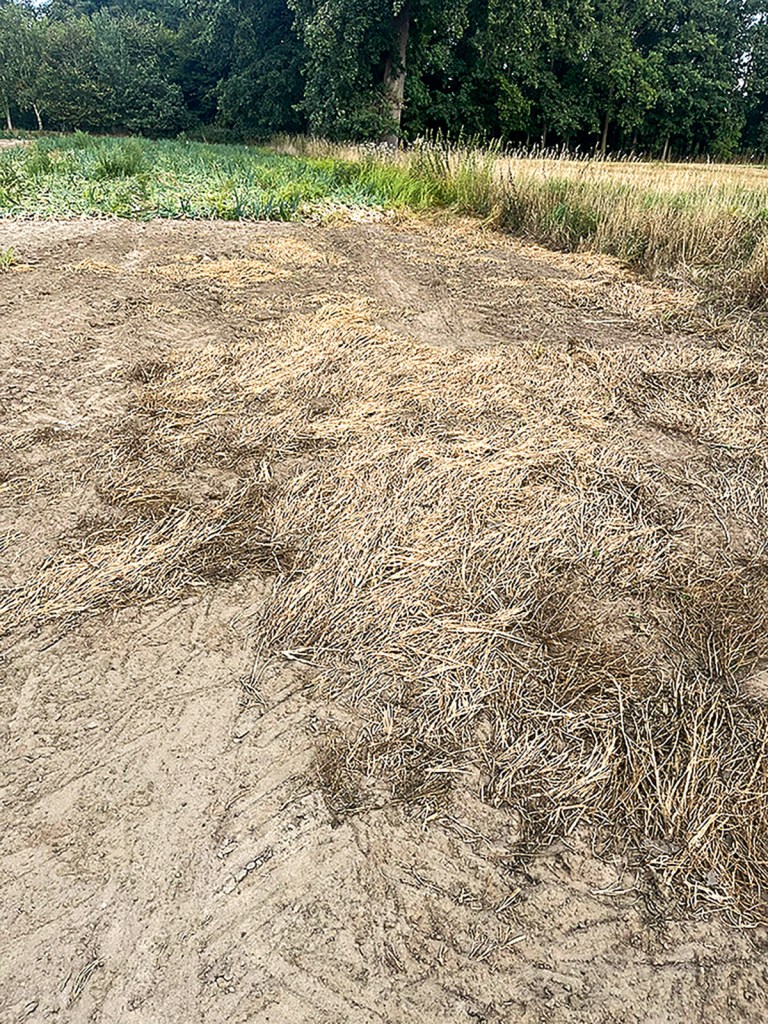
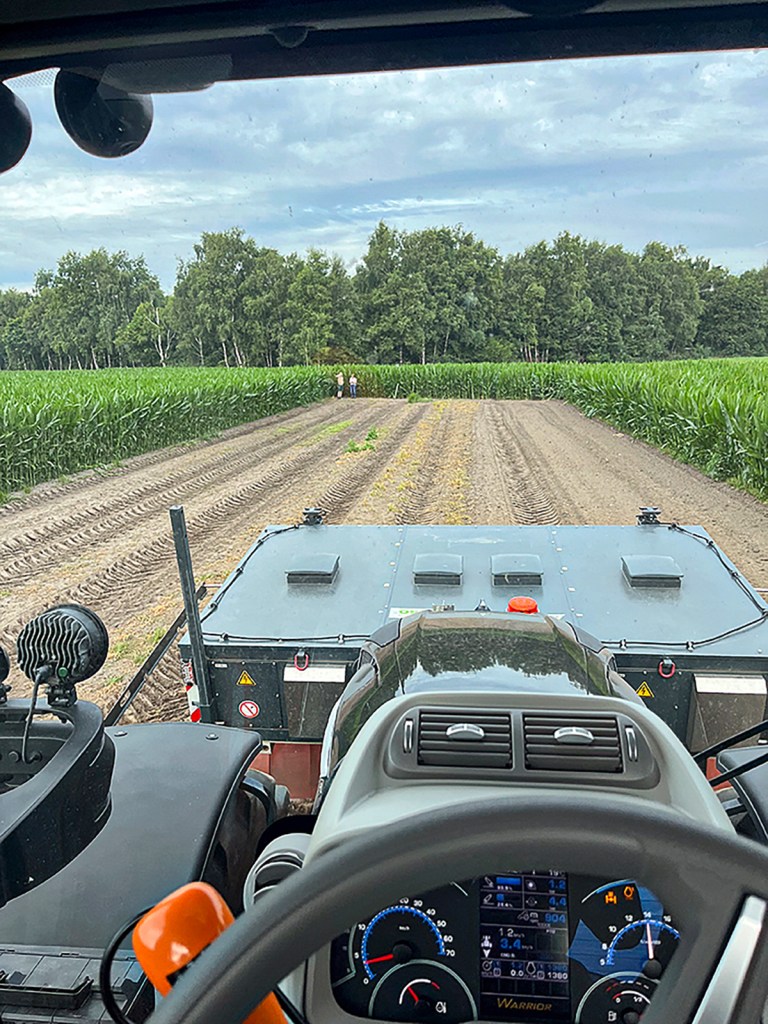
As the machine passes over the crop, the sliding contacts brush over the plants, after which the current flows through the stems and vascular bundles and then back to the opposite pole through the soil/vegetation. This heats the plants causing the cells to burst; afterwards the treated plants look withered. The machine isn’t selective, so any other plants it comes into contact with will also get destroyed.
No side effects
“Customers often ask me what happens to the soil organisms,” comments Dennis. “The electricity only affects organic matter that grows above-ground. I’ve often dug down straight after the application and found plenty of earthworm activity.”
Targeted treatment
For those who plan to fight yellow nutsedge with this electrical process, Dennis gives realistic advice: “Ideally, customers need to act before the infestation has got too far.”
The invasion usually starts from one corner or the edge of the field. If you know where a particular field is infested, you should leave this area uncultivated to avoid further spreading.
Speaking of spreading: “As part of a trial, we threw beans in front of a power harrow and then looked to see where the plants later emerged. It turned out that the 50m long trial strip wasn’t actually long enough!”
It’s much the same with nutsedge and any form of cultivation. Ploughing, for example, just moves the weed into deeper layers where it wouldn’t normally be found.
But it is not just machinery actions that have caused the weed to spread. Dennis points out that wild animals and anglers have played their part. Ducks and geese eat the almonds but cannot always completely digest them. Yellow nutsedge is also a popular fishing bait, when it is better known as tiger nuts, due to the stripes on the almond nut.
Once an infested plot has been identified, Dennis advises: “For the best results, run the Electroherb three times a year for three consecutive years; after that, the field is 95% clean. However the field still needs to be monitored and manually weeded.” During the treatment phase, get as many seeds as possible to germinate.
High costs
There is a catch — the limited output of the 3.0m machine. “The working speed is around 1.0 to 1.2km/hr, so realistically only 0.3ha/hr can be treated,” says Dennis.
This, and the high initial purchase price and parts costs (sliding skids, high-voltage units), means the contractor charges a four-digit figure on average for treating 1ha.
“If it’s only small patches, it’s quicker and cheaper. Even a one-off pass over cereal stubble can bring success if there’s enough green mass in the yellow nutsedge,” says Dennis Niemann.
Fire risk
Extra care is needed particularly on cereal stubble. “There’s a fair bit of smoke and steam here, so I usually work at night in the dew. I always carry a small sprayer with me to put out any smouldering spots.”
In future, Dennis is considering a spray bar behind the machine. He already has an idea for carrying water.
Further applications
“We’ve also already used the Electroherb machine to control common ragwort on pasture as well as Japanese knotweed and thorn apple in arable fields.” On pasture, the grass sward is so strong that it will hold its own again after the treatment, explains the specialist.
Looking to the future, Dennis is optimistic. “I’ve got a good network and exchange ideas regularly with scientists, advisers and other entrepreneurs. I’m confident that technical development will continue.”

Summary
With the Zasso Electroherb, entrepreneur Dennis Niemann offers a way of controlling problem weeds such as yellow nutsedge. High costs are offset by good results. But the expert makes one thing clear. “Control action must start immediately!”
Sönke Schulz
For more up-to-date farming news click here and subscribe now to profi and save.