

In the world we live in, data is king. Your phone can tell you exactly what you’ve been doing on it all week, so using that device to manage your business might justify some of your screentime.
There are very few people who don’t use a smart phone these days, so it’s only natural to expect the software developers to jump on this when it comes to creating management tools. We’ve pulled together some of the offerings that are either UK-specific or are supported well enough that they can be used here. There is a plethora of farm management tools if you search the web, but take care to find out where the supplying companies are based, and what support they actually offer.
Note we are not looking at big machinery maker platforms like John Deere Operations Centre, or PTx FarmEngage. Likewise, there are also management tools like GateKeeper, that can do some of these tasks.
What we looked for were tools that could be used by farmers and contractors, to monitor staff and machines, while also making their back office a more pleasant place to be, with streamlined invoicing and cost management.
Some offer asset management systems. Indeed, any business that employs people and uses machines should have some kind of asset manager. A workshop whiteboard, after all, is probably outdated for larger scale operations that work over multiple bases.
AG-DRIVE
When Will Dunn joined the family North Yorkshire farming and contracting business, it quickly became apparent that he needed a system to decipher dad’s writing. And he also needed some sort of coherent method of communication about what was going on and where.
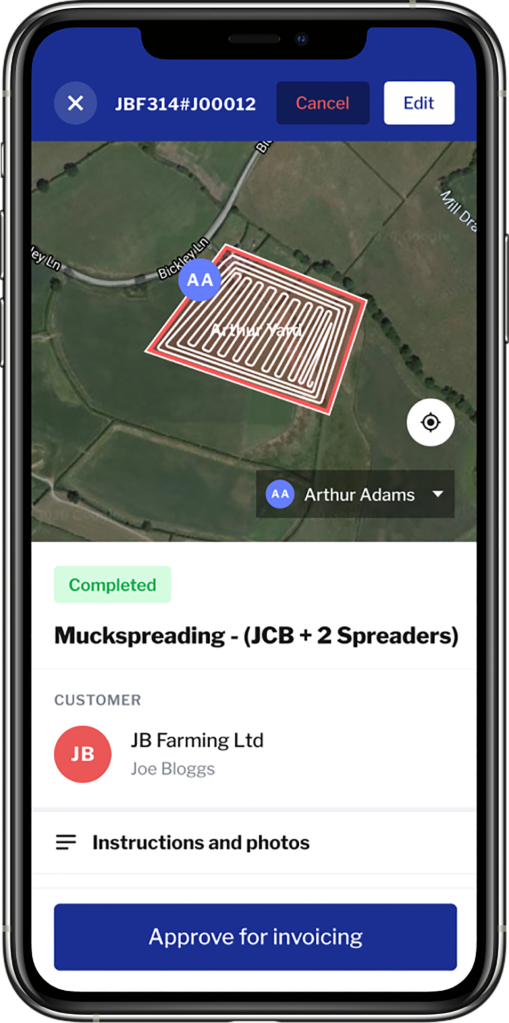
Launched back in June 2021, Ag-Drive was then effectively in its beta testing stage, with about 20 British contractors using the app. This early iteration was a replacement for the diary and maps on paper, able to allocate jobs to operators and show field maps of where the jobs are.
In 2023, Ag-Drive added an accounting plug-in, this allowing users to directly raise invoices using Xero, Quickbooks online or Sage online. This evolution has made the platform infinitely more usable because there only needs to be one complete set of information, and billing can be done straight from the app with the data created by the operator.
In the current app version, managers can allocate jobs, send field maps and drop pins for gateways or other points of interest and any hazards. The operators have prestart safety check lists for their implements and vehicles, timesheet tabs, and can even use the platform to submit holiday requests.
There are some nifty tools for monitoring workers, more from a safety perspective in that a manager can see if the vehicle they are using is moving, and the operators can check in, have breaks and clock times which can be geotagged.
By the latter half of this year there will be the added function of tractor telemetry being implemented. This will streamline the business costings, as fuel use and hours and jobs should automatically populate in the app.
As far as the costs to operate Ag-Drive are concerned, the first user is £15 per month and £8 per month for each user after. So, for a five-user subscription it would cost £47 + VAT per month. Ag-Drive is available through mobile app stores and is scalable to unlimited users.
DEPUTY
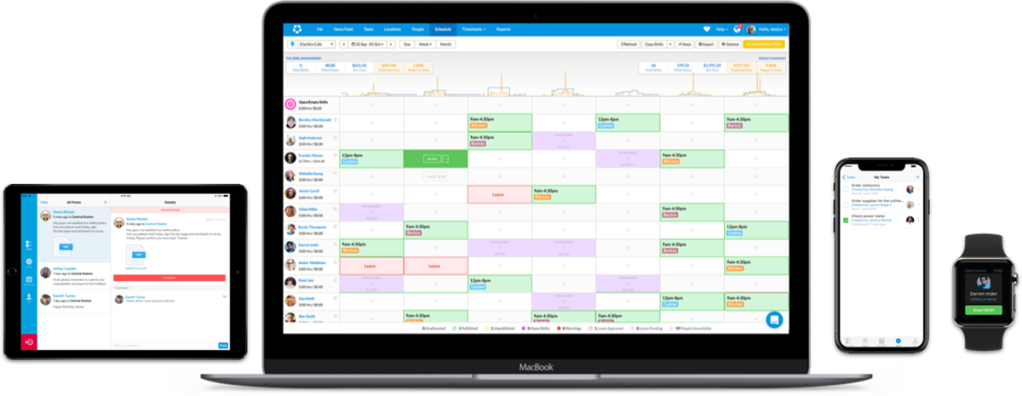
This offers a simple way to manage clocking in/out for staff, and is less about field and machine records. It is pitched at enterprises with human-heavy operations, like soft fruit picking or pack houses — any operation where the team is regular and their time doesn’t need to be matched to a specific task like a contractor.
The system is completely cloud based, and can manage clocking in/out, shift planning task assignment and attendance.
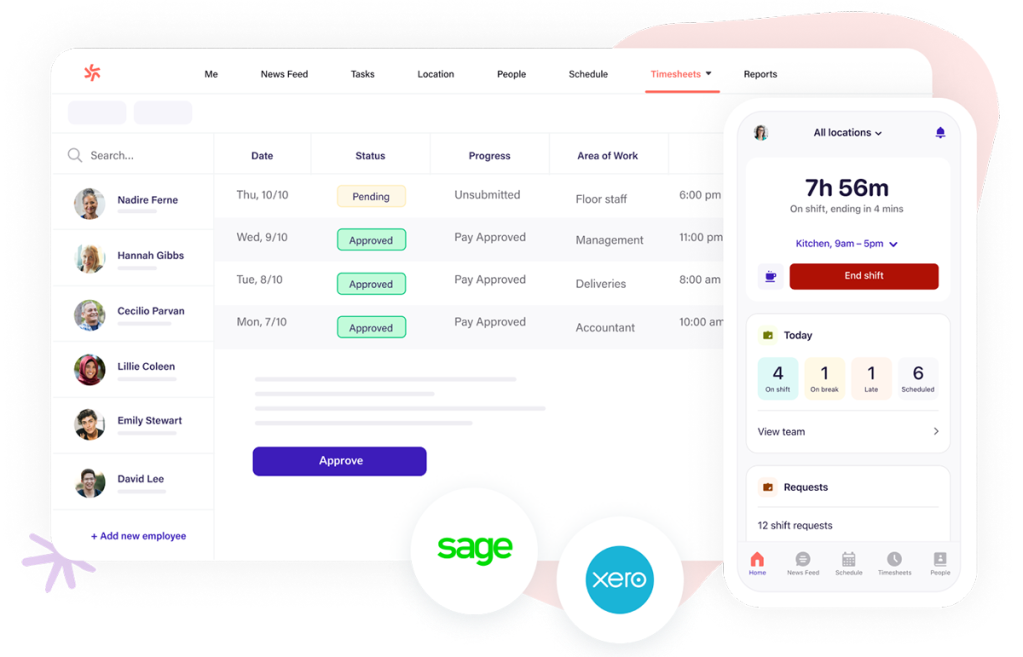
The system can deal with sending messages to team members, informing them of shift changes.
Any mobile device can be used, and Deputy also offers a fixed device for sites such as a pack house, where operatives can clock in and out. A computer is necessary to handle back office workflow through a web page interface; internet is a requirement. Pricing is relative to team numbers, but, as a monthly cost, will be lower than the total farm/contracting platforms.
FARMBACKUP
Danish brothers Søren and Anders Knudsen built the FarmBackup system, which strikes a balance between farming and contracting, offering users new hardware and software solutions to operate their business.
It provides a kit with pre-start checks, invoicing and payroll, which all connect to accounting software that can then generate invoices like Quickbooks and Xero.
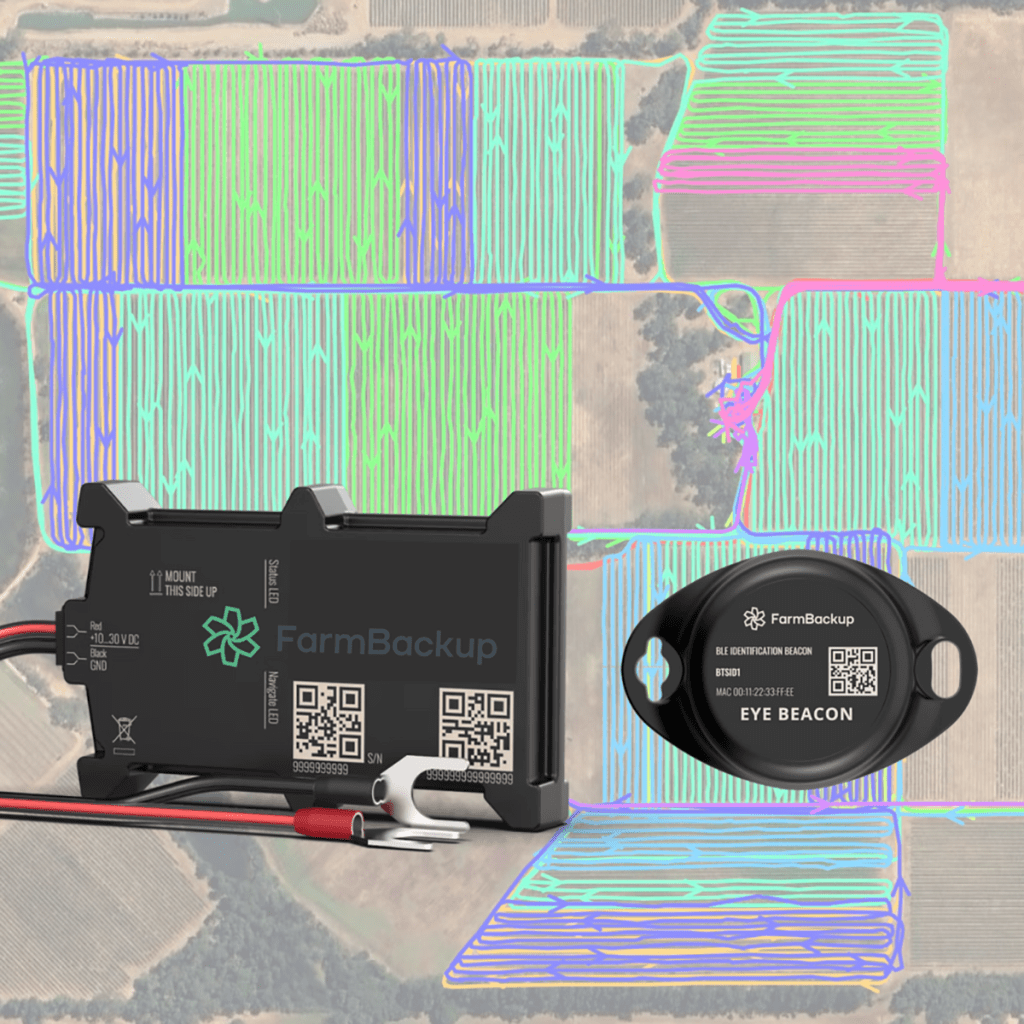
The USP for FarmBackup is their tracking hardware, which can be used directly to deliver machine information, like uptime and distance travelled. This can then be overlaid to show the productivity of that unit.
GPS can also be used to measure field profitability in machine terms, showing how many machines have been into a field, and how much time they spent there. Each tracker can be designated a name, though recording the actual task in the app is still key to getting useable results.
The system can be used to create to-do lists for team members; a manager can input the day’s tasks and send that information to the relevant staff member; and they can also shift a task to another person if it fits better, as well as having a team to-do list that all users can see. It can handle more mundane tasks such as time recording and attendance, which can also be put into the app for payroll. All of this simplifies office hours.
Part of the task management will prompt users to input the ‘product’ to clarify what they were doing. This clearly makes invoicing easier if the admin knows whether it’s a job charged by tonnes or hours or how many bales were made etc.
The platform also offers an inventory tab, ideal for farming operations to keep track of commodities in location and quantity. This facility can export data for invoicing. automatically populating an invoice with totals for streamlined billing.
For the contractor, the system can store client details, which can be used to direct operators to the correct farm, and also retain data for smooth billing. The system works with Apple or Android devices, as well as a desktop.
The next release of FarmBackup will have a machine maintenance page, which adds asset management to the system, prompting users to carry out periodic maintenance if it’s needed during their usage period.
RESOLUTION FARMING
Created by farmers out in New Zealand, Resolution Farming reached UK shores in 2025. The platform is supported by a UK- based team, so time difference for support shouldn’t present a barrier to users.
Encompassing tools and record keeping in one place to simplify the life of farmers and staff, the app is cloud-based but can also work offline. Inputting data offline where network coverage is poor means that the information sits on the mobile device, and, when that device hits Wifi and an internet connection, information is synced up. The system is user configurable, and it can be tailored exactly to your needs by adding or removing tabs.
Resolution allows for animal health records and stock numbers to be centralised, as well as making auditable reports for compliance. People outside the farm like consultants can also see and add data.
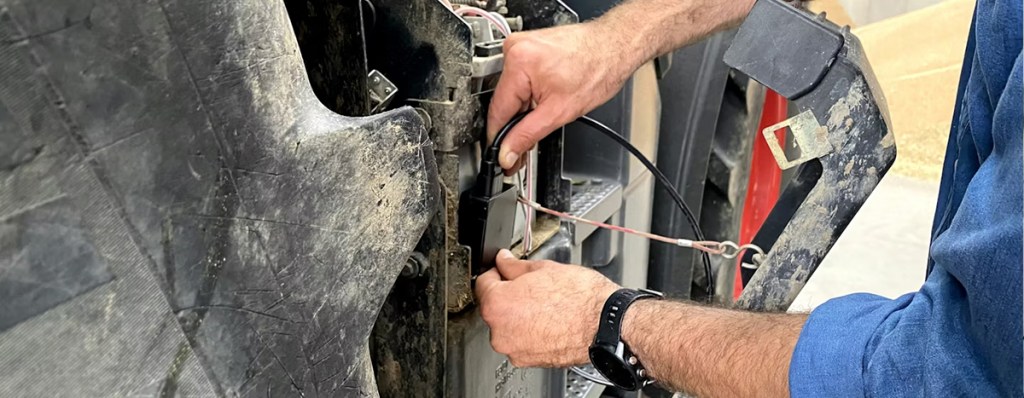
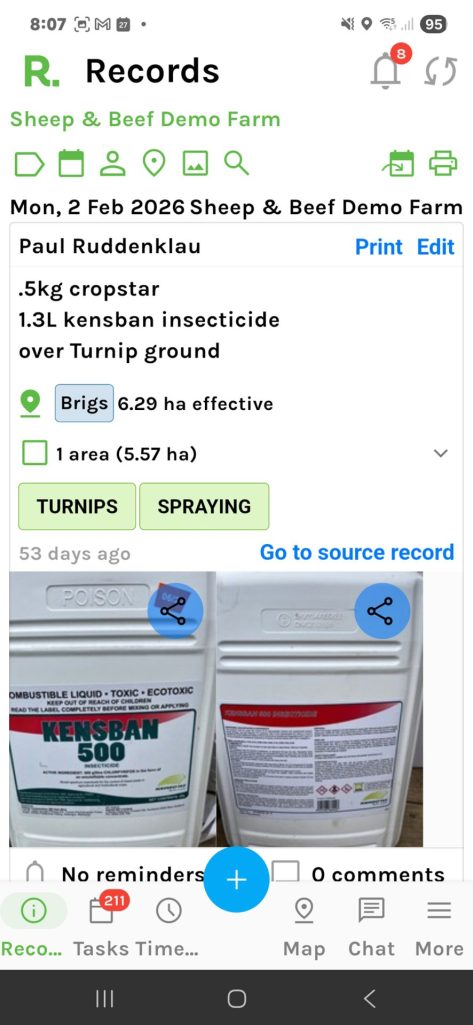
As well as animal records, the platform can map fields and keep records of sprays and fertiliser applications, and staff can also use the system to document issues with photos and location pins. Contractors can use the system to see field maps, where the work needs to be done and document what has been carried out.
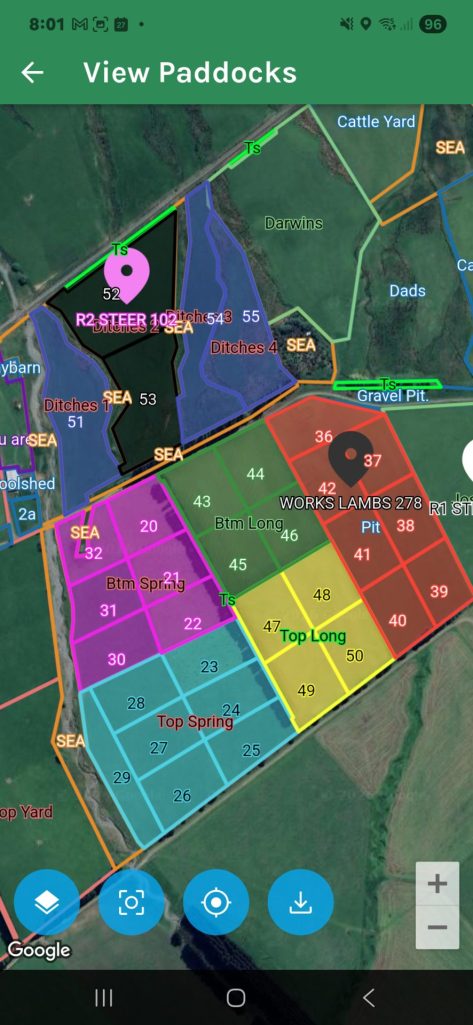
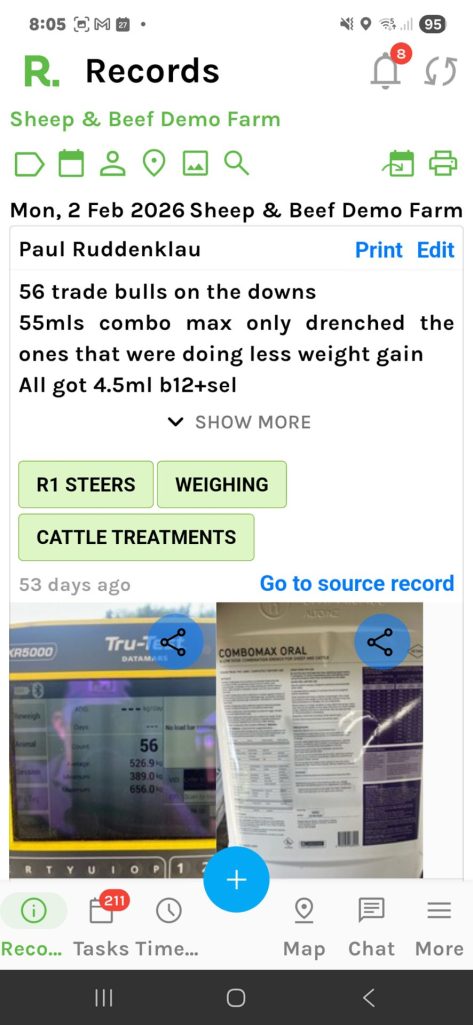
Whether farming or contracting, tasks can be allocated to staff via written message or voice recordings; there is a user specific, complete or incomplete tab showing the jobs. Time sheets are built into the system too, making payroll easier for back office, particularly over multisite operations.
There is a health and safety module that can be used to record and share safety documents, create and share maintenance records and operational checklists among users, and to also keep procedures for jobs centralised for all users — this can be how to access a site or start and use a piece of equipment.
SAFE AG SYSTEMS
This a platform that looks to bridge the gap between asset management and safety, providing its users with a platform that can be used to ensure full health and safety compliance, and documentation as well as asset management, risk assessment and inventory.
Safe Ag Systems can be set up to onboard new staff, and demonstrate how health and safety is implemented on the farm as well as correct procedure, health and safety expectations for your business and what to do in an emergency, and who to contact.
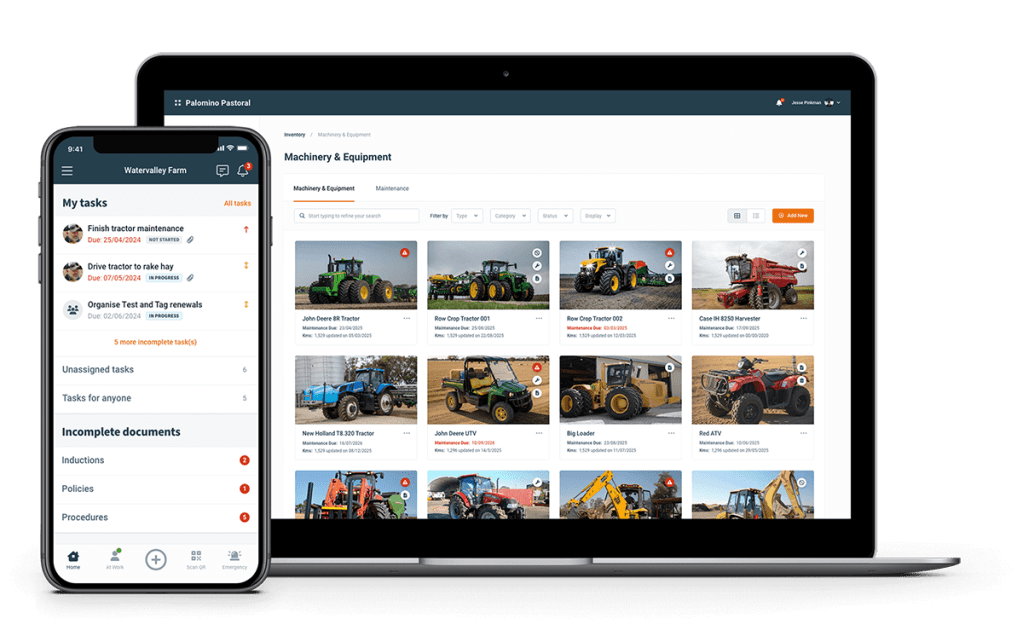
Machinery management is also part of the system using a QR code to carry out pre-start checks, find service records and find out when the machine is next scheduled for maintenance. In addition, the system has an instructional element for machines as well as a lock-out if that piece of equipment isn’t safe to use.
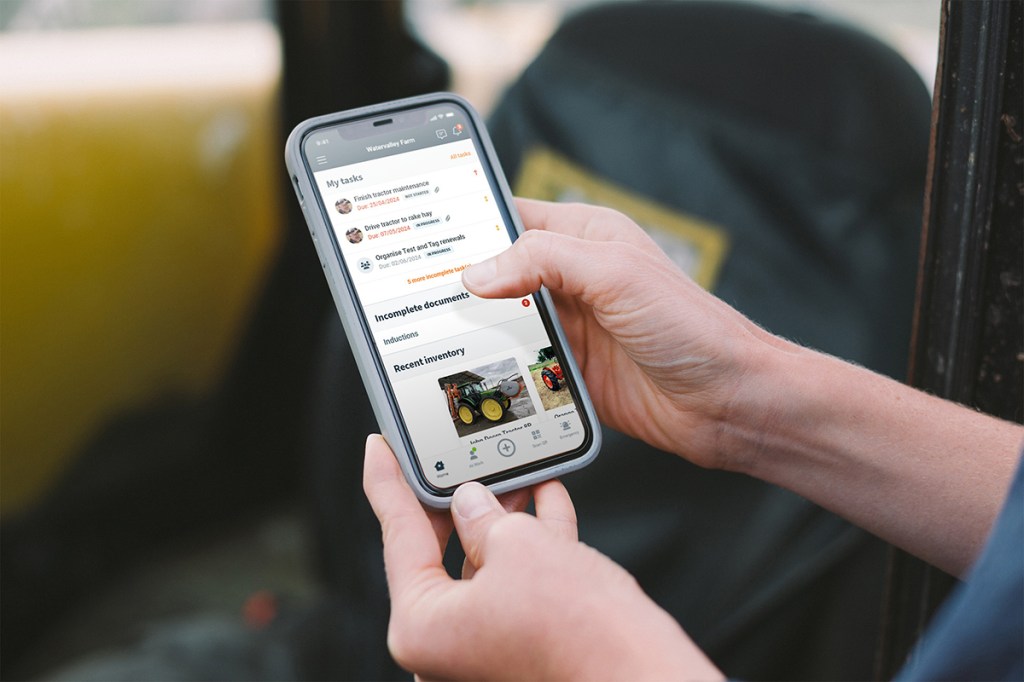
A chemical register is also part of the Safe Ag offering, enabling a central record of sprays, usage and stock levels. Manufacturer safety labels can also be added so that any specific product protocols can be properly adhered to.
For businesses that need auditable safety records, Safe Ag Systems can be used to create business-specific and customisable templates to streamline their compliance. It’s a very useful tool for more intensive producers like greenhouse environments where packing and grading might all be done under one roof, more akin to a factory.
SUM-IT
In the dawn of computers, founder of Sum-It, Geoff Ley, was juggling cassette tapes to bring digitisation to agriculture. A farmer’s son but trained in stock control systems, Geoff decided to apply his understanding of computers and data to agriculture. Now 43 years on, the company is in the process of rolling out Total2, a full suite of farming and contracting management packages for all sectors.
The original Total reached 25 years old and had hit its software architecture limits, so they needed to start again and the Total2 PC-based system is now out and live, with mobile Apps rolling out over the coming months across Apple and Android devices. Customers are able to migrate their data from Total up to Total2 without re-entering the data.
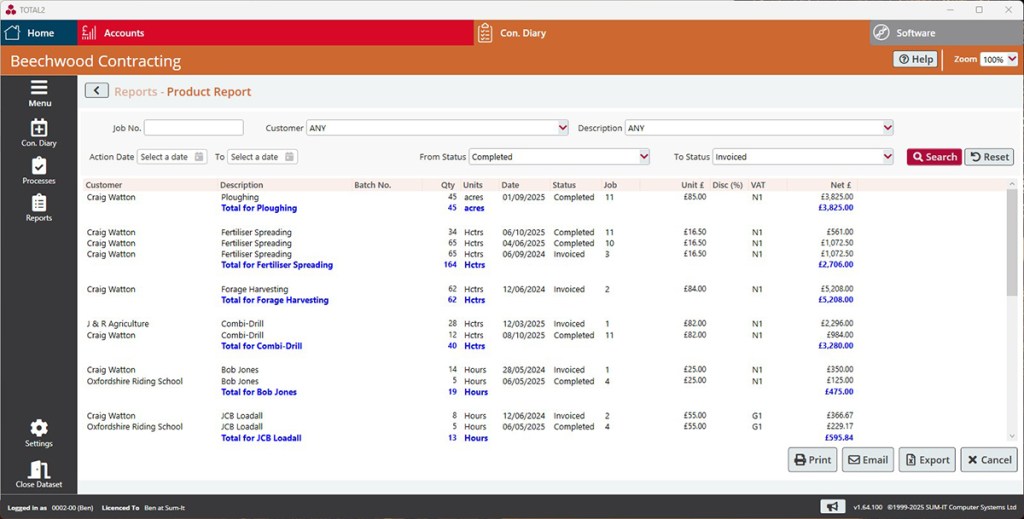
Sum-It’s customers run mixed enterprises, often in remote places, so their Total system is designed and built to cope with poor network and internet coverage, not relying on connectivity to make everything work. The structure of Sum-It is modular, with a one-off payment for the software and an annual service charge for back-up. Then the customer buys what they need. So if you’re a livestock farmer you can purchase the accounts software and the appropriate livestock plug-in whether that’s beef, dairy or sheep.
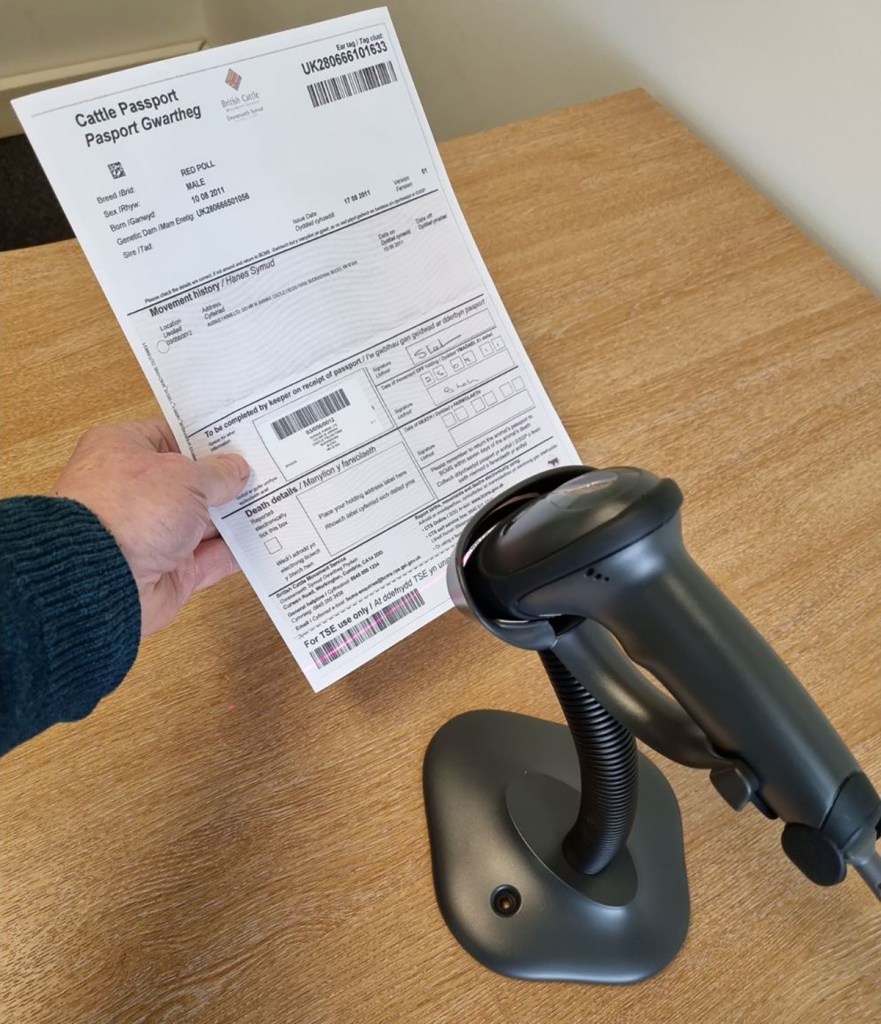
The Sum-It structure is about single data entry, with that information populating all of the relevant sections of the platform automatically. So, if a dairy farmer’s cows calve, they can record the births on the system, which then updates their statutory movement book and will automatically connect to BCMS to generate a passport for that animal.
Contracting plug-ins are more akin to a diary, where work done is entered into the system. This then populates the accounting software with the appropriate data to generate a customer invoice. Sum-It doesn’t offer mapping or location information, and the contracting part is more pitched toward farmers who carry out some contracting rather than it being the main business.
The arable element offers users a fairly complete tool for managing the financial side of crop production. It can be used to calculate gross margins and monitor stock levels like seed, sprays and fertiliser. The system also helps manage farm assurance record keeping and is being updated for when HMRC’s Making Tax Digital (MTD) ITSA system comes online.
A standout feature of Sum-It is the low dependency on connectivity. As long as you have WiFi it can keep itself up to date with info from mobile devices, and then back up to the cloud (if you choose that feature) in the background. Because the software sits on your computer, you’re not dependent on the internet to be able to input data, unlike with a web-based system.
Costs for a contractor would be a one-off £1,290 for the software, £244 per year for support 8am-8pm, and £95 per app/plug-in. There is a discount break for the plug-in: the more apps you use, the cheaper the cost is per app.
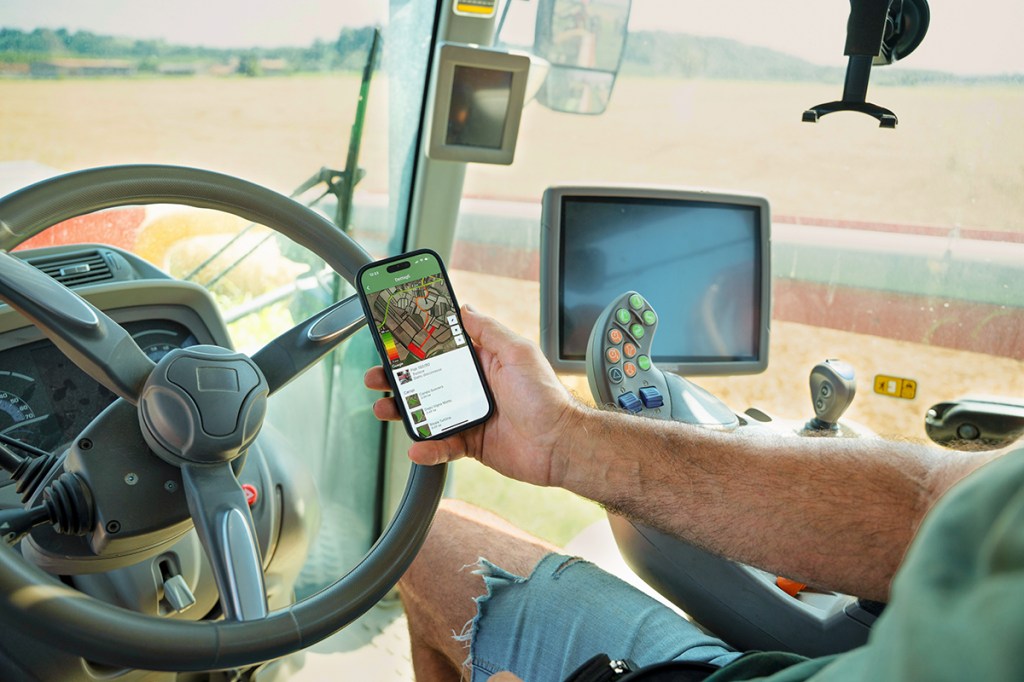
XFARM TECHNOLOGIES
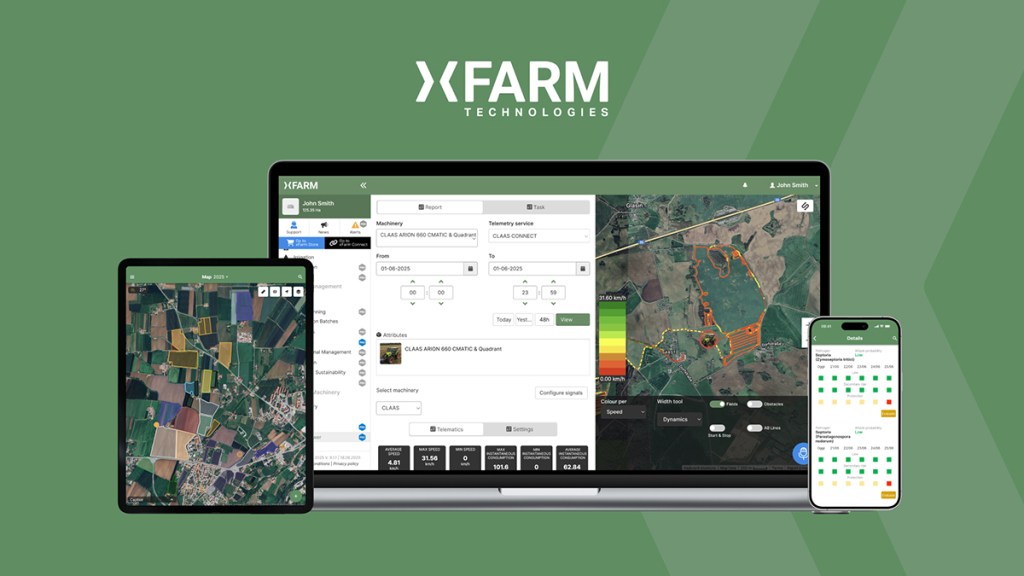
XFarm is a Swiss platform that has rolled out across Europe, Latin America and, for the last two years, in the UK, has been used at Dyson Farms in East Anglia. It is now live and supported in the UK with a farmer-oriented platform that offers management tools for land and machinery with a recently added nutrition tab that can work with agronomists and send information to the operator in the field.
The software offers users a wide range of management tools from arable operations to livestock, where animals can be added to the system, as well as the buildings they are in for compliance. Feed silo levels can also be added for stock control.
On the arable side, fields can be mapped and documented, crops managed and soil condition noted. XFarm also offers sensors from insect traps to moisture sensors and weather stations to add decision making data to your farm’s records.
The system can be used by a manager or agronomist to create digital task sheets, where the product spray or fertiliser can be added at the specified rate. This can be sent to the relevant operator, and they can then add the time taken to carry out the work and also add notes of observations and hazards for other operators.
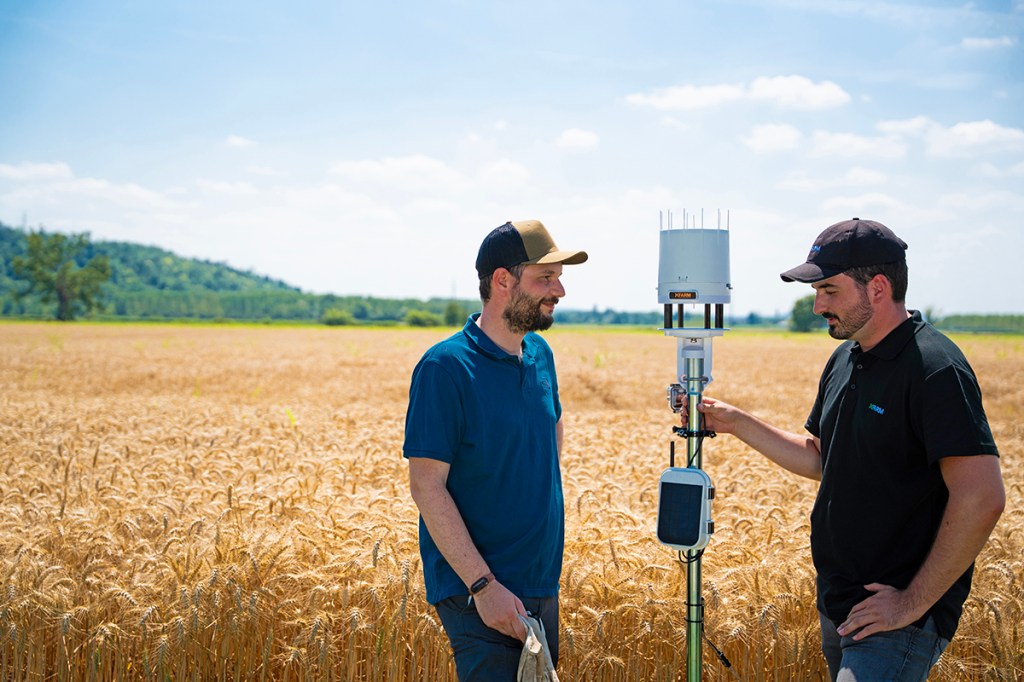
By adding the relevant data, from planting through to crop protection and fertiliser, after harvest the system adds up activities for the field and then gives the manager or owner a profitability summary field by field if the correct data has been entered.
There is an asset management element where machinery can be registered in the app, with some manufacturers offering direct telemetry and many connecting through Agrirouter. This can then be used to monitor the hours and work done as well as keeping maintenance records and for scheduling service for the fleet.
On paper XFarm looks more farm oriented, with lots of tools for monitoring animals, machinery and land. But for contractors it doesn’t yet offer direct invoice creation like some other platforms. However, there is an export function to streamline invoicing.
Ken Topham
For more up-to-date farming news click here and subscribe now to profi and save.