

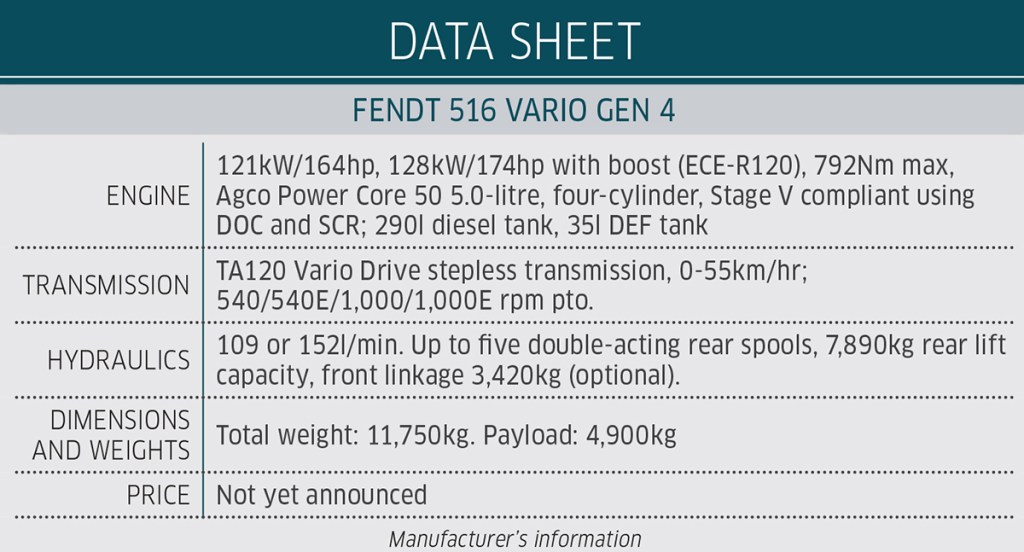
The new Gen 4 version of the 500 Vario may not look dramatically different, but the hardware below the cab has been completely gutted to make way for an Agco Power motor and TA120 Vario Drive transmission. We take a closer look.
KEEPING IT BRIEF
- Around 1,200 Vario 500s have been sold in the UK and Ireland. 27,000 units have been made since 2011.
- Improvements in fuel efficiency mean it should use around 8,000 litres less over 5,000 hours.
- Production starts towards the end of the first quarter of 2026 so the prices are not yet available.
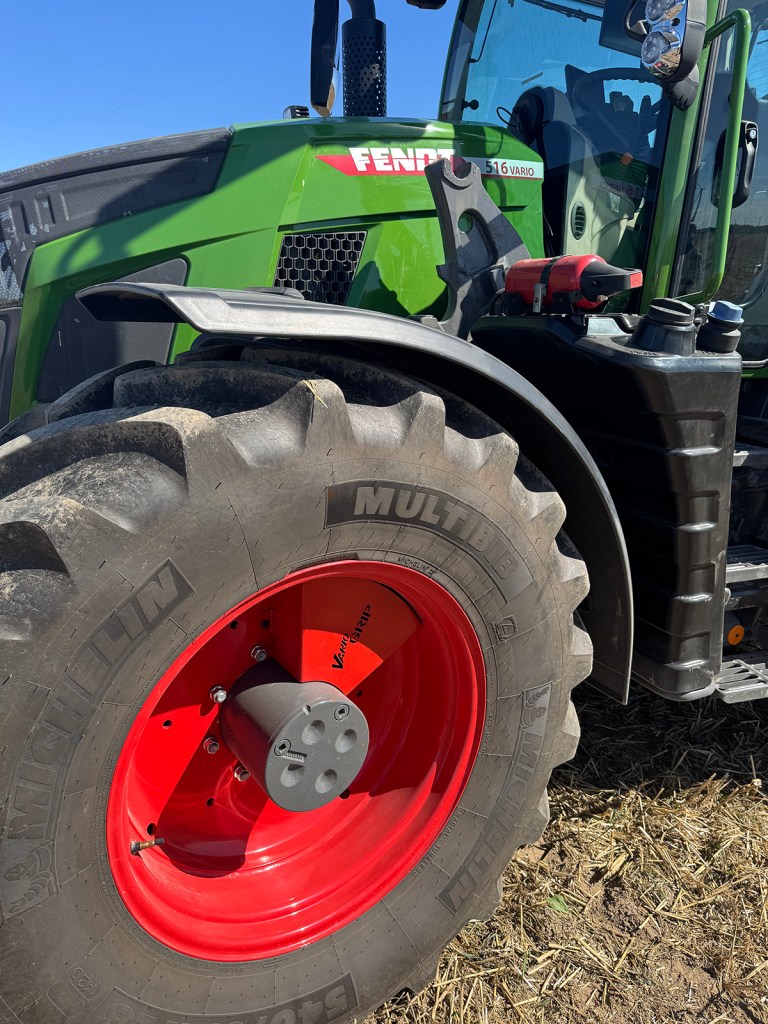
The power offering may be more or less the same on the Gen 4 Vario 500, but the engine and how it gets that power down to the ground has all changed. Since the stepless 500s arrived in 2013, they have been relying on a four-cyl Deutz motor, with the Fendt engineers saying at the time that its largest market of Germany wanted a German-made engine. But that has since all changed, with the Agco Power Core 50 from Finland now supplying the 134hp to 164hp in the four-model range. The 512 Vario has left the line-up.
No replacement for displacement
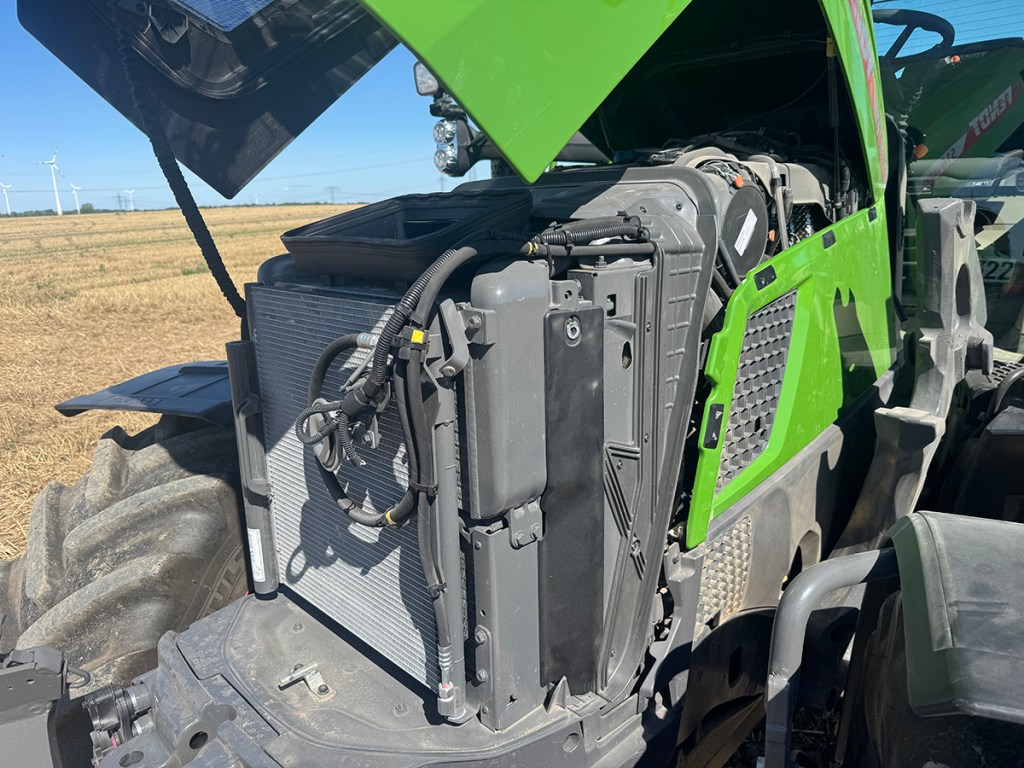
The 500 has swapped the previous 4.0-litre motor for a Agco Power 5.0-litre, which uses the same low speed arrangement as on the larger Fendt models; even the cooling pack is similar to that on the more heavyweight four-pot 600s. The sealed-down unit relies on the suction of the viscous fan to draw in air, while an integrated reverse-blade fan also appears on the options list for the first time for the 500s.
On the subject of service, it seems the Agco engineers are playing things very safe with one of the shortest service intervals on the modern tractor market — an oil swap every 500 hours. Meanwhile Fendt’s competitors are up at 600 hours, and more are heading toward 750 hours in this power bracket. It does go some way to redeeming its premium credentials, with the separate hydraulic and transmission fluids needing attention every 2,000 and 4,000 hours, respectively.
To meet Stage V exhaust emissions the Core 50 goes with a combination of DPF, SCR and DOC. The SCR unit now sits lower down so it is hidden by the A-pillar and doesn’t blot the view. The Finnish-built engine guzzles more AdBlue going from 3.0% to 6.0% but then does reward owners with better fuel consumption — in the region of 8,000 litres fewer over the course of 5,000 hours.
Under its DynamicPerformance banner there’s an extra 10hp to help feed power sapping auxiliaries such as air-con, so there’s less of a drop in power to get work done. Torque is one area the new engines do well, with the Gen 4 516 having 792Nm, which is 100Nm more than the old 516. Fendt actually says the new 515 has the same performance as the old 516 despite less rated power.
Different drive
The VarioDrive TA120 has been designed specifically for the Gen 4 range, and it uses much the same operating principles as the larger 600-1000 series Vario tractors.
As well as curing the longstanding profi criticism of no longer having to manually change between the low/high range, there is a fluid-driven, four-wheel drive system. The latter disengages automatically over 25km/hr, but it also means the front wheels can speed up to prevent turf damage when turning on pasture.
This design has also helped to trim the 500’s turning circle to just 10.1m with the four-wheel drive engaged — it was previously out at 12.2m.
The top speed of 50km/hr can be reached at 1,600rpm, and, if you want to trundle along at 40km/hr, this is at a fuel sipping 1,300rpm.
And, when it comes to stopping the tractor, angle sensors detect whether it is going up or downhill. It can then use this data to apply the trailed implement’s brakes if needed. An automatic park brake has also been added to the features list.
There’s a total of four pto speeds (540/540E/1,000/1,000E).
Other bits
- The windscreen can now be laminated. Not only does this mean it won’t shatter, but it also makes the cabin much quieter by around 6dB(A). But that’s about the only notable change.
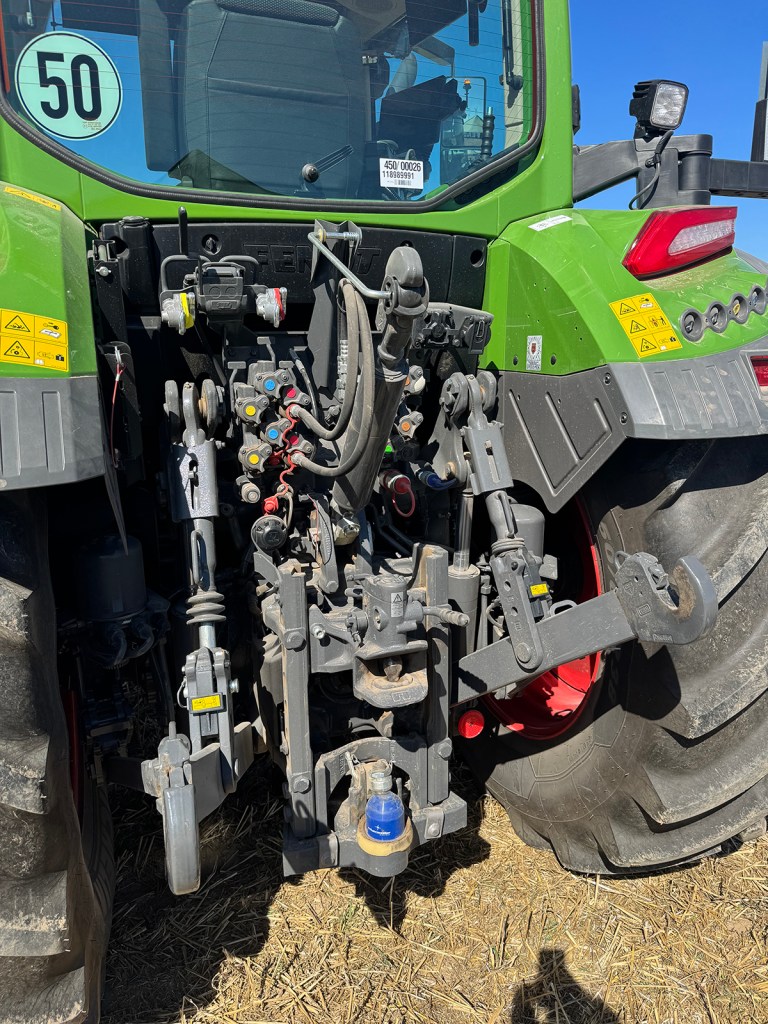
- There are two hydraulic pump options: 109 or 152l/min, with a maximum flow rate of 120l/min to one coupler. Up to two front spool valves, two mid-mounts and five rear couplers can be specified.
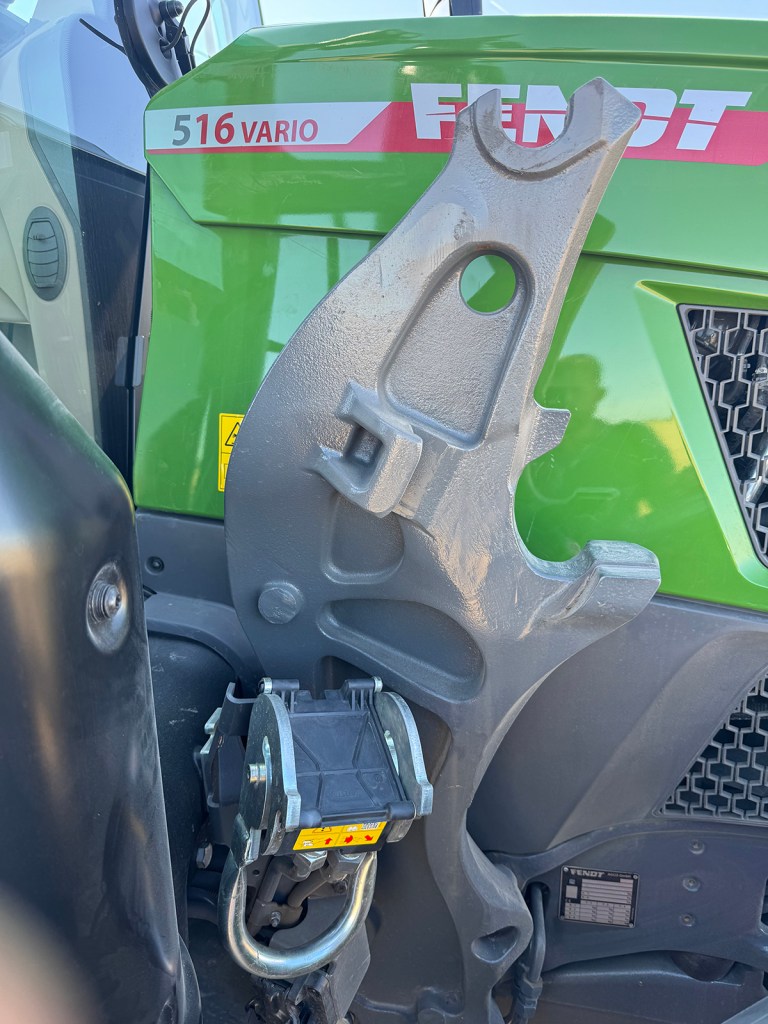
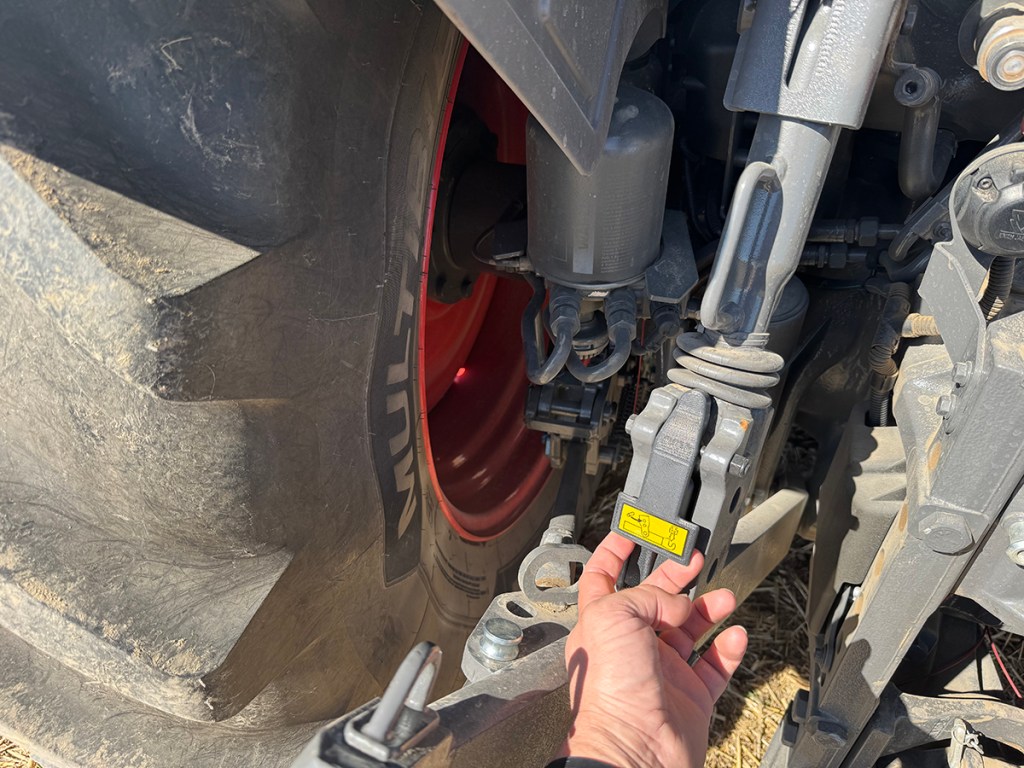
- British and Irish tractors get a Bill Bennett pick-up hitch.
- The ‘Ground Vision’ lights on the lower edge of the rear mudguards are also on these tractors.
Behind the wheel
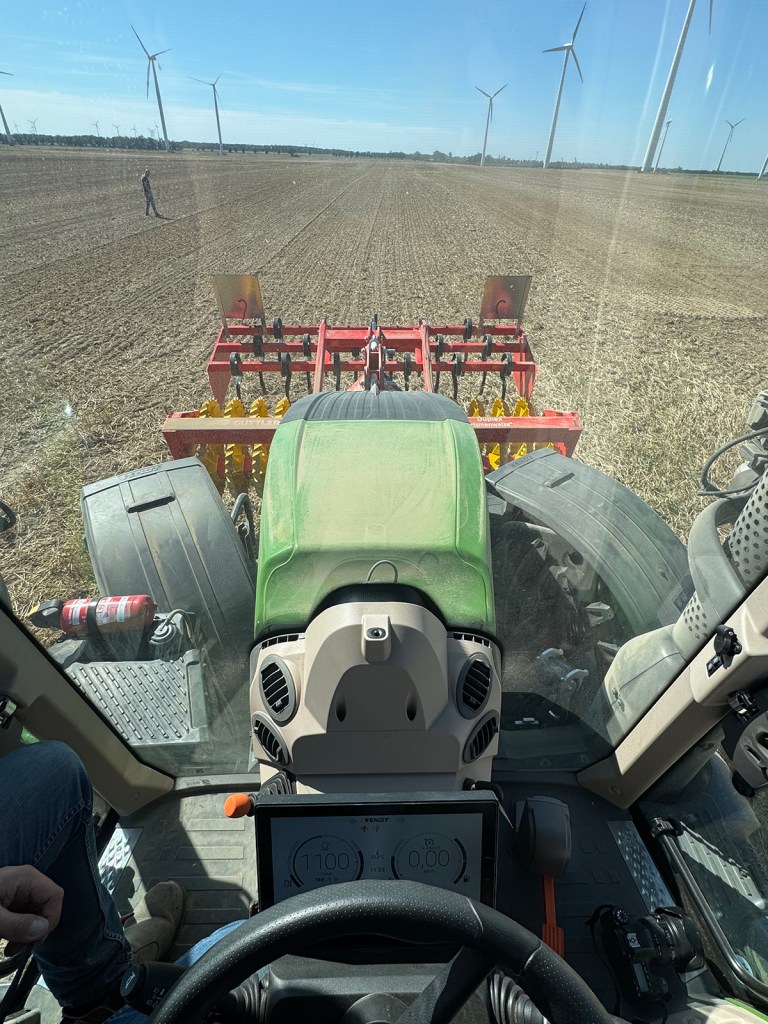
We had a brief drive with a 516 Gen 4 in the field at its official launch. To emphasise its increased load-carrying credentials it was carrying a weighty Güttler front press and 3.0m Horsch power harrow drill combi on the rear. But what really impressed from the seat was the tight turn and manoeuvrability, along with the noise levels in the cab.
The controls will be familiar to any FendtOne user; there is no real change there. The fit and finish are also impressive, but then they ought to be from a manufacturer regarded as being one of the most premium makes on the market. With just five minutes in the cab it’s hard to say how good the new engine and transmission set-up is, but hopefully we will have a longer stint in the seat in a future issue.
Mervyn Bailey
For more up-to-date farming news click here and subscribe now to profi and save.