
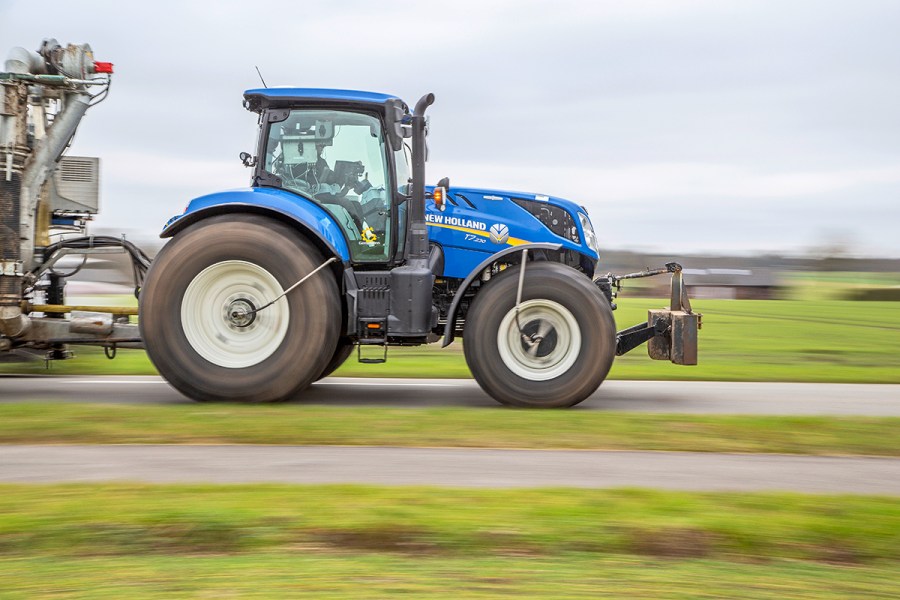
The long-wheelbase T7 has become a bit of a stalwart in the New Holland line-up. We check out a T7.230.
KEEPING IT BRIEF
- The featured T7.230 has clocked up 2,920 hours on a mixed farm in just two years.
- So far, the biggest breakdown has been a faulty spool valve.
- Main jobs are spreading fertiliser and drilling.
It has been a while since we checked out a long-wheelbase NH T7 for one of our owner opinion reliability reports. This particular workhorse is pre-PLMI, which saw a number of updates in 2023 to this frame size. And of course, last year, (profi 11/2025) the short-wheelbase models were given a significant freshen-up.
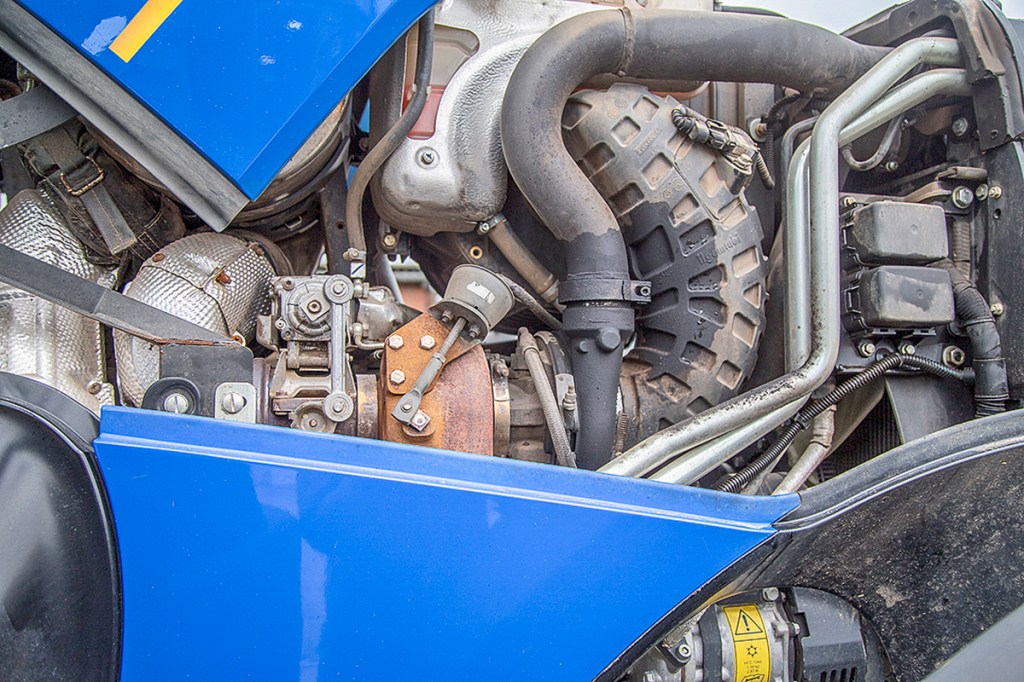
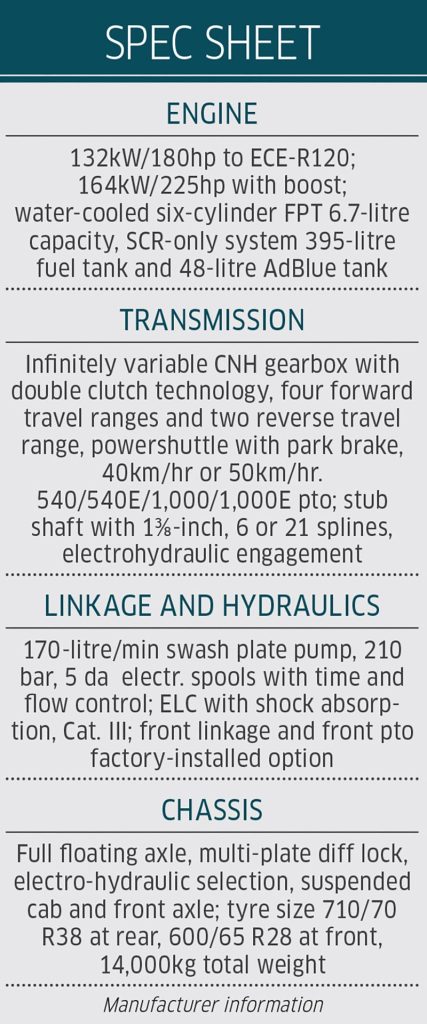
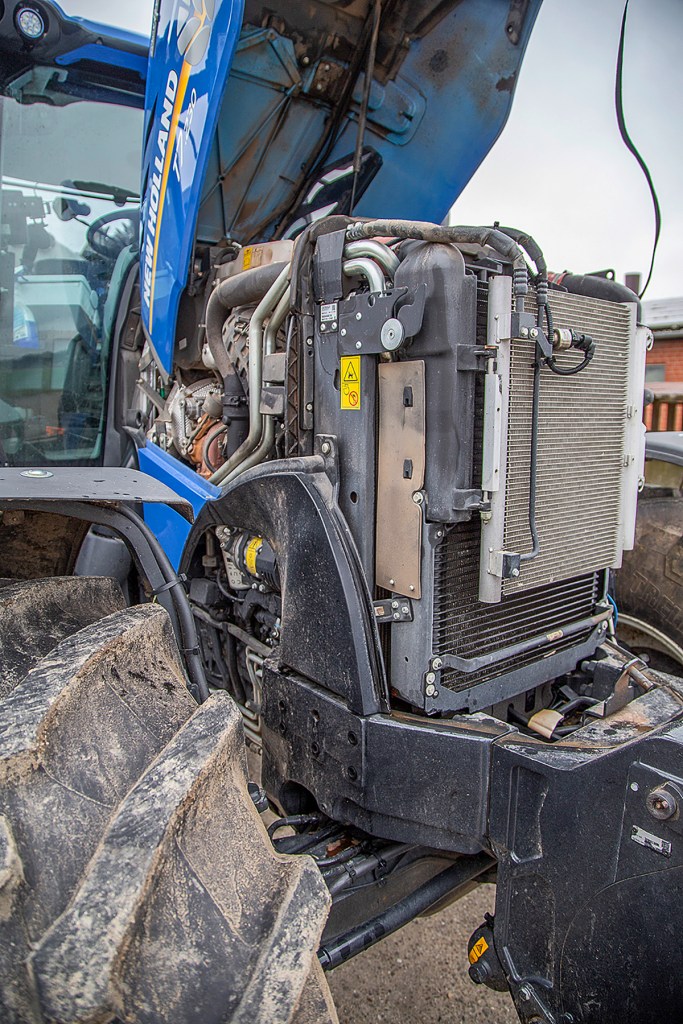
Back to our long-term test T7.230. This is rated at 132kW/180hp (to ECER 120, without fan blades) and up to 165kW/225hp when the boost kicks in. In a little over two years, it has clocked up more than 2,900 hours on a mixed arable farm while also doing its fair share of contracting work, and there is only a handful of entries in the reliability log. The smooth running six-cylinder has been reliably delivering its power; the only niggle has been a leaking hose clamp on the turbocharger, which was spotted at 2,600 hours.
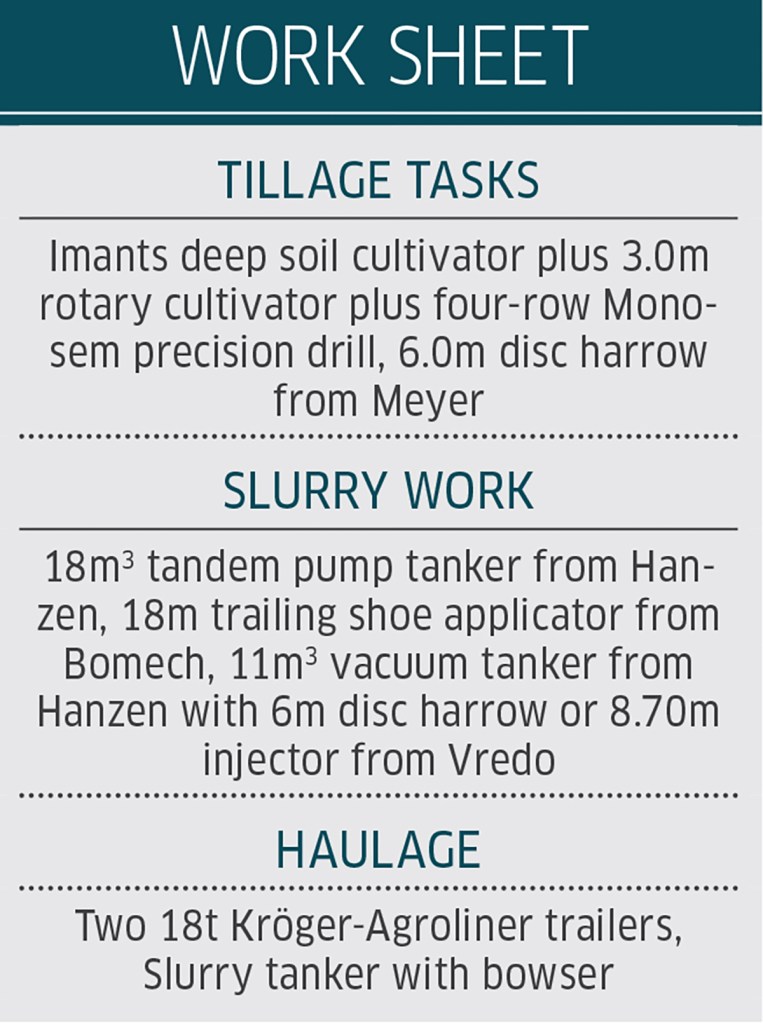
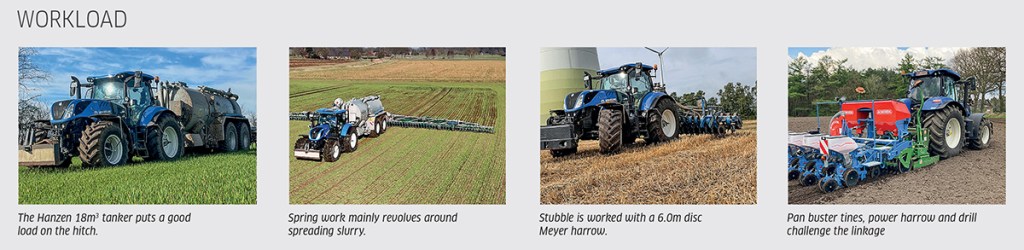
Our test subject spends most of its time lugging an 18m³ slurry tanker or a 3.0m wide combination drill (see the Work Log on page 17 for the full list).
The 6.7-litre FPT will typically use 12 to 15 litres per hour on mixed transport work. Get into the field, and it will use around 23l/hr when applying slurry and up to a max of about 36l/hr when being worked hard on a cultivator. AdBlue consumption also has to be factored in.
Trouble-free transmission
The continuously variable CNH transmission, which in these long-wheelbase T7 models automatically switches between the four ranges using a dual clutch, receives a lot of praise from the owner and operator. They like the efficiency as well as the modulation and control; however, the typical hydraulic noises during start-up, the noticeable shift between the ranges and the rather sluggish response when the oil is still cold also get a mention.
The joystick controls and the pre-selection of the three driving ranges gain a thumbs- up. The cruise control also scores points when spreading slurry, especially when compared to the Case IH Puma stablemate. However, it’s difficult to smoothly transfer the speed from the cruise control to the drive pedal.
Having four pto speeds is really useful for the slurry tanker, and the rotary switch for changing the speeds is also handy with the heavy combi seed drill.
Sturdy linkage
One reason for buying the larger T7 with its longer wheelbase and 1.4t of extra bulk was the three-point linkage. Boasting a continuous lift force of more than 9t, the tractor hasn’t let its owners down. While the lift range could be more generous, the sturdy stabilisers and ease of operation earn good marks. Of late, a slight sagging of the linkage has been noticed, and the cause is still being investigated. The front linkage mainly acts as a ballast carrier.
As this was an ex-demo tractor, the owner had little say on what tyres were fitted. Rather than being supplied on the biggest tyres possible, (which is 710/60 R42 on the back), it was supplied on 600/65 R28, 710/70 R38 rubber. Instead of swapping the tyres, the decision was made to retrofit an STG central tyre inflation system, which gets its air from the slurry tanker’s screw compressor. When not used with the tanker, the tractor’s own compressor reinflates the tyres, but it does take longer to get them up to road-going pressure. However, even with this extra workload, the belt-driven compressor has been reliable.
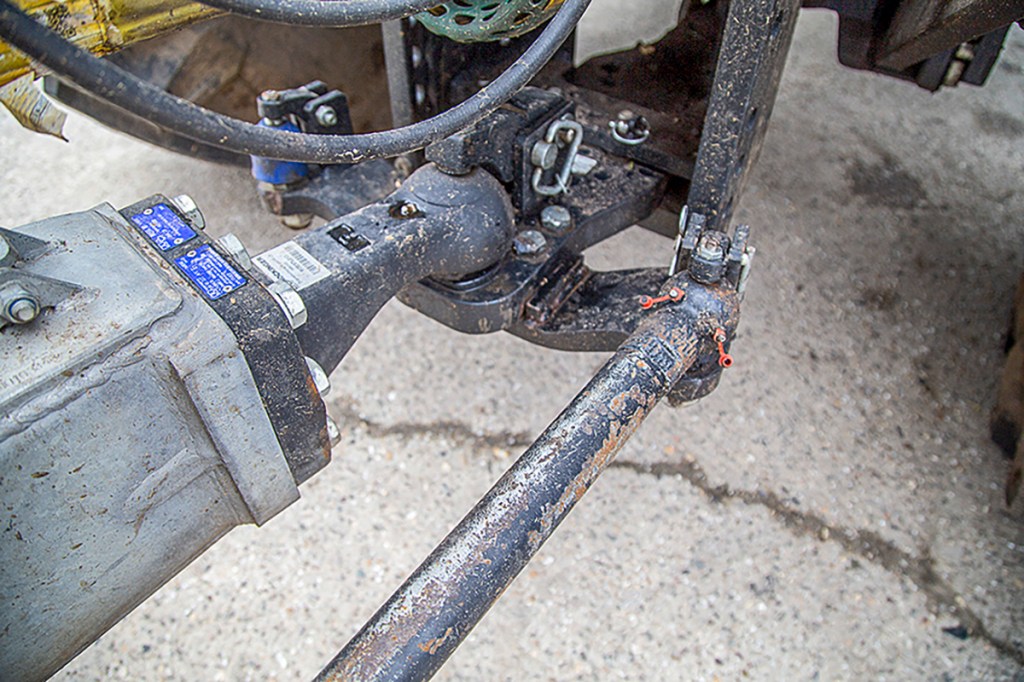
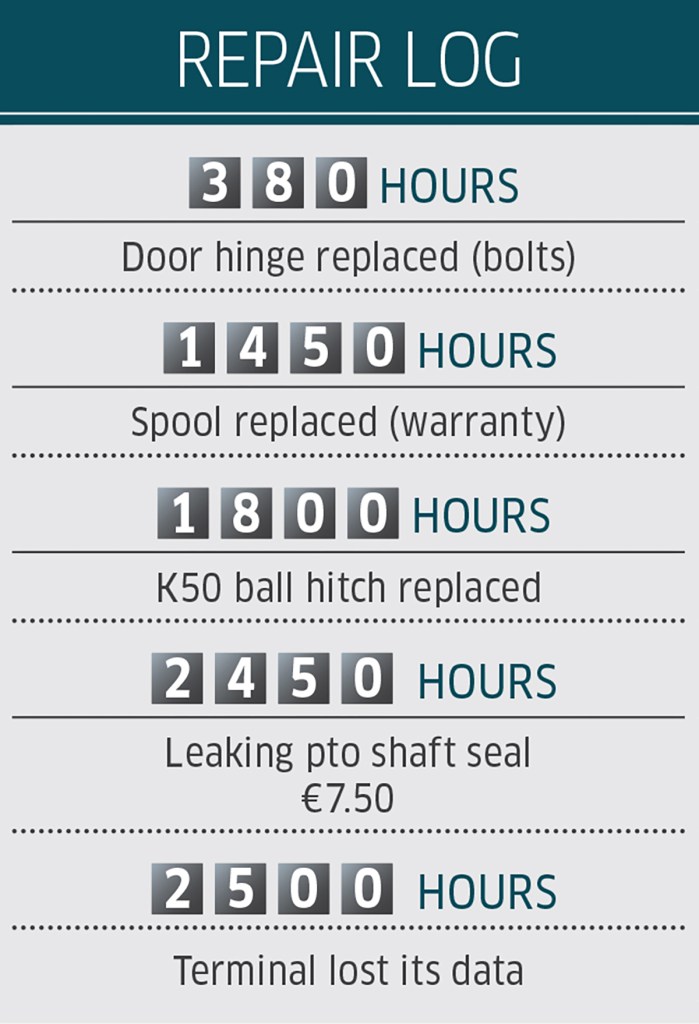
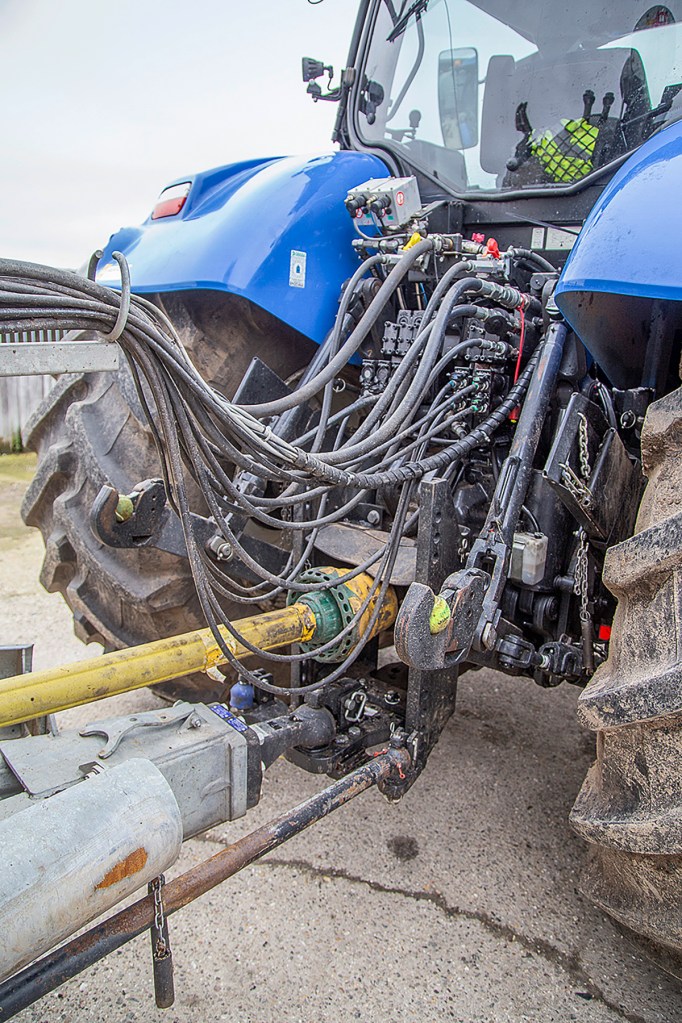
Being in Germany, this tractor has the ladder hitch system. The durability of the rear K50 hitch ball, used for controlling the active steering, has been problematic, although this is not entirely the tractor’s fault. On the one hand, a robust, long drawbar with an integrated K80 ball is fitted — which is good. On the other, the considerable forces from the tanker’s hydraulic steering cylinder are high, so you need to make sure it is tightly fastened. Even so, after about 1,800 hours the K50 ball sheared off and had to be replaced.
For his next tanker, the owner is considering an electronic steering system, since the tanker is already using the PowerBeyond hydraulics fed by the higher output 170l/min (150l/min standard) pump which has sufficient output for this T7’s workload.
The operator has modified the detents of the five spool controls so they move more easily into float position (see profi 9/2020). However, the niggly flipside is that, lacking resistance, the paddle switch may slip into its float too easily. On the subject of the spool valves, after 1,450 hours, one of the rear spools had to be replaced.
Comfortable in the cab
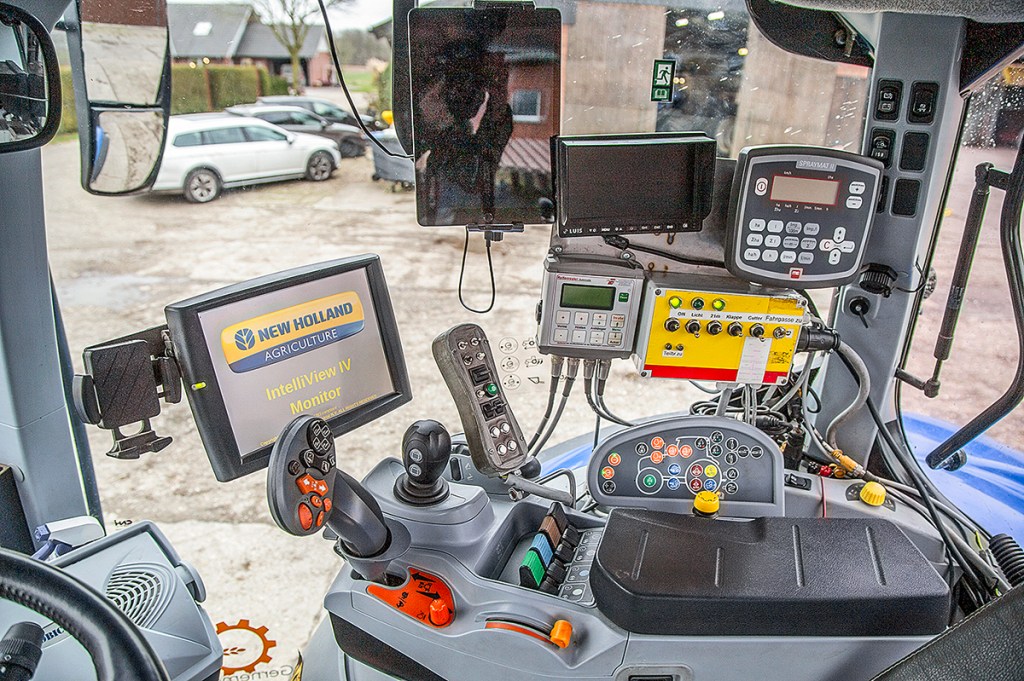
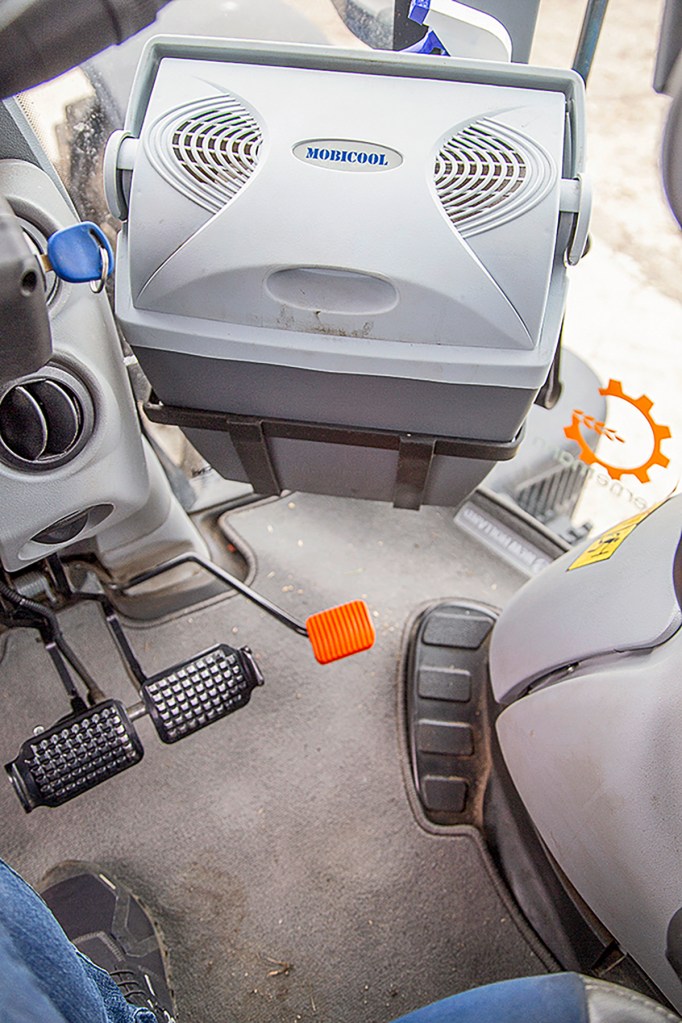
In the cab, the T7 operators have installed various screens and brackets to the sturdy right-hand ‘Baler Bar’ rail system. They also relocated the activation button for the auto-steer system to the tanker’s control box. All of the various additional displays and controls are not the only reason why visibility is limited. The small area cleared by the wiper is a point of annoyance for our users.
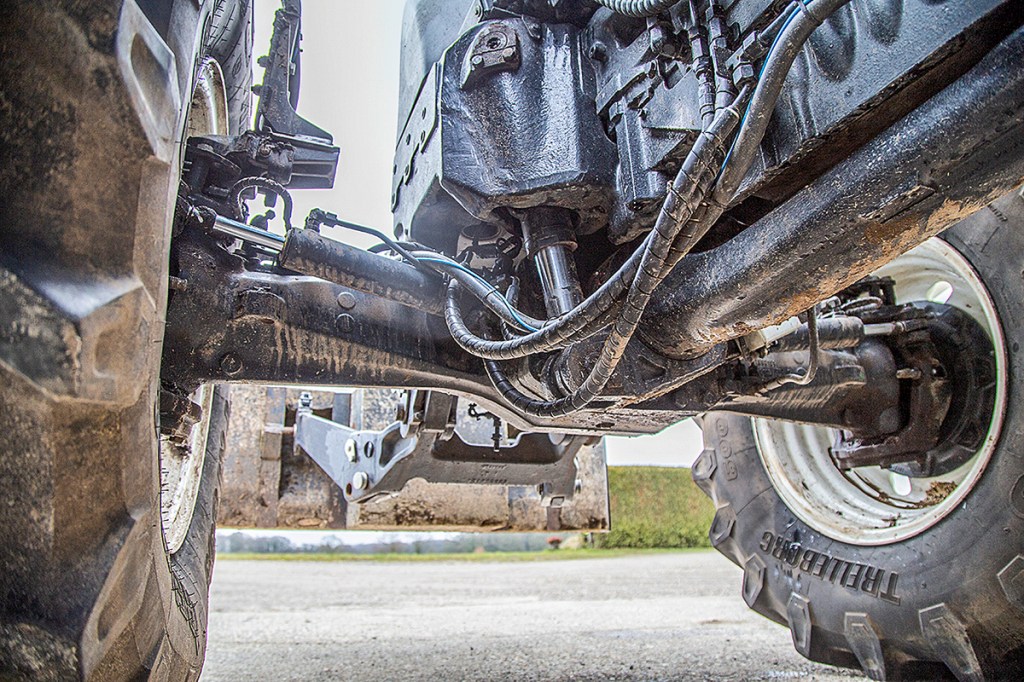
Otherwise, the quiet cab earns good marks, even though the ride comfort provided by the front axle and mechanically sprung cab is only rated as satisfactory when on the road.
Strangely, the IntelliView screen lost all its data after 2,550 hours, including all of the field data and waylines. Data back-up was able to restore setting the screen. Over the two years, operators have become used to the long bootup time for the screen.
The 395-litre fuel tank is large enough to make it through long working days, while the air conditioning (this tractor doesn’t have automatic climate control) and the LED lighting system get good reviews. The broken door hinge after 380 hours was only cosmetic and was repaired free of charge.
Maintenance costs
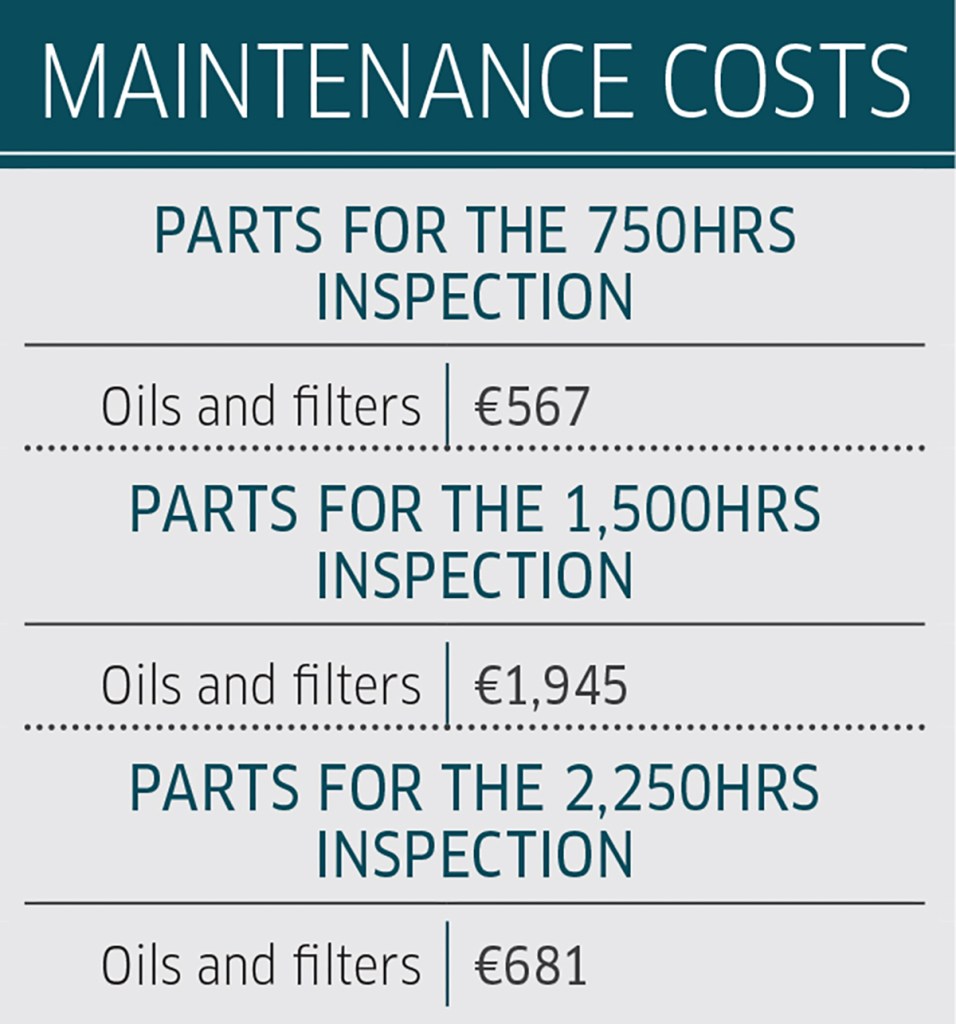
Lastly, the maintenance costs. Engine oil changes for the T7 are every 750 hours (15 litres). The shared transmission/hydraulic oil is dropped every 1,500 hours (84 litres). This has so far left only low maintenance costs of €1.40 per hour, excluding labour.
Summary
The T7.230 has ticked a lot of satisfaction boxes in its 2,920 hours, without any major hiccups. The smallest model in the long- wheelbase range with a CVT, it stands out for its smooth running FPT engine and the troublefree, easy to operate AutoCommand ‘box. A replaced spool, new door hinge and the leaky pto stub shaft are relatively minor niggles. The featured tractor has proven well-equipped to take on a variety of jobs.
Tobias Bensing
For more up-to-date farming news click here and subscribe now to profi and save.