
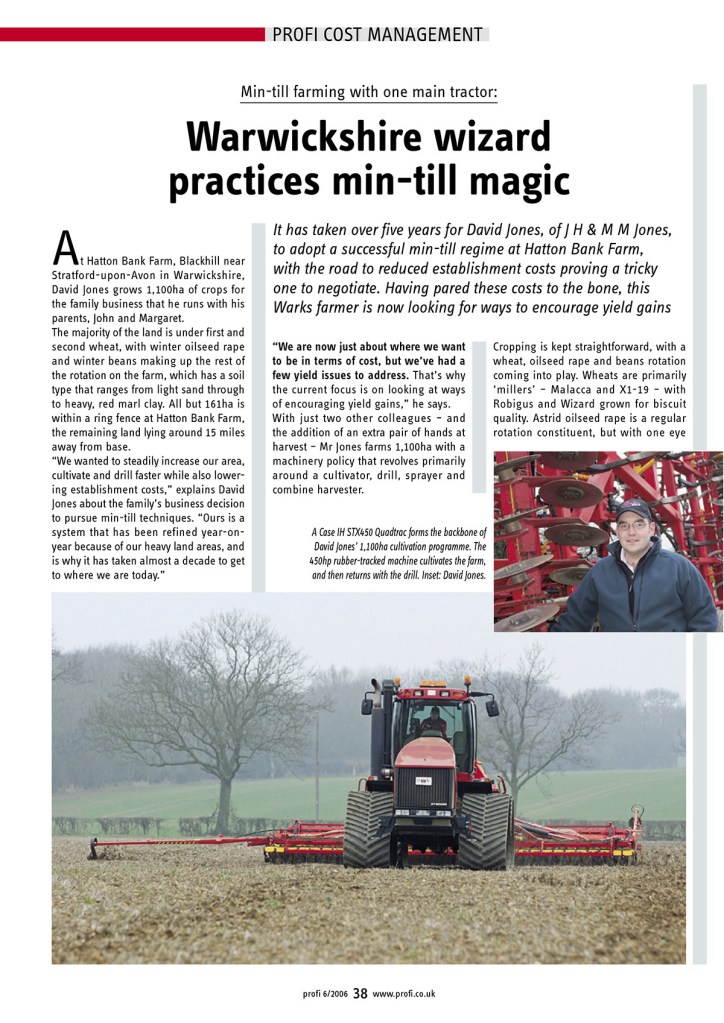
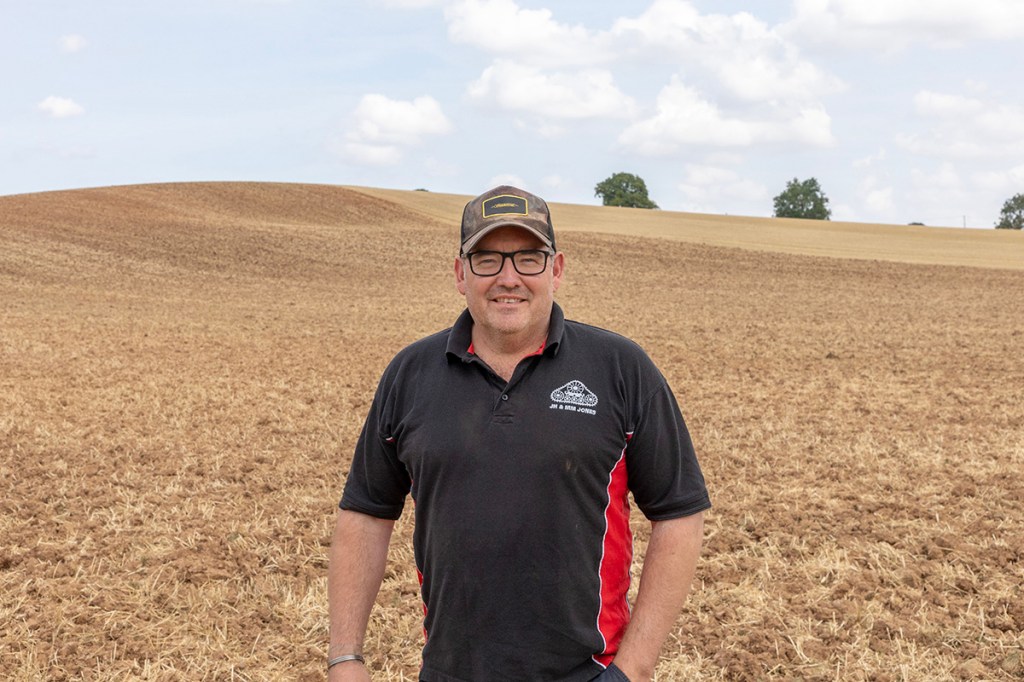
When we visited Warwickshire farmer David Jones of JH & MM Jones in 2006, he was five years into a min-till regime that was focussed on managing costs while encouraging yields. Twenty years on, we headed back to Warwickshire to see how the farm’s soils, yields and machinery choices have performed, in response to his fastidious approach.
KEEPING IT BRIEF
- PWM boosts application accuracy
- Nutrisense NIR technology avoids guess work
- Midi excavator used for ditch maintenance
Every square meter must count. That’s the emphasis David Jones places on the 1,100ha cropped at Hatton bank Farm, Blackhill near Stratford-upon-Avon, preferring to make soil work rather than take it out of production.
“Over the last 25 years, we have remained focussed on making the most of what we’ve got, rather than chasing acres to expand the business,” explains David. “And doing so has led us to provide only the right amount of tillage that each crop needs.”
Having developed a cultivation rotation to suit the farm’s crop rotation – including learning from mistakes – David and his team have steered the farm towards ensuring a uniformity of establishment with every crop grown. Doing so has involved the use of regular soil analysis, stabilised indices, continual field drainage improvements, variable rate applications and in-field traffic management, all of which continue to play a vital role in yield management.
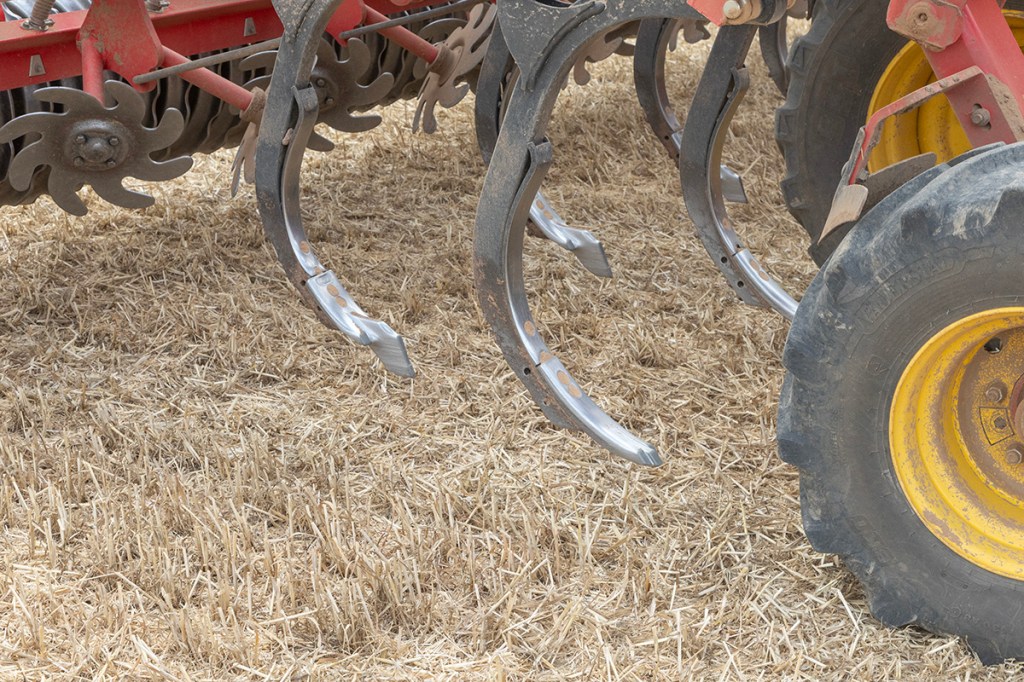
“Before we start cultivating, I’ll go out with the spade and look at what’s going on below the surface,” he says. “This lets us tailor the cultivations and working depth, to suit the following crop. Pea seedbeds for example will get a a pass using a narrow tip, to the depth required, to remove any winter consolidation with the Swift ahead of drilling. Cereals are likely to get a pass with the TopDown or NZ Extreme ahead of drilling, and we can switch between Marathon or Breakmix points, to move a lot of soil if needed, at a variety of working depths.
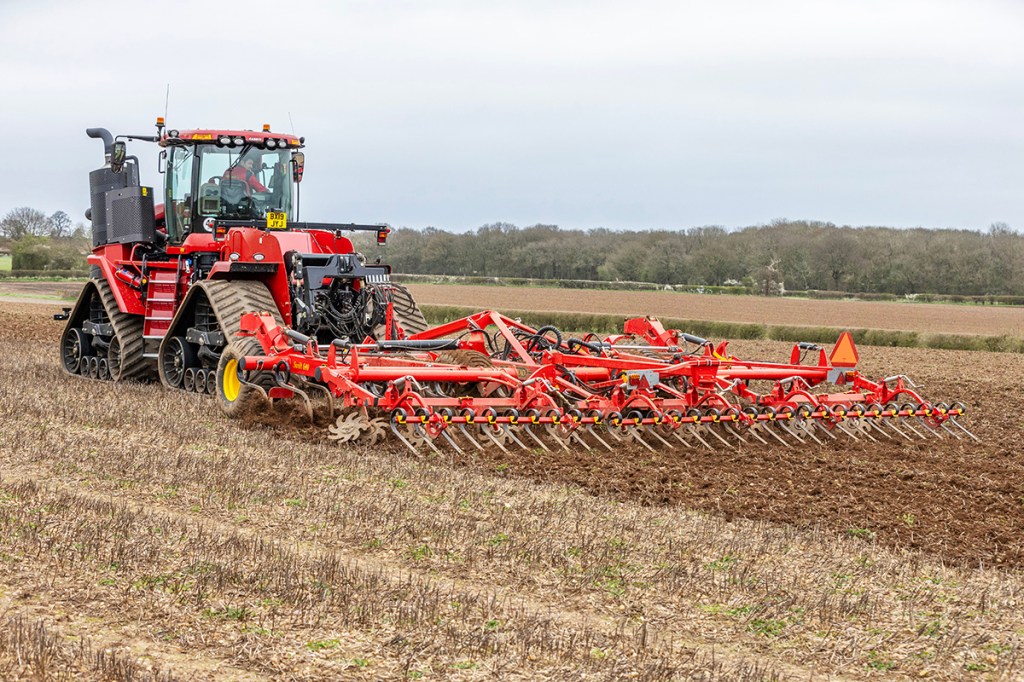
“We don’t blanket cultivate – the type of machine used and the working depth is achieved, set to suit the crop and conditions. This season, after peas, we’ll user the Carrier at 60-70mm to incorporate stubbles, and after second wheats, the TopDown will be moving soil to a depth of 145mm. And we’ll dig again to check effectiveness.”
Such attention to detail has gradually rewarded the team over the last two decades. Following a prolonged period of soil correction and deeper cultivations, the farm has seen water infiltration improve as soil conditions continually evolve with each year’s crop rotation. It has put the farm in a strong position where soil maintenance is on-going and soil correction is now rarely needed.
“Our soils’ ability to hold moisture has certainly helped our yields during the recent dry, hot summers,” he says. “There’s no doubt that the entire farm is now less susceptible to weather pattern influences, and that’s down to our constant attention to detail to keep soils in healthy and very much alive.”
Still deliver
He makes a point that yield increases in the long term are proving beneficial, though crops are still able to deliver on grain weights when hot dry conditions can have a detrimental effect.
“We are focussed on group one milling wheats, using varieties such as Cheer, Skyfall and Zyatt, with winter barley and peas also included in the rotation,” he adds. “Peas have recently replaced beans, and it’s brought different chemistry to the rotation, to help deal with bromes and blackgrass.”
David says the farm opted not to grow oilseed rape this season, and is prepared to strategically select cover crops where some soils may need a different focus of attention.
Hardware to match
Over the years, there has been a significant investment in machinery, equipment and technology, to help the farm boost its capacity in a way that contributes to making informed decisions including when to get on the land, and equally importantly, when to stay off it.
Ultimately, it’s a model that sees David Jones along with Piotr Staniewski and Richard Careless – plus harvest help Shannon Dawes and Ben Hodges – farm 1,100ha with a machinery policy that revolves around a cultivator, drill, sprayer and combine.
“It’s partly why we’ve manoeuvred the business into having the capacity to react to shorter weather windows, particularly with cultivations and drilling,” explains the farmer.
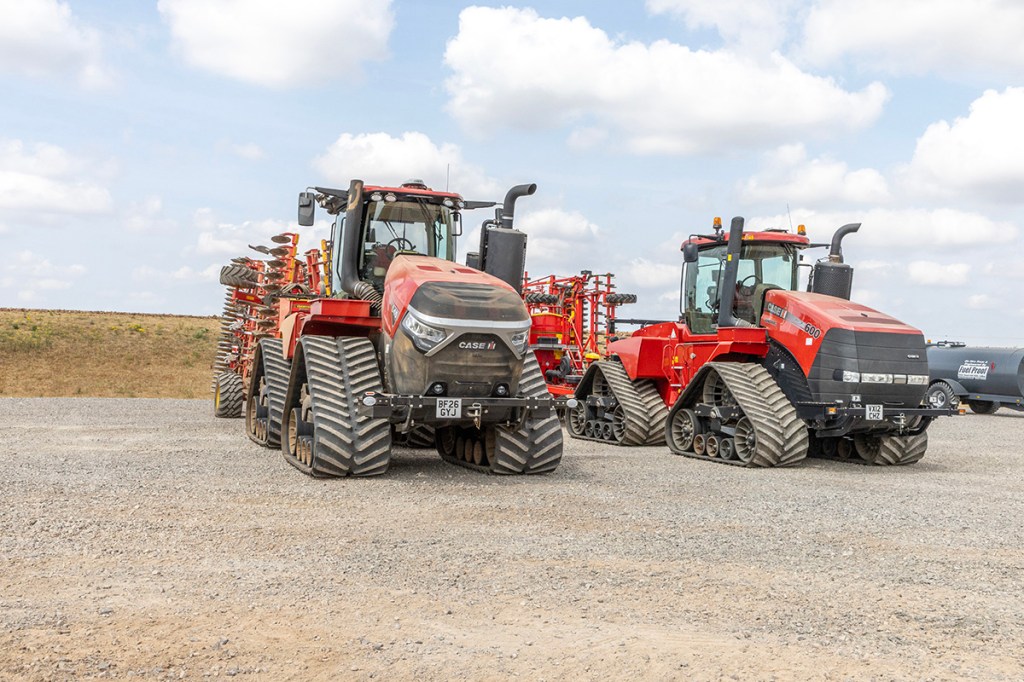
That capacity equates to a pair of Case IH Quadtracs, for which this Warwickshire operator has amassed over 15,000 hours in the seat. It’s a level of operator experience that helps to get the best from costly running gear too, minimising operating costs.
The four-track journey started in 1999, with an original square-nosed 9380 along with an 8m Vaderstad Rapid before progressing to an STX450, which was eventually replaced in 2006 with a more powerful STX530.
“By 2012, the STX530 was due to be replaced with a Quadtrac 600 equipped with cab suspension, but the wet autumn forced our hand in a different direction,” he says. “We had considered having a wheeled tractor as a back-up to the Quadtrac, to carry on the workload if needed, but that would have meant investing in smaller kit.”
“We also had a lot of ground not drilled that year, and I wanted to make sure that going forward, we could mitigate that risk as much as possible,” he says. “We couldn’t be caught out again with empty wheat fields.”
So, the farm opted to keep the STX530 to run alongside the larger 600, and this was to be a turning point with getting to grips with time management and output.
Doubled up
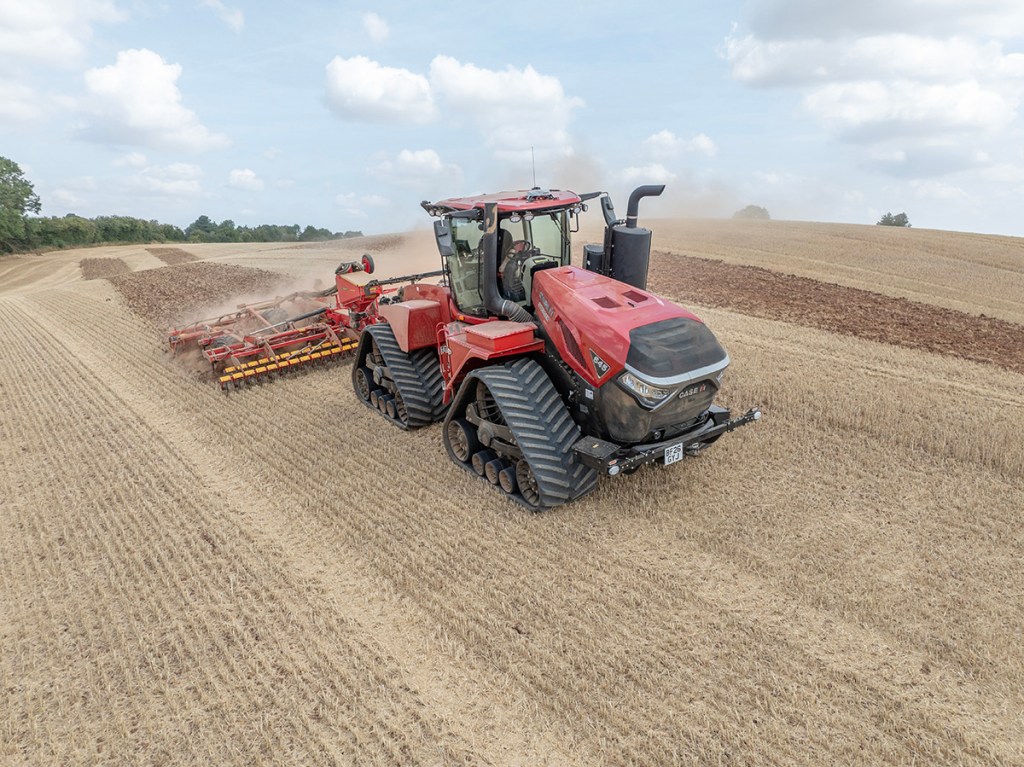
For the last 14 years, Hatton Bank Farm has continued to operate with two Quadtracs. The 530 was put to use on the TopDown and Carrier cultivator, with the 600 taking care of drilling and heavier cultivations.
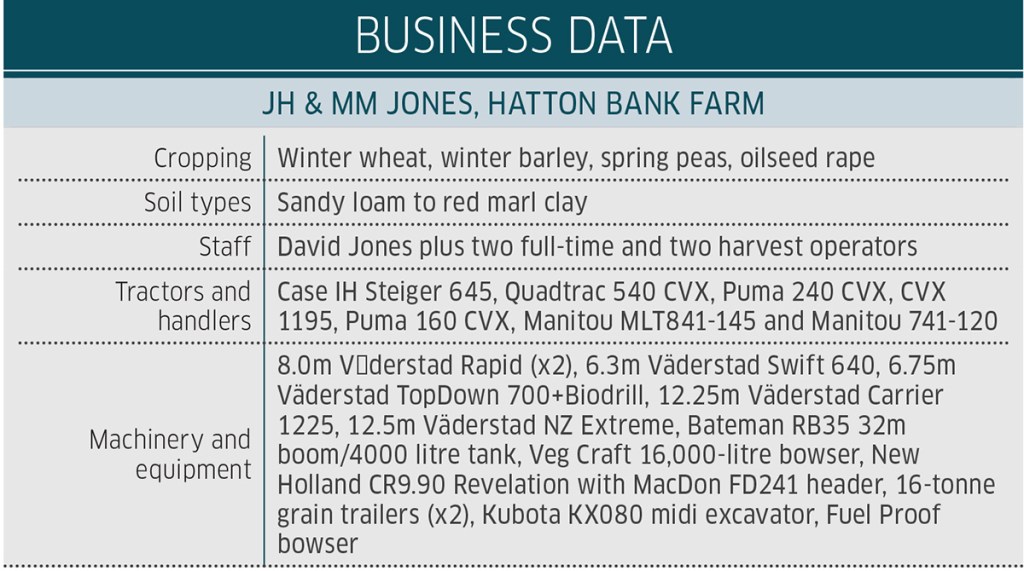
“We eventually upped the fire-power with drilling, opting for two 8.0m Väderstad Rapid models and these are 2007 on System Disc and 2010 on Agrilla tines, and these are 2007 and 2012 drills that are both in regular use,” he says. “It gives us some huge output, for timeliness and also to make the most of late autumn weather windows.”
Expect 150ha to disappear each day, when the pressure is on.
Being over-capacity brings benefits to the business. Each machine does less work, managing depreciation over a longer period of ownership. Though it also demands a greater level of maintenance, and the farm makes a point of adhering to service intervals.
“It’s all about timing, and knowing when to get on the land,” he says. “The consequences of being on the land in a wet year can take three, four, even five years to recover. So, we’ll stay off, until conditions allow us to run.”
With just two Väderstad Rapid drills in the line-up, he has been asked many times, ‘where’s the farm’s wet drill?’
“We don’t have a drill for wet conditions,” he says. “But we do understand how the discs and tines wear, and when to change them. And being able to plan, adapt and make the most of timing in tricky conditions will maintain seed depth and clearance on the Rapids, for those times when you have to operate in less than ideal conditions.”
The farm operates a similar thought process with wearing metal.
“It’s a false economy to run kit until you’ve had every last ounce of value from the wearing metal,” he says. “By the time you get to cultivate or drill the headland, you’re not doing as good a job when the tips, coulters or tines have worn down – it’s a compromise I’m not prepared to make, as it affects working depth and the effectiveness of what you’re doing. My advice is to change wearing metal sooner, because it helps to achieve uniformity of establishment.”
Moving stepless
In 2019, a Quadtrac 540 with CVX transmission arrived to take the place of the 13-year old STX530. It has so far clocked up 3,000 hours, and David has high praise for the tractor, thanks to its ability to deliver enhanced fuel efficiency from fine tuning working speeds.
“Putting a CVX transmission into the Quadtrac has been a big step forward, and we’ve been really pleased with it,” he says.
The 2012-model 600 remained on the fleet until harvest 2026, and having worked 14 seasons and clocked up 6,000 hours, has been the lowest depreciating Quadtrac so far. Still on its original tracks, and having been treated to plenty of polish in addition to copious amounts of oil and grease, the tractor’s condition has commanded a strong residual value, proving that it pays to look after your kit.
The machinery minded owner says the key to such longevity and low depreciation is a result of adhering to on-time service intervals along with preventative maintenance during the winter, with the aim of eliminating downtime.
In its place is a Steiger 645 – the first UK machine equipped with a fully-suspended undercarriage. David reports that compared to the 2012-model 600, fuel consumption is lower.
Resisting the temptation to go for more power, he says that the 645 is a similar physical size to the outgoing 600, but with far greater refinement and an improved power delivery.
“Do we need this amount of power? Well, the farm is called Hatton Bank for a reason, and with fields like Hill Top and Sledgehill, we don’t have much that is flat, let alone a shallow gradient,” he adds. “If we’re to do a consistent job across all fields, the working speeds need to be the same going up those banks, as they are coming down the banks.”
Working at 8km/hr with the TopDown using a maximum engine speed of 1,700rpm, that criteria has seen the 645 demand 105% engine power when climbing, but only 11% engine power when working downhill.
“Managing in-field variances makes the difference, and helps deliver efficiency and consistency with what we do,” he adds. “And the suspended track frames really have put comfort on the map with this latest Quadtrac. When you have enough power, you don’t need to run flat-out and pull everything to bits – you can focus on tailoring tractor power to produce the results you want – and with a reasonable degree of fuel efficiency. The throttle works both ways.”
Tech too
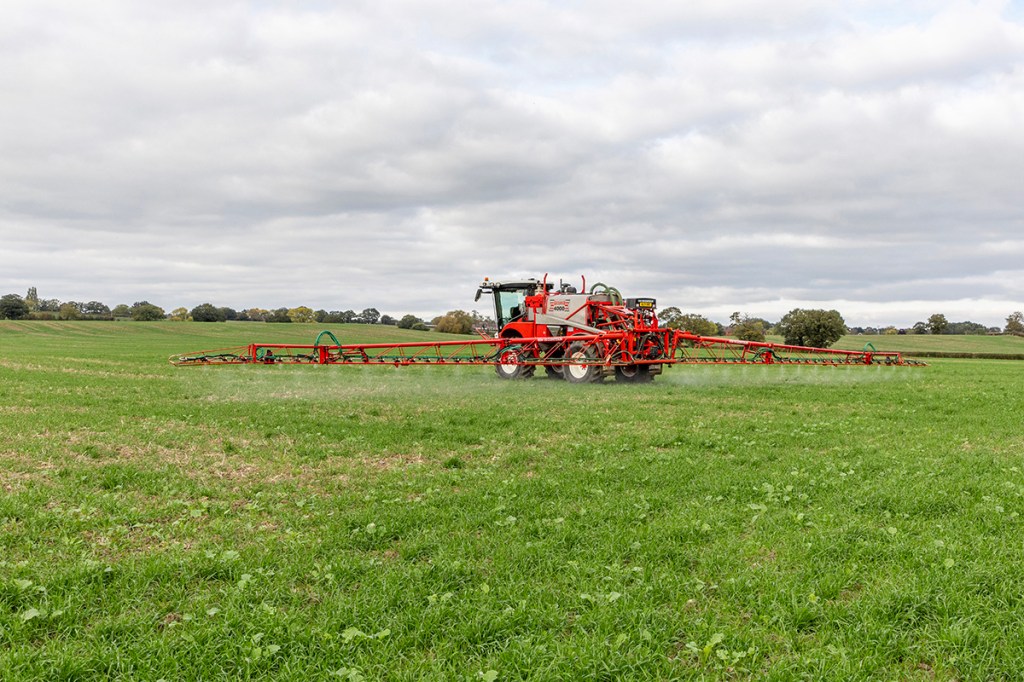
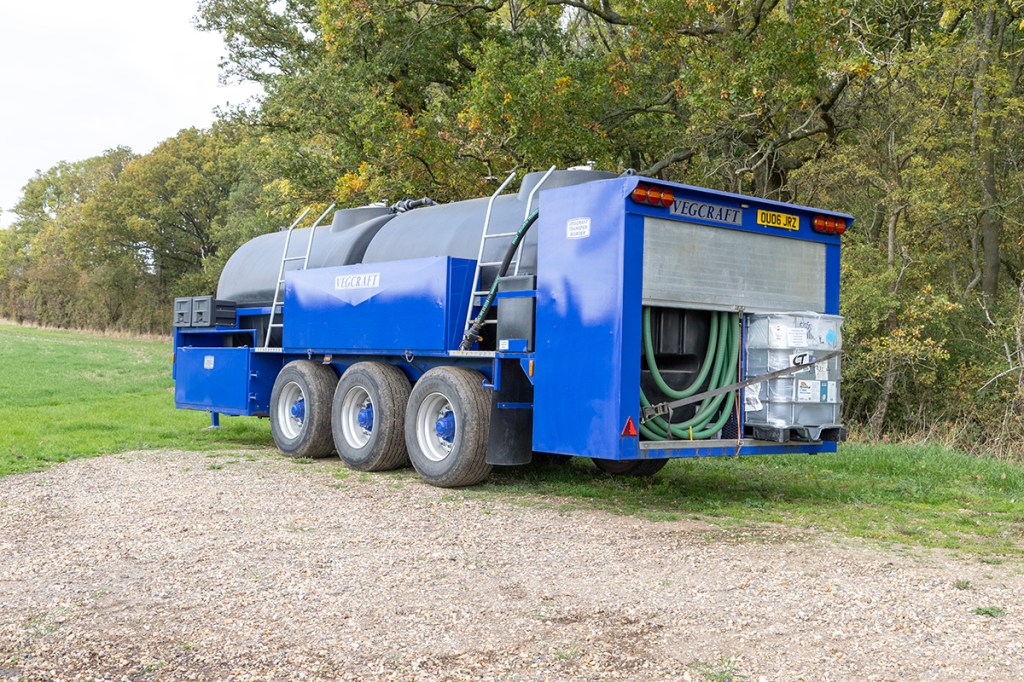
Technology has an important role to play too. But not just for technology’s sake. Variable rate application maps with liquid fertiliser are in direct response to soil types and yield capability, and the farm’s RB35 sprayer is also equipped with PWM.
“Over the last 20 years, we’ve focussed on improving the poorer areas within fields with targeted inputs,” he says. “We’d rather work on improving what we have than opting to take less productive areas out of production.”
“There is so much variation in soil type across each field, that the only way to improve is to make the most of variable rates,” he adds. “Our field size averages 25ha in a range that spans 3-60ha, and every field has multiple soil types that need to be carefully considered.”
Keeping water moving
Alongside technology is a back-to-basics approach fuelled by his family’s background in land drainage. Parents John and Margaret once had a thriving and successful land drainage operation that ran alongside the farming business. It’s a legacy not lost on David, who spends winter months tending to ditches, outfalls and pockets in fields where old drains may need some form of remediation.
“We do focus on targeted drainage rather than whole-field schemes,” he says. “It’s a cost-effective approach to an often overlooked, yet essential part of farming – more so on our heavy Warwickshire clays and steep banks.”
It is why the farm invested in an eight tonne Kubota midi excavator, along with a re-engineered ditching bucket that, at 1.80m wide, is 60cm wider than original.
“That wider bucket certainly helps to clean ditches more efficiently,” he adds.
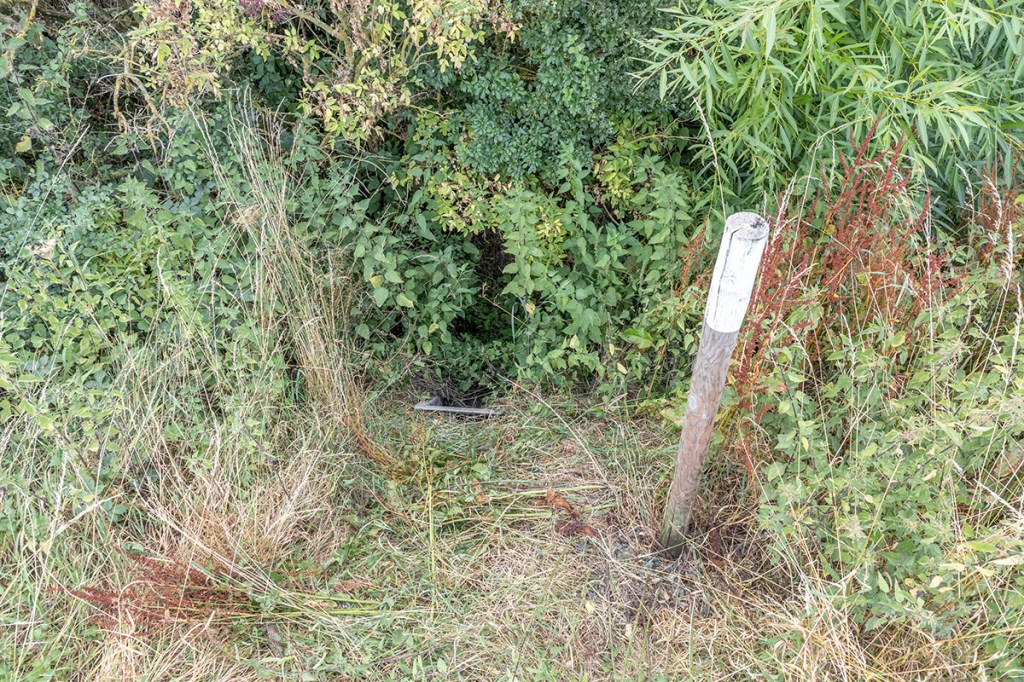
Outfalls are all marked with white-topped fence posts, simplifying identification and making them easy to avoid with the hedgecutter.
Yellow harvest
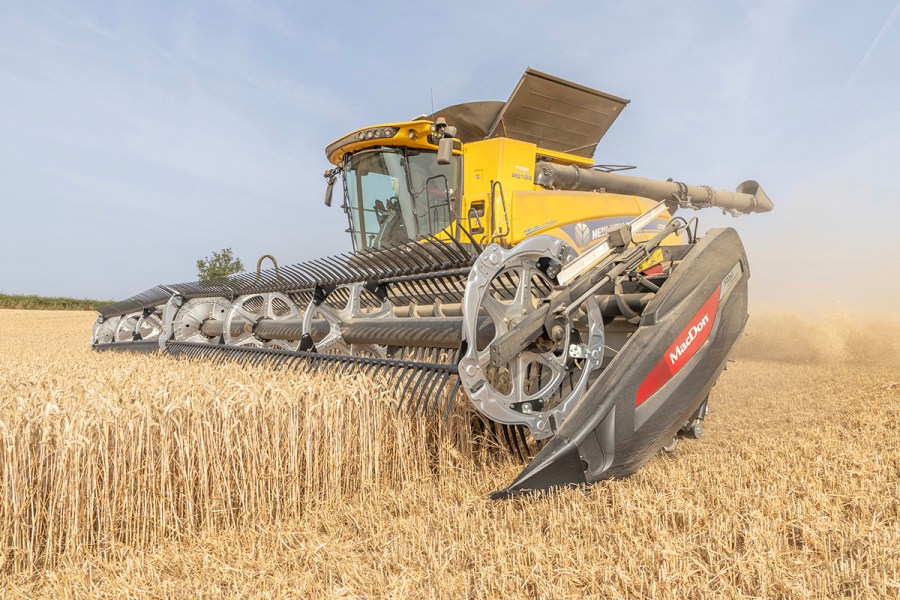
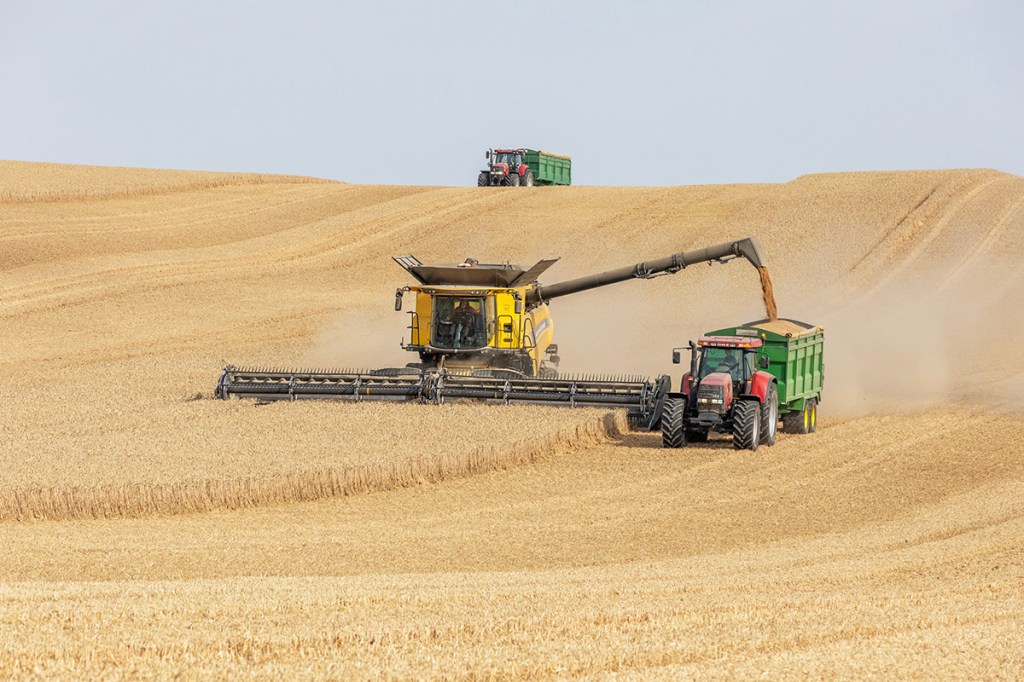
Stubble management is the domain of a MacDon FD241 header, sitting on the nose of a 2018-model CR9.90 Revelation that has just completed its ninth season at Hatton Bank Farm.
“We bale infrequently, preferring to chop and incorporate,” says David. “And since we switched to the MacDon in 2021, it’s like having a 15% larger combine. It flows crop really well, and lets us trim stubbles while contour following. Again, it all helps with cultivation and straw incorporation.”
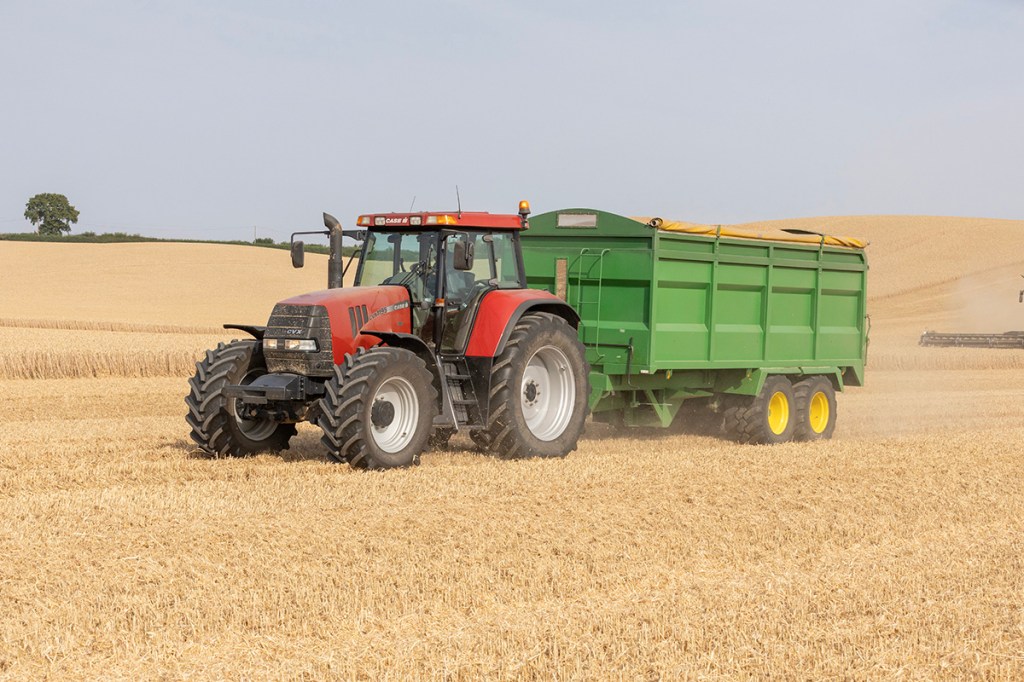
Grain is moved from field to store using a pair of 30-year old trailers that were built with flotation tyres and have been recently upgraded with air brakes.
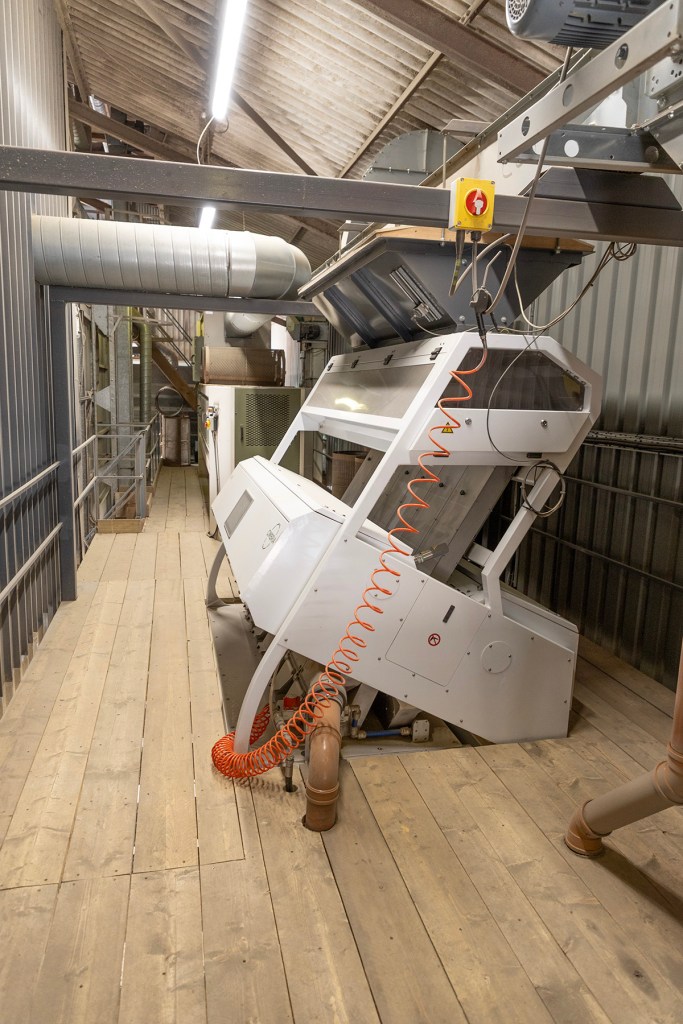
If needed, crop is passed through the farm’s existing 27t/hr continuous flow dryer, but of greater importance is the introduction of an upgraded rotary cleaner packing a 70t/hr output, and the addition in 2025, of a 50t/hr colour sorter.
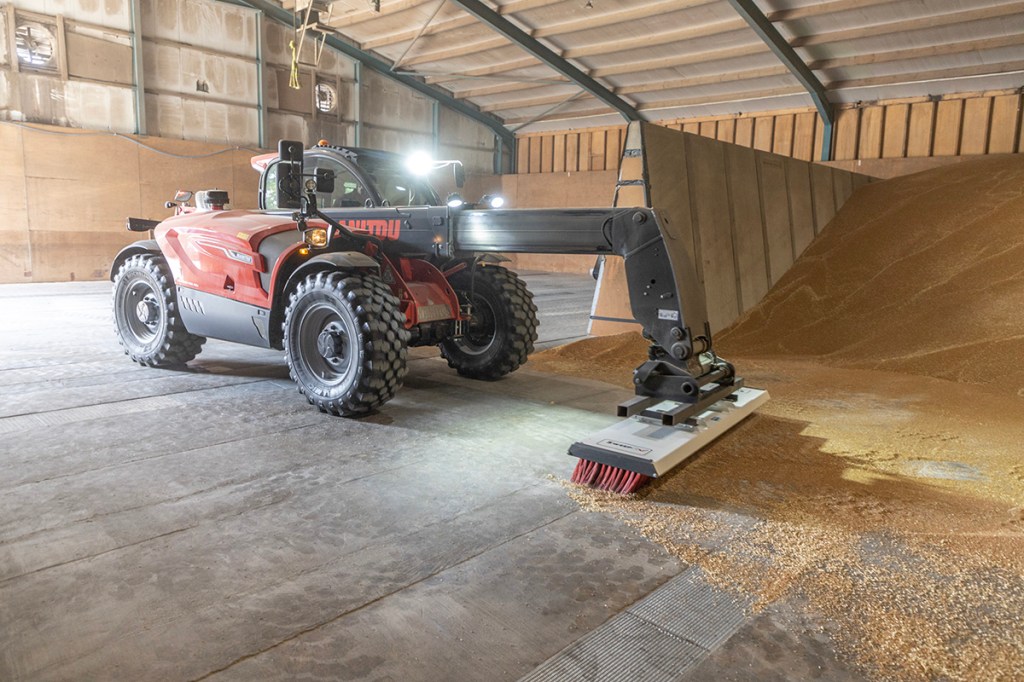
“We’re getting a great sample from the combine, and boosting it with the cleaner and sorter when required,” he says.
The addition of a giant ‘dust box’ into which everything is collected, has also contributed to keeping the dryer and its associated equipment much cleaner.
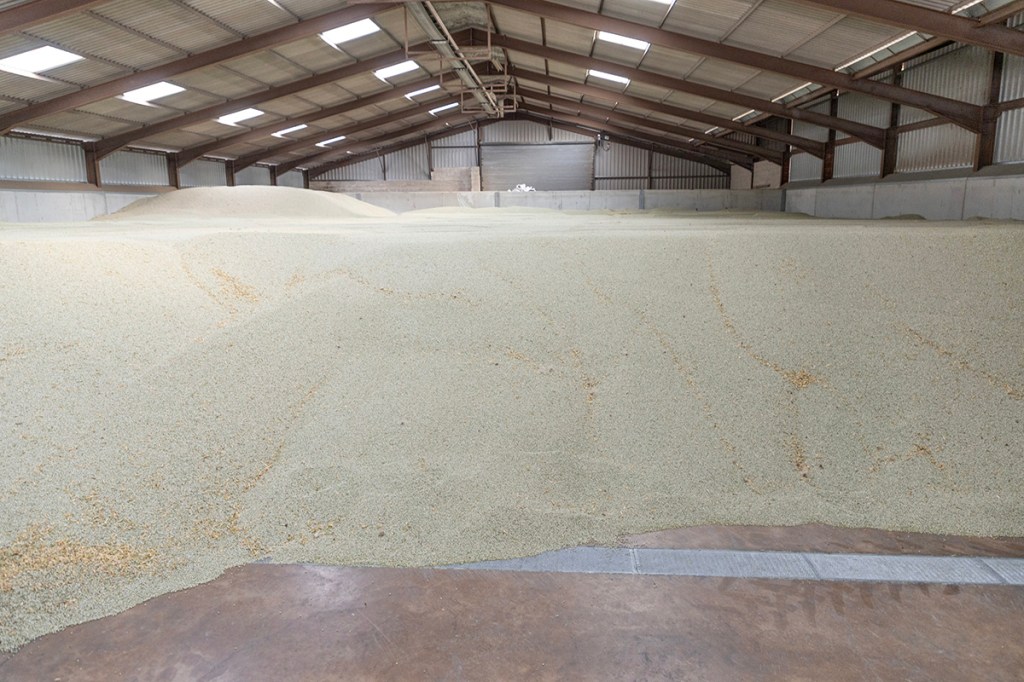
“We’ve managed to get rid of a dust cloud that always made running the dryer and stores a less-desirable task,” says David. “And higher output ventilation fans for the under-floor stores also help with cooling and conditioning grain.”
Summary
Gearing up equipment to tackle constantly changing weather patterns has put this Warwickshire farm on a strong footing for uniform establishment in a wide variety of conditions. But it’s not just about output – having capacity brings additional benefits to the team at Hatton Bank Farm, including less hours worked, lower fatigue and higher safety – and that can only be a good thing for all involved.
Geoff Ashcroft
For more up-to-date farming news click here and subscribe now to profi and save.