
Wobbling tines on a bale spike or muck fork will eventually wear the bushes. If you’re looking to restore that tight fit, then weld-in sleeves are one workshop solution.

For our potato crop, we first plough the landwork of the field, then plant the potatoes and finally come back to plough the headland.
The main problem comes when travelling on the headlands and crossing the ends of the ridges, as the onland plough constantly lifts out of the ground and then sinks back in. Not great.
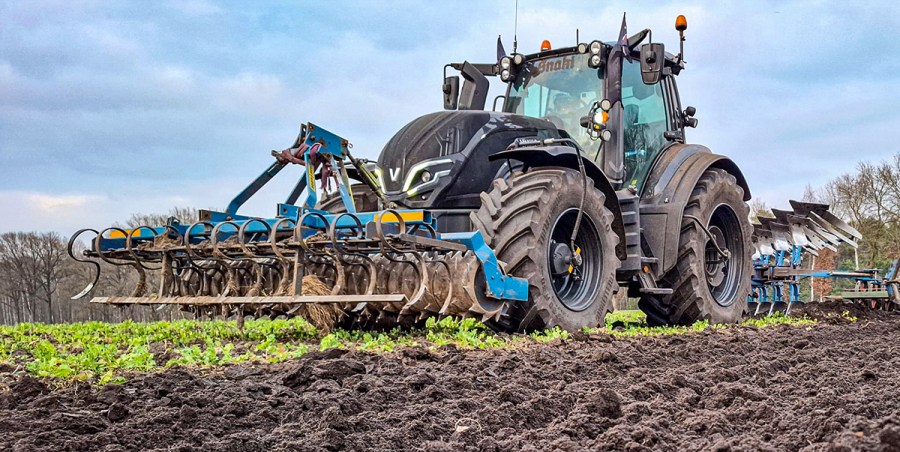
Previously we used a second tractor with a cultivator to level the humps and hollows. To try to simplify the process and do the levelling with the ploughing tractor, I put on my thinking hat. I had the idea of making a front-mounted leveller when I saw our scrapped Rabe seed drill combination. The harrow had two rows of spring tines and a toothed packer roller.
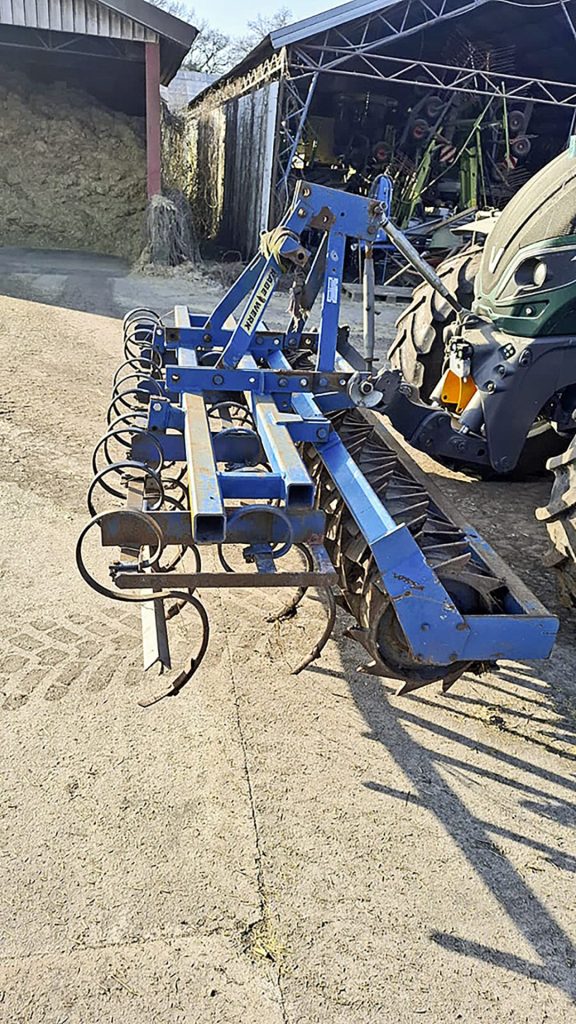
So, I set to work. First job was to cut off the headstock, turn it through 180° and weld it back to the frame.
To improve the levelling effect, a levelling bar made from angle iron was fitted in front of the first row of spring tines. This slopes upwards like a roof and is bolted to the frame with two flat bars.
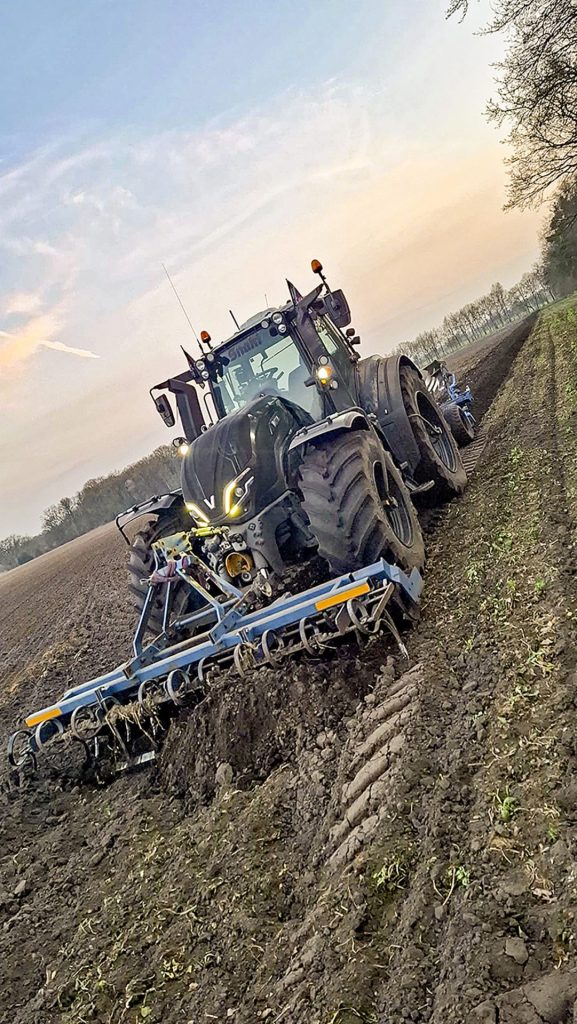
We’ve been operating the front cultivator for a couple of seasons now, and it does exactly what I wanted it to. On the inner headland pass, we sink the leveller in even lower to leave the best possible finish.
Sönke Meyer
For more up-to-date farming news click here and subscribe now to profi and save.