
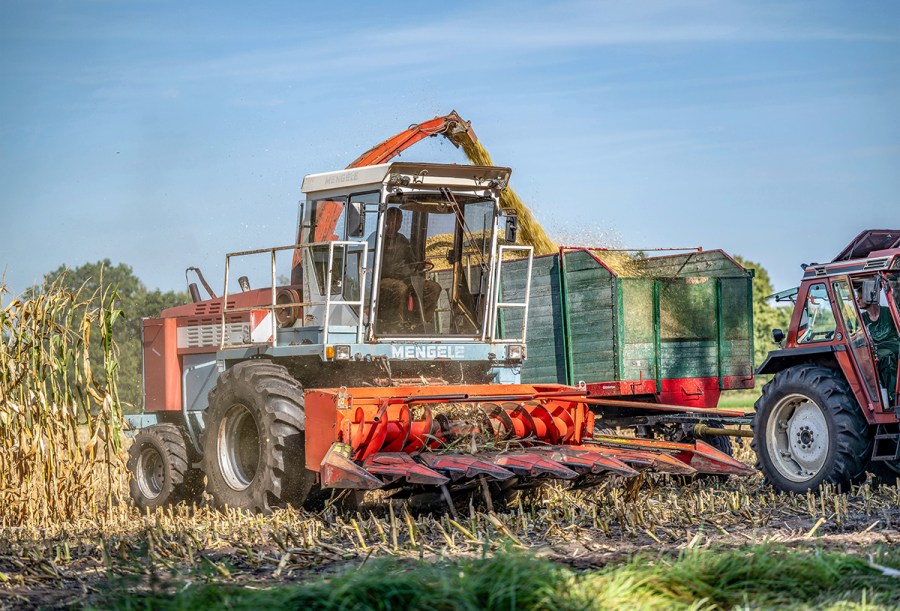
A spur of the moment deal and bags of spanner-wielding determination led to the
comeback of a 354hp Mengele SF6600. We find out the details of the story.
KEEPING IT BRIEF
- The 1991 SF6600 has been sitting outside in the elements for 15 years.
- Back in the 1970s and 80s, Mengele was one of the leading manufacturers of forage harvesters and helped shape the technology of this era.
- Comeback in 2025: A true milestone in farm machinery is back in the field after a mechanical restoration.
For more than 15 years, the Mengele forage harvester stood idle, doing its best to fend off mother nature. Then, in 2024, the engine was sparked back to life, igniting a much anticipated return to the field in September 2025, as the ageing, classic forager made its comeback.
A chance find
But how did a road trip, an Instagram post, an old forage harvester and the current scrap price all fit together? Let’s start this labour of love story from the beginning…
Nursing a slight hangover from the night before, Henning Hornbostel and his buddies set off for a vintage machinery rally one Sunday in the summer of 2024. After a brief visit to the show, they decided to take the scenic route back, but when still 20km from home they came across an old Mengele forage harvester sitting on a neglected plot of land.
For Henning, who regularly posts machinery pics on his Instagram page “oldschoolagrar”, the machine was a truly remarkable find. He quickly snapped a photo and posted it. Just half an hour later came the huge surprise: a message with a phone number and the news that the machine was for sale.
With that news, Henning and his friends took the chance to take a closer look at the old forager and its two headers. Only condition of the deal being done was that the engine had to turn over.
Rescued from the scrapyard
The heirs of the former farmer were happy to have found someone willing to breathe new life into the machine. As a result, they quickly agreed on a relatively low price that was still above scrap value.
Henning knew plenty of repairs would be needed. After a night to mull it over, and confident that he could count on his mates’ support, the final decision was made: this harvester would hum once again with the sound of forage flowing through the chute.
A second visit…
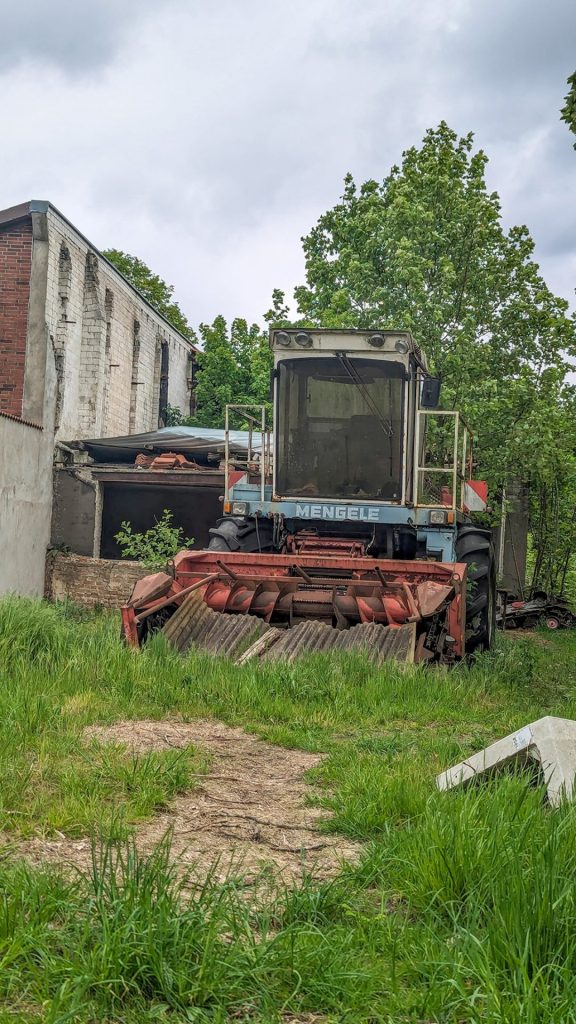
The following weekend, the crew turned up with freshly charged batteries, fuel cans, a bootfull of tools and plenty of anticipation. Although they’d noticed the very overgrown state of the Mengele’s rewilded surroundings, a second look made it abundantly clear that the “Sleeping Beauty” description was no exaggeration.
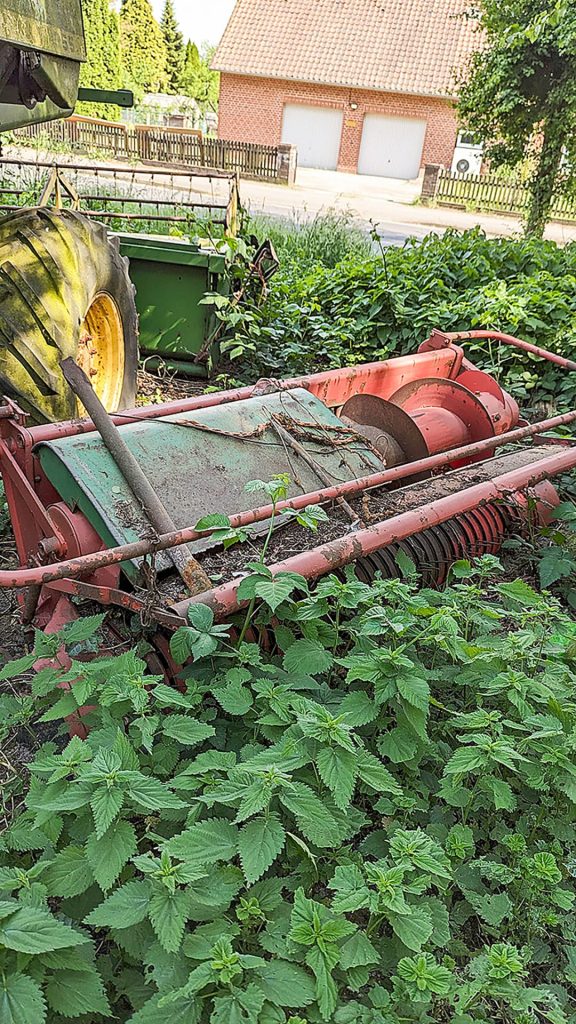
The forage harvester, built in 1991, was surrounded by grass, nettles, brambles and small birch saplings. The maize header and grass pick-up were also buried within the overgrowth.
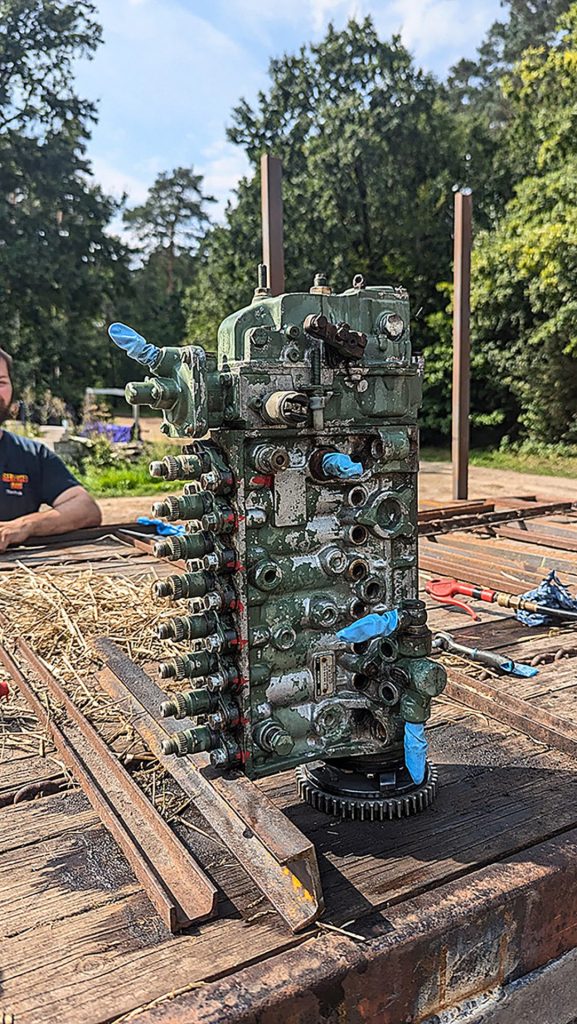
The romance ended the moment the ignition key was turned. The V8 cranked over, but was getting far too much diesel. On-the-spot diagnosis: the injection pump’s centrifugal governor had gummed up with hardened old fuel. The result was a constant supply of diesel in start-up quantities, no obvious way of throttling back, and a real risk of the engine racing out of control.
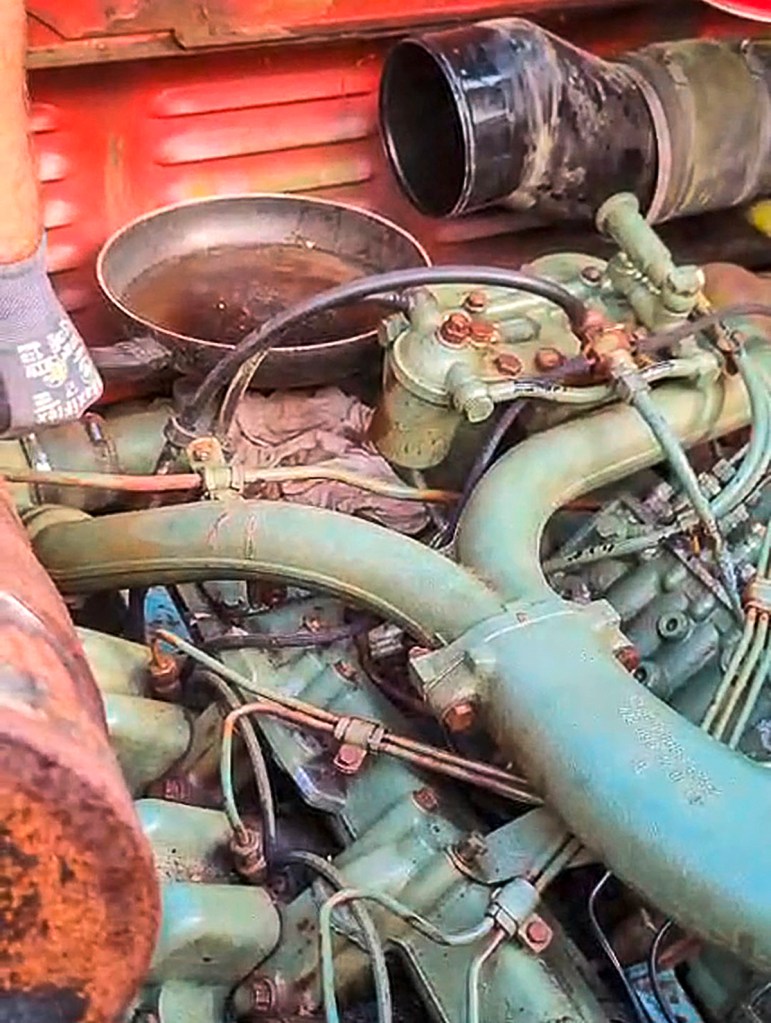
Plan B was simple and effective: if the fuel supply couldn’t be throttled back, then they would throttle the air supply. The air intake manifold was removed and replaced by a tool perfect for the job found around the abandoned farmyard — a discarded frying pan. The pan fitted almost perfectly onto the intake, acting as an improvised throttle valve. Ever since that day, the command ‘Give it the frying pan!’ has been a standard part of the crew’s vocabulary.
…and a restart
The suspense was rising. One more turn of the ignition key, a quick blip of the throttle and the 14.6-litre, V8 engine coughed twice, spat a cloud of pitch-black smoke into the nettles, and finally roared into life with a dull rumble.
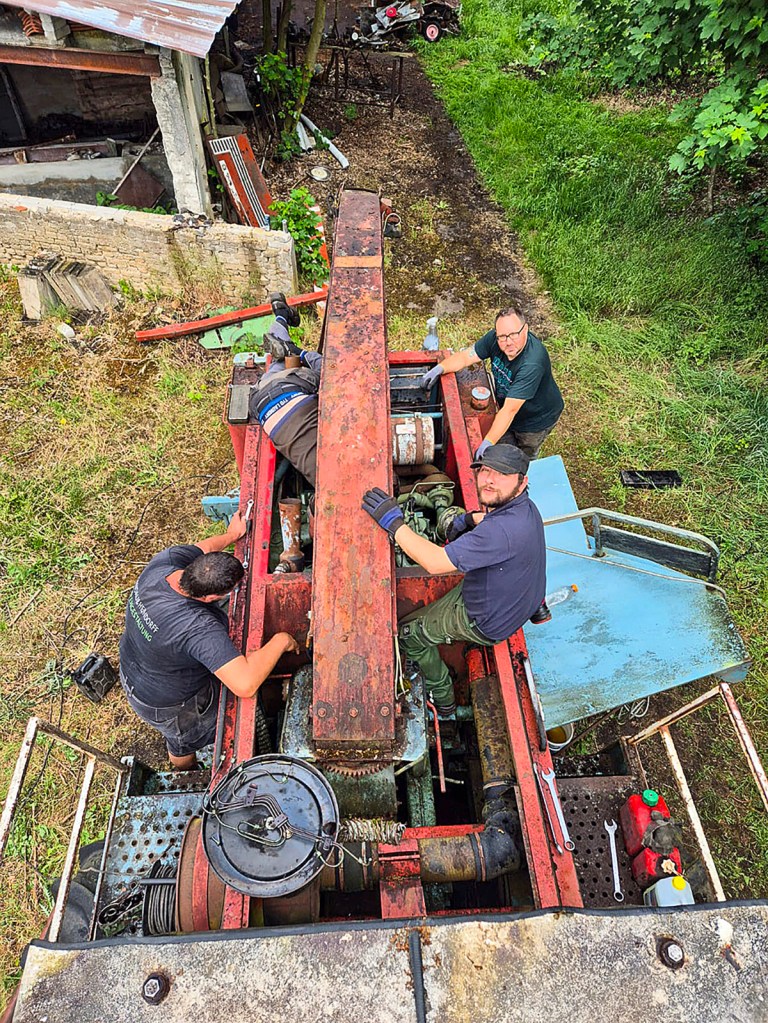
Straight after that came the next trial: would the hydrostatic drive actually get the machine moving? The forager crew carefully selected a gear and eased the drive lever forward. Sure enough, the harvester started rolling — admittedly with flat spots on all four tyres and still a bit jerky, but it was moving.
Slowly but steadily, escorted by a pair of vehicles, the light-blue veteran finally rolled out of its old home and headed on the 20km journey down farm tracks to the town of Winsen an der Aller to its new home.
Neighbours involved
In the village where the harvester had stood for over 15 years, it had become a bit of a local landmark, and its revival stirred up plenty of excitement. Numerous neighbours leaned on their garden fences during the work and watched the first start-up. One elderly lady in particular was visibly moved when the harvester finally rolled away from its resting place.
Rust and repairs
No sooner had the old harvester arrived in Winsen than the crew got stuck in. First, they removed the gummed injection pump and sent it off for reconditioning. A few days later, the freshly overhauled pump was back — the first tick on a long list.
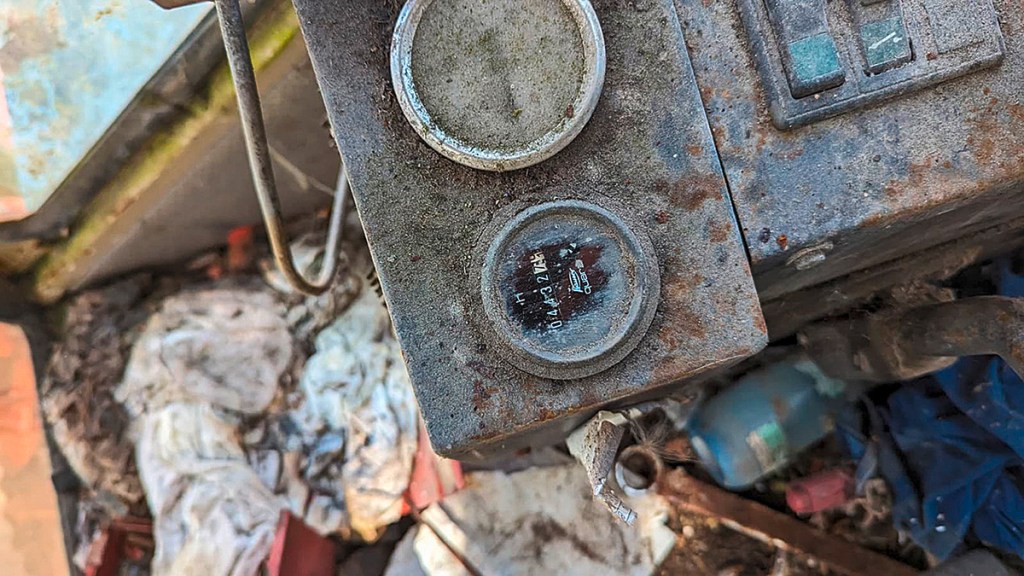
With the new fuel pump fitted, the Mengele was allowed a trial run through a few passes of maize in autumn 2024. The short test showed that there was still plenty to do: worn-out bearings, cracked V-belts, worn shafts, broken and rusted sheet metal parts and, after just 100m, a flat tyre. Without a lathe, pullers, welding equipment and the expertise of the trained technicians in the group, the project would have been a non-starter.
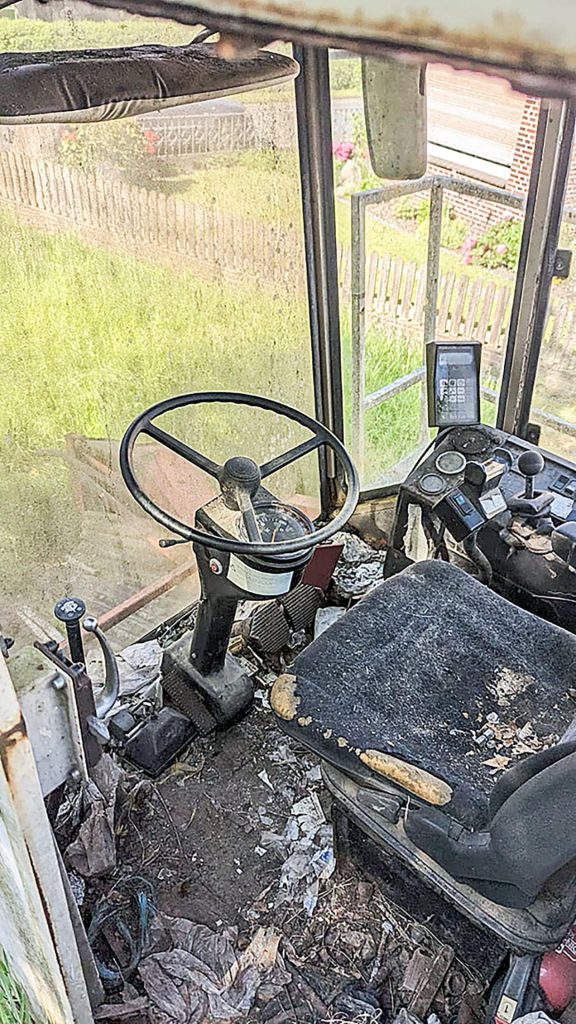
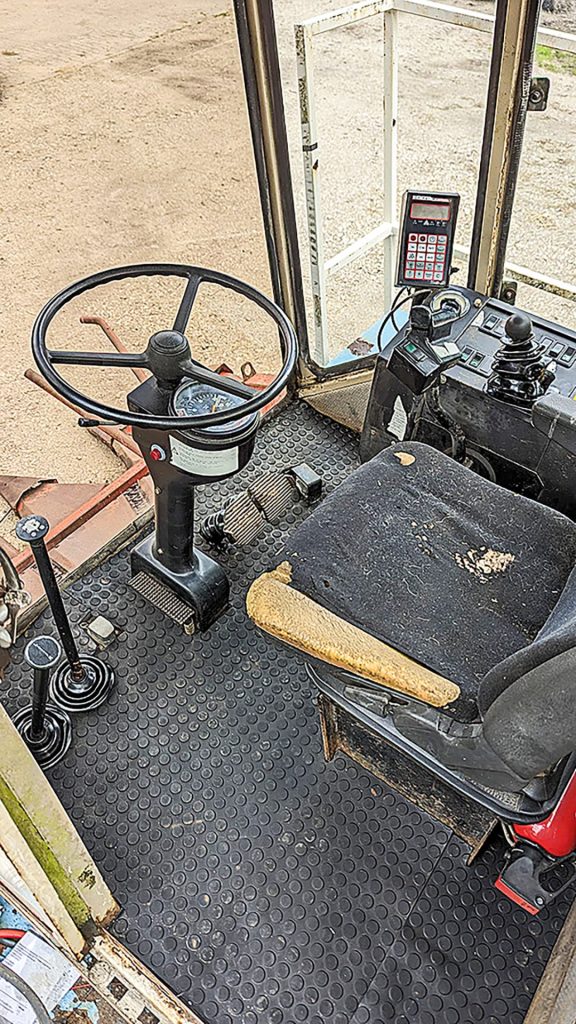
Over the following months they spent their evenings and weekends spannering away in the workshop. Bit by bit, the crew replaced bearings and V-belts, straightened shafts, repaired electric wiring, fitted new sheet metal, and cleaned up the knives and other crop engaging parts.
Comeback
In autumn 2025, the moment had finally arrived: for the first time in over 15 years, the SF6600 tucked into a full day’s work. On the morning of a sunny Saturday, the classic chopper rolled into the maize crop. There was a nervous tension among the crew but, as the first chopped material shot out of the spout, relief spread all round — this was the moment, every minute of hard graft was paying off.
Waiting behind the forager was a harvest chain uniting several eras of farm machinery engineering — from an ageing Hawe trailer with wooden sides to a new 8t tipper.
Alongside the Mengele, a Claas Jaguar 680 was steadily chewing its way through the neighbouring crop rows. Together, the two veterans kept the fleet busy. By the end of the day, the SF6600 had mastered hectare after hectare — a significant milestone after its long break.
Nevertheless, the project isn’t quite finished yet: a new shear bar is still needed, and the V8 motor is due for a thorough overhaul over winter. But since this harvest day, one thing is certain: the Mengele SF6600 is back in the field — exactly where it belongs.
Family ties
Joining the Mengele on the family farm is the previously mentioned 1985 Jaguar 680. And a closer inspection reveals that the two machines share more than just the foraging workload.
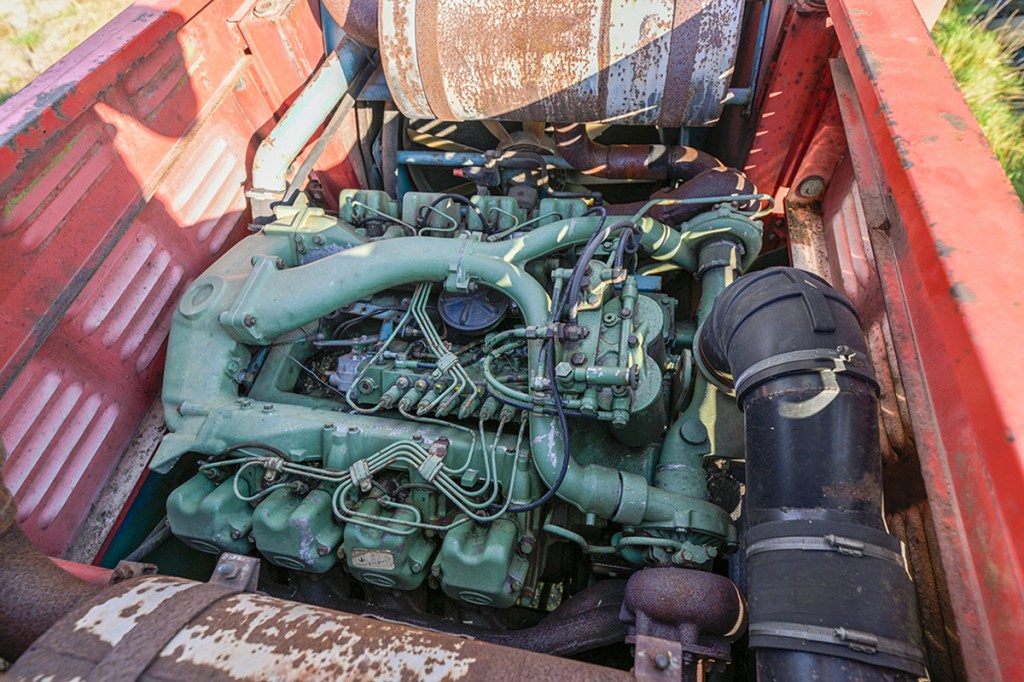
Underneath the red paint of the Mengele header, a glimpse of Claas’s seed green shows through. The steering column, gearbox and axle portals also come from Claas. The rear axle came from Sige and was also used on the Jag. The eight-cylinder Mercedes engine, which previously powered the larger 600-series Jaguars, also powered the Mengele. The main difference was that the Jaguars had a longitudinal layout, whereas it sits transversely in in the SF6600.
Razor-sharp
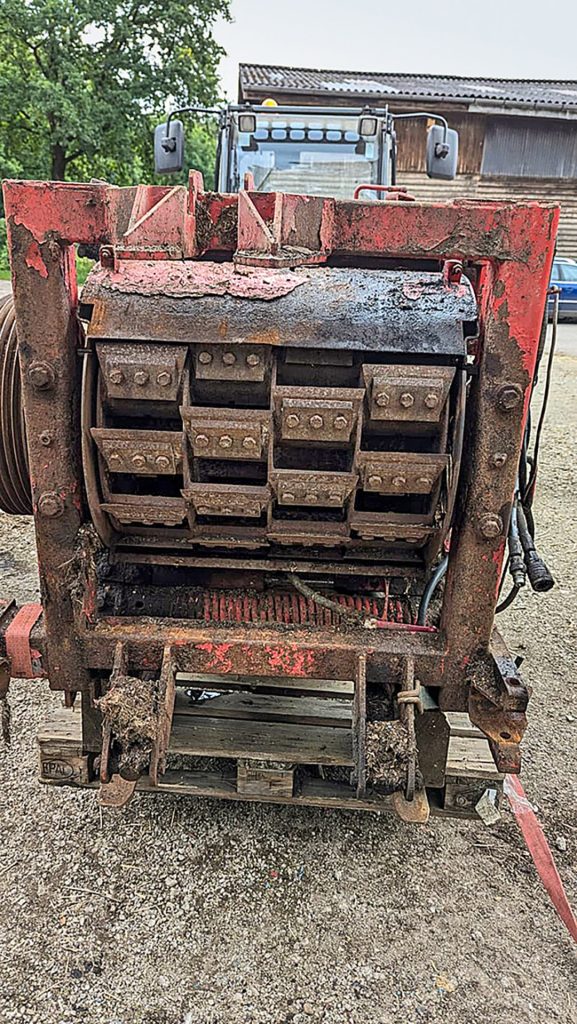
One special feature of the Mengele is its drum with 48 helically arranged knives. These knives are arranged in 12 rows, each with four knives. To make sure that no stem is left uncut, there’s a bit of overlap.
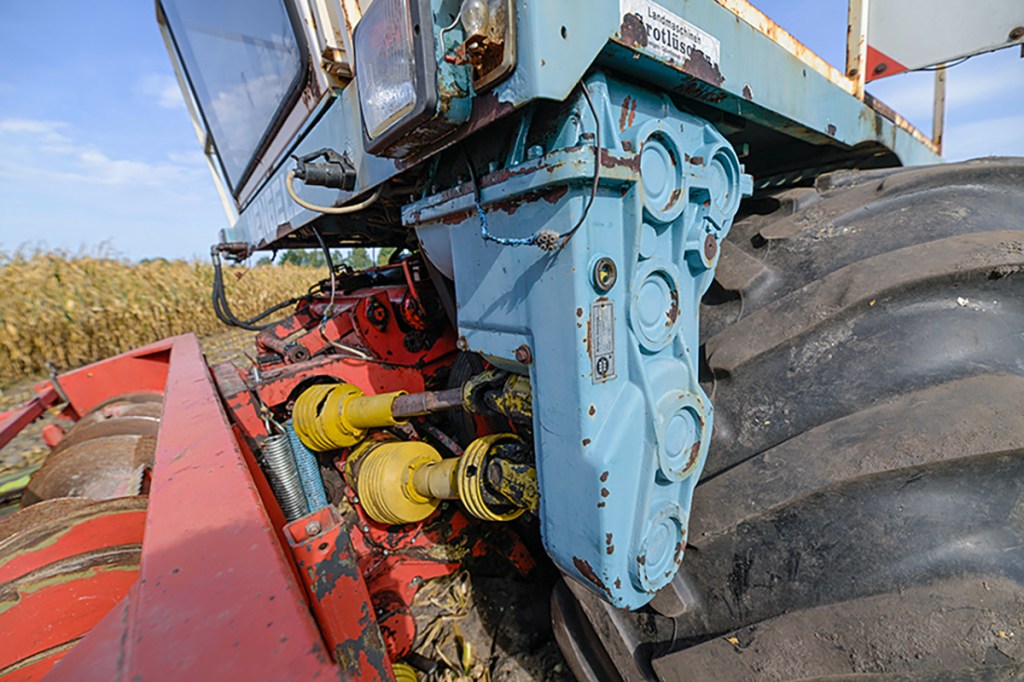
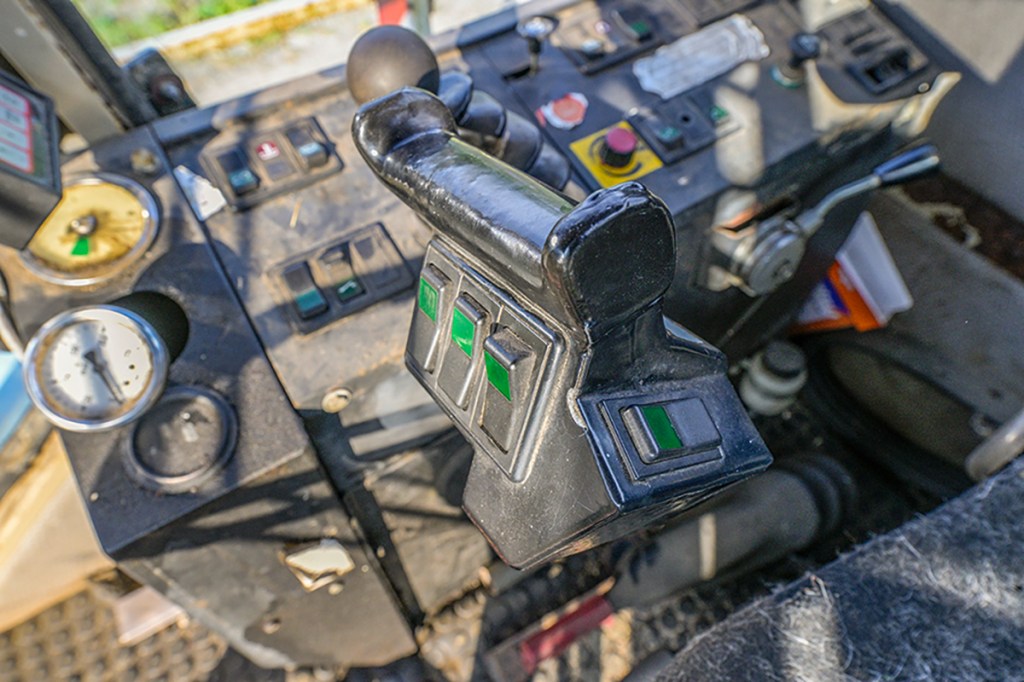
The 48 knives are sharpened by a hydraulically driven, grinding roller that spans the full width of the drum. The LOC gearbox is positioned under the cab steps. Operators can select the chop length from two levers on the left-hand side of the seat. As for intake, this relies completely on driveshafts instead of chains.
Two useful headers
The vintage blue forager was sold with two companions — a six-row maize header with feed chains and a 2.10m wide grass pick-up. These had also spent 15 years sitting in the yard so need plenty of spare parts, patience and tinkering time. Over the past year, the focus has been on the actual harvester.
The plan now is to work through the two headers so that the Mengele will be able to chop grass again next year. This milestone piece of farming kit hasn’t just been saved from the scrapyard, but is expected to be seen purring alongside the Jaguar as a permanent fixture on the farm.
Job done … and happy
On the evening of that iconic harvest day, family, the repair team and the farm team — all worn out after the long day — lean happily up against the walls of the covered silage clamp next to the cowshed. The V8 on the Mengele is still ticking over quietly while the Jaguar 680 lets its gutsy V6 wind down.
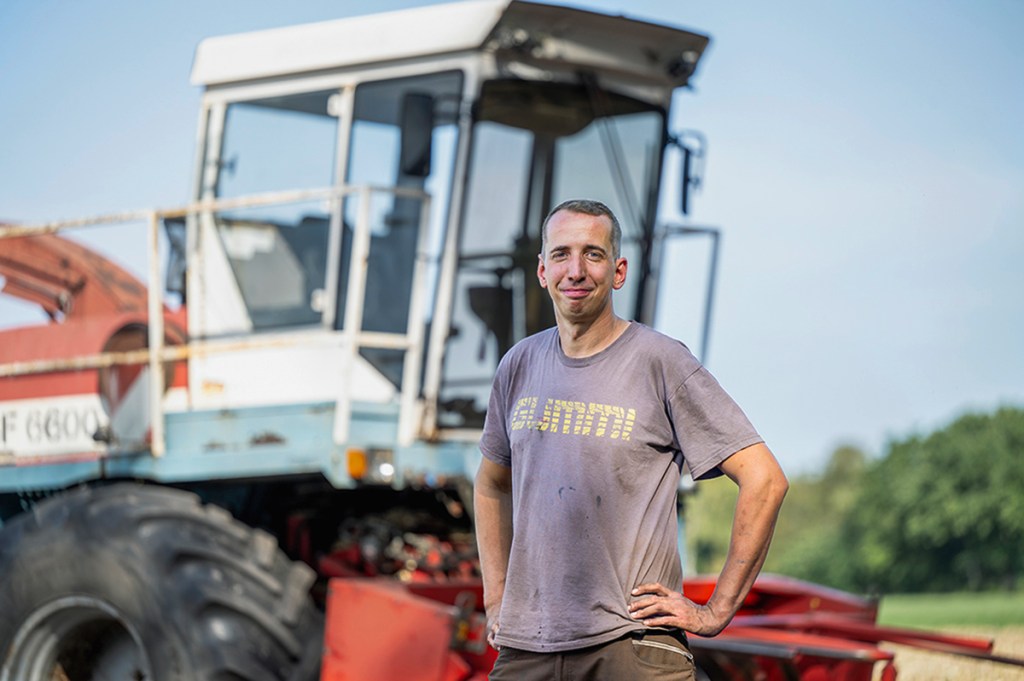
Henning tucks his oil-stained hands into his pockets and smiles contentedly at the group: “You’ve got to be a bit mad, really. In fact, without this shared love of farm machinery, this harvester would never have gone back to work. Thanks to all of you! And when the old iron kit gets going again, we all feel that it’s been worth every bit of effort.”
Maria Henkemeier
For more up-to-date farming news click here and subscribe now to profi and save.